


What connects the minimalist revolution of fashion, dreams of the future, an island lying on a geopolitical fault line, and the invisible power of urban typography? These temporary museum exhibitions not only illuminate key phenomena, but also pose questions—about the body, identity, gender roles, power, and memory. A regional exhibition roundup for the year ahead.
Helmut Lang. Séance de Travail 1986–2005
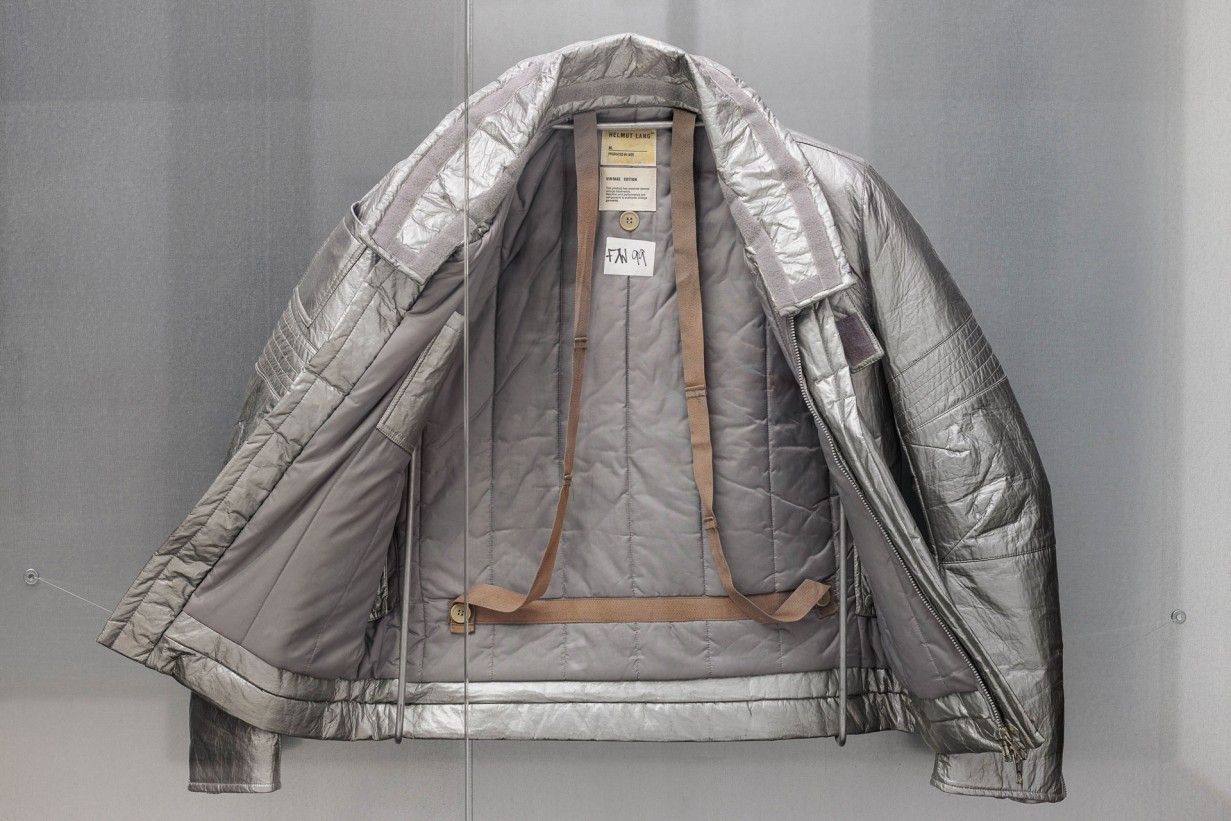
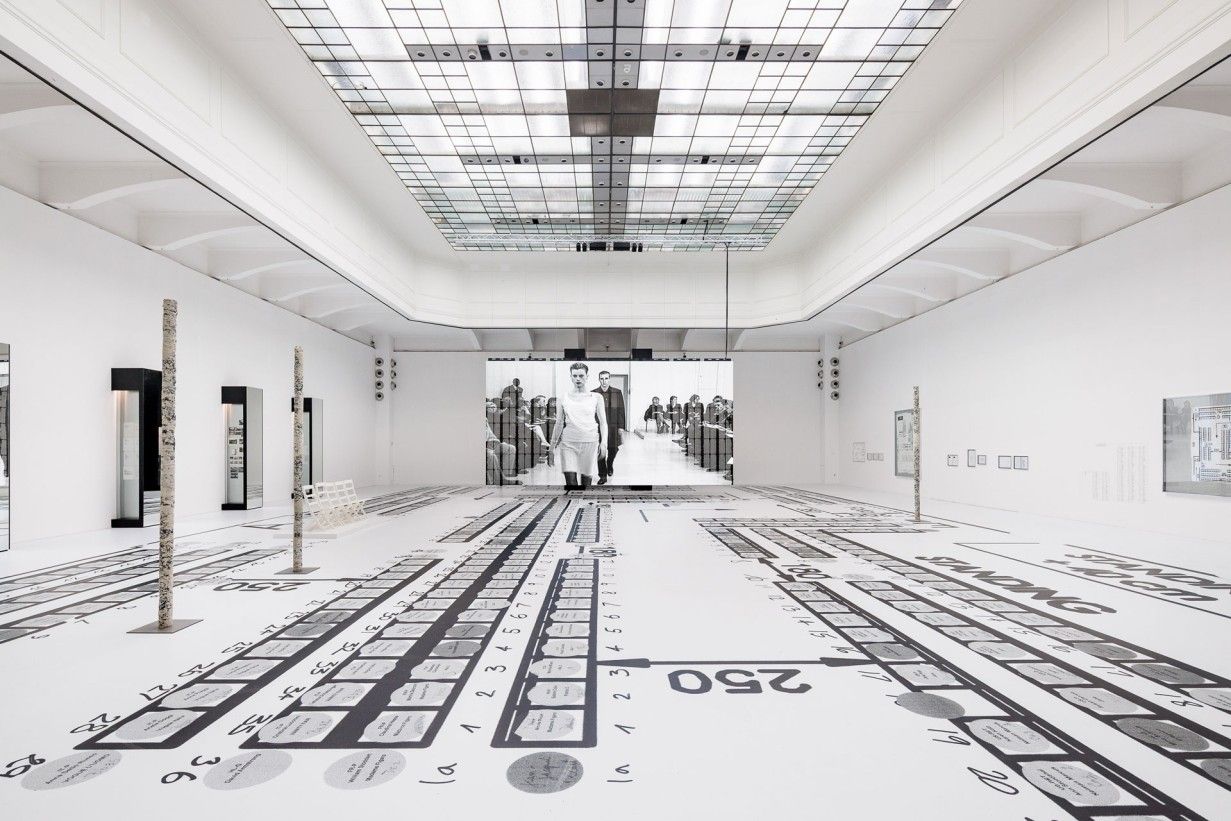
Location: Vienna, MAK – Museum of Applied Arts
On view until: May 3, 2026
“I never wanted to design pretty clothes” — the quote is attributed to the Austrian Helmut Lang, who burst onto the fashion scene in the second half of the 1980s. Whether apocryphal or not, it perfectly encapsulates his entire body of work as a fashion designer. Functionality, minimalism, a conscious simplification of the relationship to the body and to materials, and a rejection of the loud, color-saturated mainstream of the era all define Lang’s approach. The MAK exhibition in Vienna interprets Helmut Lang’s oeuvre not merely as a chapter in fashion history, but as a cultural turning point. Accordingly, the exhibition itself is not a fashion show in the classical sense, but rather a large-scale installation that draws on the museum’s exceptional Lang archive to reveal the designer’s experimental way of thinking.
The World of Tomorrow Will Have Been Another Present
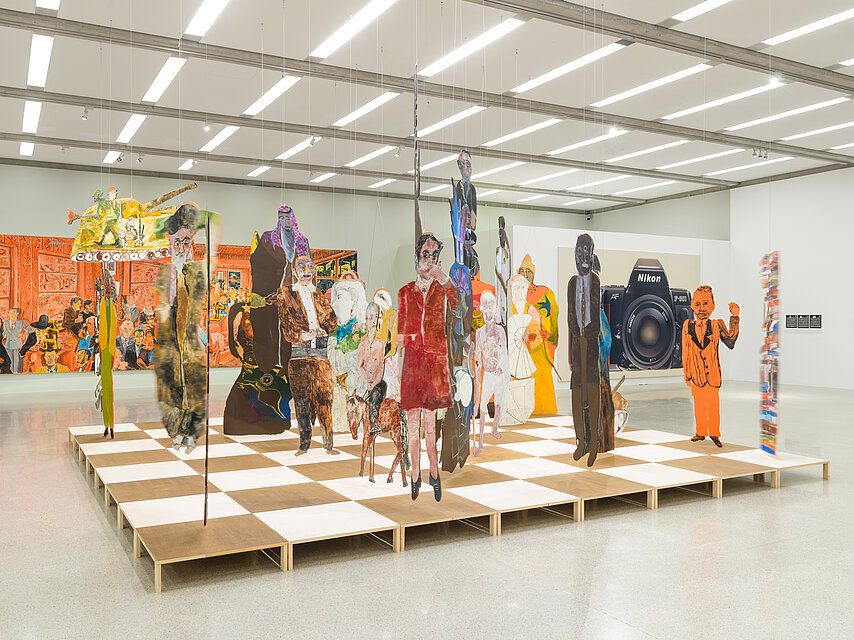
Location: Vienna, mumok – Museum Moderner Kunst Stiftung Ludwig Wien
On view until: May 17, 2026
The mumok exhibition in Vienna is not about the future itself, but about how we have imagined it again and again in the past. The World of Tomorrow Will Have Been Another Present examines the concept of the future through modern and contemporary art as a perpetually postponed promise. The title points to this very paradox: tomorrow always arrives as another present, while layers of anticipation, hope, and failure accumulate within it. Works from different periods and artistic movements reflect on how the political, technological, and social experiences of the 20th and 21st centuries have shaped our ideas of the future. Paintings, installations, and conceptual works enter into dialogue with one another, encouraging viewers to reflect on their own world and their relationship to what lies ahead.
Before the Storm. Taiwan on the Border of Past and Future
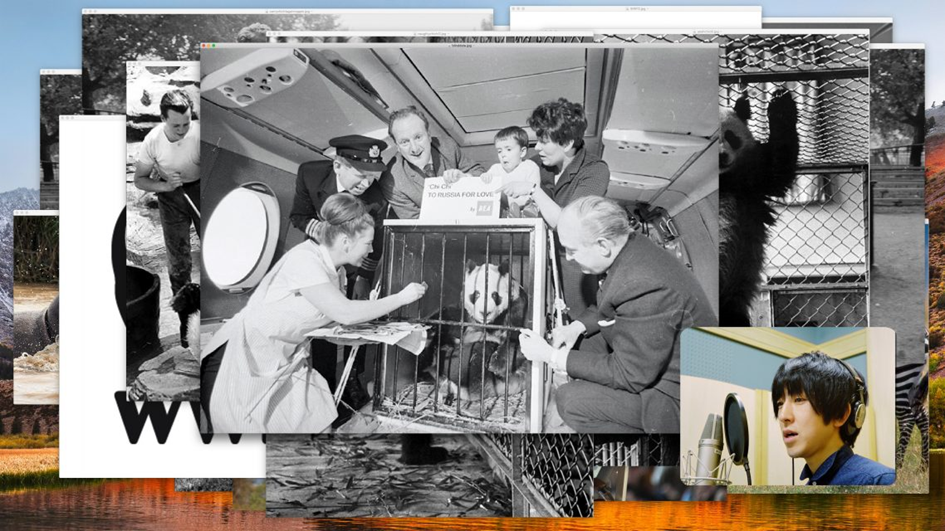
Location: Budapest, Ludwig Museum
On view until: March 29, 2026
This exhibition leads visitors into a space where contemporary art does not illustrate geopolitical uncertainty, but inhabits it and makes it palpable. Starting from Taiwan’s situation, the exhibition explores what it means to live in a present constantly permeated by tension and by the unspoken, frightening promise of the future. The “storm” here is not a spectacular catastrophe, but a constant background noise: a dense fabric of political pressure, historical trauma, and questions of identity. Video works, installations, photographs, and conceptual pieces by contemporary Taiwanese and international artists construct a narrative in which personal memory and collective history continuously overlap—often without fully aligning. The works approach the issue from various perspectives, asking how identity, culture, and visions of the future can be built in such an unstable context.
Josip Plečnik – Central European Architect

Location: Bratislava, Bratislava Castle, Slovakia
On view until: June 30, 2026
This large-scale traveling exhibition presents the life’s work of Jože (Josip) Plečnik, one of the most influential Central European architects of the 20th century, whose legacy has left an indelible mark on the cityscapes of Vienna, Prague, and Ljubljana. The exhibition goes far beyond a conventional architectural retrospective, reinterpreting Plečnik as a thinker and a city-shaping creative force. It traces his career from his student years in Vienna alongside Otto Wagner, through his time at the Academy of Arts, Architecture and Design in Prague, to the monumental transformation of Prague Castle and the Hradčany complex. The displayed drawings, models, photographs, and archival materials document not only the creation of buildings, but also a consistent visual way of thinking. In Plečnik’s work, architecture is closely intertwined with urban use, rituals, and everyday life, while boldly engaging with classical forms and symbolic motifs.
Systém Rathouský: Metro – Typo – Info Design
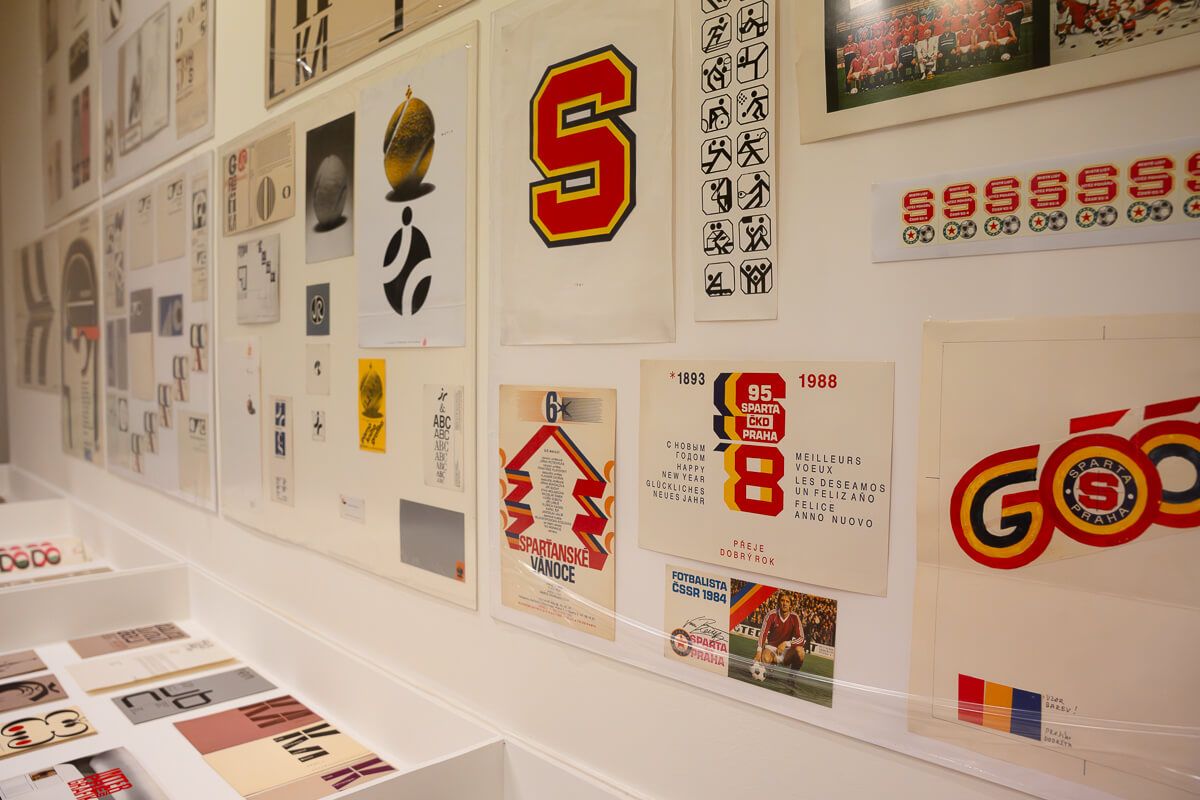
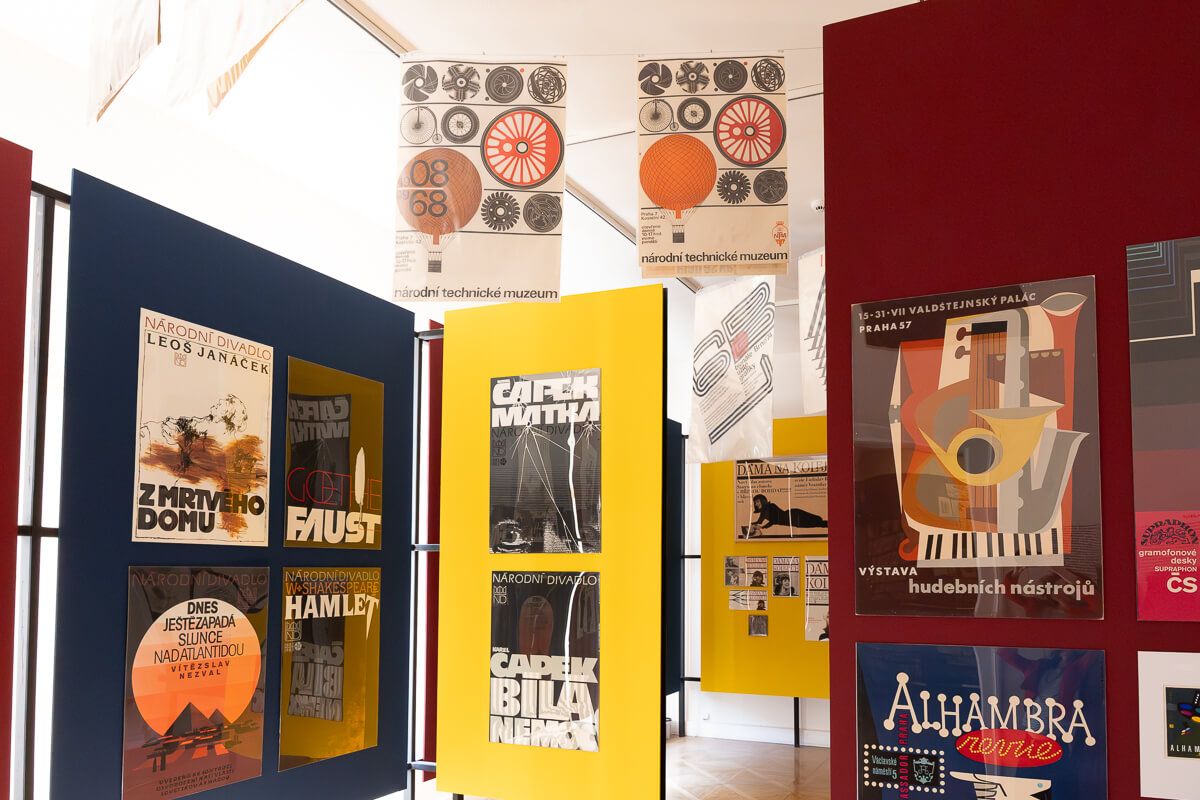
On view until: February 22, 2026
Location: Brno, Moravian Gallery, Pražák Palace
A retrospective exhibition dedicated to Jiří Rathouský, one of the most significant Czech graphic designers and typographers of the second half of the 20th century. While the iconic visual identity of the Prague metro stands at the center of the exhibition, visitors can explore every facet of the artist’s multifaceted career, gaining insight into how a single creator was able to reshape the appearance of entire cities.
The exhibition places special emphasis on demonstrating how Rathouský exerted an enormous, cross-border influence on visual communication—whether in transportation signage, orientation systems, or book and magazine design. The experience is both historical and intuitive: visitors enter a world where typeface is not merely form, but thought; where signage is not just instruction, but an element of identity formation.
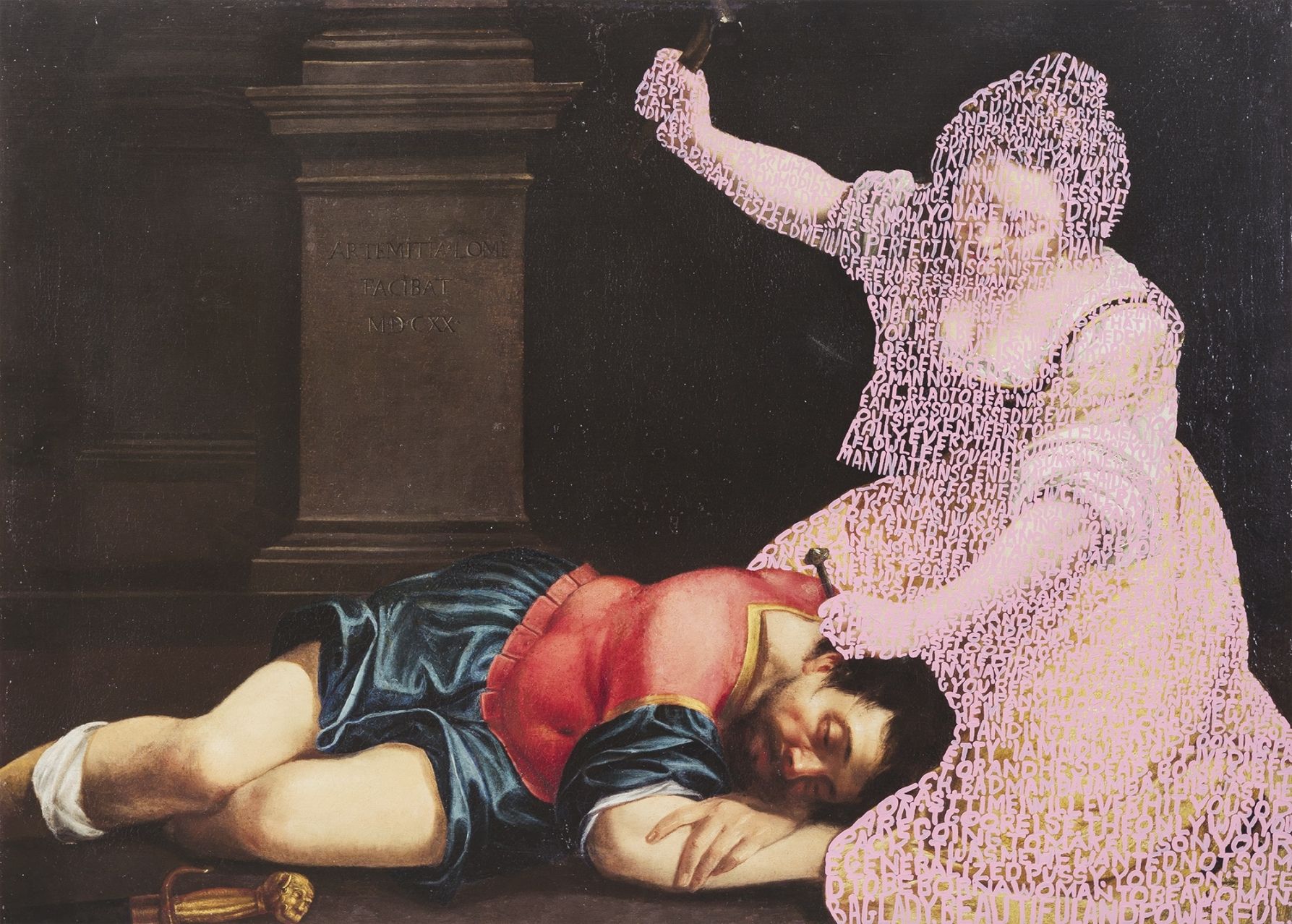
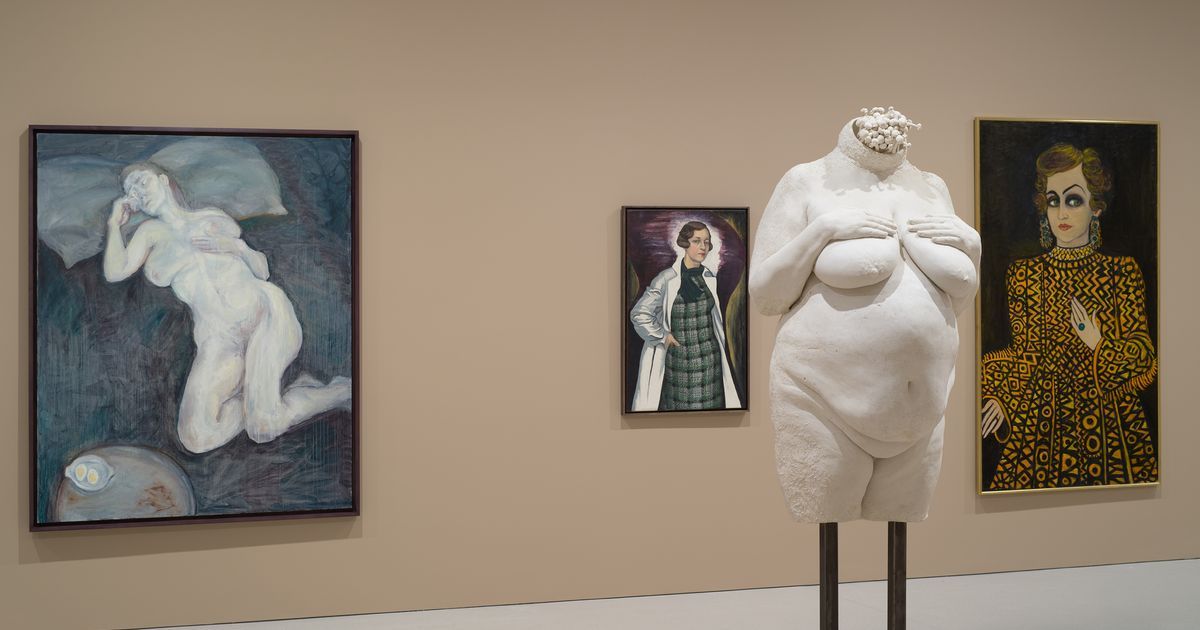
Location: Warsaw, Muzeum Sztuki Nowoczesnej (Museum of Modern Art in Warsaw)
On view until: May 3, 2026
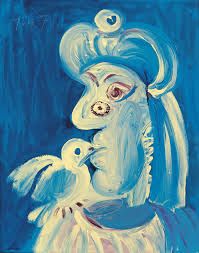
Rewriting universal art history from a female perspective sounds like a monumental undertaking, doesn’t it? Yet the Museum of Modern Art in Warsaw attempts precisely this: examining the role and creative power of women in the visual arts while striving to place them in their rightful positions within art history.
Not only the ambition but also the scale of the exhibition is monumental. Spanning 500 years and presenting around 200 works by nearly 150 artists, it traces the visual history of the struggle for women’s equality. The exhibition is divided into eight thematic chapters, which explore, among other topics, iconic representations of “strong women” as symbols of artistic emancipation, the self-portrait as manifesto, the overcoming of structural obstacles, the visual representation of eroticism, and the roles women have played in times of war.
Location: Stockholm, Moderna Museet
On view from: March 28 to October 4, 2026
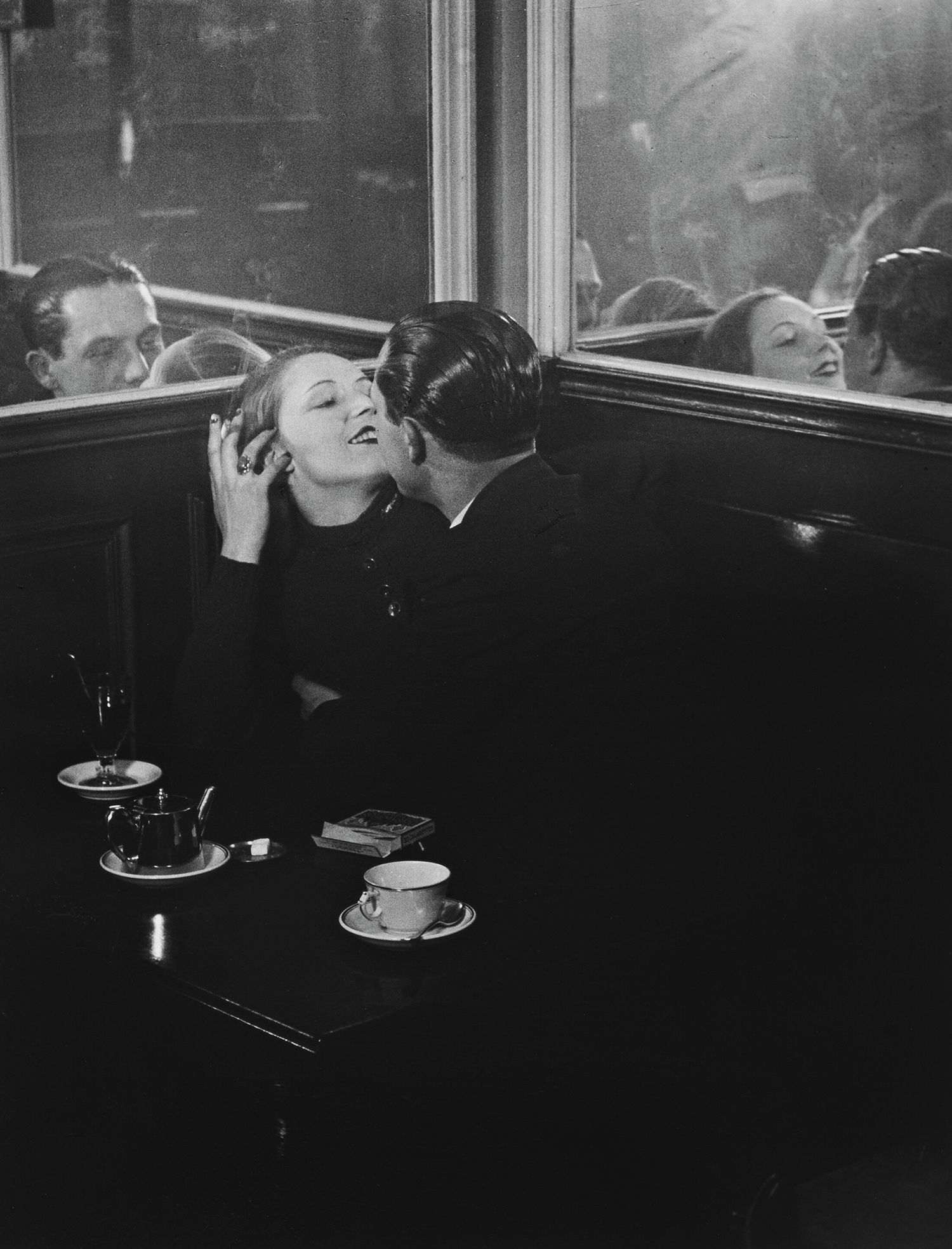
Here, it is the artist who is regional, not the museum. The dramatic interplay of light and shadow, the deliberate compositions, and the instinctive precision in capturing fleeting moments all tell the story of how Gyula Halász, born in Brașov and known as Brassaï, became one of the defining figures of modern photography.
This is the first major retrospective exhibition in Sweden to focus on the artist’s most famous works documenting the nocturnal life of Paris in the 1930s. Visitors can follow Brassaï on his long nighttime walks, during which he used his camera to record the city after dark—its hidden characters, small cafés, and mysterious street graffiti. Alongside his iconic photographs, the exhibition also presents lesser-known works, allowing visitors to encounter not only the Parisian images, but also the artist’s more experimental side.
Location: London, White Cube Bermondsey
On view from: February 11 to March 29, 2026
Entering the exhibition space of the Czech-born, Berlin-based contemporary artist—filled with installations operating at the intersection of architecture, sculpture, textile, and performance—is a total experience. The works surround the viewer, demand engagement, and linger long after leaving the space. The monumental, at times deeply unsettling works explore themes of the body, home, and collective memory. Within the gallery, textile art almost becomes architecture, while the visual experience is both archaic and contemporary—like stepping into an unfamiliar ritual space where materials carry their own stories. The exhibition at White Cube distills the essence of Hosnedlová’s practice to date: a world in which personal experience acquires political meaning, and where material remembers in our place.
Text: Anna Bakai