


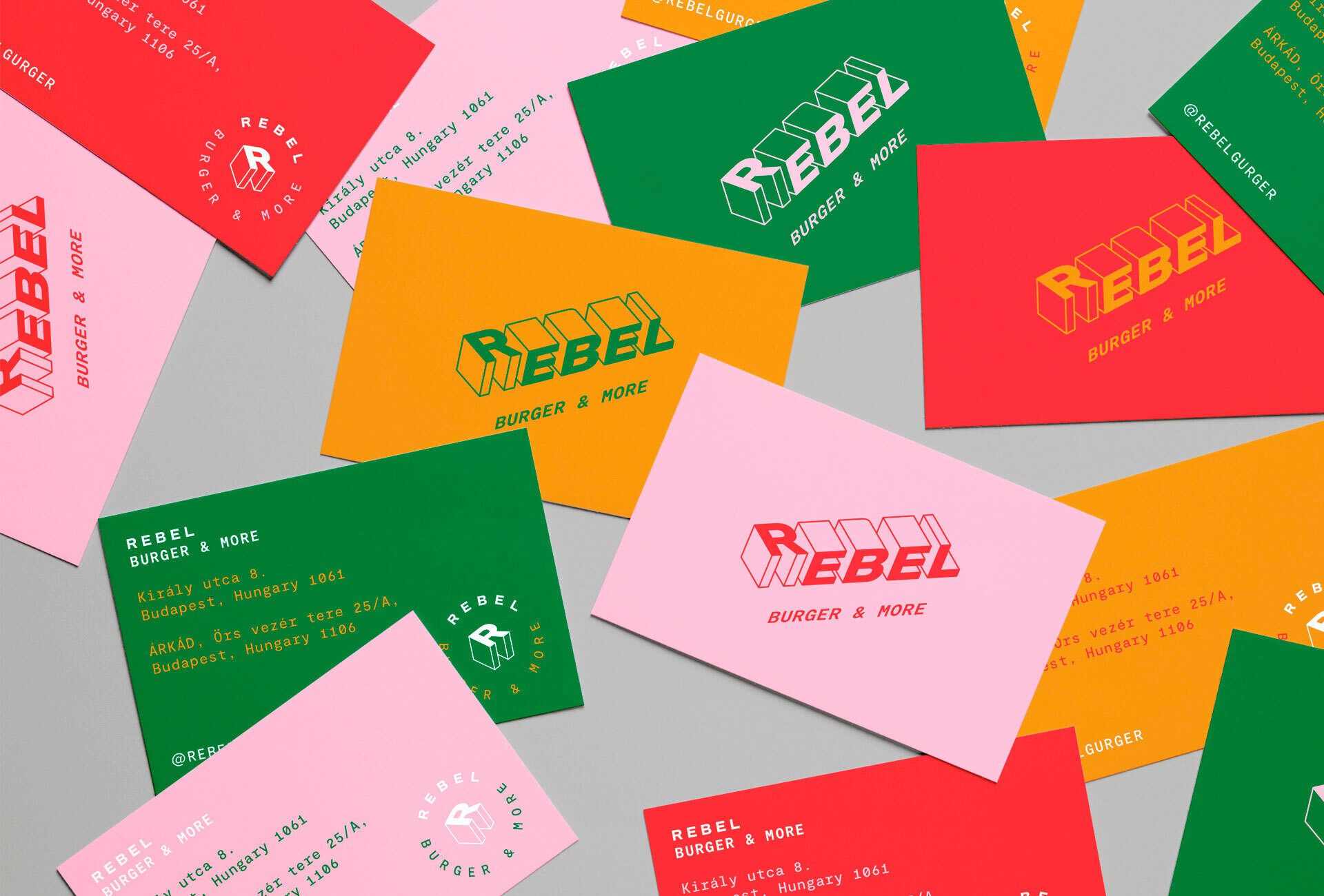
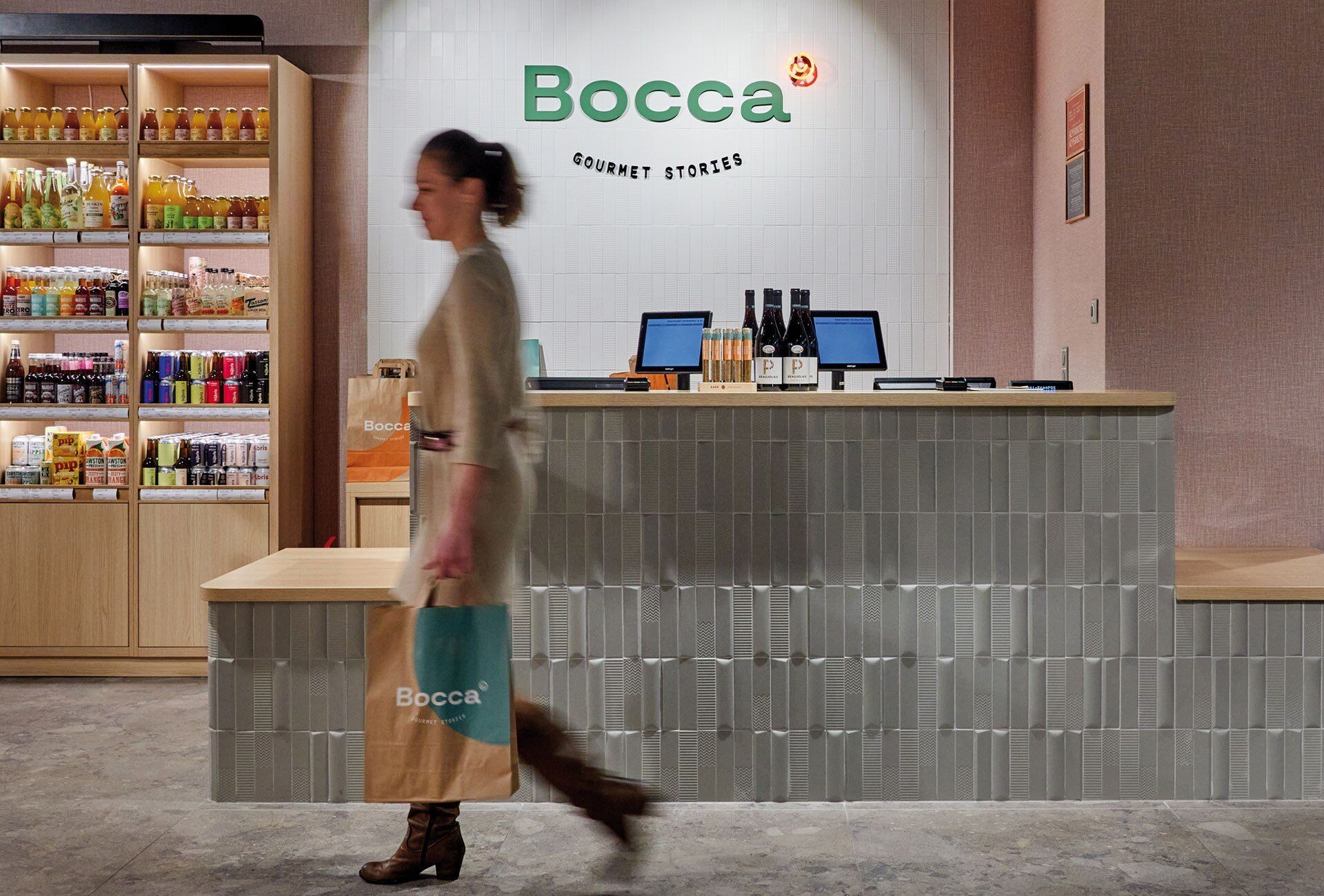
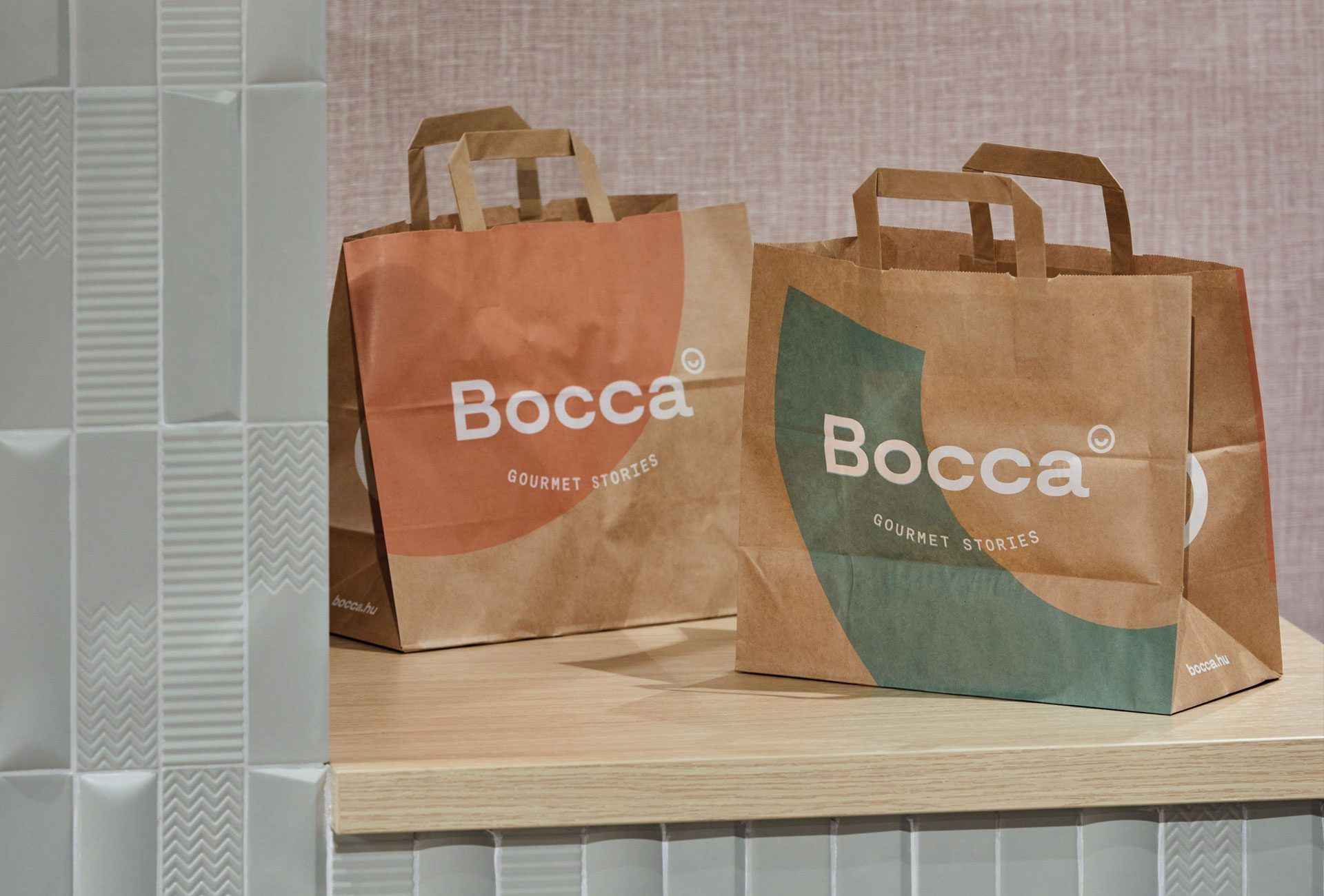
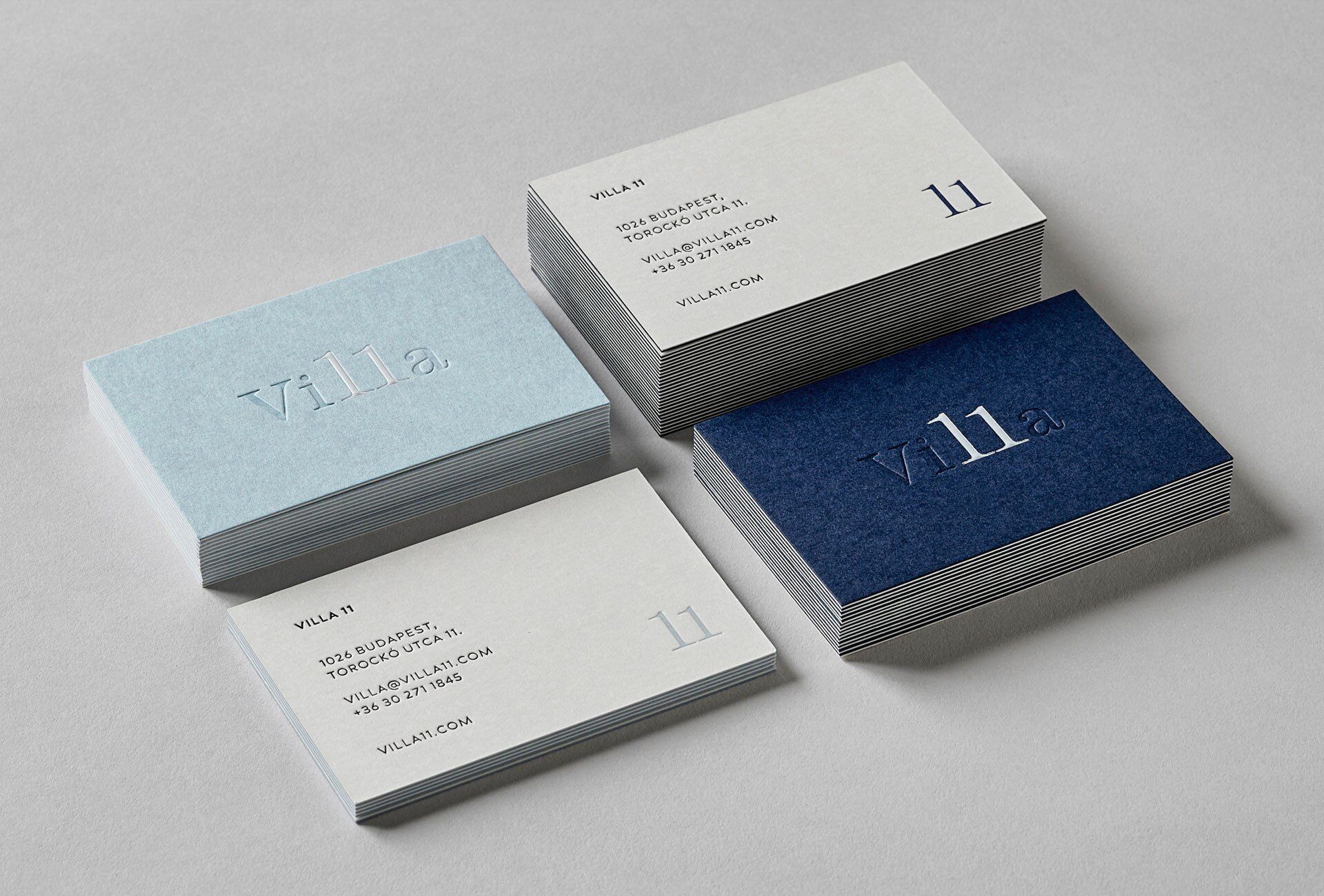
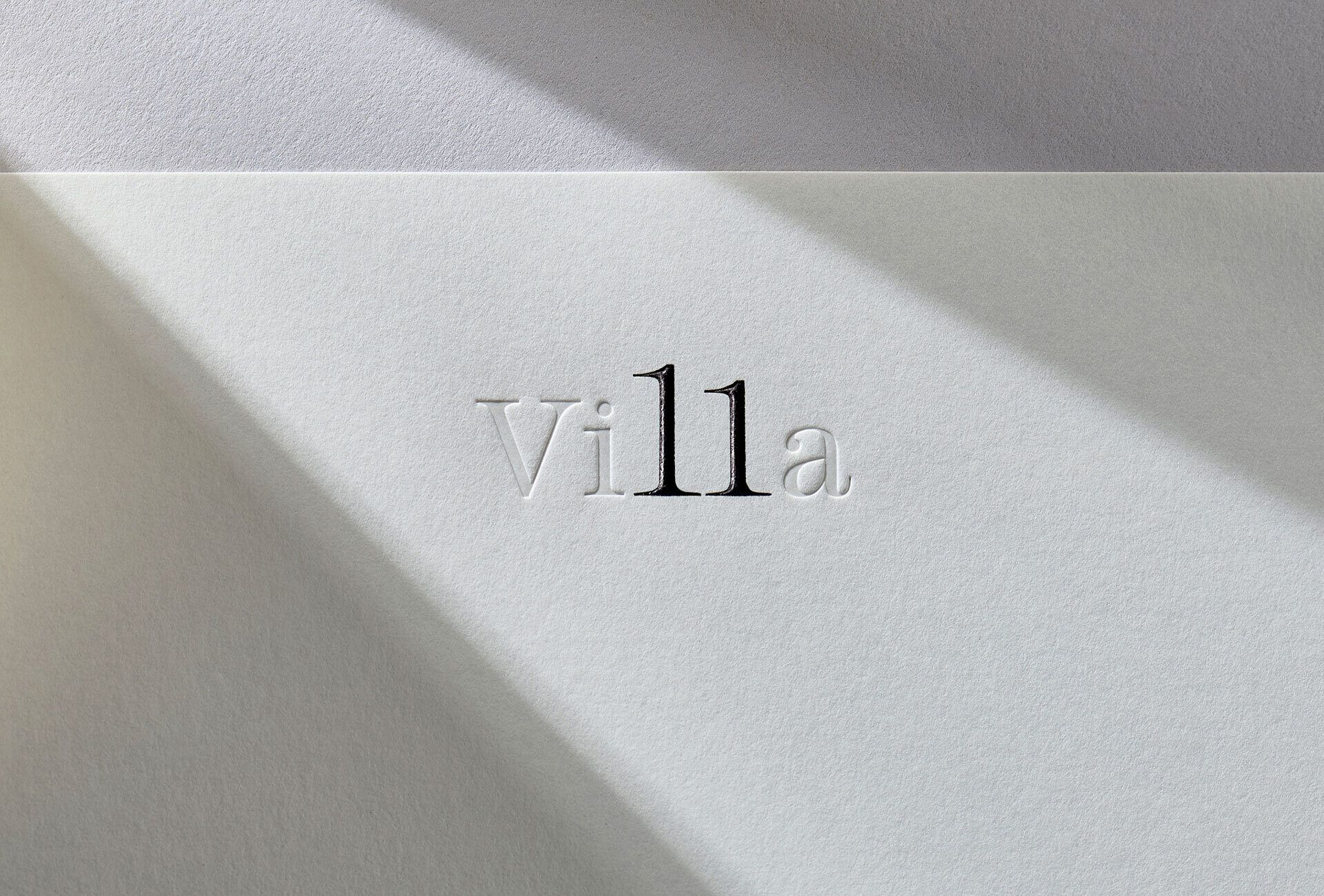
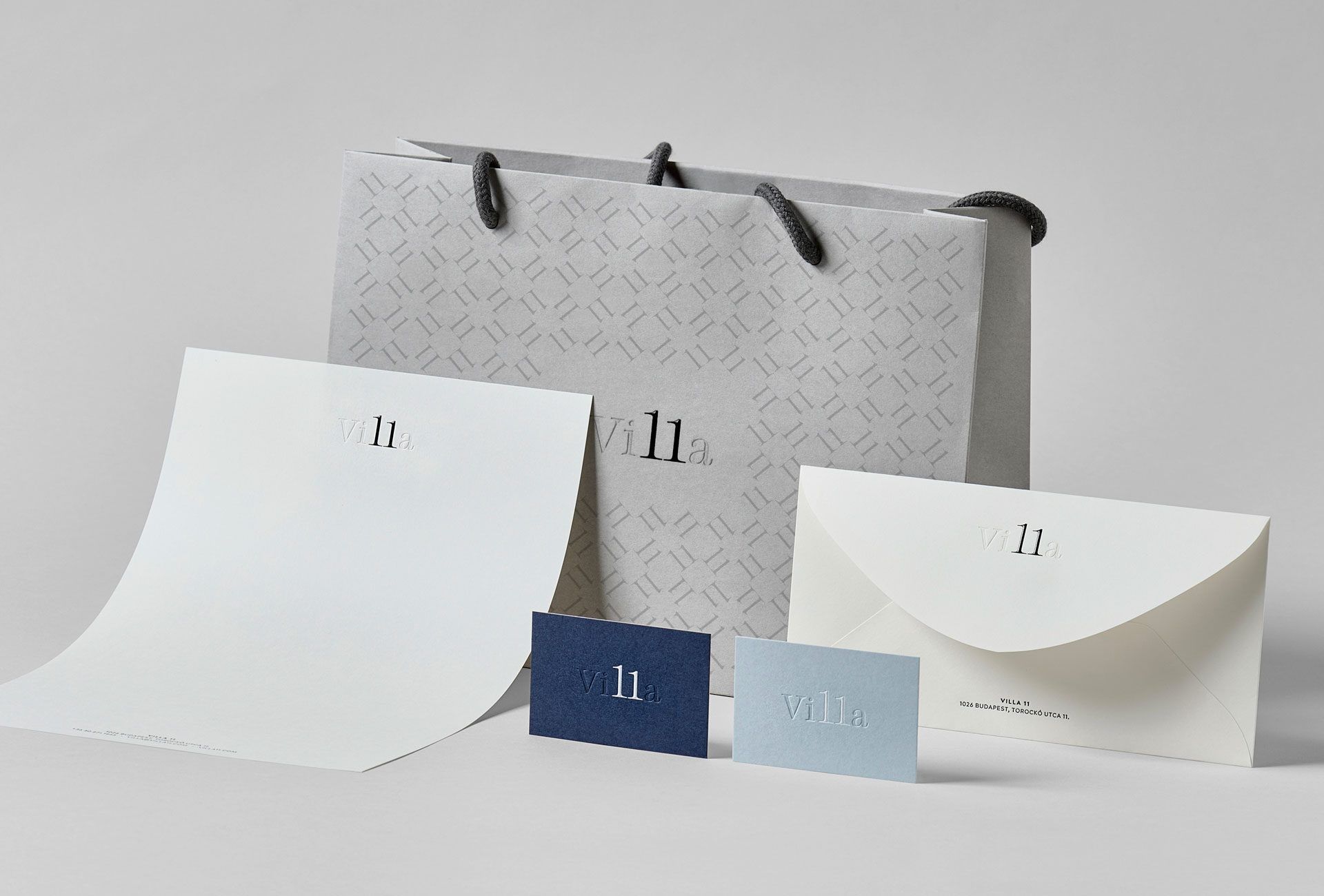
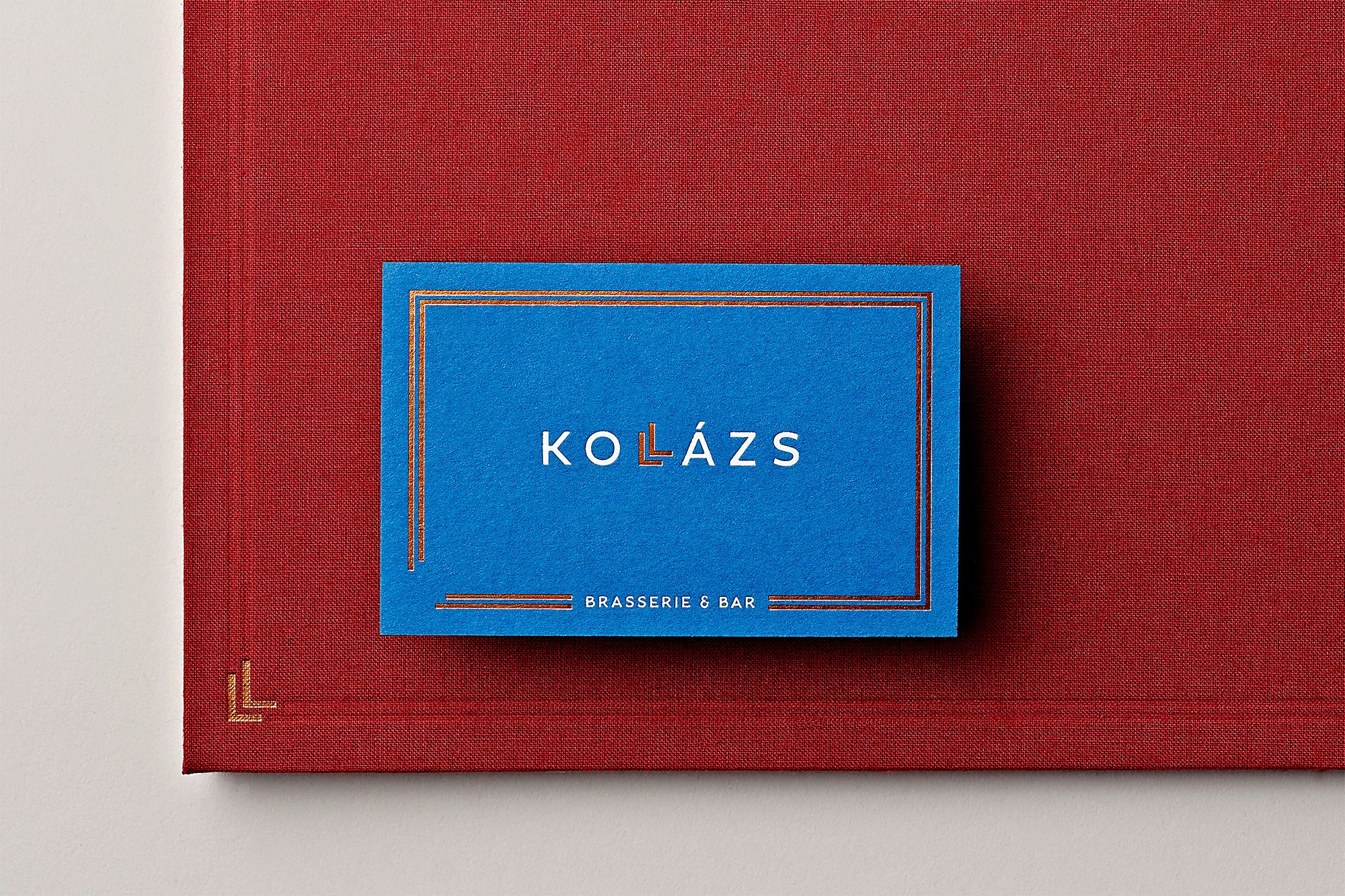
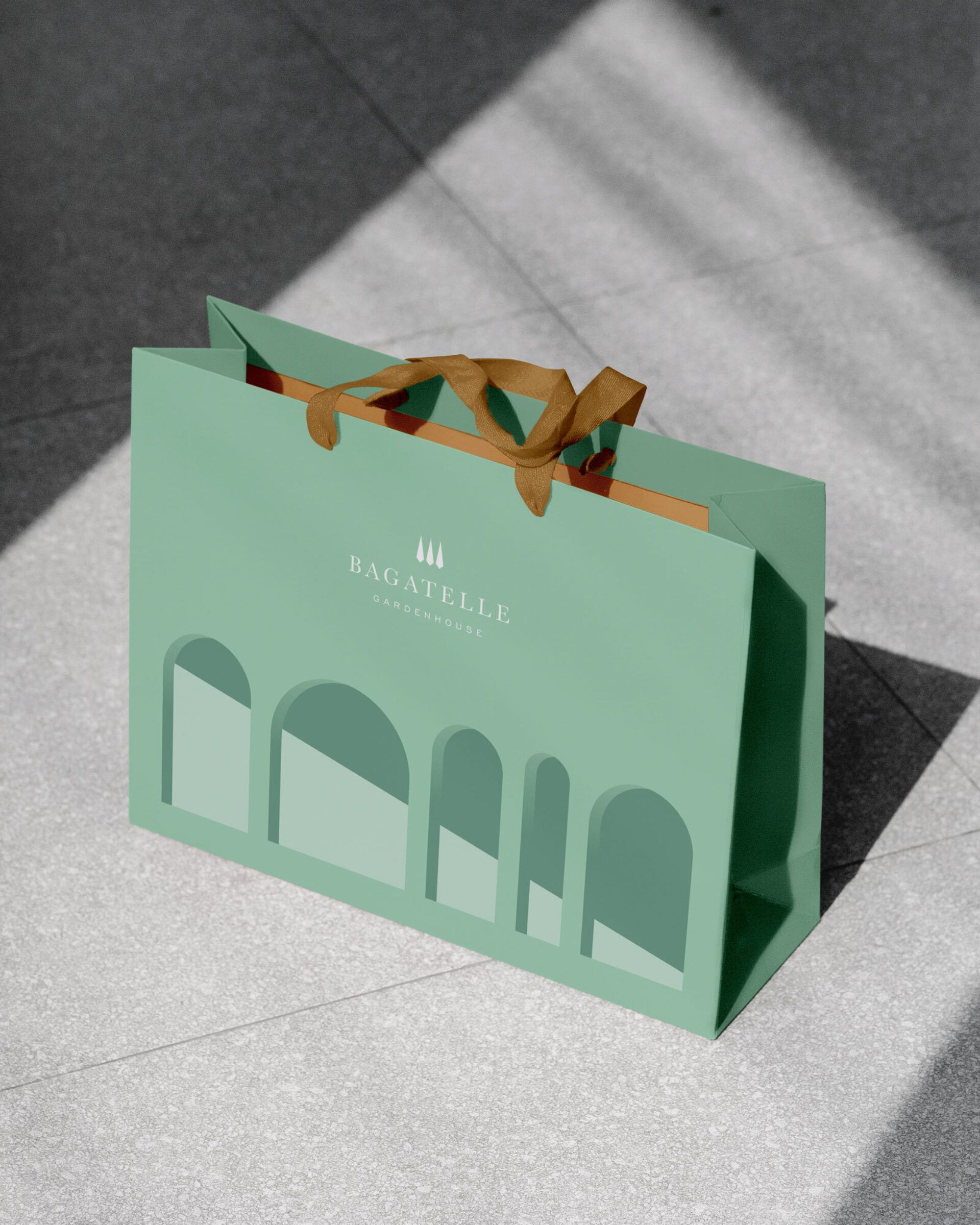
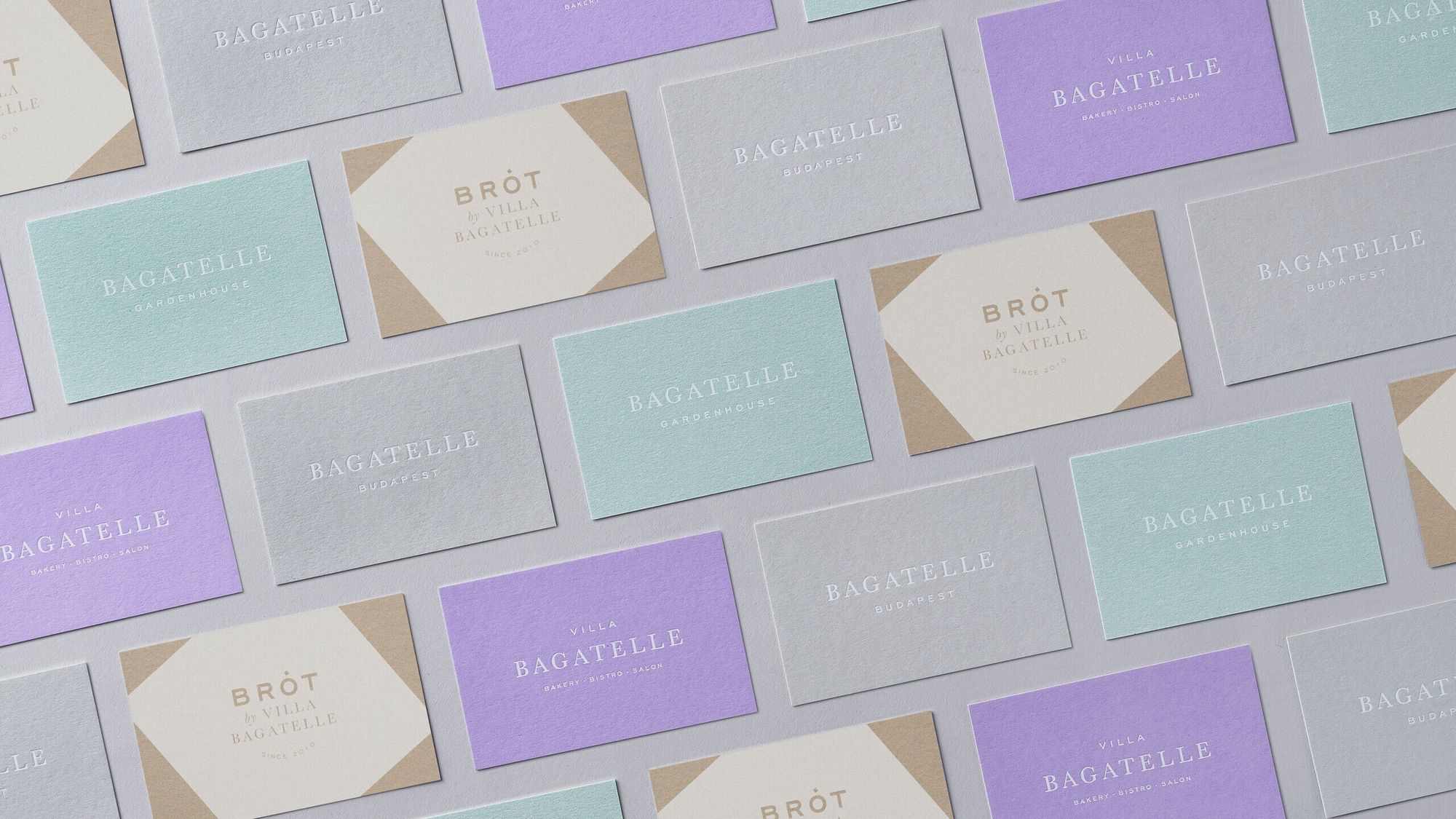
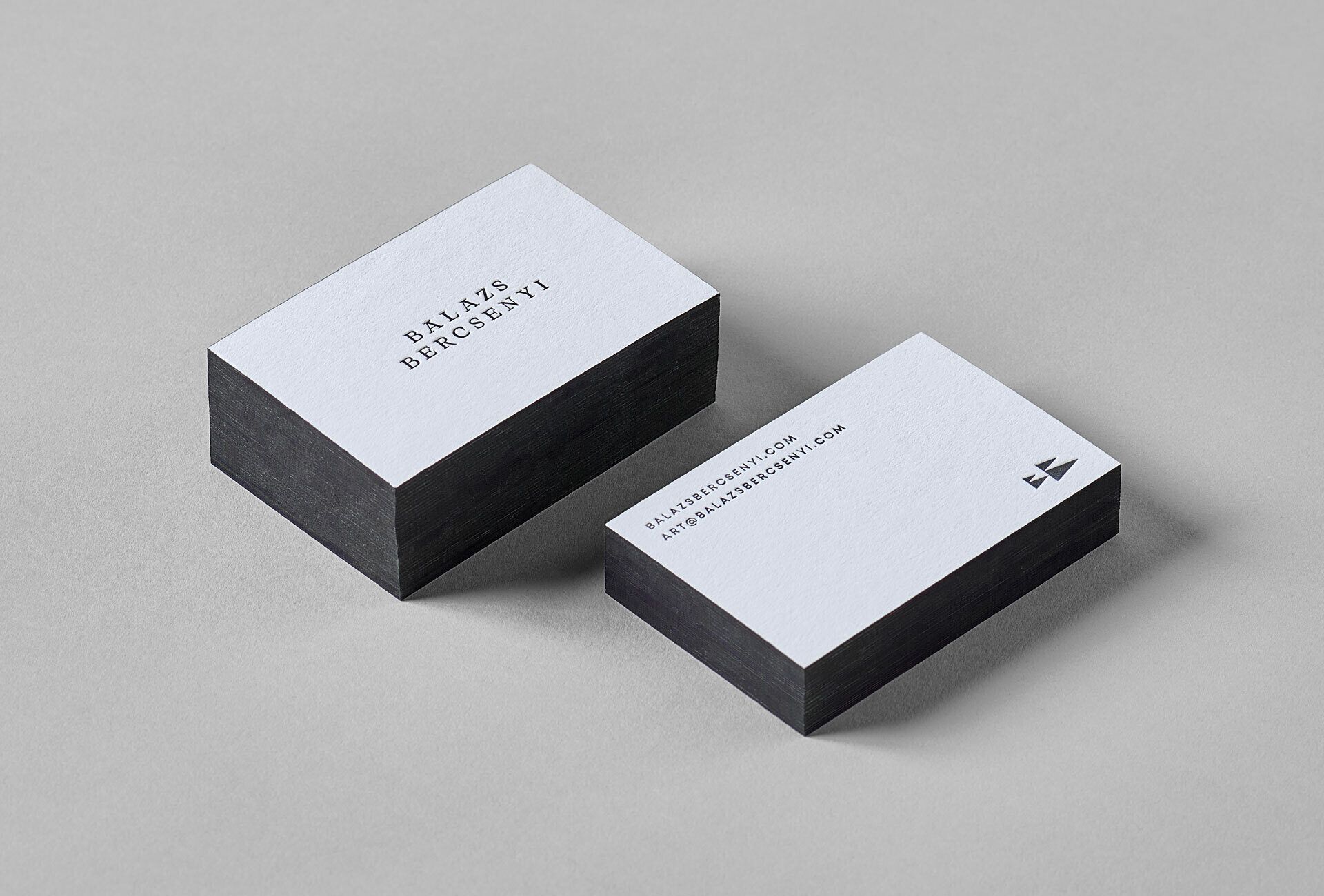
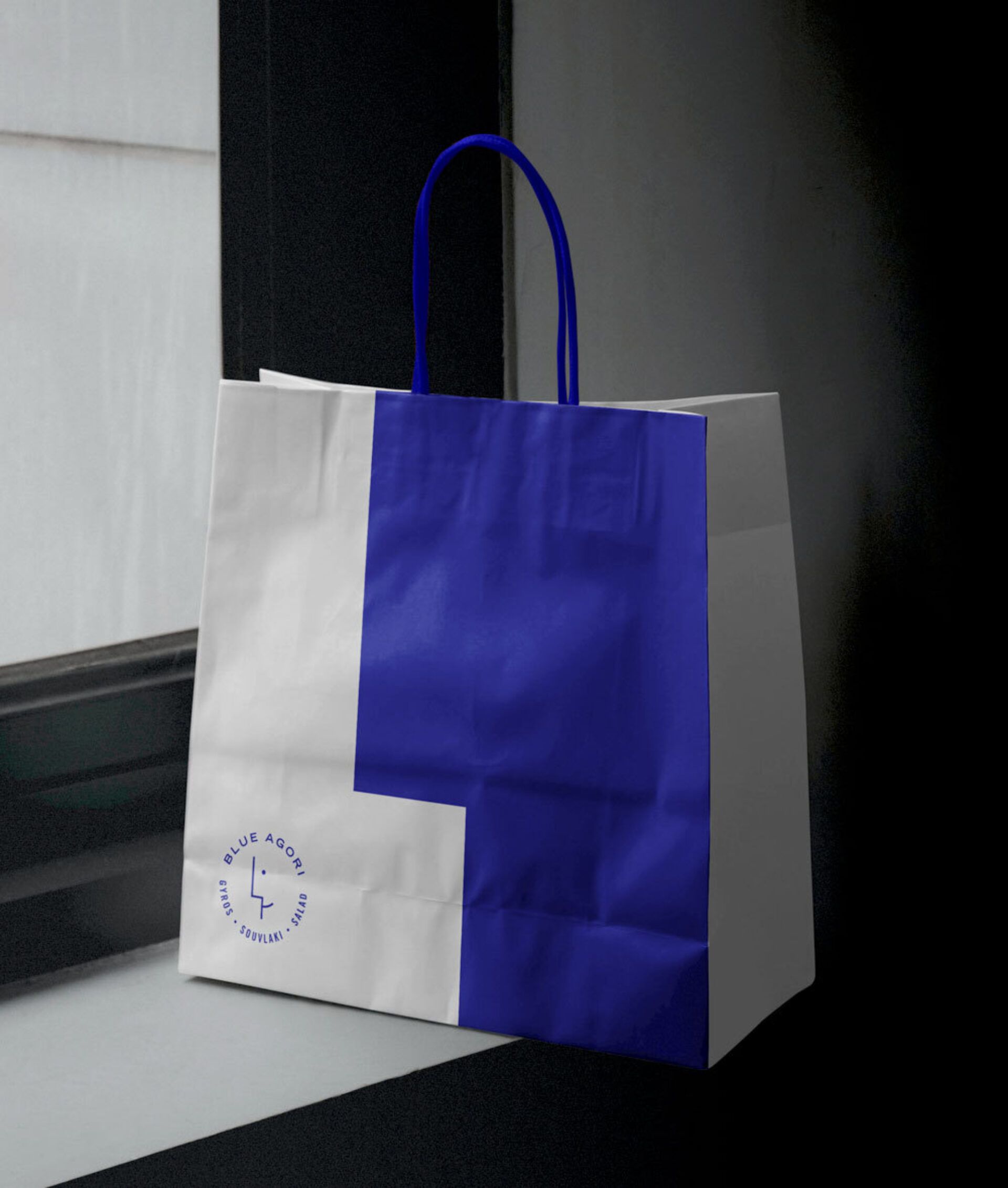
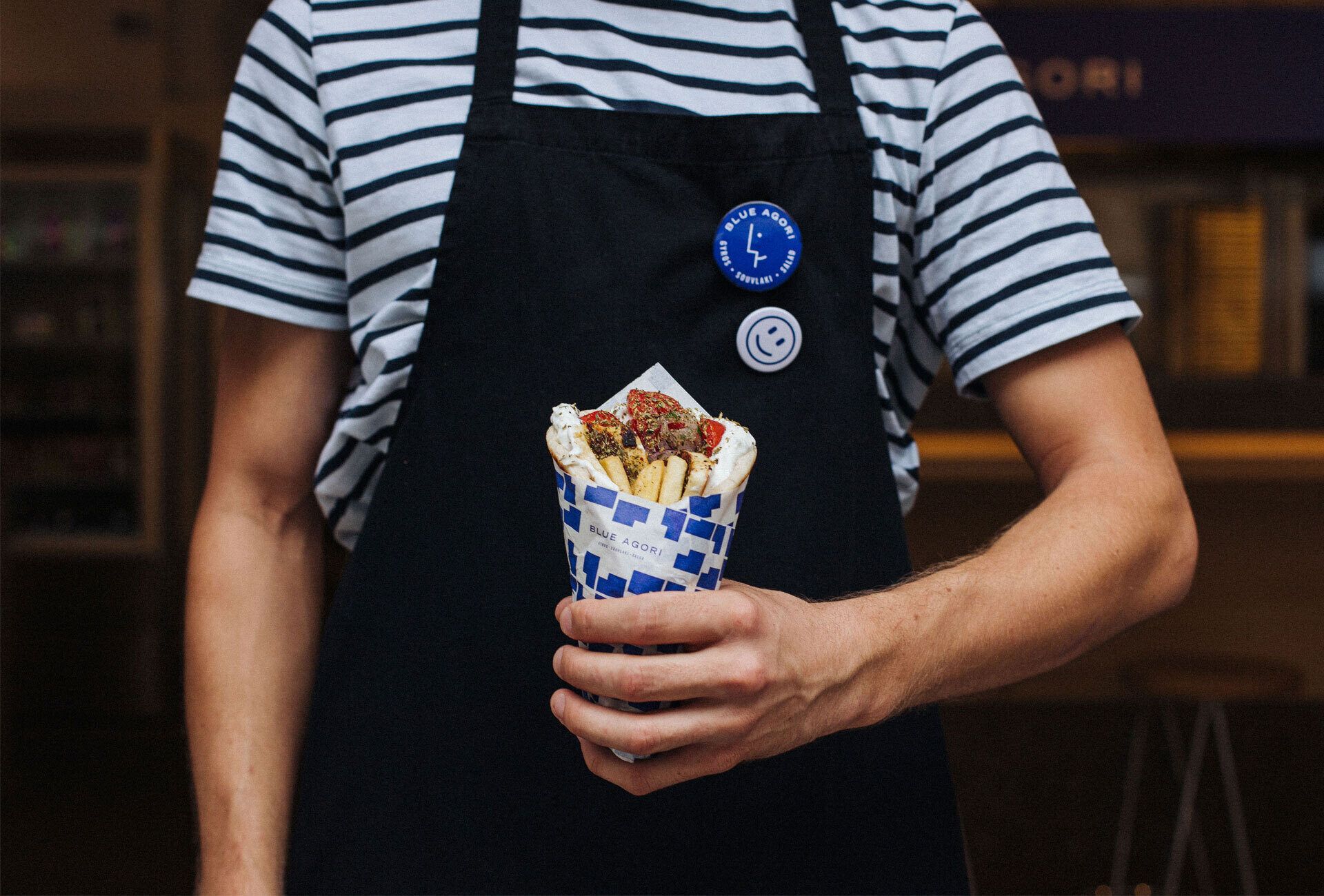
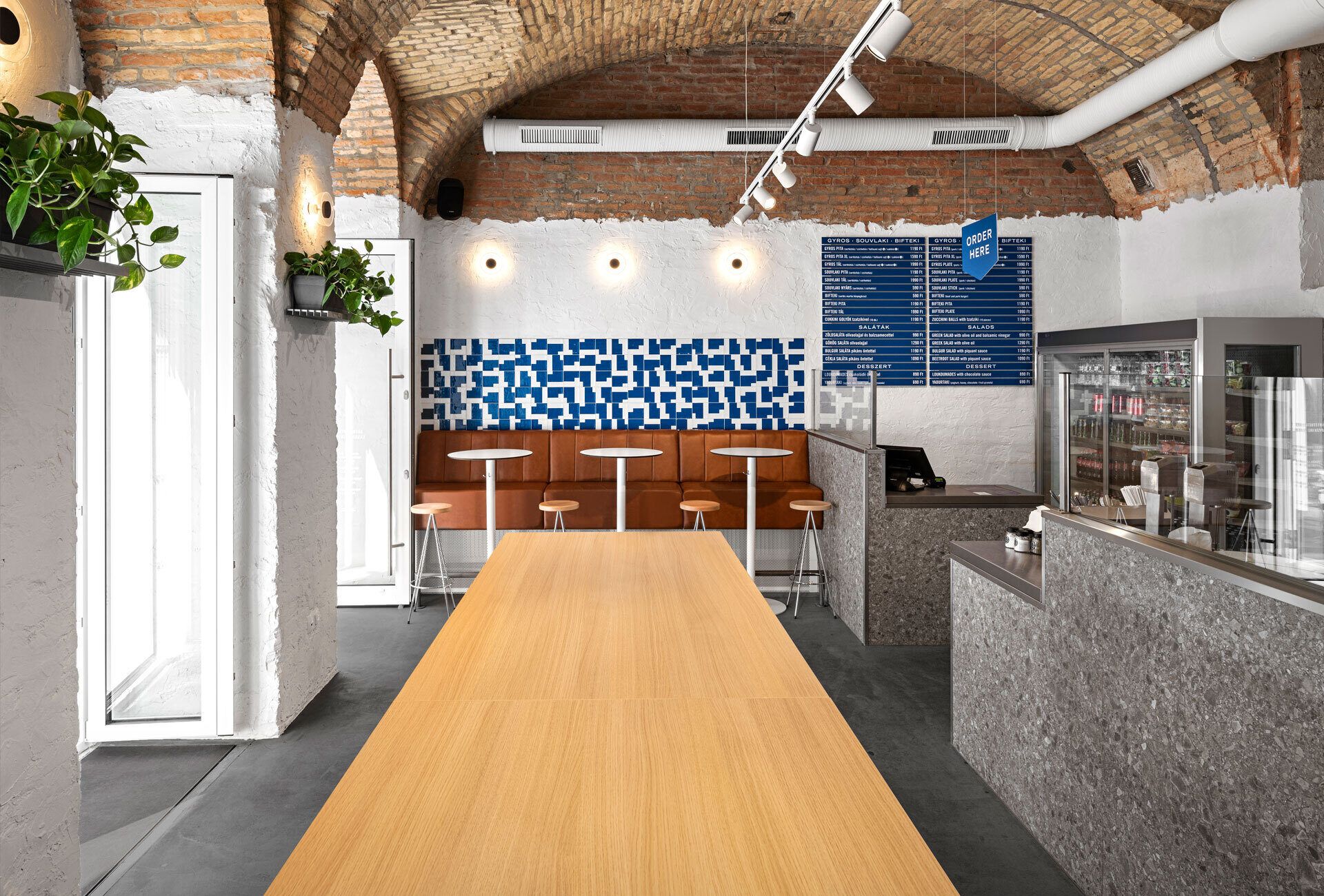
Consistent strategic thinking, a high level of visual culture, elegant yet daring graphic twists, and sharp business acumen – award-winning Studio Barath, recognized with both the Arany Rajzszög and the Hungarian Design Award, has been a defining force in Hungary’s premium branding scene for over a decade. Led by Dávid Baráth, the studio has crafted identities for iconic Budapest hospitality venues including Villa Bagatelle, Four Seasons Gresham Palace, and the Hilton’s signature restaurants, as well as the Blue Agori Greek Food Bar with its contemporary Hellenic atmosphere. Long-term collaborations include projects with tattoo artist Balázs Bercsényi; they played a notable role in the fast success of Villa11 and BOCCA Gourmet Stories, and their client list extends to finance, law, and the arts. Our interview was conducted with the studio’s founder, Dávid Baráth.
You often emphasize that your work is primarily business development-driven, with design following afterwards. How far do you think AI can go in this process, and where does human strategic thinking begin – something an algorithm (still) cannot replace?
At this point, we can only speculate about how far AI’s influence will reach in future when it comes to design and strategy tasks. Naturally, we keep a close eye on technological progress, but for now we feel that AI is not truly “smart” in the areas where we excel. When we are brought into a project, our previous experience, hands-on practice, and portfolio carry real weight – AI may not have that.
Another advantage is the broader context we bring: even if we are asked “only” for a visual identity, we approach the brief from countless angles. We continually upskill, monitoring many fields – from the luxury sector to architecture and interior design, gastronomy, automotive, fine art, cultural programming, industrial design, and typography, all the way to hospitality trends – and we follow the activities of major market players. This knowledge base keeps expanding, and for each project we can extract precisely what is relevant, AI may not be able to do that.
Thirdly, for us, it is not just about data – we do not know places and processes solely from the internet. We seek out personal experience wherever possible: we travel a lot, visit hotels and real-estate developments relevant to our clientele, dine at venues akin to those our clients launch or find inspiring; we even go into the kitchen and talk to the staff. We have collected many stories and friendships that way. With this degree of personal immersion – turning user experience itself into a design element – AI can not truly compete yet.
From the outside it is rarely obvious how deep the research phase runs before the striking visual solutions appear. If you had to highlight one thing a layperson would never suspect lies behind a strong brand, what would it be?
The primacy of research. We maintain extensive databases – for instance on real-estate developments – plus dozens of visual inspiration folders. We also save relevant material as bookmarks and in other formats. We have a substantial professional library of books and magazines, which we purchase regularly, even when they are not available domestically – and we actively use these volumes. If needed, we research in archives, among architectural drawings, even in storage facilities. Market and competitor analysis, mapping the territory in depth, and knowing the brand inside out – this underpins everything we do, from naming to the fine detail of visual identity.
Many of your clients seek you out specifically for strategic support. How does this reshape your role compared to the traditional designer status? Have there been cases where you opened a client’s eyes to their own potential?
Most of our inquiries start as straightforward design tasks. But once we meet and have long conversations, a lot comes to light – about the client, the brand, the company, and their thinking. We typically meet several times before we even begin, and during these meetings it becomes clear to them that beyond the original assignment we are equipped to advise on far more – and that this advice can substantially build their business, provided they are thinking long-term.
Sometimes we know the international benchmarks better than they do, we can suggest ideas for product development or collaborations, we see broader consumer trends and view the business from a wider angle than they can from the inside. Through our questions and proposals the client’s true potential crystallizes – could they enter another sector? How might they scale their product or launch abroad? Where is the market gap their knowledge and product can fill? These are often tailor-made insights and, for obvious reasons, business confidential.
In this sense our collaboration has a coaching dimension: we actively help the client map their latent opportunities. Quite often we see what the company could become before the client does – simply because they are standing too close.
One of your primary goals is to create identities that work not only in the present but endure over time. What is the most important question you ask yourself before designing a name or identity to ensure it will age gracefully?
Authenticity. A good visual identity only works in concert with the actual product or service. That is why we invest so much in understanding the client – the brand, the product’s personality, history, strengths, and values – then synthesizing all of that into a visual system. A strong identity is theirs, it is not easily copied, and (because we plan with longevity in mind from the outset) it can adapt as the brand evolves. Timelessness matters, too. Of course we track trends, but we do not follow them slavishly; this helps the identity endure so it won’t need a complete overhaul after a few years – just careful refinement. Our aim is for the identity to be, first and foremost, right and beautiful.
The first 70% of a project is invisible groundwork, often followed by years of execution. How do you maintain creative focus and freshness throughout such long assignments?
In our case, groundwork is closer to 30–40%. For restaurants, projects typically last six months to a year and a half, while for real estate it can stretch over several years due to execution and permitting delays. Sometimes we design a property’s identity, construction begins, and the detailed visual elements – harmonizing interior design with identity, signage, and so forth – only come years later.
Of course, I would sometimes prefer to speed things up – hindsight might make me approach it differently – but each phase has its own challenges and excitement. The idea that, eventually, everything will fall into place keeps us motivated. Currently, we are working on several projects started late last year or early this year that will only become public by the end of this year or even in 2026 – spanning products, property developments, and new business launches.
Have you ever had a project where the carefully planned identity triggered a true business turning point?
Yes, many. For example, we redesigned the complete identity of one client – from product packaging to trade fair booths, hostess uniforms, and more. At the very first fair, a major business partner they had been chasing unsuccessfully for years walked straight into their booth. The previous identity simply hadn’t reflected the company’s scale, commitment to quality, modernity, or versatility. With the new look, the brand was instantly repositioned in the partner’s mind: more current, more credible. The result was an order large enough to pay back the rebranding and fair presence several times over.
Another client hadn’t considered that the concept they wanted to launch could be standardized and developed into a franchise. Following our recommendations, we shaped the branding from the outset to enable franchising – and it became reality, with multiple units now open. For a third client we organized disparate activities into an umbrella brand with sub-brands, making the system far clearer and, in turn, measurably more cost-effective. These are just a few examples.
How has the focus of hospitality and real estate branding changed since the pandemic?
It’s now essential that any new hotel includes a unit attractive to locals – a café, bar, or restaurant that does not alienate the community. The city center has “expanded,” too: people no longer have to cross town for outstanding dining or retail experiences. Developers increasingly prioritize multifunctionality: multiple units within a single property, carefully considering how they influence each other and their long-term potential. These are exciting directions, aligned with the rising demand for unique experiences among end users.


You’ve mentioned being particularly interested in yacht and sailing brand design. What makes this area as complex and exciting as a large-scale property or hotel project?
Since childhood, I have been captivated by the world of water. While others were fascinated by cars, I was drawn to boats. I visited boat shows and could spend hours in harbors. This passion has stayed with me.
I follow boat manufacturing closely – the workshops, brands, designers, and architectural firms that now also design yacht interiors and identities. For me, it is much like real estate development or designing a family home: complex, meticulous work. Boats have rooms, require signage, bathrobes, informational materials, and curated experiences – just like hotels. This is not a career ambition but a deep personal passion. I truly hope I will have the chance to try my hand at it.
Why do you find wine-related projects particularly interesting?
In gastronomy, we’ve achieved much, but wine references are still few – which saddens me, as gastronomy is not only a professional field for me but also a personal passion. I follow food news, chefs, and restaurants, but I also pay attention to wine – I study labels, watch wineries evolve.
Wine evokes emotions. That’s why designing a label is more than passing information: it can be playful, characterful, even artistic. Even within one winery, every vintage is different, every year tells a new story. A good wine label can function like a poster, a bold identity element elevated to the level of art, leaping off the shelf and serving as an excellent sales driver.
You also design for cultural institutions. What type of project would be the ultimate professional challenge for you – a museum, a festival, a theater, or a gallery?
I would separate two directions. Festivals require short-term thinking: the identity needs to be trend-sensitive, changeable year to year, and striking. In contrast, permanent institutions like museums or galleries resemble corporate work but with the added link to high art.
I grew up in an artistic family – visual and performing arts have always been central to my life. Yet in daily work, I often must distance myself from that world. Designing for cultural institutions reconnects me with it – I lose my sense of time, fully immersing myself in the process, breathing and living alongside the curators and artists. The results are inevitably more abstract, more artistic. Thankfully, several such projects are underway now, soon to be unveiled to the public.

Your credo says that brands must be able to “step onto the stage” you design for them. How do you support clients in making this internal leap, strategically and visually?
We approach the client’s brand rationally, from the outside – something often harder for them to do. We conduct research, propose organizational and product-development moves, outline growth paths, product-group ideas, and communication options – always aligned with the company’s values.
Many businesses, absorbed in day-to-day tasks, lack time for strategic thinking. We bring the experience to support them in this. The visual identity reflects the company’s current state – but it also carries within it the directions for future growth.
Not every client has perfect chemistry with us, but most immediately recognize that our suggestions are never self-serving. They are constructive, and even if the client doesn’t grasp their significance right away, they trust us and our advice.
Ten years from now, what values and qualities would you like your name to be associated with, in Hungary and internationally?
I would like us to be known as a studio that has consistently delivered excellence for decades, with increasingly complex assignments, a loyal base of returning clients, and the chance to think, evolve, and realize outstanding projects together.