


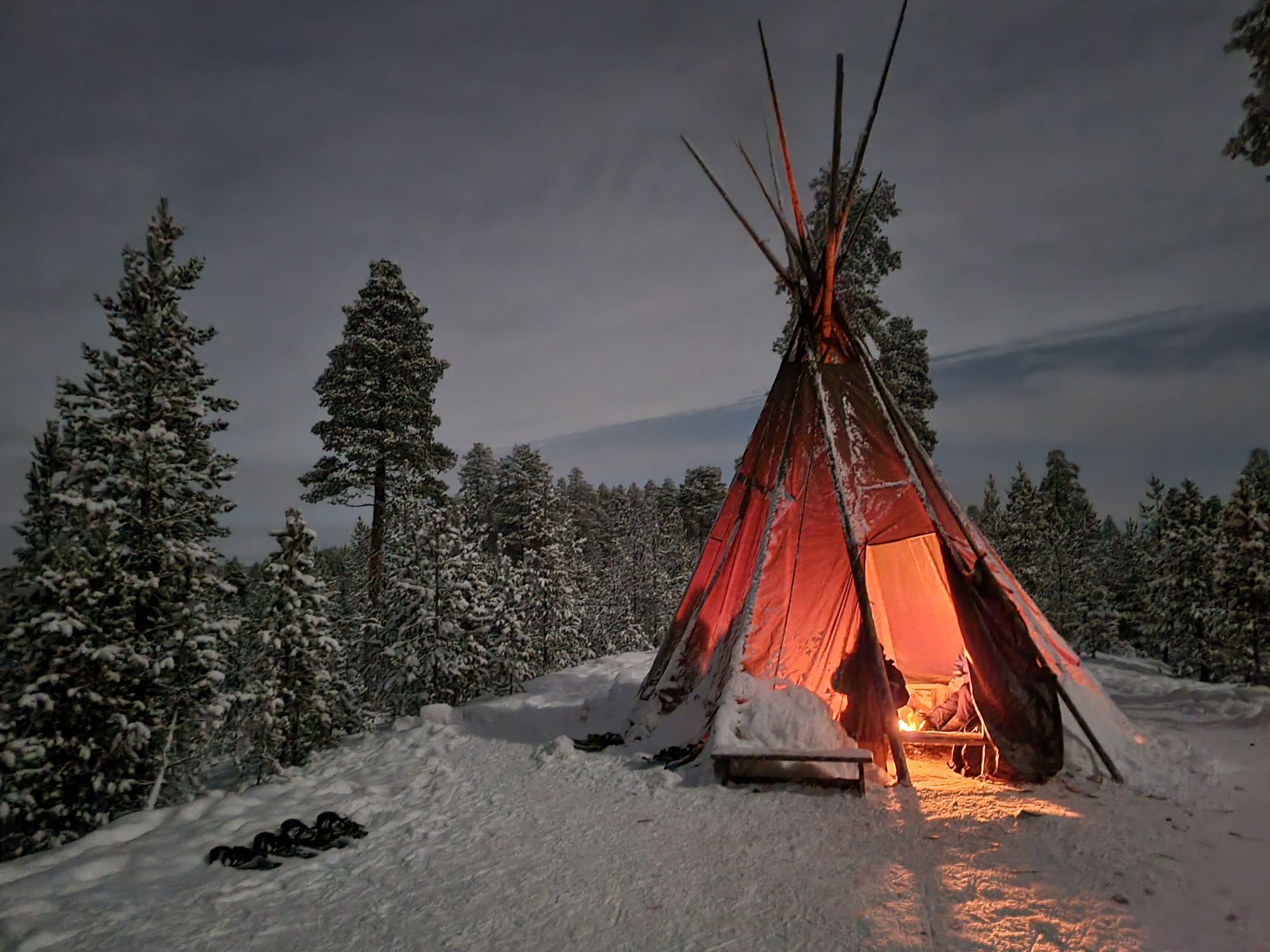
Lapland today exists as an easily consumable, pre-packaged travel experience—but its true face begins far beyond the tourist routes. In the world of endless snowfields and frozen lakes, there are still those who shape their daily lives in tune with the rhythm of nature, following their own rules. Petri’s story is not only about a unique way of life, but also about what it truly means to be present at the edge of the world.
Lapland is no longer just a secret paradise for adventurers; it has also become one of the favourite destinations of travel agencies. Hotels catering to the masses take you by the hand from the moment your plane lands until it departs, dress you in uniform overalls, and transport you in groups to attractions according to a prearranged schedule. Given the extreme conditions, this is understandable—this is not a place you arrive at as a backpacking explorer. Yet, if we truly want to get to know this region, it is worth stepping off the beaten path. The real Lapland reveals itself not at a photo point in front of a hotel, but in the endless silence of the snowfields, on frozen lakes, and beside a fire you build with your own hands. A place where the cold is not an enemy, but part of the experience.
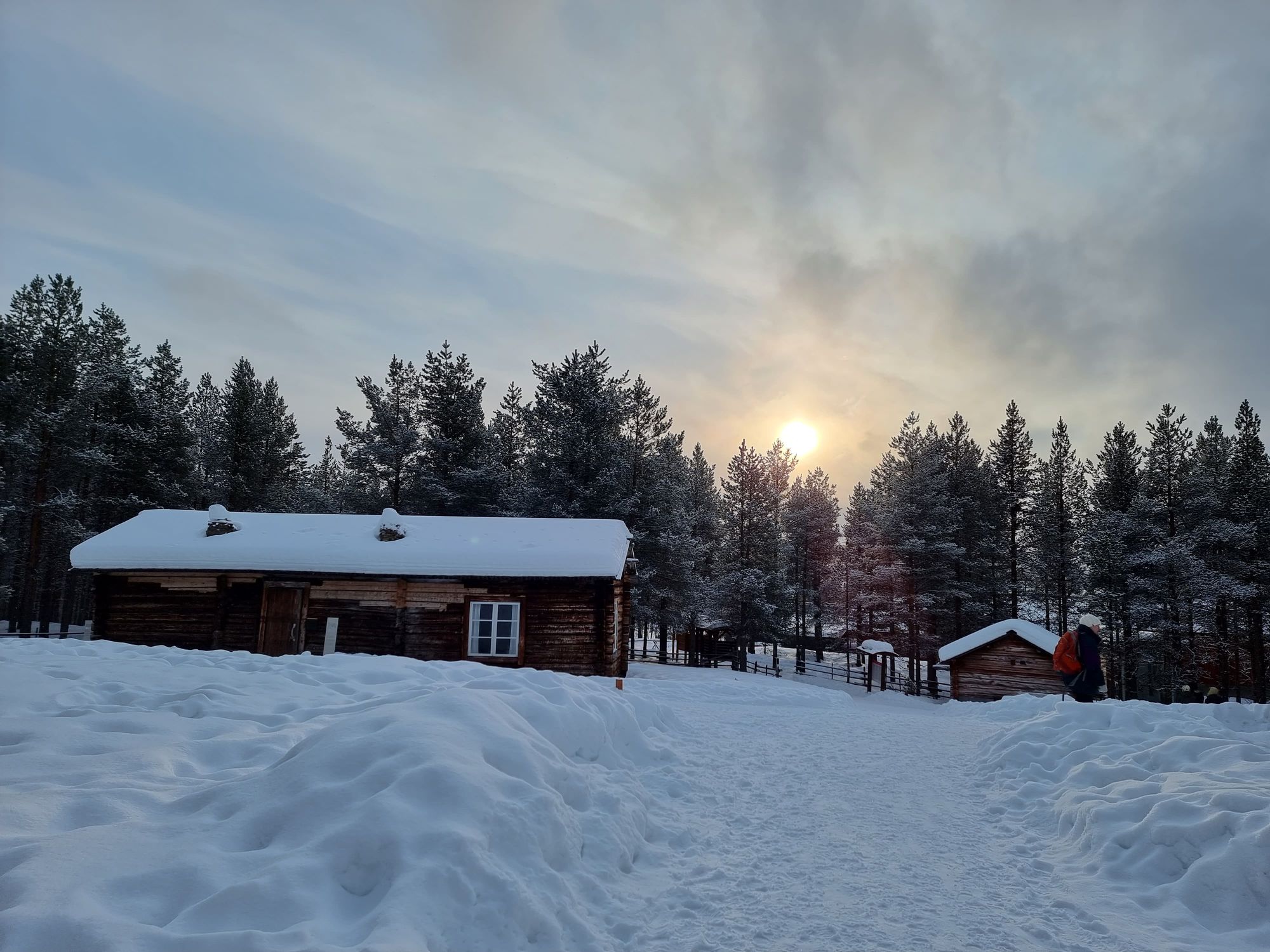
Lake Inari, the largest lake in Lapland, hides more than 3,000 islands. In winter, it is covered by ice so thick that marked routes and signs guide the way across it. Far from the last settlements, in a place accessible only by snowmobile or boat, in one of the most beautiful corners of the tundra, lives Petri, who nearly ten years ago decided to turn his back on the city for good. The new center of his life became a 200-year-old Sámi house, whose image can also be found in the local museum. Petri bought this house, and everything started from there. It was the only building that stood here when he arrived. He built the rest himself—the guest houses, the sauna, the storage buildings. Slowly, step by step. At his place, guests can taste truly local dishes, such as meals made from moose, traditional Finnish soups, freshly fried fish, or homemade rhubarb jam.
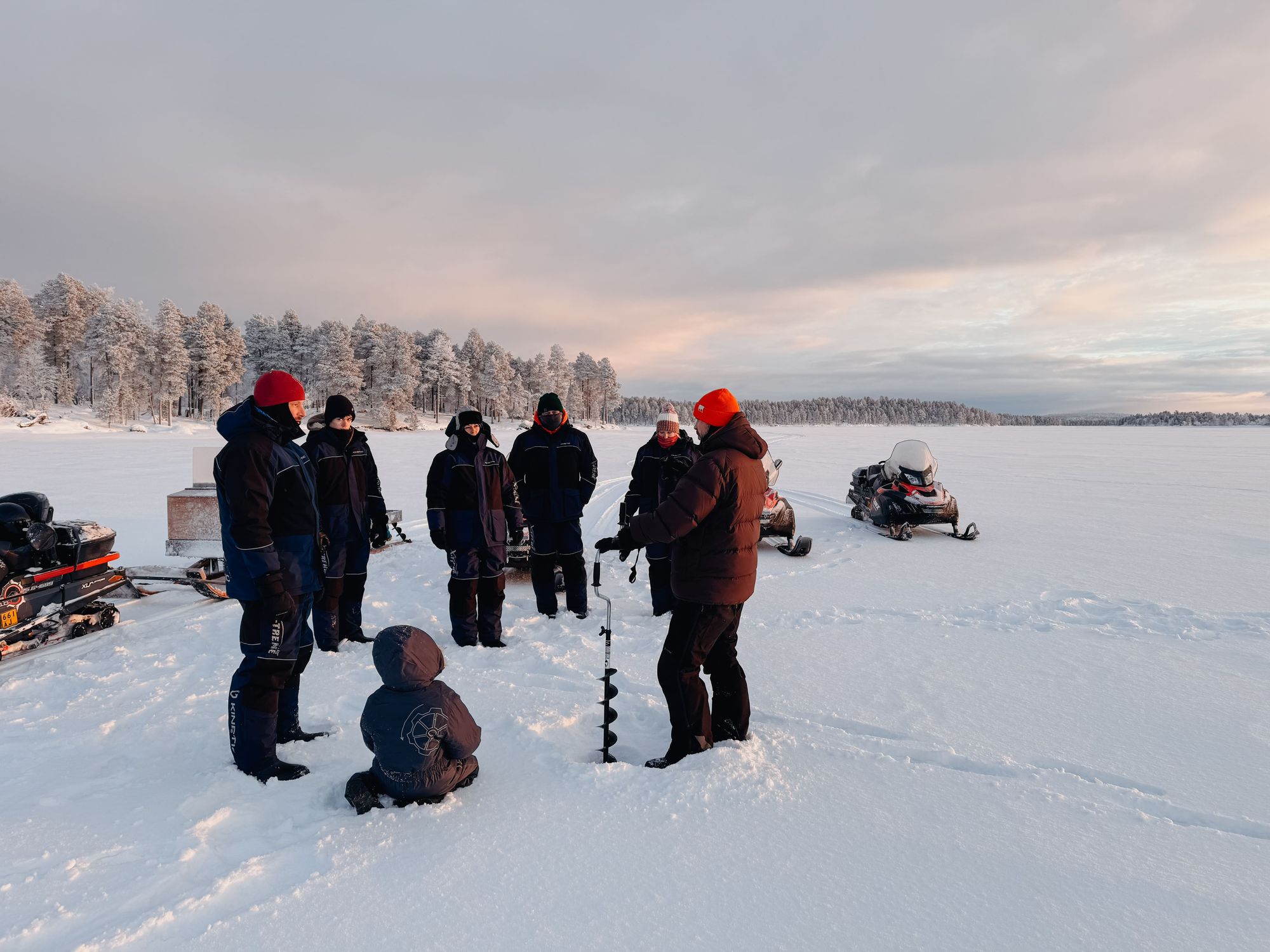
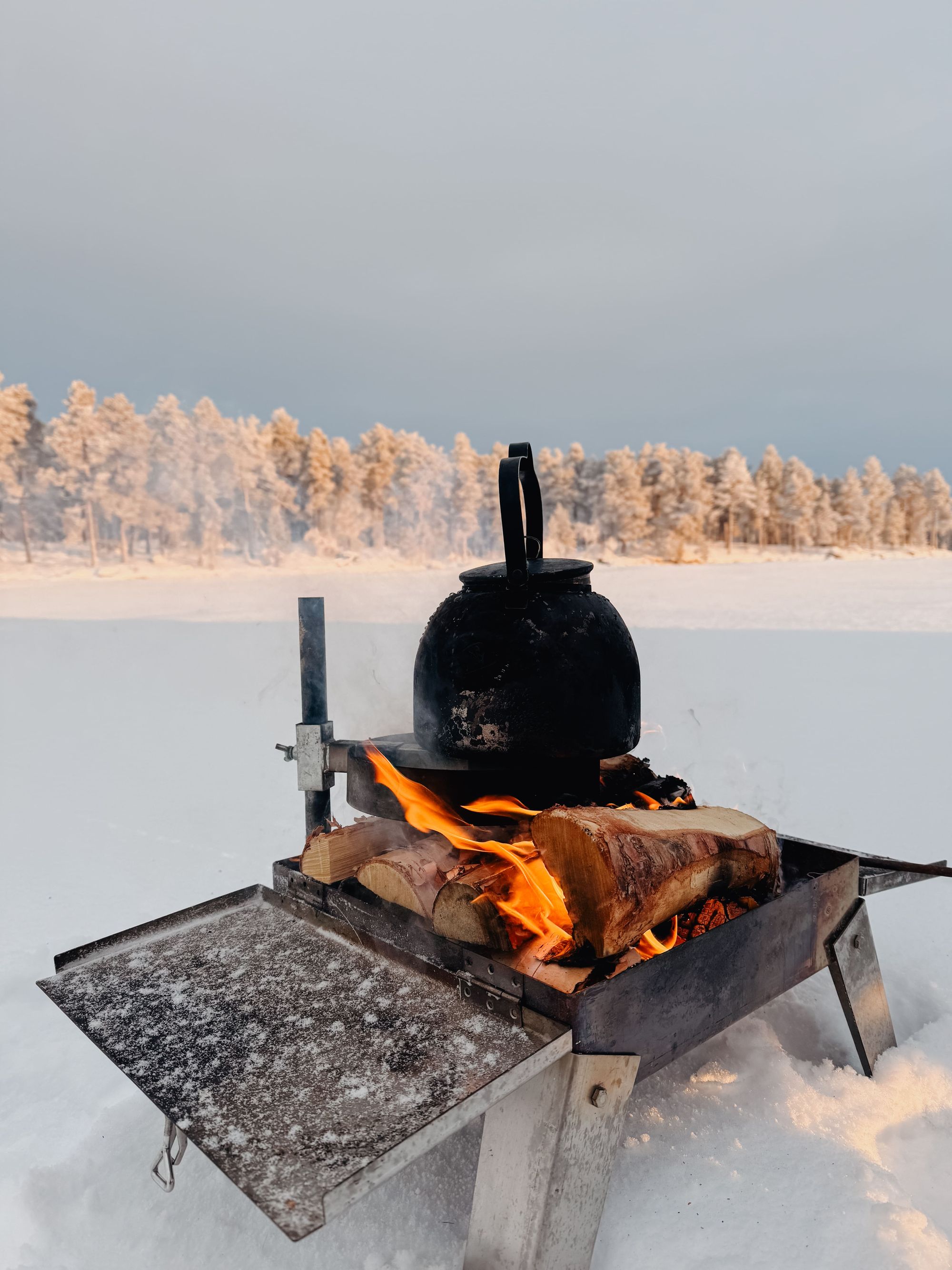
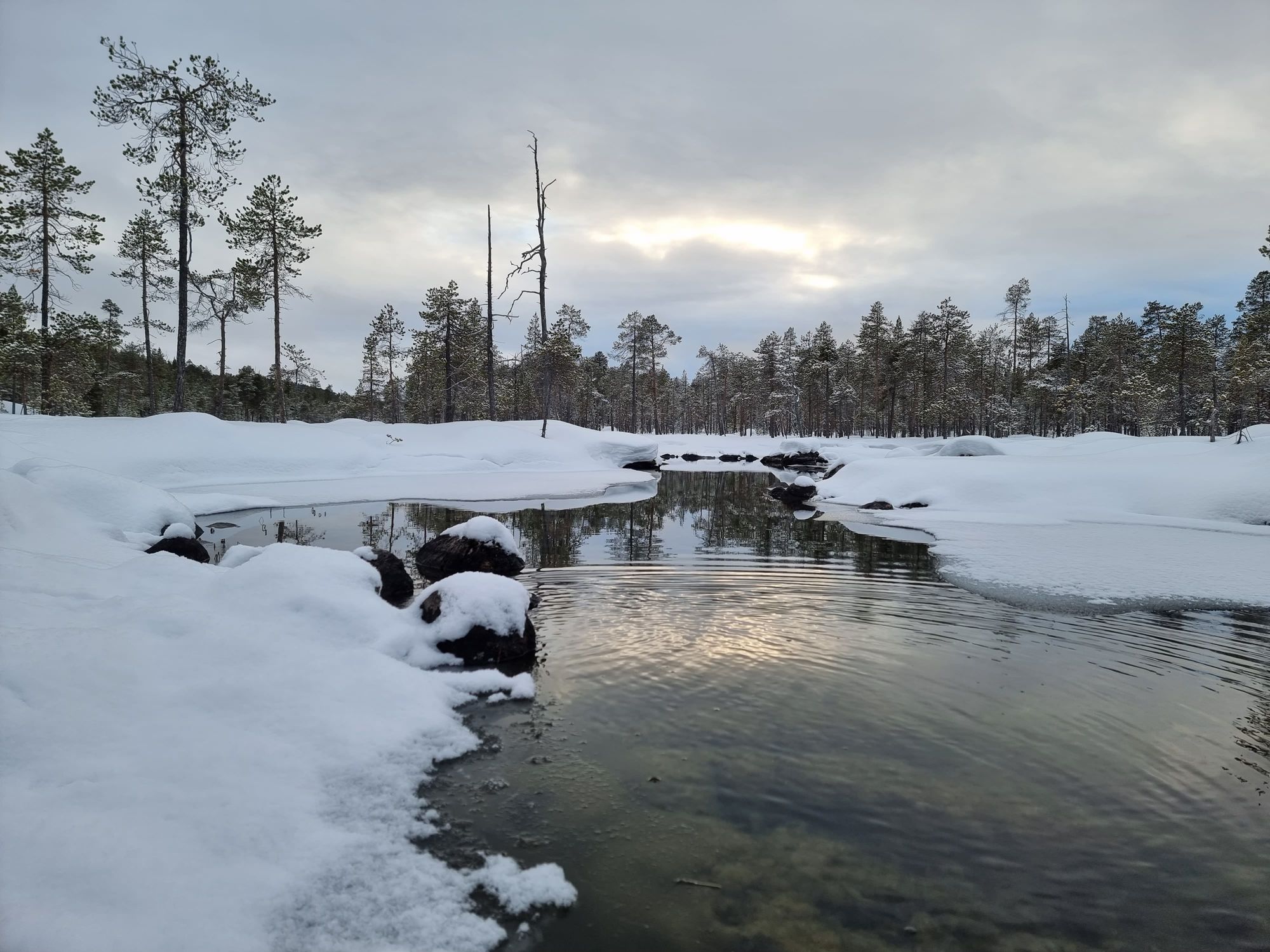
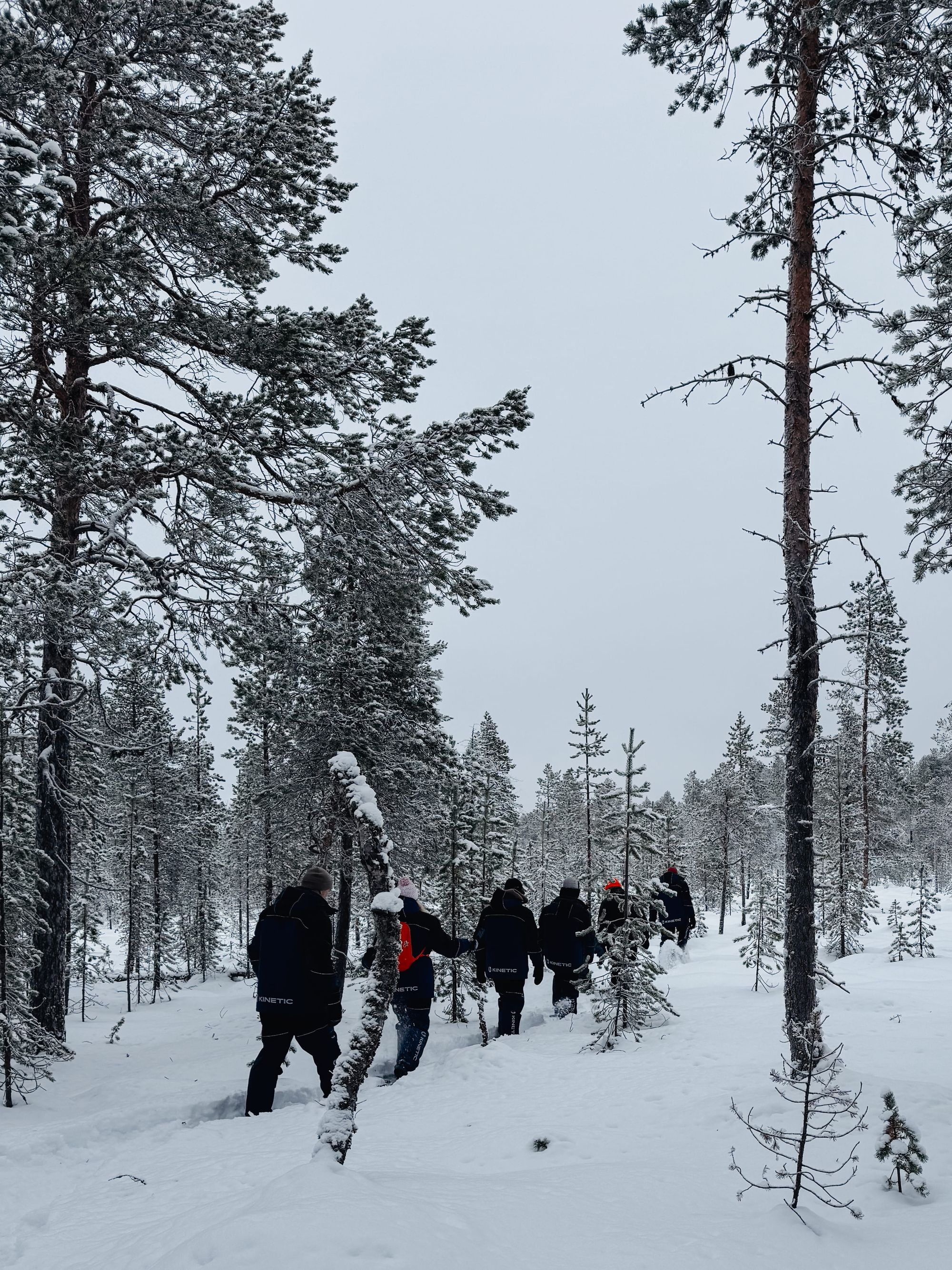
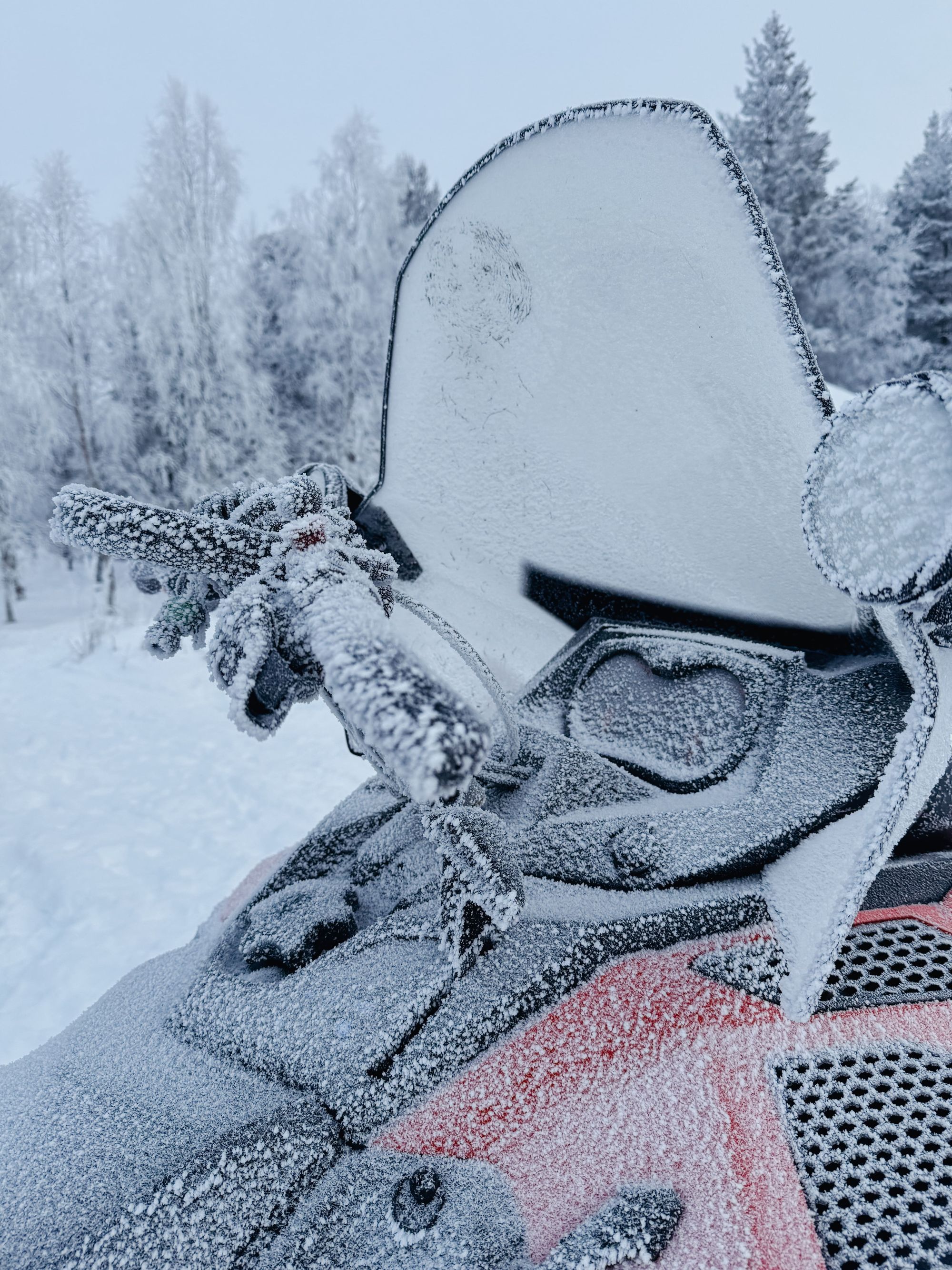
Petri hosts small groups and does not offer pre-packaged experiences. While on classic tours tourists cover about 30 kilometres with limited machines, here you can reach up to 250 kilometres in five days on serious 600cc snowmobiles. Gliding across the lake at a cruising speed of 60 km/h in the endless white landscape is a completely different experience. During snowmobiling, we always adjust to the pace of the slowest rider. The goal here is not to be faster, but to stay safe. The nearest hospital is hundreds of kilometers away, so every decision must be made responsibly. And if guests feel like trudging through the snow, forest skis or snowshoes come out, which can simply be strapped onto rubber boots—then it’s off into the tundra.
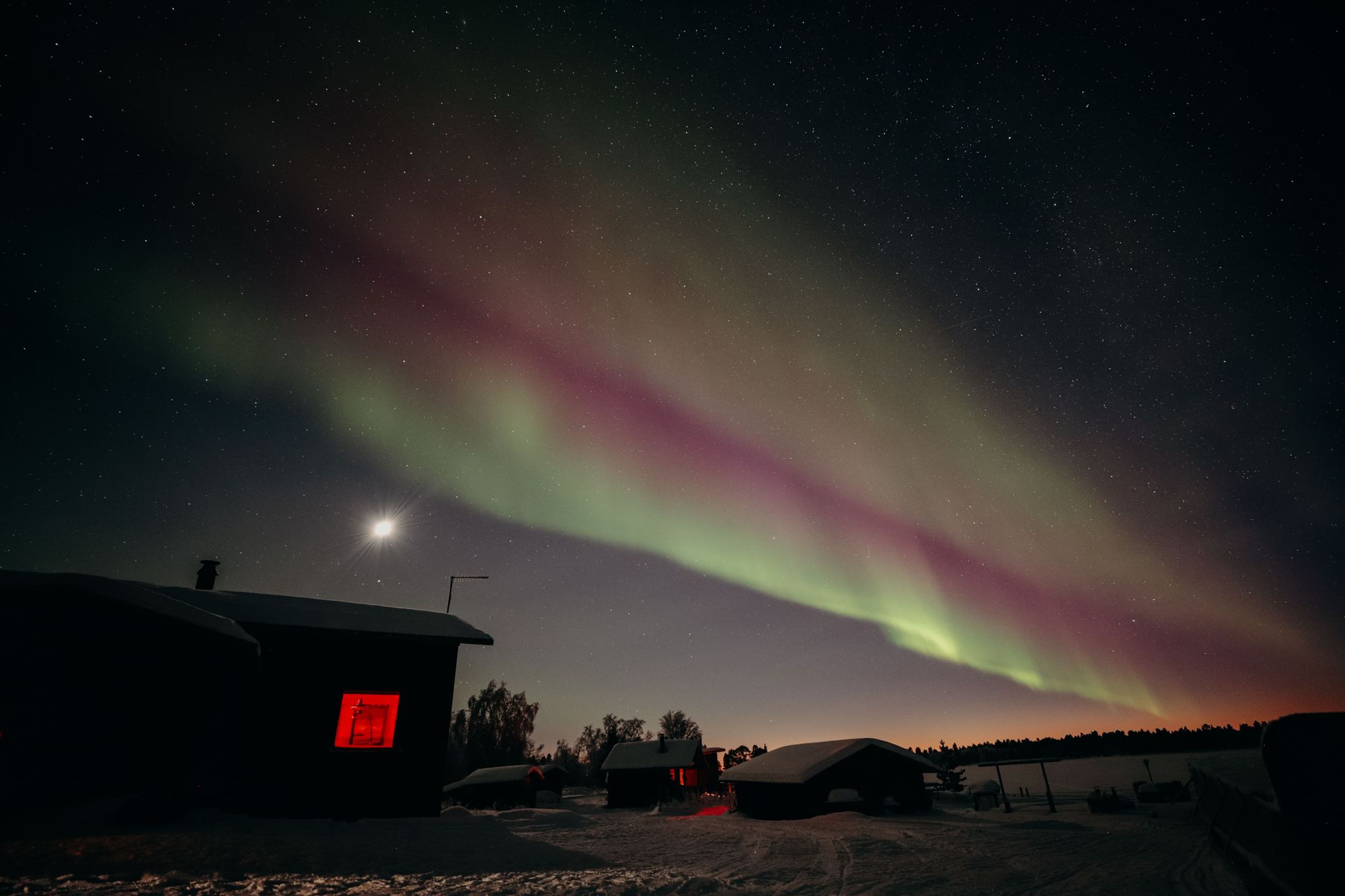
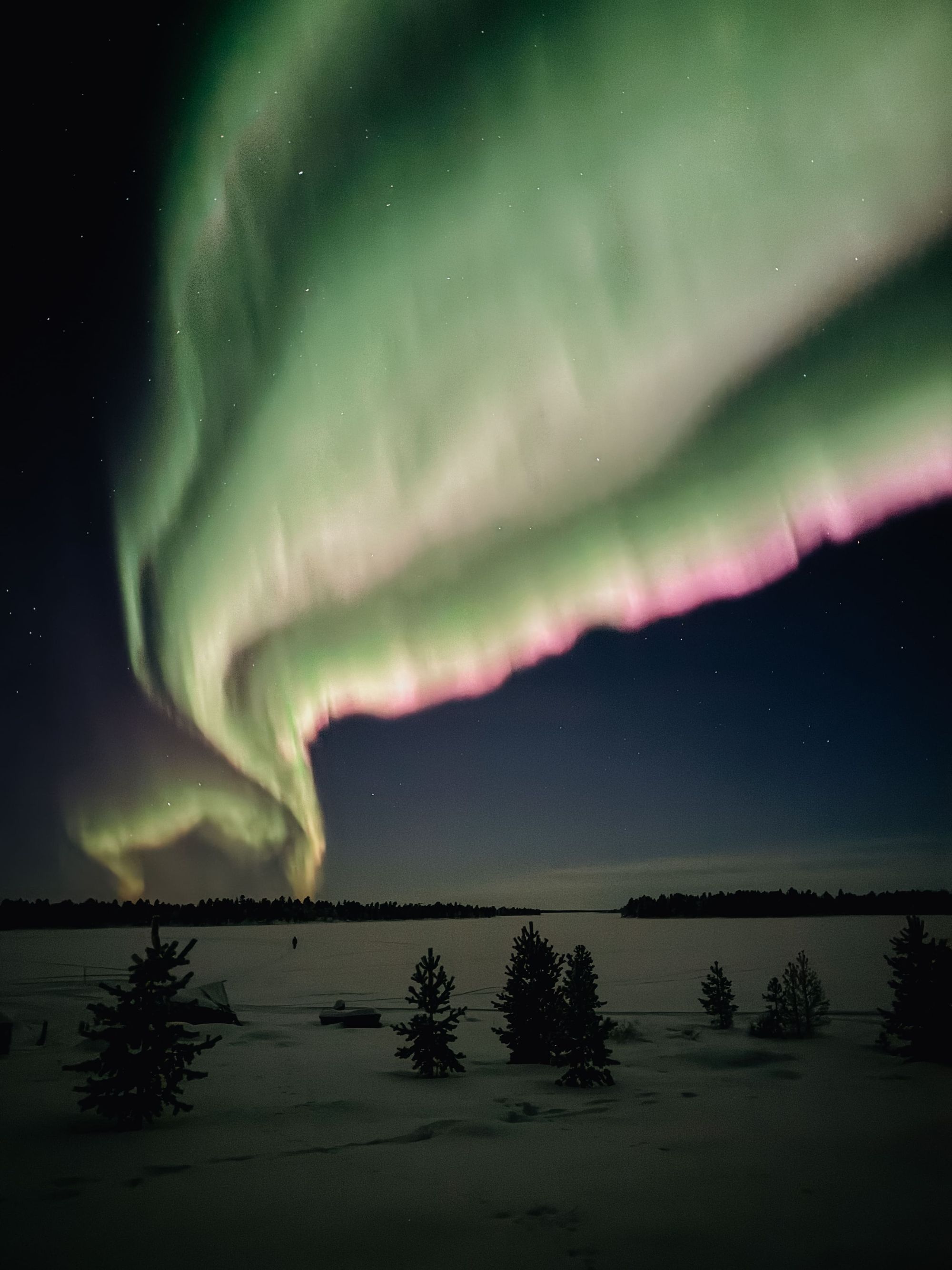
When you think the northern lights will be your greatest experience, but then realize that it is actually a person—living happily in the middle of nowhere with his dog—that means you’ve traveled well. After a place like this and a way of life like this, you no longer look at the world the same way—you become a little more, you see everything a little differently. Except, of course, the purple-green lights… those, unfortunately, you have to leave behind. Below, Petri tells us what brought her to the middle of the tundra and how she thrives in the harsh conditions
What brought you here, to the edge of the world?
Nature. The world that surrounds me here is completely different from the city. Everything is more real here. The light, the cold, the silence. As a child, I spent every school break in this area with my grandparents. We rowed on Lake Inari, went fishing, wandered through the forest. My grandfather also taught me how to hunt. Back then I didn’t think I would one day live here, but nature was always part of my life. After school, I worked in Rovaniemi for nearly ten years, in insurance and real estate. Office work, deadlines, constant rush. From the outside everything seemed fine, but inside I felt this was not my rhythm. At first, I only escaped back here on weekends, then after a while I didn’t want to go back to the city at all. In the end, I made the decision: I have one life, and I want to enjoy every moment of it—so I moved here.
What is an average day like for you?
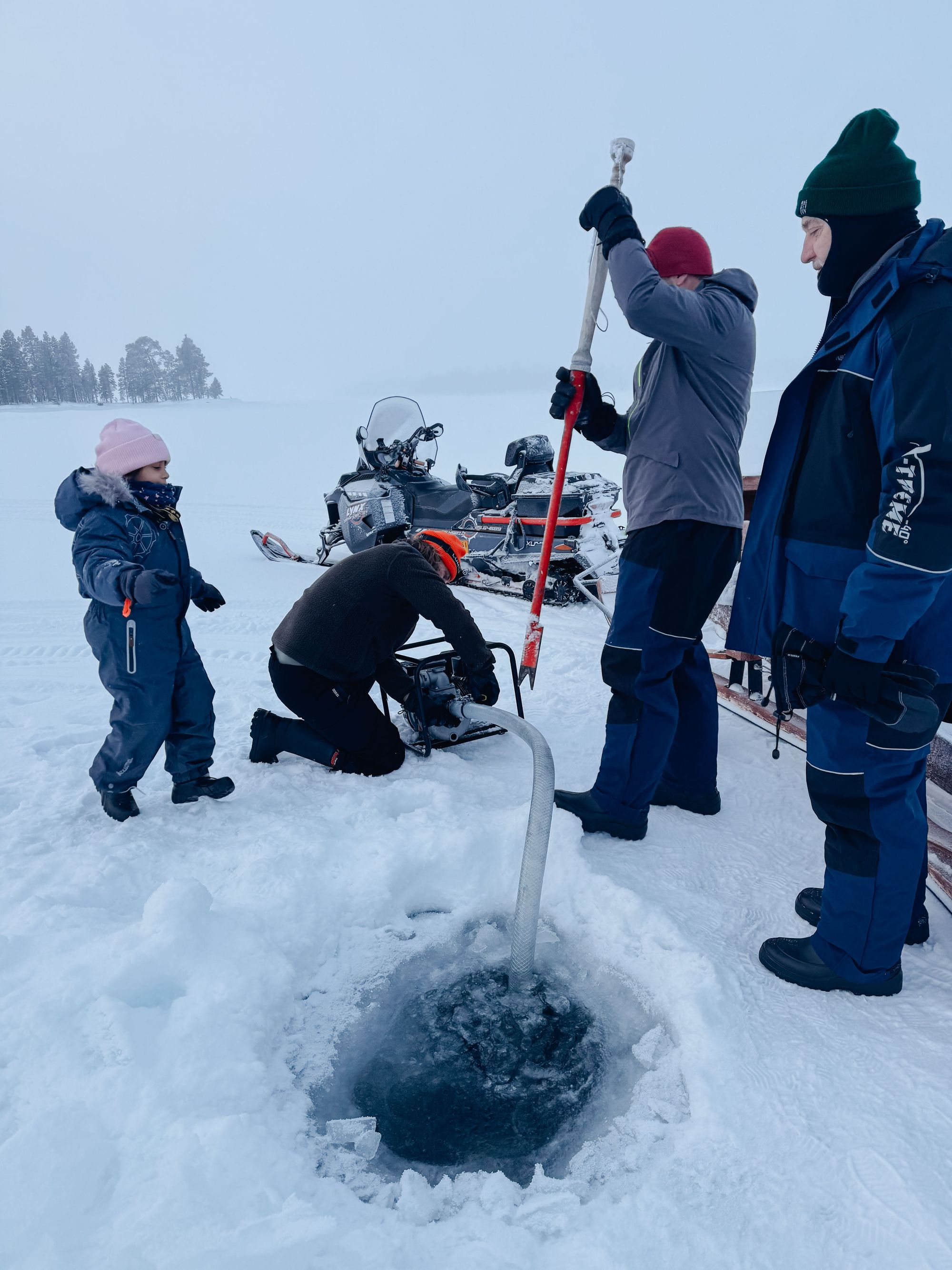
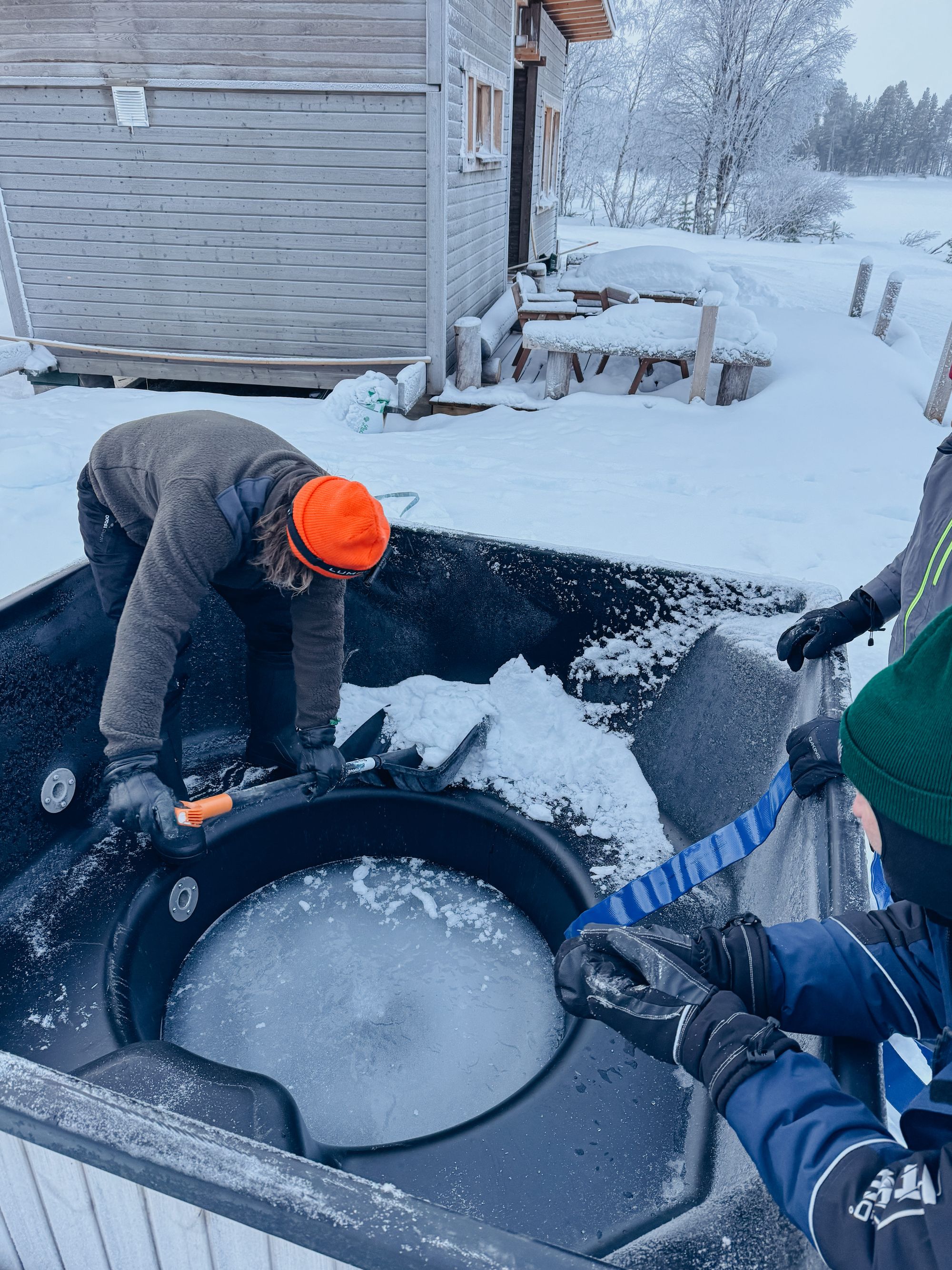
It’s hard to say there is an average day. The light, the weather, the seasons determine everything. I cook for the guests, chop wood, make fires, maintain the buildings. I take care of my dogs. I’m practically outside all day. Here, electricity, warmth, and food don’t come on their own—you have to work for everything. Filling the jacuzzi, for example, is a multi-day task: we cut a hole in the ice, pump water from the lake, then heat it for an entire day until it reaches the right temperature.
What is something you can never really get used to?
When the first real cold arrives each year, it always surprises me. At -20°C, you already feel on your face that winter has returned. And -40°C is tough even if it’s been cold for months. The body adapts, but it always takes a few days. The polar night is a serious mental challenge. In December, there is barely any daylight—just a few hours of faint light. Many people feel more tired during this time. But this period is also an opportunity to pay more attention to yourself. Do you need more sleep? More movement? More silence? When you see the sun again above the lake in mid-January, you appreciate the light in a completely different way.
How do you manage food?
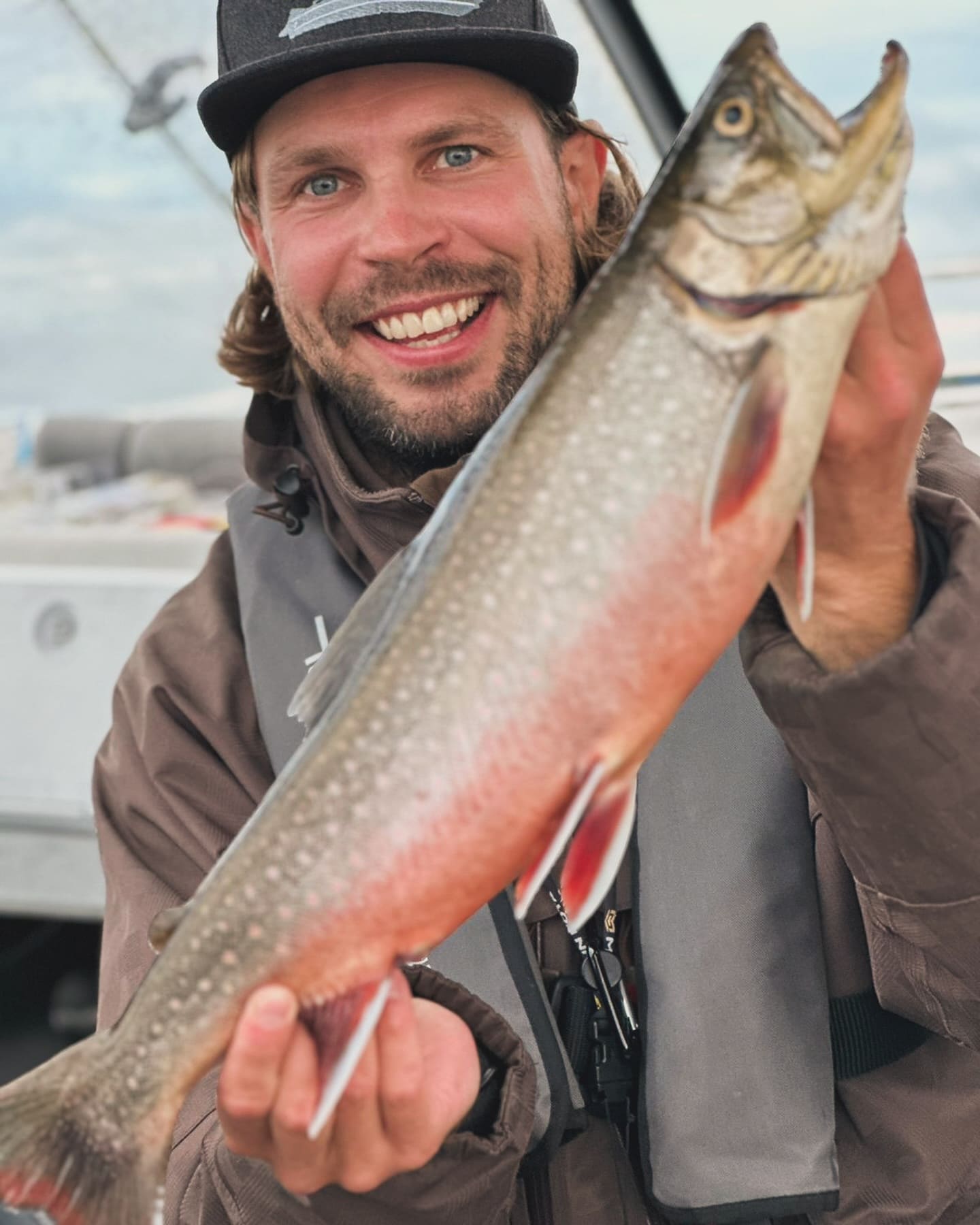
Most of the food comes from nature—the fish, for example, from the lake just a few meters away. Guests often catch it themselves, clean it, and we prepare it together. It becomes a completely different experience—you know where your food comes from. As for meat, moose and reindeer are on the table. I’ve been hunting since childhood. For nearly twenty years, I haven’t bought meat or fish from a store. I only eat what I catch or shoot myself. I take only as much from nature as I need—so that it can provide again next year.
Don’t you ever feel lonely?
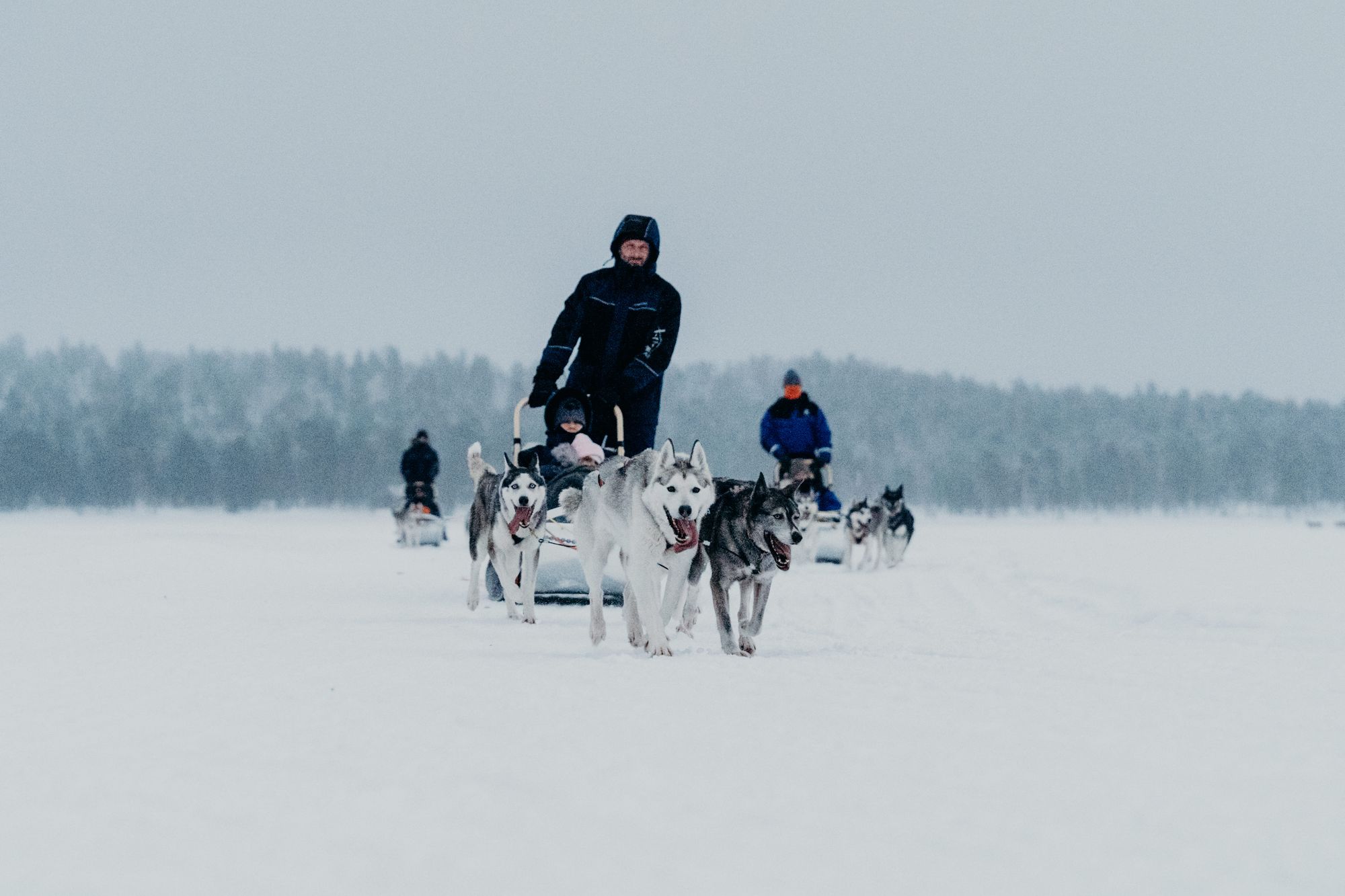
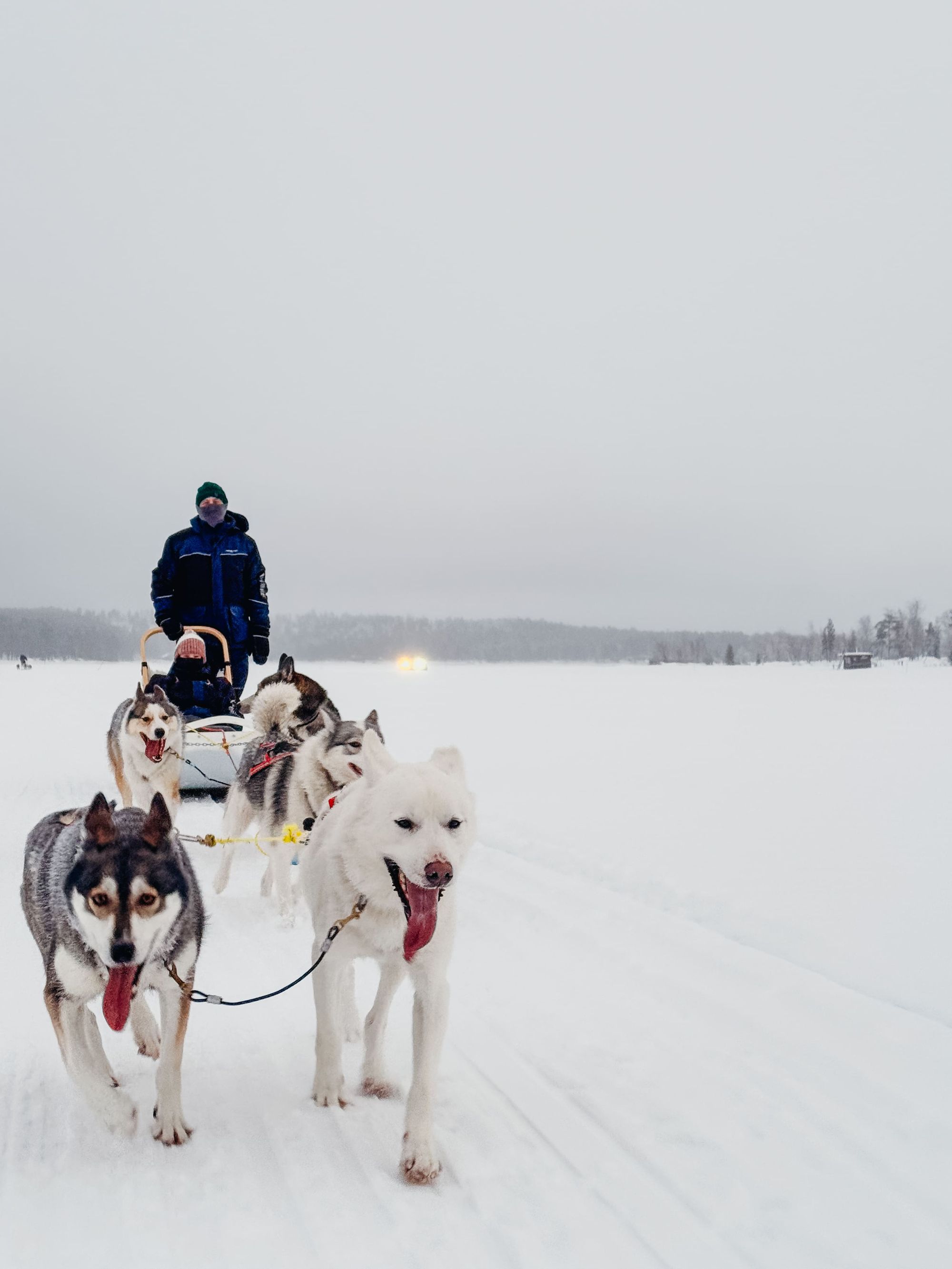
No. I am alone, but not lonely. My dogs are my companions: Elli and Elza. There’s always something to do with them—hunting, running, working together.
What do you think about Finland being one of the happiest countries in the world?
I can agree with that. Lapland is vast, but fewer than 200,000 people live here—there are more reindeer than people. There is space, there is silence, there is no constant noise or artificial light. I think part of happiness is having your own space. Not having to constantly adapt to the crowd.
What is the most important thing in the wilderness?
Your mental state. You have to learn to be alone. When you are alone, you think more clearly. But if we’re talking about tools, I always carry matches and a knife in my pocket. Fire is a basic necessity. A phone is useful at most for emergencies, although there is not always reception. But if you are not in the right mindset, no tool will help you.
What unspoken rules did you have to learn among the Sámi?
The most important word is respect. The Sámi have their own history, their own traditions, and their own way of life. The first rule is that you accept this. You don’t start by asking, “Why do you do it this way?” First you observe, you understand, and you respect what was here before you.
Do you see a difference between younger and older Sámi generations?
It used to be easier to recognize them by their clothing. Older people wore traditional dress more often to make their identity visible. Today this is more tied to special occasions. However, the younger generation has started learning the Sámi language again in schools. I think in ten years we will hear it much more in everyday life. The culture hasn’t disappeared—it has just transformed.
Does everyone still herd reindeer today?
No. There are reindeer herders, but many people work in healthcare, trade, or completely different fields. Many study in other cities, even in other countries. Sámi identity today no longer represents just a single way of life. Moreover, reindeer herding itself has completely transformed. Today it is not only practiced by Sámi, and herds are fed, monitored by helicopter, guided by snowmobile, and kept in enclosures. That is why, during our tours, we try to find wild reindeer with our groups—it is far more exciting to come across them in the forest than to watch them behind fences as part of guided tours.
Photos and text: GoBeyond