


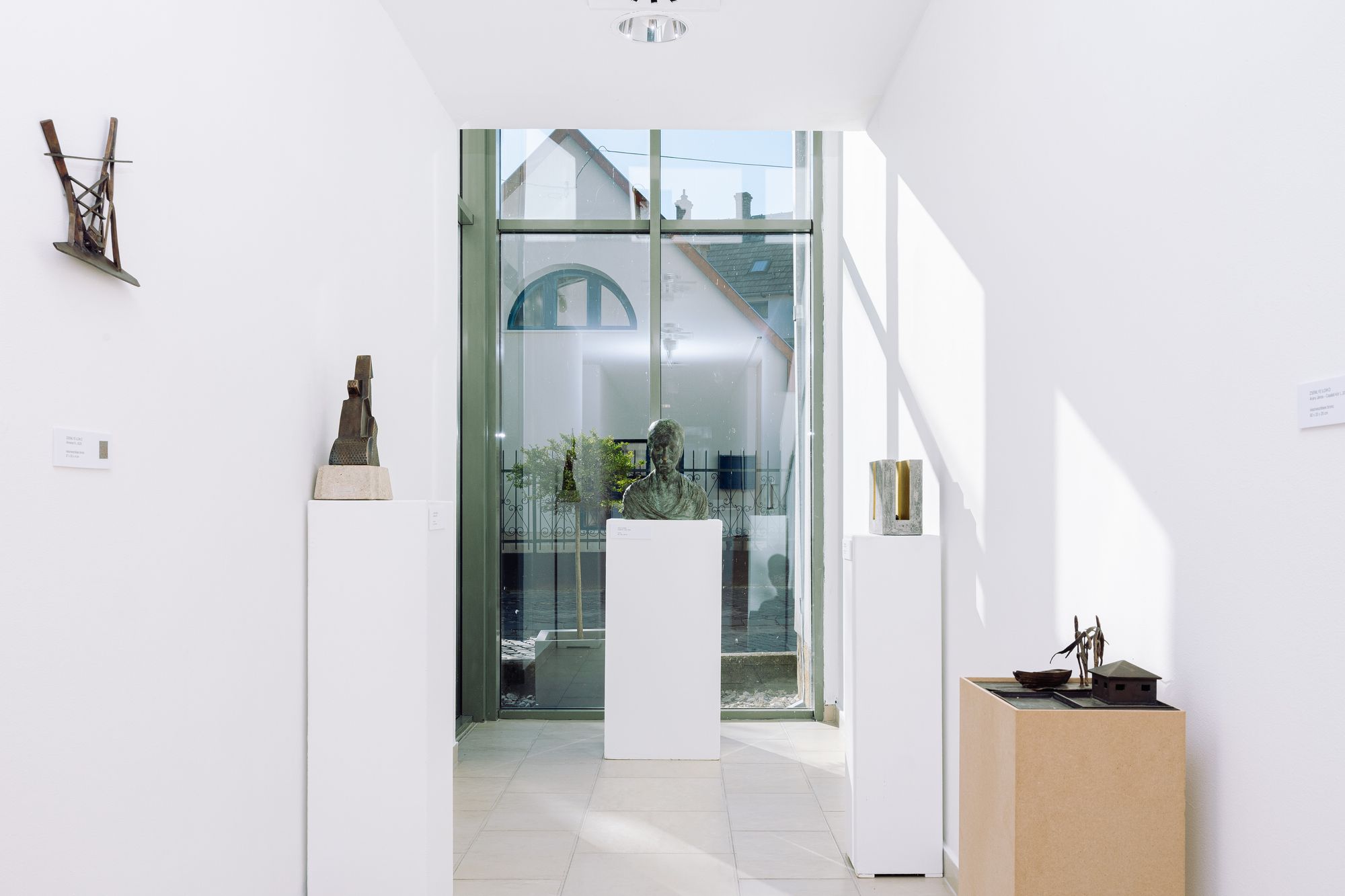
“Szentendre is beautiful, and in July, cicadas sing at the foot of the pines. If I close my eyes, I could believe the sea is near.” – Béla Hamvas
The Szentendre Old Artists’ Colony offers a true refuge from the rush of the outside world. It is a place where the shade of leafy trees and the distant murmur of the Danube river guard the memory of the great masters of the past—nearly a hundred years of history. Within the walls of the artists’ studios, the spirit of Szentendre’s art still resonates, while today’s creators tell new stories.
The atmosphere of Szentendre and the charm of its winding streets have been captured in countless ways. There is something in this small town that inspires creation—perhaps the closeness of the Danube, the rolling hillsides, or the flood of light on hot summer days. It is no coincidence that artists such as Béla Hamvas, Lajos Vajda, and Jenő Barcsay lived and worked here. Today’s creators follow in their footsteps, carrying forward Szentendre’s artistic legacy.
Anyone who steps through the gate of the Old Artists’ Colony is overcome by a strange, exalted feeling—as if entering a sanctuary where secrets lie hidden, understood only by those initiated into the work taking place behind closed doors. And once someone has been here, they never forget it—their heart will always be drawn back, whether as colleague, artist, or guest.
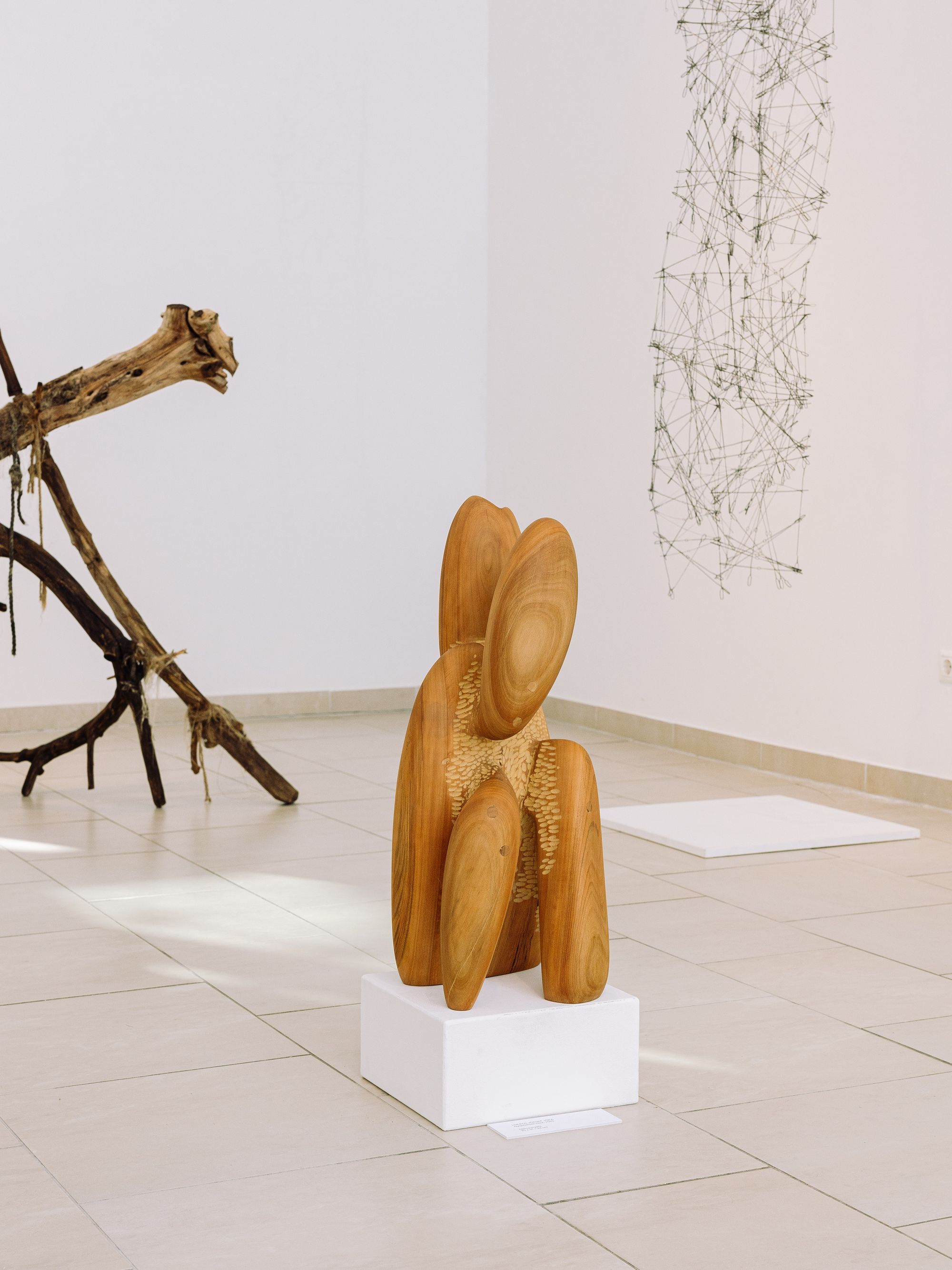
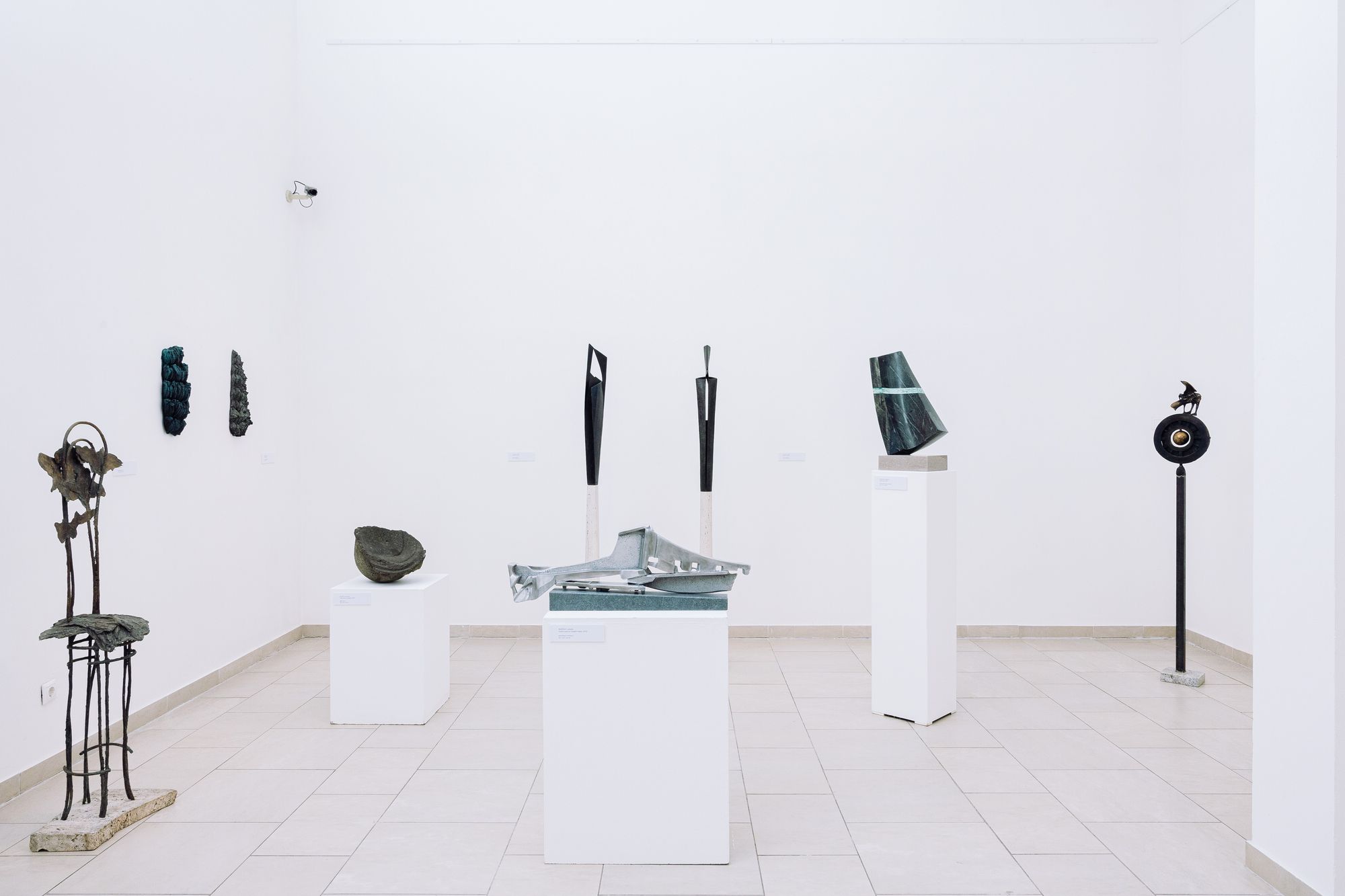
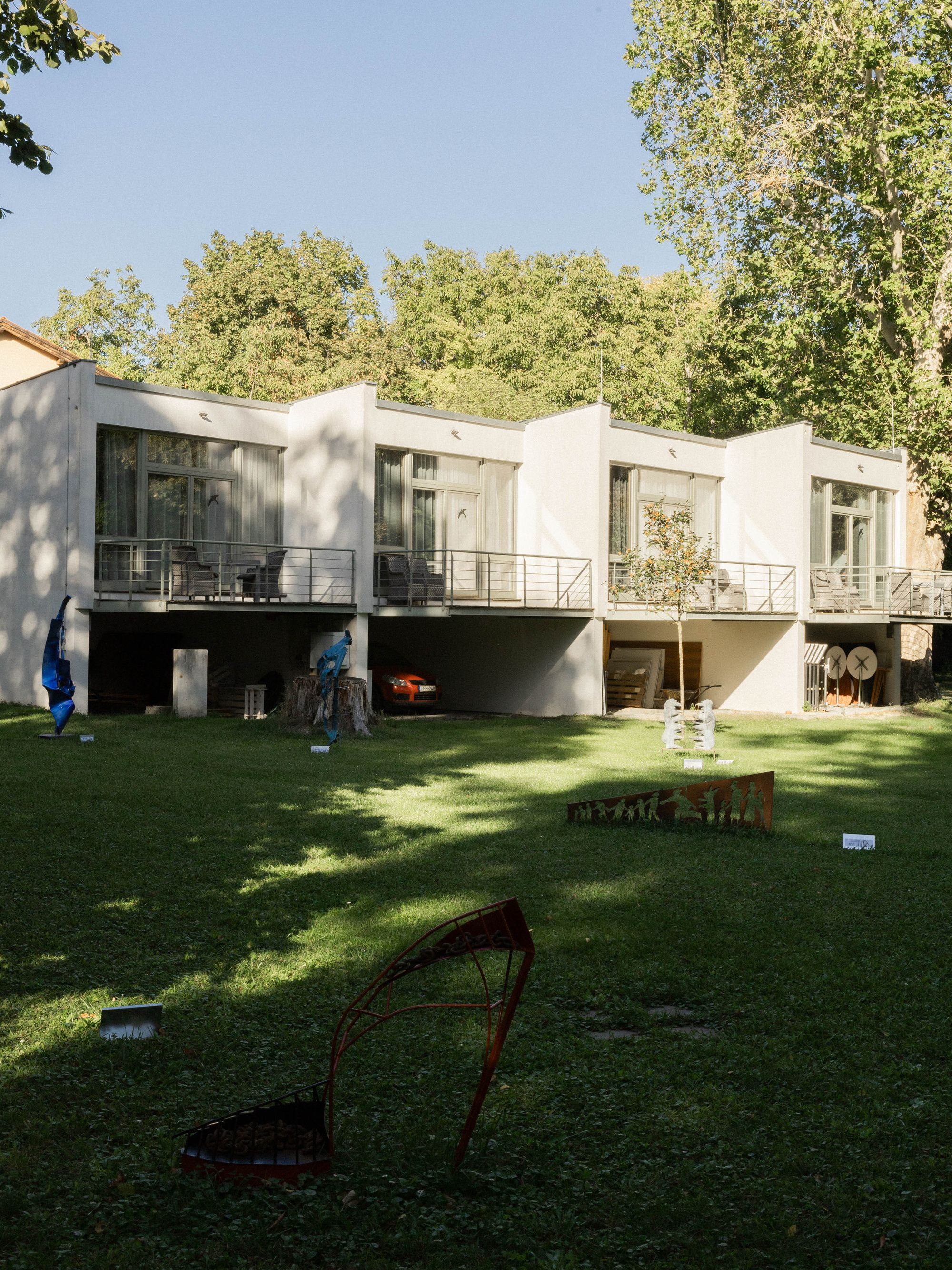
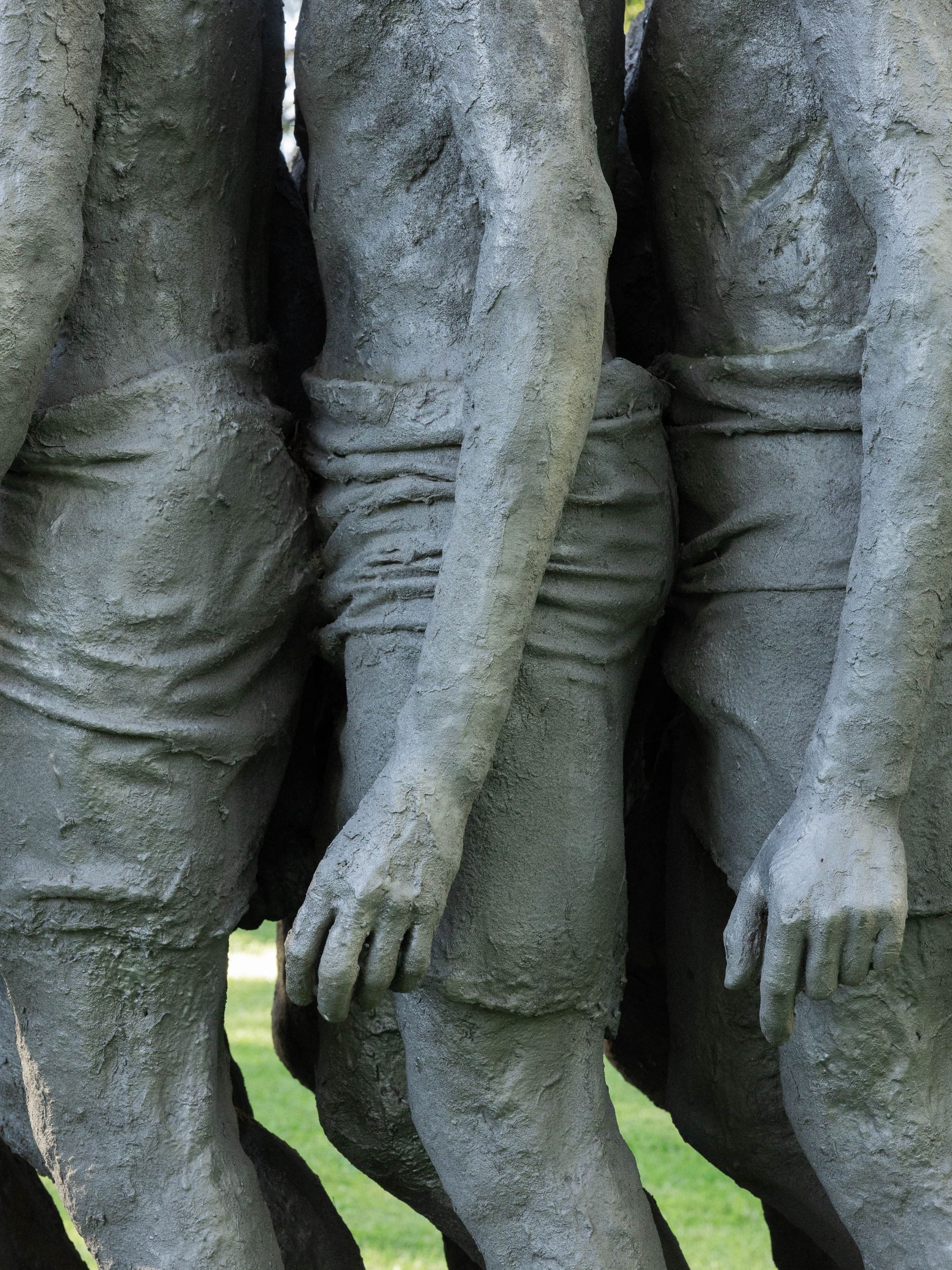
“A lively city legend surrounds the founding of the Colony. One of the founders, Jenő Paizs Goebel’s brother, was a journalist. During an interview, the mayor mentioned to him that there was a large green area at the edge of town that they had not yet found a use for. The brother then suggested: ‘Give it to the starving artists.’ That is how the story began—at least, that is how we remember it.” – recalls Dr. Noémi Jusztusz, Head of the Creative Arts Department at the Petőfi Cultural Agency.For her, leading the Colony is guided by personal conviction and a sense of mission. She wishes to share the treasures found here and the love of art with everyone through the right tools.
“My goal is to make art a natural part of our lives—for the freedom of self-expression and the joy of creation enrich everyday existence. Our task is to respect traditions while also showing something new to contemporary audiences, inviting them into contemplation.”
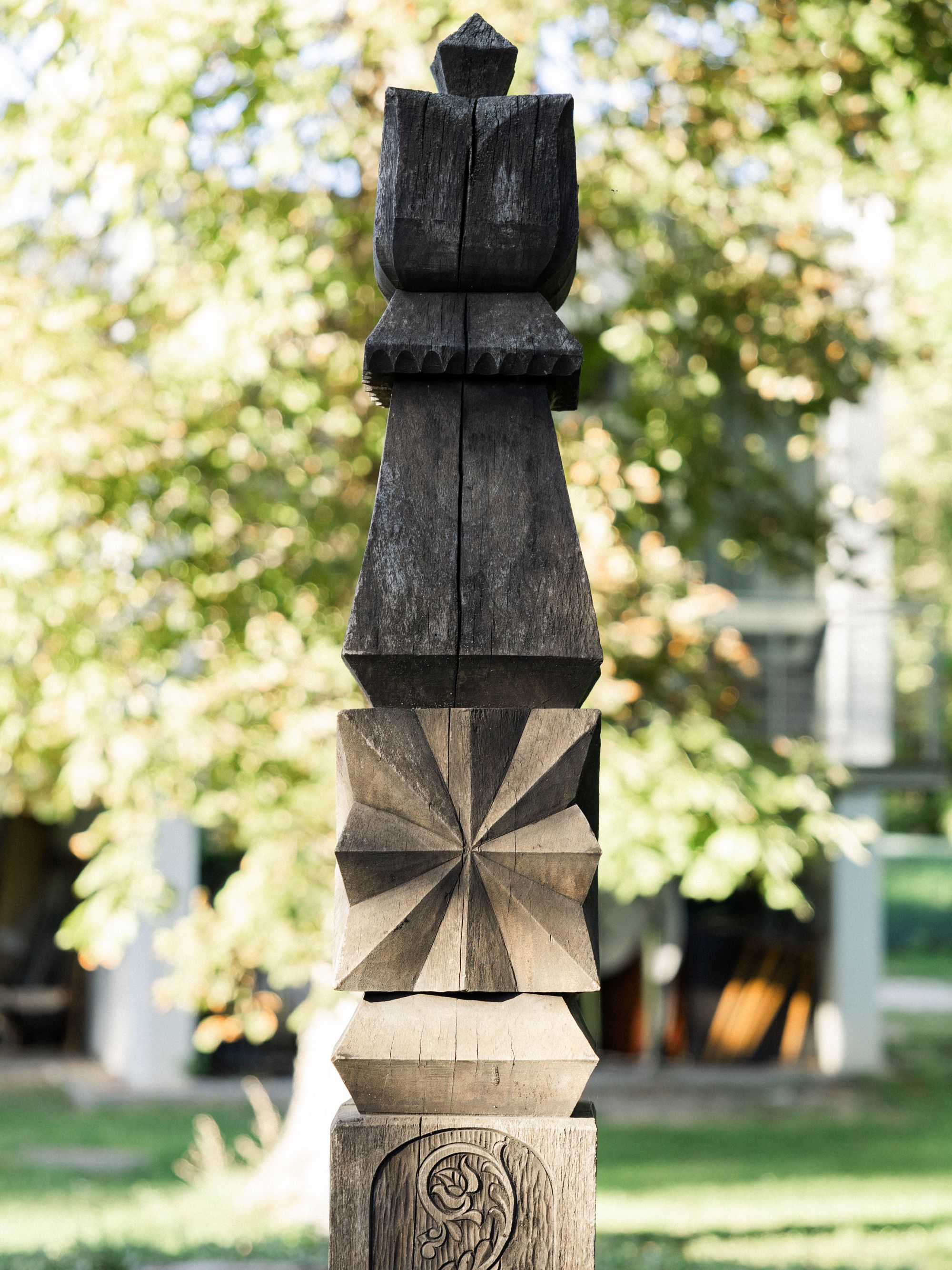
The memory of the founders is still actively preserved today. Of the twelve studios, eight still bear their names: Jenő Paizs Goebel, Ernő Jeges, Henrik Heintz, Béla Onódi, József Bánáti Sverák, Miklós Bánovszky, Lajos Pándy, and László Rozgonyi. These eight young art students took over the former Colony in 1926, intending to carry forward the traditions of the Nagybánya Artists’ Colony, from which they had been separated after the war. In 1928, they founded the Society of Szentendre Painters. Its success confirmed that Szentendre was worthy of continuing the Nagybánya legacy.
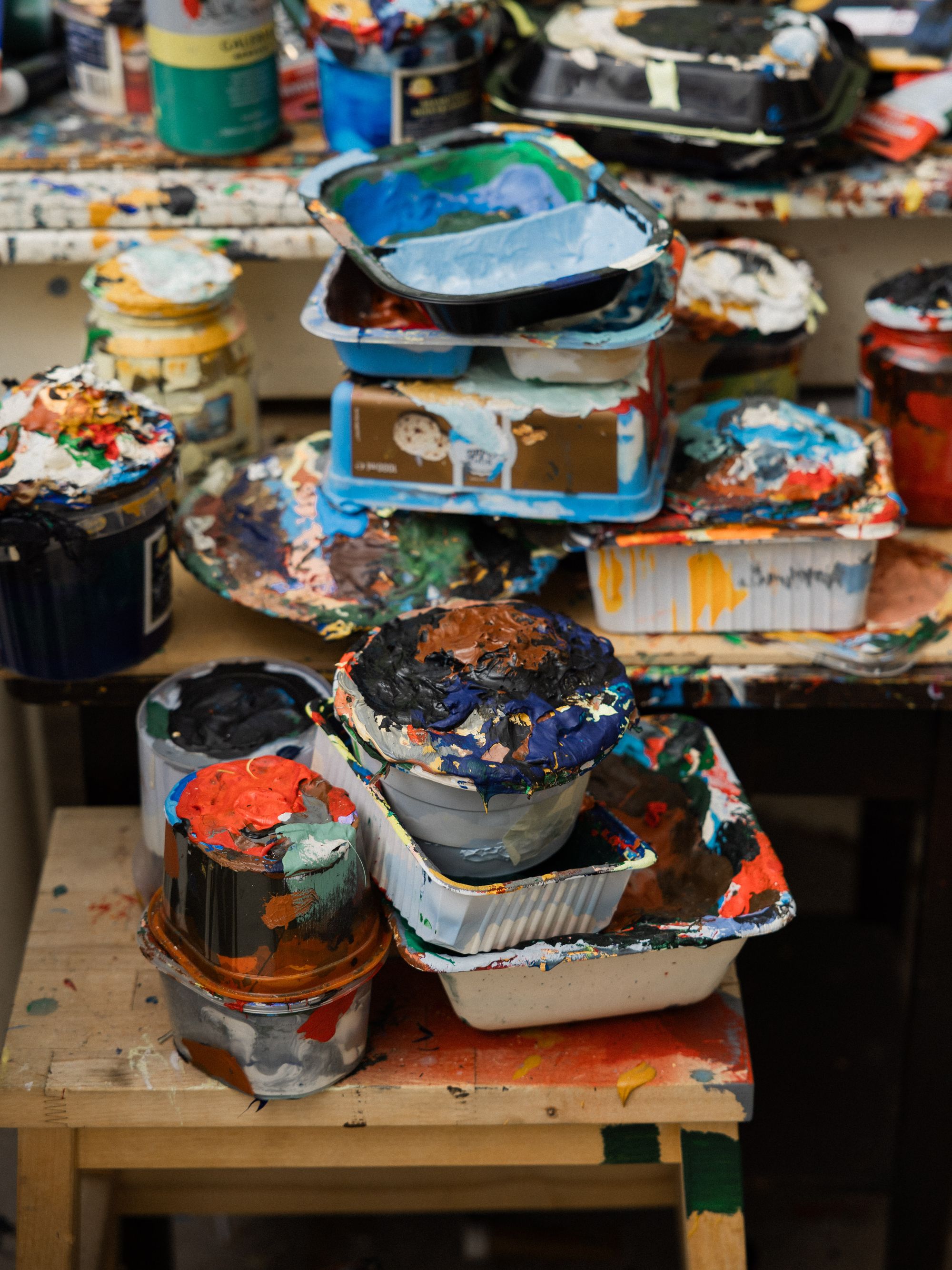
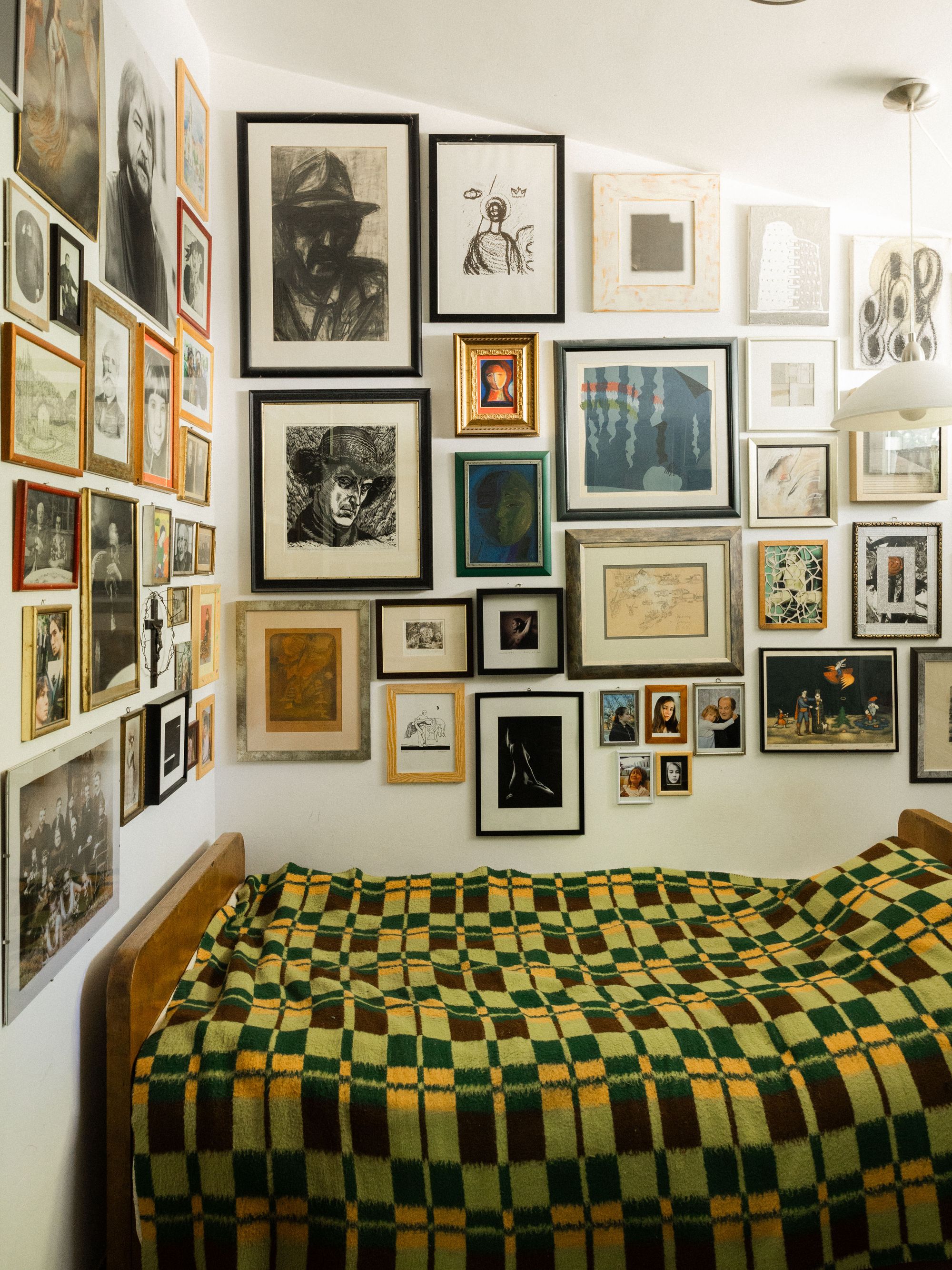
What makes the Old Artists’ Colony truly special goes beyond the fact of studio rentals—it is not merely a location, but a community, a shared spirit that has always drawn artists who could align with its values. Today, ten artists create here on a daily basis: János Aknay, István Vilmos Balogh, József Baksai, Zoltán Bánföldi, Péter Bereznai, József Buhály, Judit Horváth Lóczi, Amarilla Knyihár, Aleksz Krizbai, and Henrik Martin.
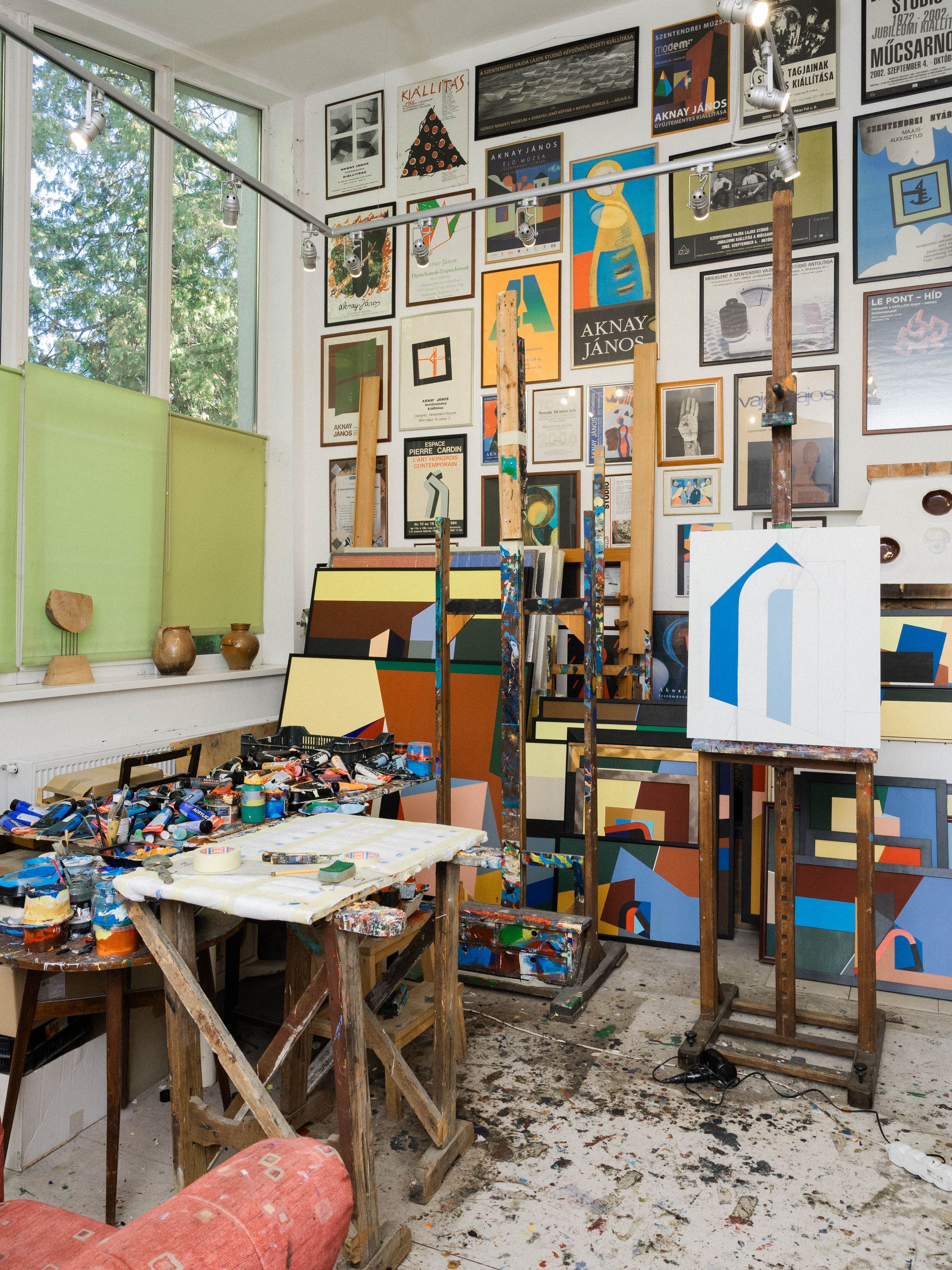
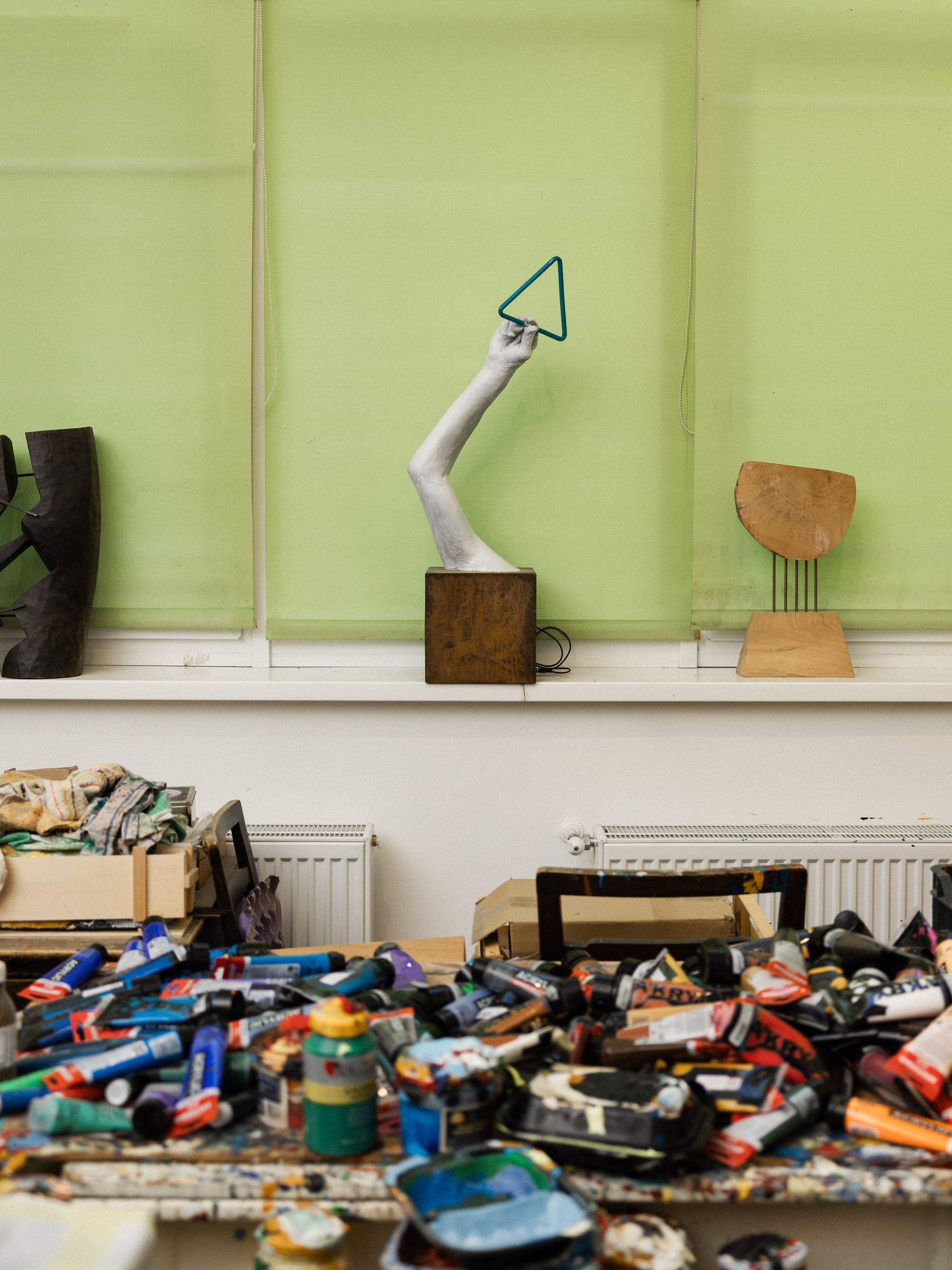
“I have been a member of the Colony since 1992. The older generation gradually faded out, and new artists arrived; there were times when the residents of the studios changed every three years. Today, about nine or ten of us work here regularly. Many of us live in Szentendre. For me, the studio is my ‘second home’ - I am here almost every day. This is not a career bound by age, I continue my work because it has always felt like my calling in life.” – says János Aknay, recipient of the Artist of the Nation title and the Kossuth Prize, a leading figure of Szentendre’s post-geometric movement.
This secret garden inevitably raises the question: how does it affect the town it inhabits, and does Szentendrean art have a unique identity? While no single unified style ever emerged, there are recurring forms that are unmistakably “Szentendrean.” The two most popular tendencies—geometric abstraction and organic art are closely linked to this milieu.
For Aknay, personal connection is key: “As a Hungarian artist, I can be present on the international stage, yet it means a lot that there is a local tradition that—if not consciously, then instinctively—I could connect my work to. Looking back over the arc of my retrospective exhibitions, I see the logic of how the periods built upon one another, and how the older masters influenced me, both as a person and as an artist. I feel fortunate to have met those who shaped the directions of Hungarian art. One realizes that belonging to this canon is both an honor and a responsibility.”
Representing the younger generation, Judit Horváth Lóczi, Barcsay Prize-winning visual artist, joined the Colony in 2020. For her, it serves primarily as a spiritual base: “The moment I enter the garden, I shift into a completely different state of mind: I let go of the burdens of everyday life and focus solely on creating. This place is a protected bubble for me. Of course, one must pay attention to changes in the art world, but the foundation the Colony provides remains steady. The energies here, the giant trees, and the atmosphere of the space carry a sacred power felt by everyone who enters.”
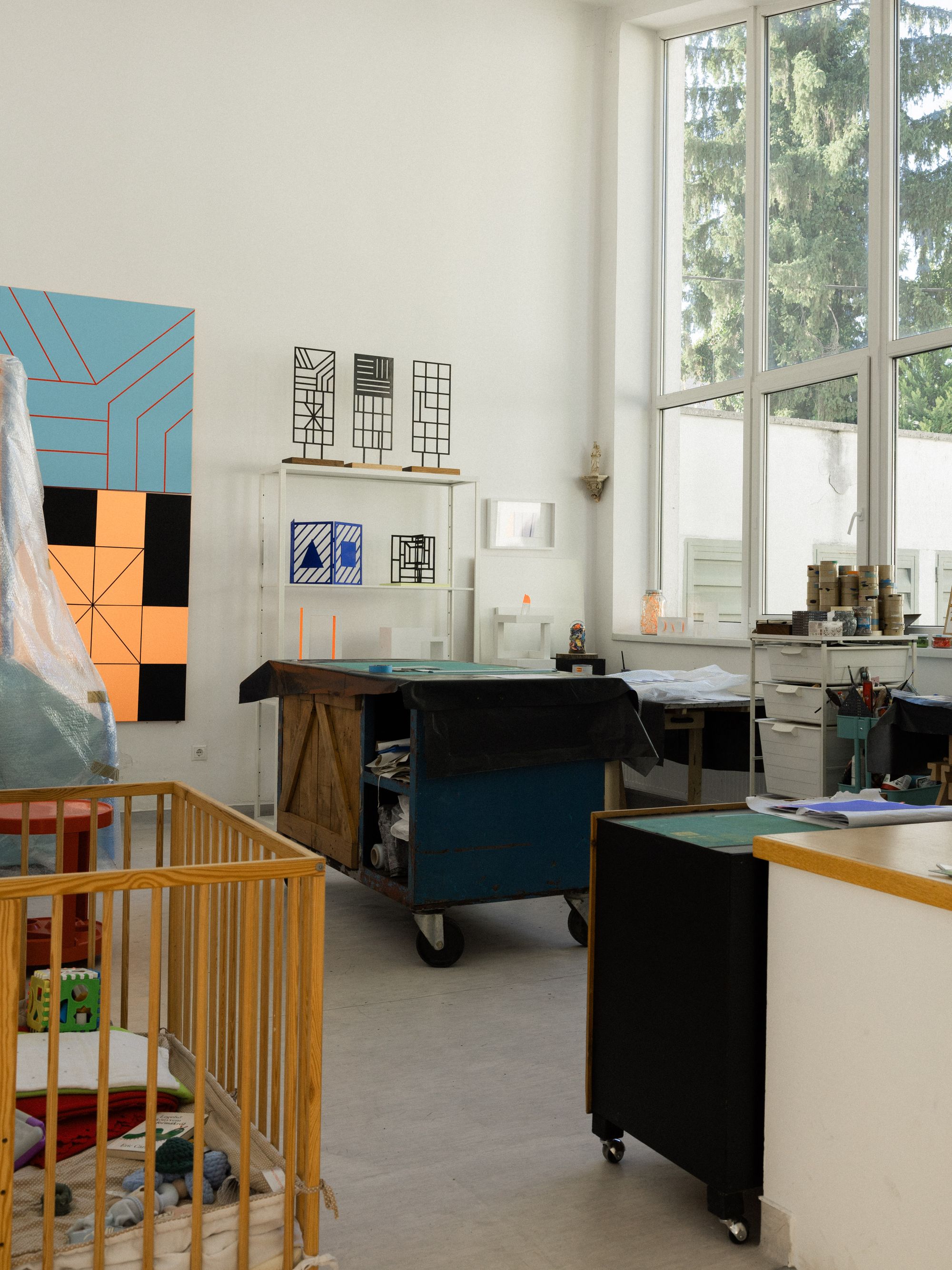
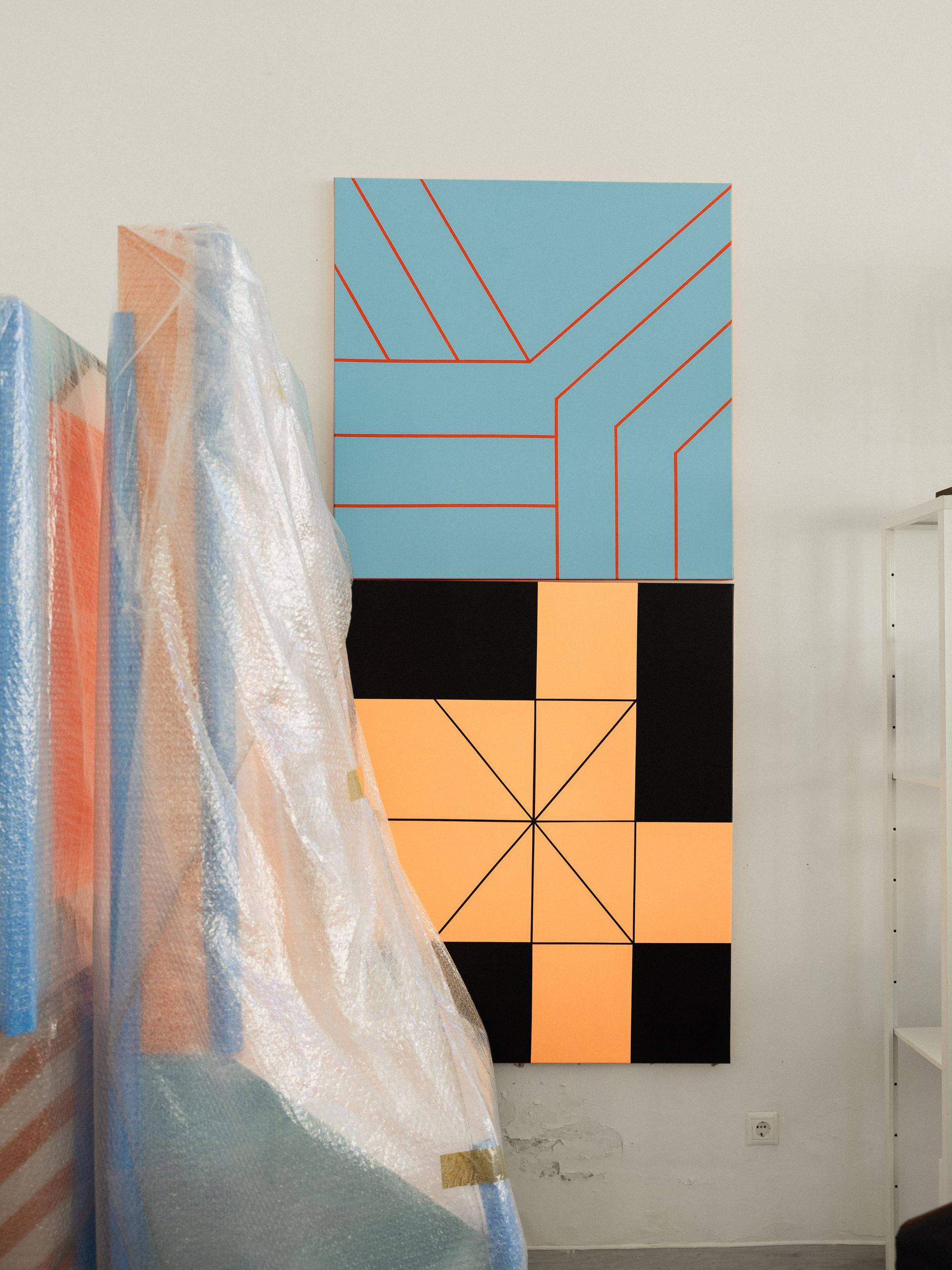
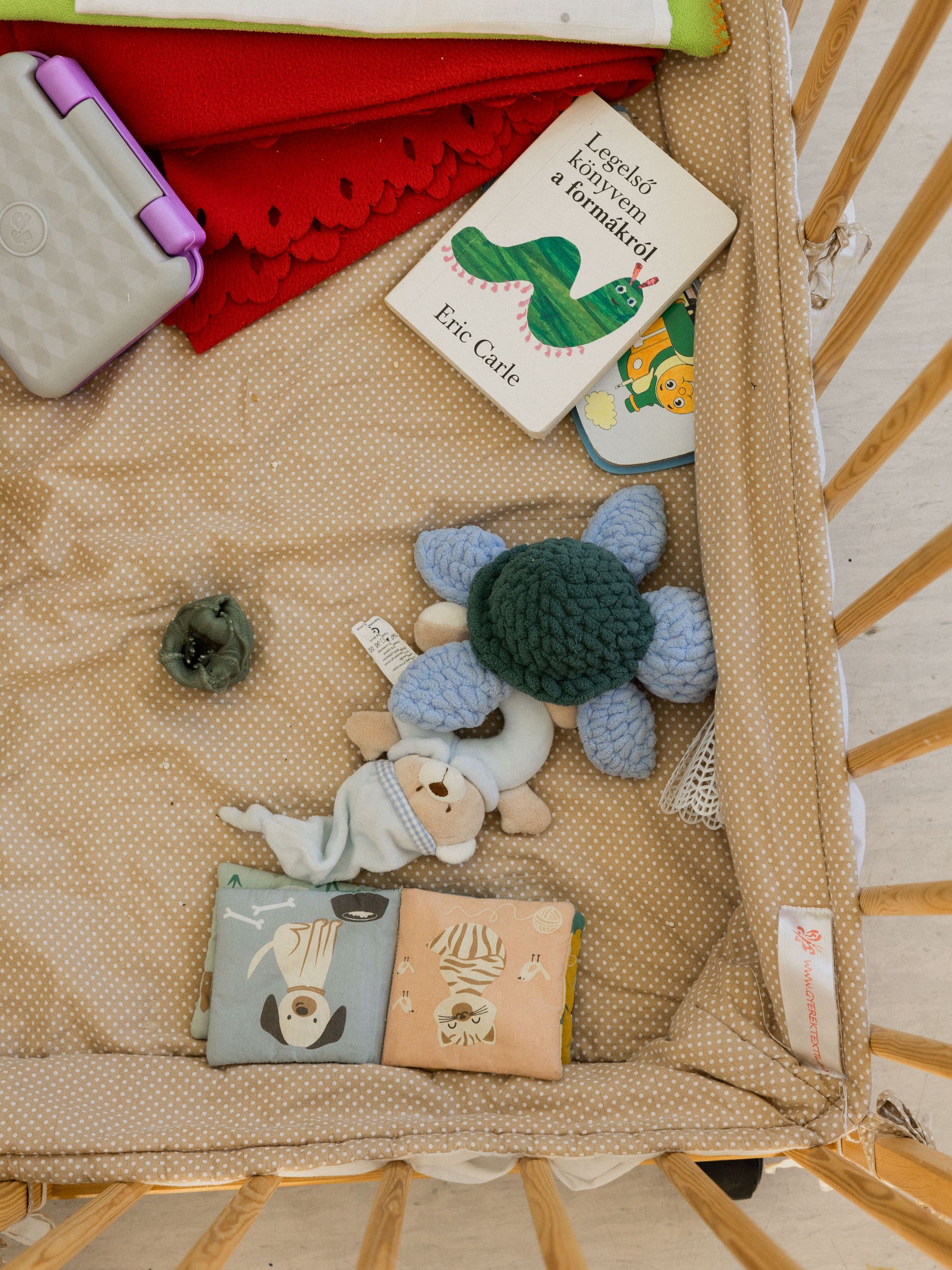
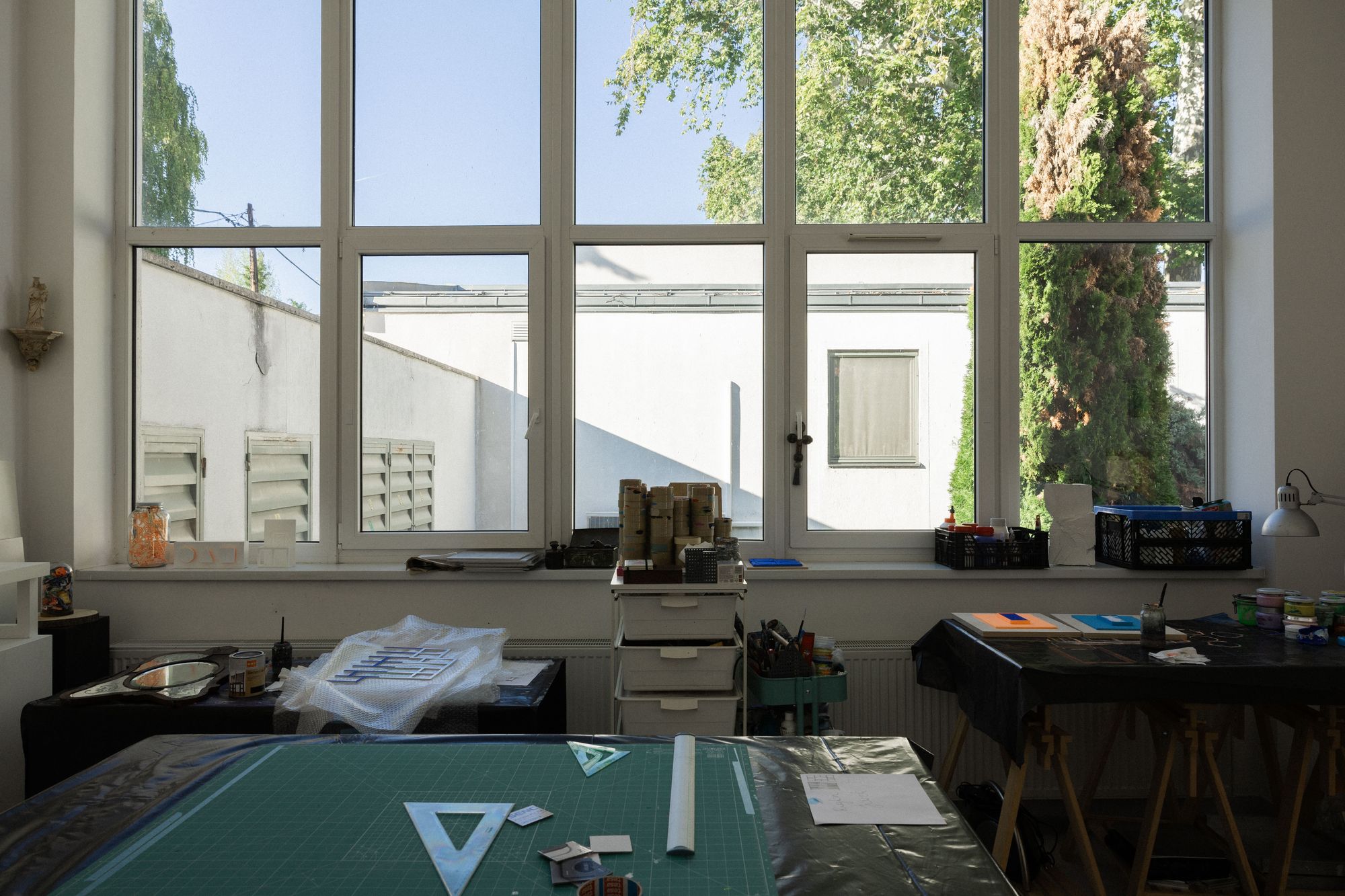
She was deeply influenced by the writings of Jenő Barcsay, who described with great sensitivity what it meant to create in Szentendre. Although she lives in Budapest, she travels daily to her studio. She agrees that belonging here means not just joining a local community, but also a spiritual one - shared with both past and present artists.
Dr. Noémi Jusztusz sums it up: “When I think of the Colony, the image that always comes to mind is a summer afternoon, around six o’clock, when the sun is setting and from the shadows of the trees one can hear the ripple of the Danube. The closeness of nature combined with the clean, minimalist line of the studios—that is the essence of the Colony. If I were to personify its character, I would imagine it as a man in his thirties or forties. There is a kind of naturalness, softness, and elegance to him, but also dignity and confidence. He is introverted, analytical, someone who stays in the background, yet everyone knows he is present, his very existence gives weight to the space.”
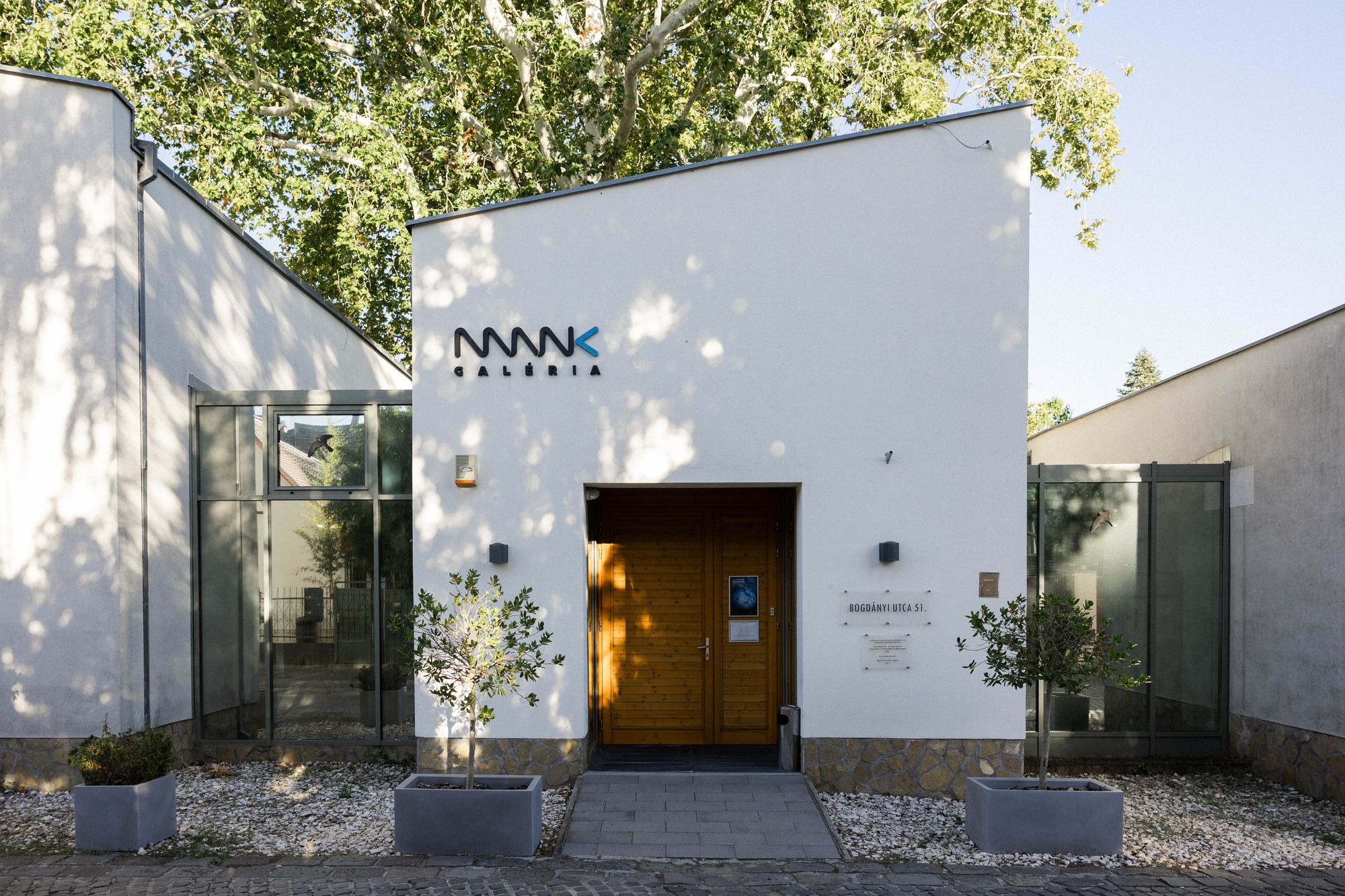
What does the future hold for the Colony? The centenary in 2026 will be marked by a program series rooted in tradition and remembrance, but there is always room for experimentation. Balancing different branches of art and hosting thematic exhibitions involving contemporary creators are essential in making both art and the ongoing work within the Colony’s walls accessible to a broader audience.
Looking back is also part of this process, as Aknay reflects: “After seventy, one can also look at their own career from the outside, and it feels good to see this process. Last year, at one of the Ferenczy Museum’s exhibitions, my work was included in a selection centered around the works of Lajos Vajda. It was interesting how harmoniously one of my early pieces from 1972 resonated with the ‘greats.’ The most important thing is not to compromise - to do what I feel is true from within, and trust that it will connect with the viewer. In time, my work will find its rightful place.”
Photos: Dániel Gaál