


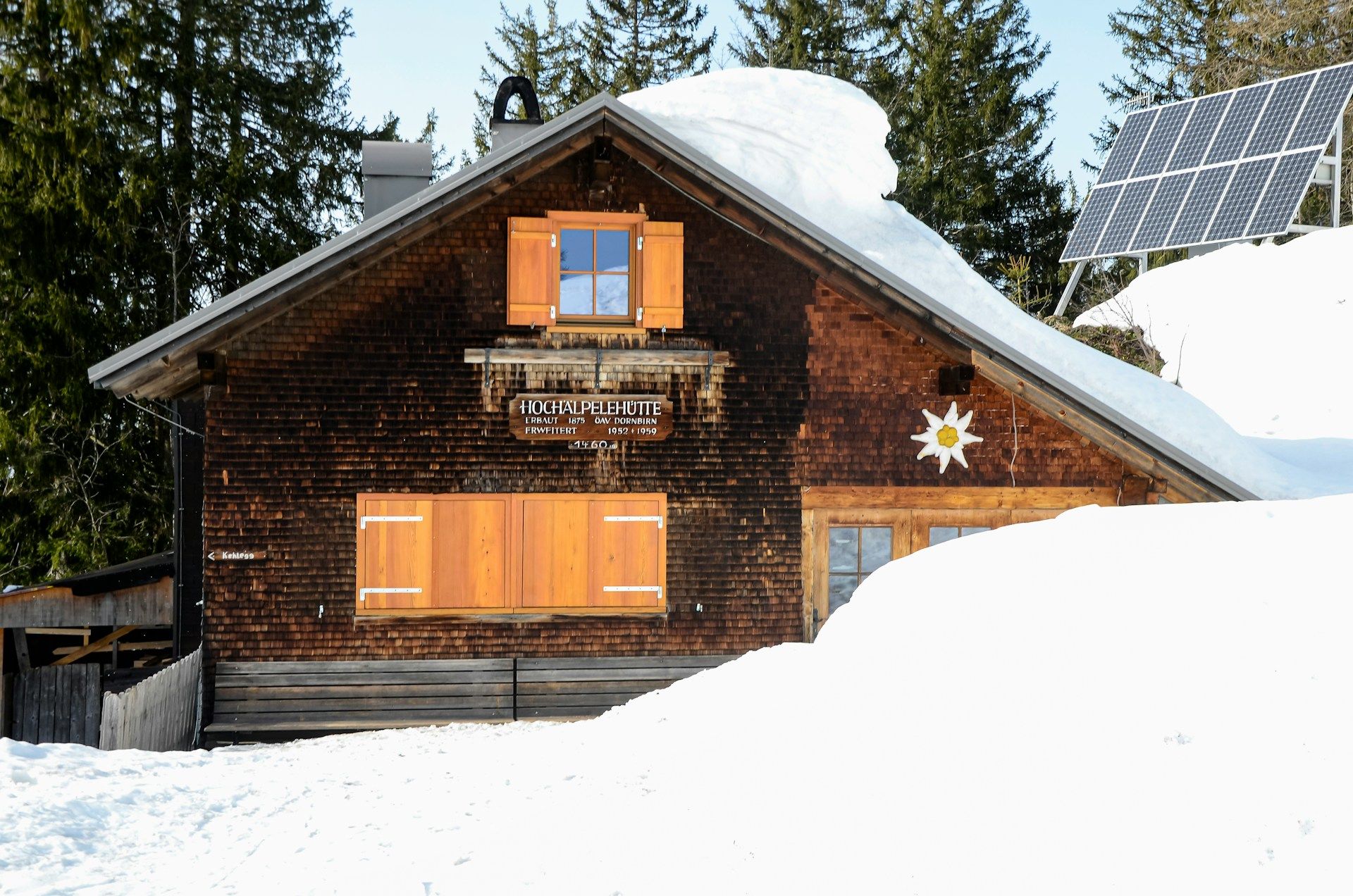
The first bite and the first sip after skiing are often more important than the final run itself. In Central and Eastern Europe, the mountain hut is not a gastronomic temple but a refuge: goulash is steaming, cheese is sizzling, pálinka hits the glass, and nobody asks how many calories you burned that day. This is a tour of the region’s best après-ski foods and drinks, in places where ski boots stay on and common sense tends to leave early.
At the bottom of Central and Eastern Europe’s ski slopes, there’s no fine dining, no tasting menus, no Michelin stickers on the door. What there is instead: wooden tables, steaming soup, beer crowned with foam, and that pleasant numbness when it no longer matters which run was your last. In these huts, food isn’t a trend but a tool: to survive the cold, restore energy, and lay the groundwork for après-ski. The cuisine is practical and nostalgic at the same time, and drinks rarely stop at just one round. We took a look at what Hungarian, Polish, Austrian, Transylvanian, and Czech skiers eat and drink at the bottom of the slopes—and why it still works surprisingly well.
Hungary
Hungarian hut kitchens don’t overcomplicate things: goulash soup is quick relief for frozen limbs. Thick, paprika-forward, served with bread, it does exactly what it’s supposed to do. For those looking for more serious calorie replacement, there’s pork stew with nokedli dumplings, which feels more like a Sunday family lunch than sports nutrition. When it comes to drinks, there’s no beating around the bush: pálinka is the baseline, usually plum or apricot, often introduced with the phrase “just a sip.” Anyone moving at a slower pace opts for mulled wine—but even that is firmer and less sweet here than with the Austrian neighbors.
Austria
In Austrian huts, dessert isn’t an afterthought but a strategic decision. Kaiserschmarrn, for example, easily replaces a main course: powdered sugar, jam, and the feeling that you’ve absolutely earned this. On the savory side, Kaspressknödel reigns supreme—cheesy, dense dumplings served in soup or pan-fried, depending on how seriously you’re taking recovery. Beer is the natural drink choice, but the true après-ski mood is delivered by schnapps. Herbal or fruit-based, it disappears surprisingly fast, especially once no one remembers their last descent all that clearly.
Poland
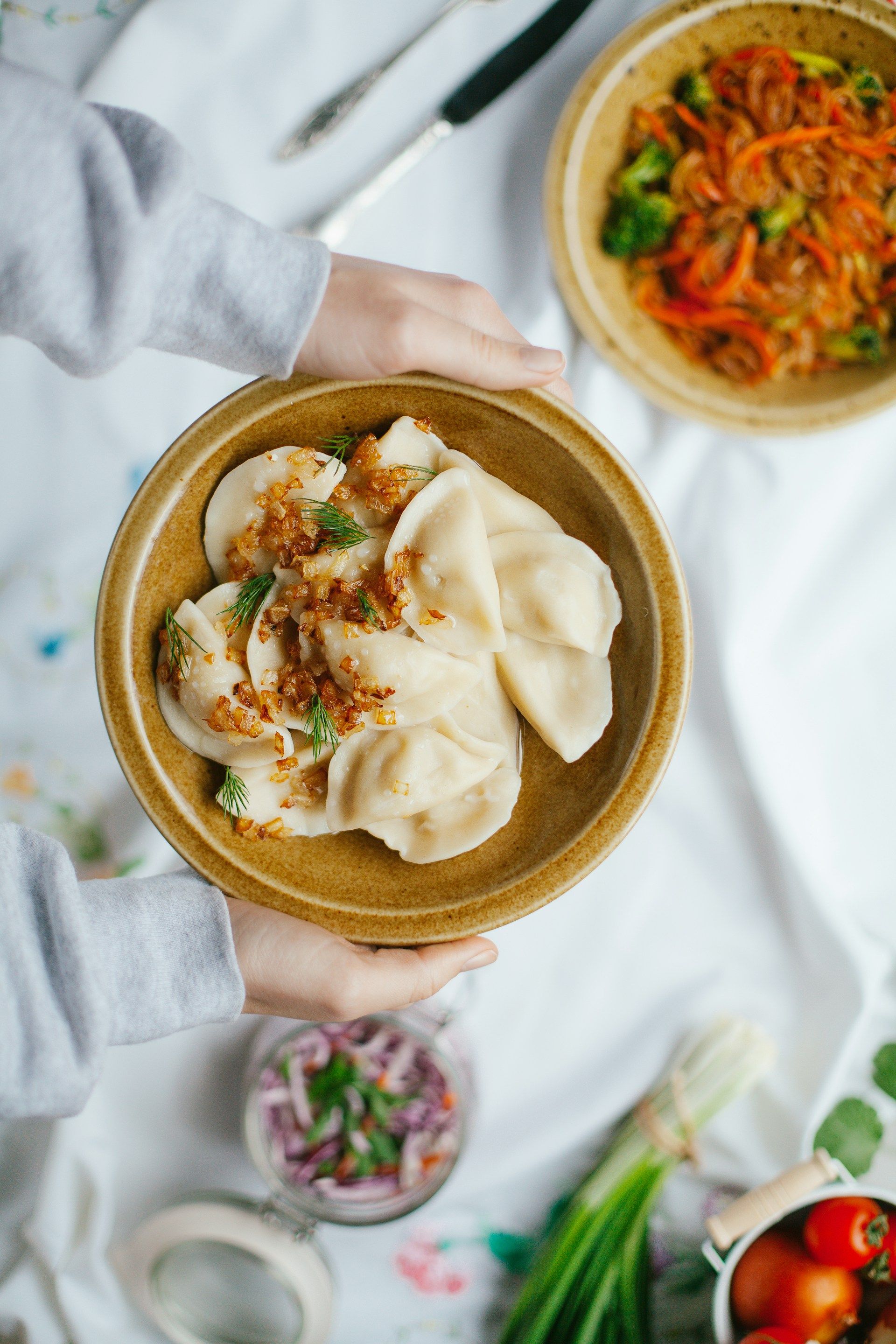
In Polish mountain huts, it doesn’t take long to understand why bigos became a national institution. This cabbage-and-meat one-pot dish doesn’t ask questions or explain itself—it simply does its job and makes you forget the cold for hours. Pierogi are another constant, because stuffed dumplings are always a good idea, especially when they arrive quickly and don’t hold back on the butter. Around the slopes, oscypek is a category of its own: smoked sheep’s cheese, grilled and served with cranberry jam—strange at first bite, completely logical by the second. On the drinks front, grzaniec leads the way, a spicier, more robust take on mulled wine. Later on, vodka enters the picture—not over-mixed, but used exactly for what it’s meant for: accelerating après-ski conversations.
Romania / Transylvania
In Transylvanian huts, food is often visually impressive as well: bean soup served in a hollowed-out bread loaf looks great and gets the job done—brutally filling. Slightly sour and smoky, it fits the mountain setting perfectly. Mici, on the other hand, are simple grilled meat rolls with mustard and bread, easily eaten standing on the terrace. When it comes to drinks, there are no surprises: țuică and pálinka dominate, most often in homemade versions. As a result, a house-party atmosphere is not uncommon in these establishments once après-ski gets going.
Czech Republic
In Czech huts, smažený sýr is one of the safest bets: breaded fried cheese, fries, tartar sauce, done. It’s not fine dining, and it doesn’t pretend to be. Among heartier dishes, roast pork with dumplings and cabbage appears frequently—because the Czechs know that cold weather is no time for salads. Beer is practically standard equipment, light or dark, served by the mug. When après-ski shifts into evening mode, Becherovka makes an appearance, consumed as a shot or mixed into hot drinks—herbal enough to make sure you remember it the next day.