In recent years, the hand-blown glass objects of Warsaw-based Szkło Studio have appeared on some of the most influential platforms of the international design scene, from Nilufar Gallery to Vogue. The works of founder Aleksandra Zawistowska exist on the boundary between functional object and sculptural form — most recently demonstrated at COLLECTIBLE Brussels, where an installation bringing together eight artists showed how the studio approaches design as a collective situation.
With Polish roots and a Warsaw base, Szkło Studio has become a distinctive voice within contemporary experimental glassmaking. The studio was founded by artist and designer Aleksandra Zawistowska, who studied art and architecture in Warsaw, Lisbon and Amsterdam, and began working with glass during her time at the Sandberg Instituut. At the core of Szkło Studio’s practice is hand-blown glass — not merely as a technique, but as a way of thinking: their work embraces spontaneity, imperfection, and the behavior of the material itself. The resulting objects often occupy a space between functional design and sculpture, existing as both usable items and autonomous forms.
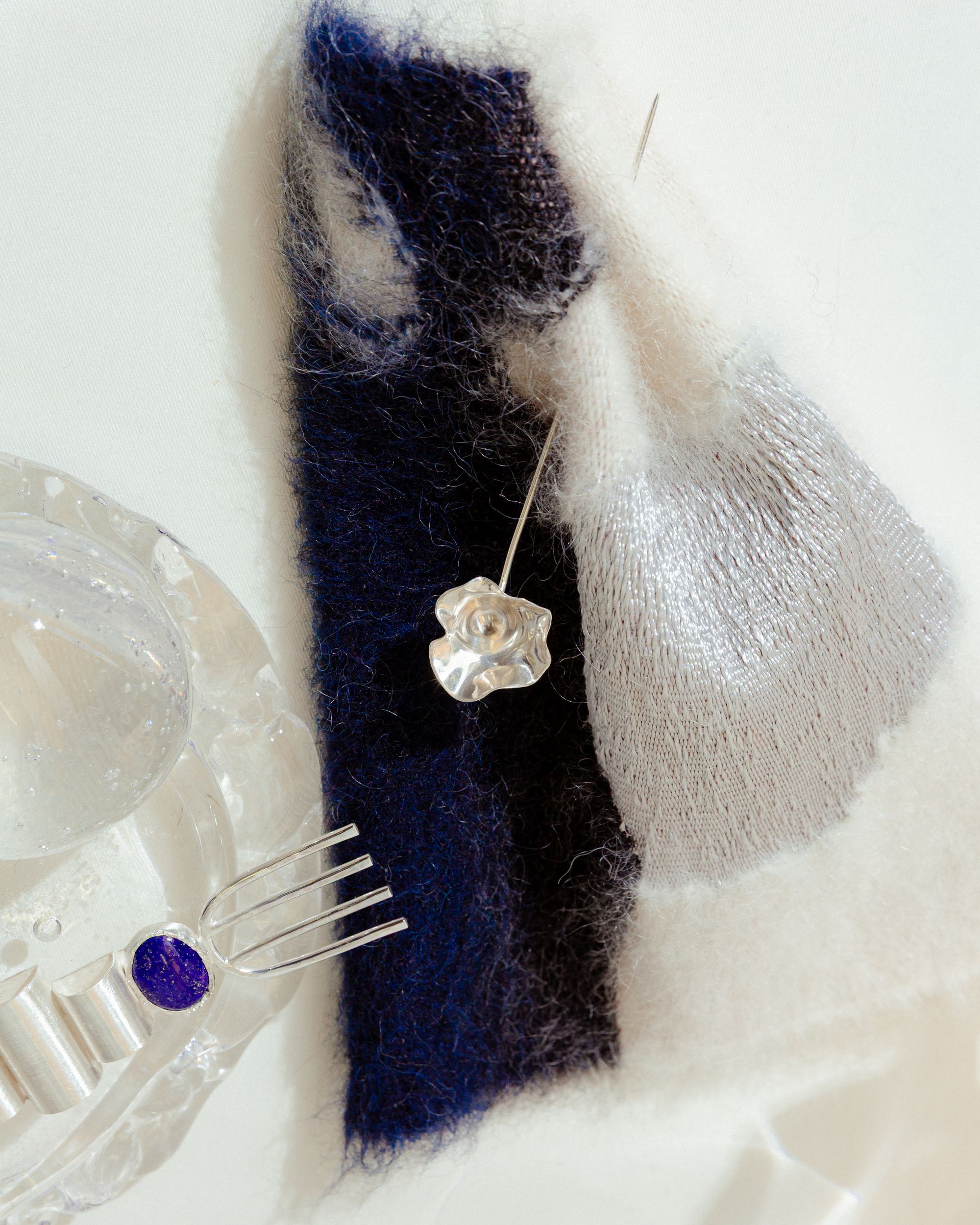
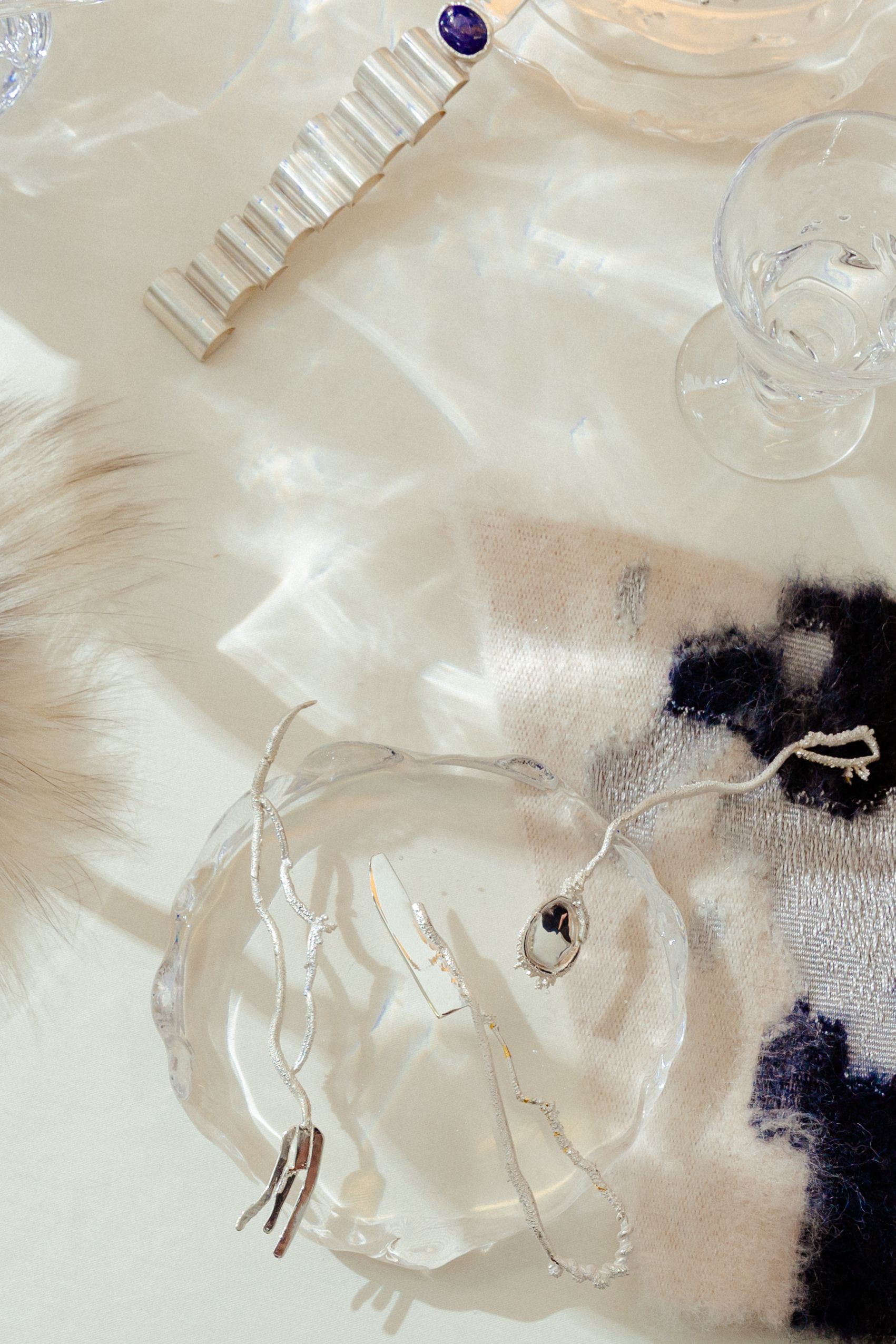
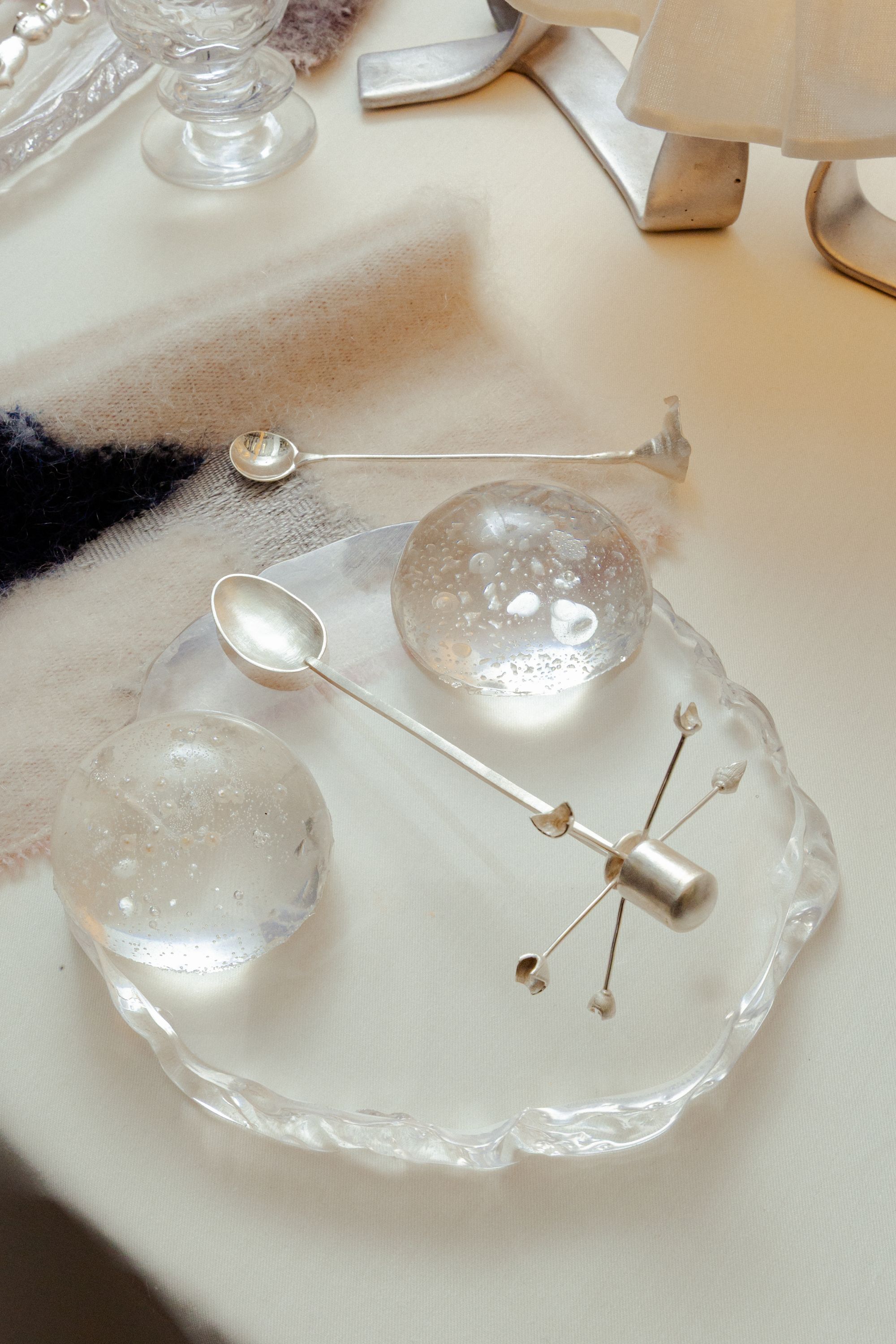
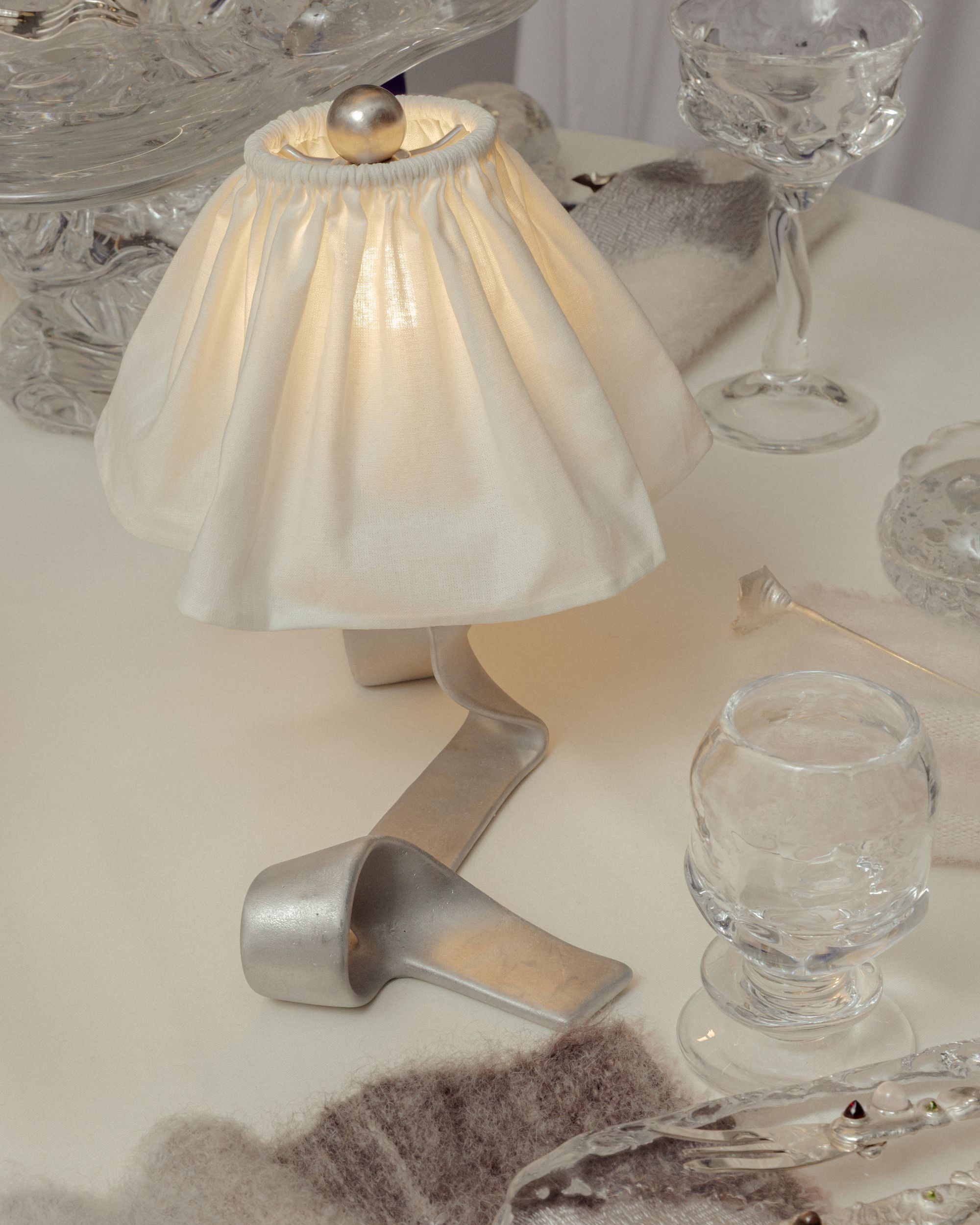
Their operation is not confined to a single location. Alongside their Warsaw base, the studio collaborates with glassworks across Europe — in Germany, the Czech Republic and Poland — allowing different technical traditions and expertise to shape each project. This decentralized, collaborative model influences not only the form of the objects, but also the thinking behind them. In recent years, Szkło Studio has gained increasing international recognition, exhibiting at venues such as R&Company, Nilufar Gallery in Milan, and Objekt Gallery, as well as in institutional contexts including the Museum of Modern Art in Warsaw and the European Parliament in Strasbourg. Their work has been featured in leading publications such as T Magazine, Vogue and Architectural Digest, while Zawistowska herself has been included in AD100 and Dwell24’s list of emerging designers.
A table as a shared space
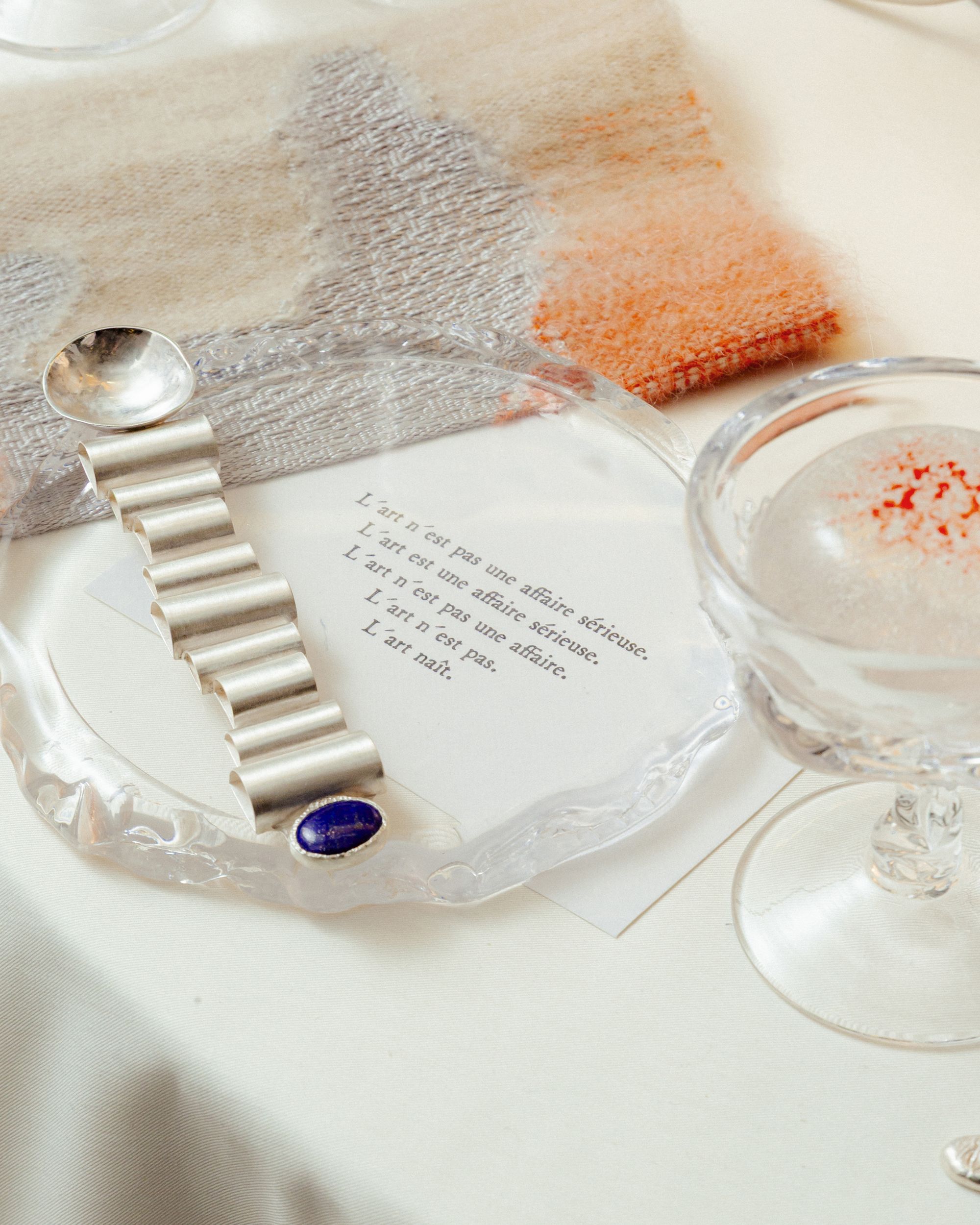
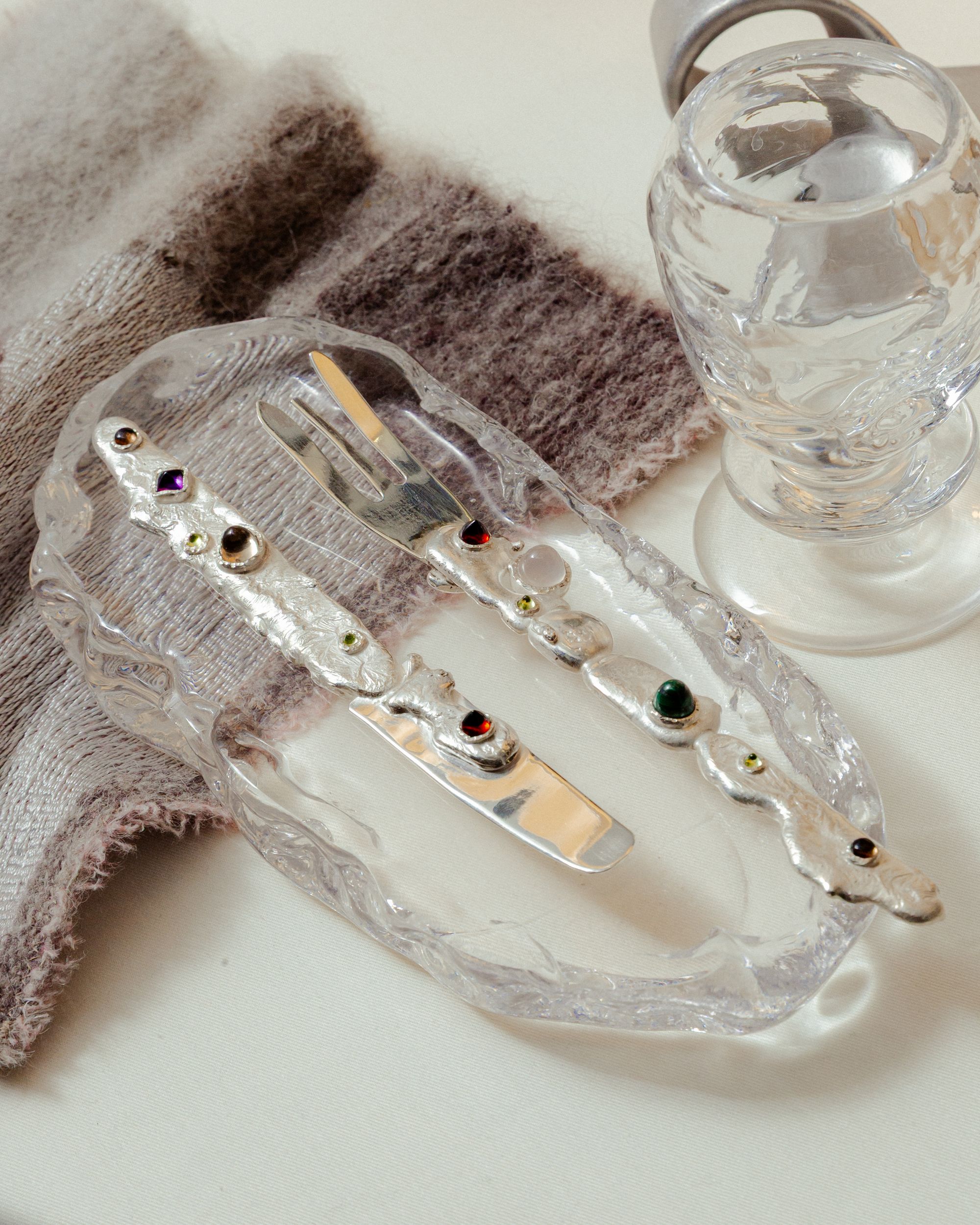
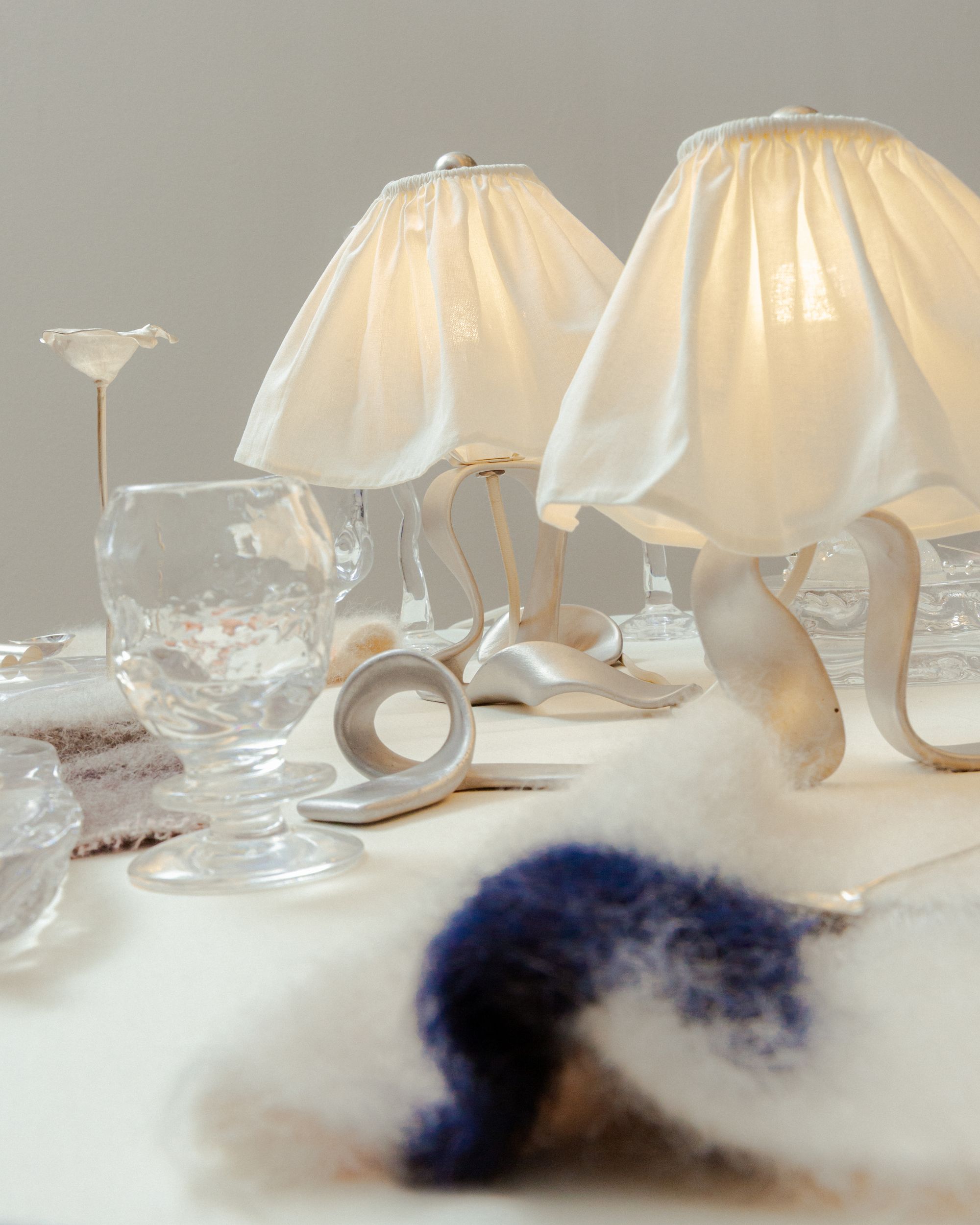
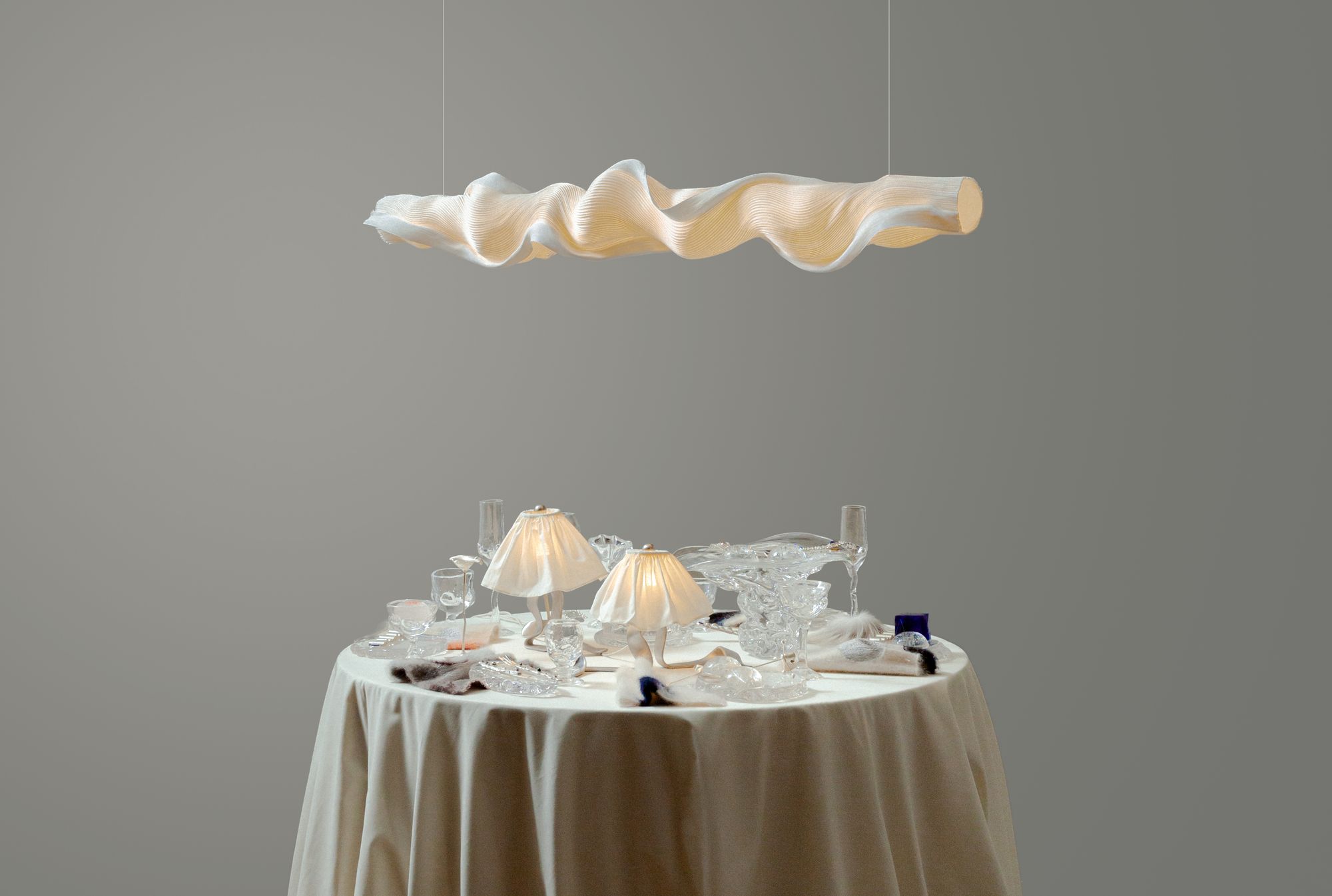
One of the most recent expressions of the studio’s approach was the Tablescapes installation presented at COLLECTIBLE Brussels in March 2026. Although the event has already passed, the project clearly reflects the direction in which Szkło Studio is moving: from object-centered design toward situation-based, collective experiences. Within the TABLESCAPES section, the installation took the form of a surreal, imaginative table composition, where the works of eight female artists were placed side by side — and brought into dialogue. Glass, light, silver, textiles and organic elements layered into one another, while the scenography by food designer Jagoda Porębska further emphasized the performative, living nature of the installation.
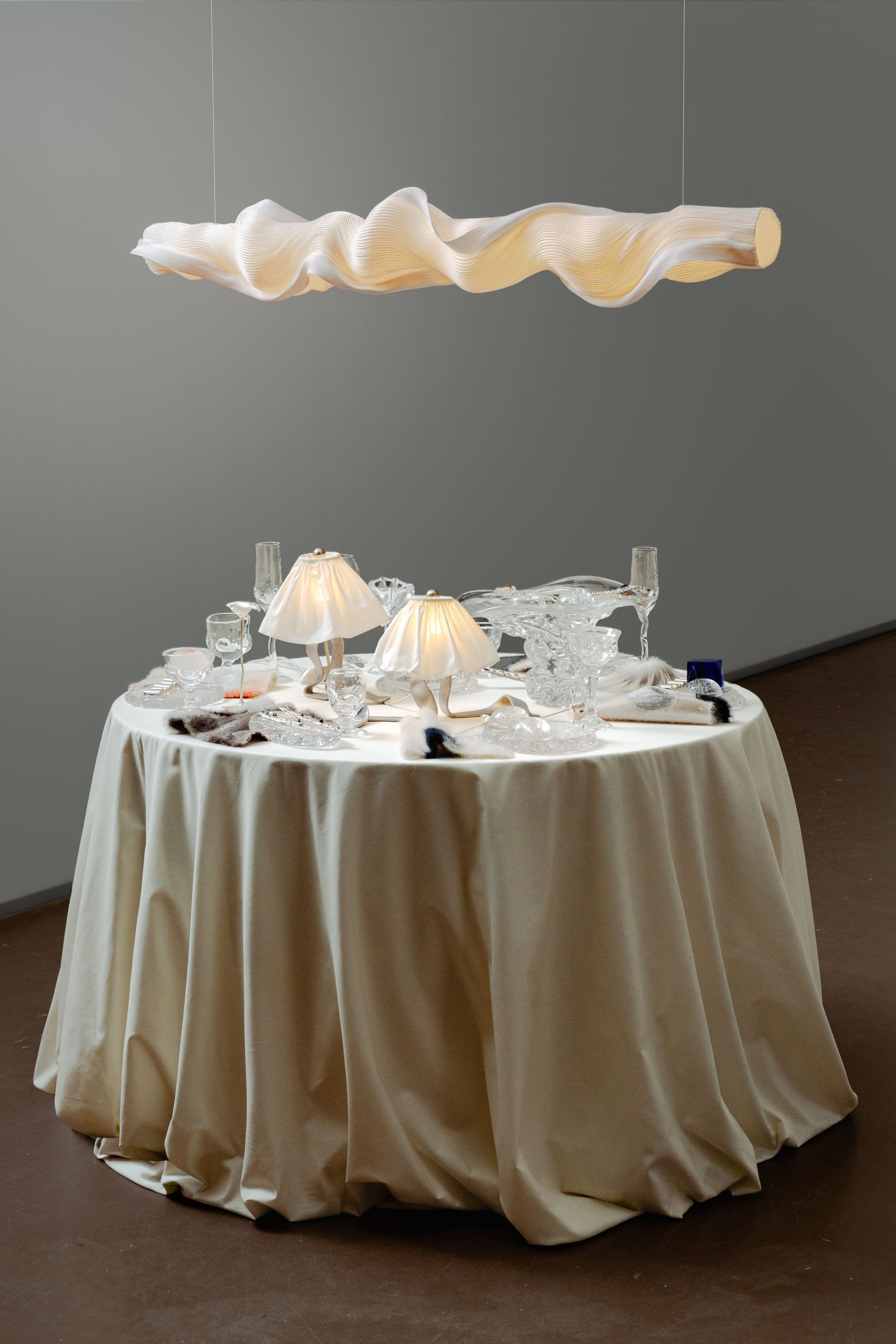
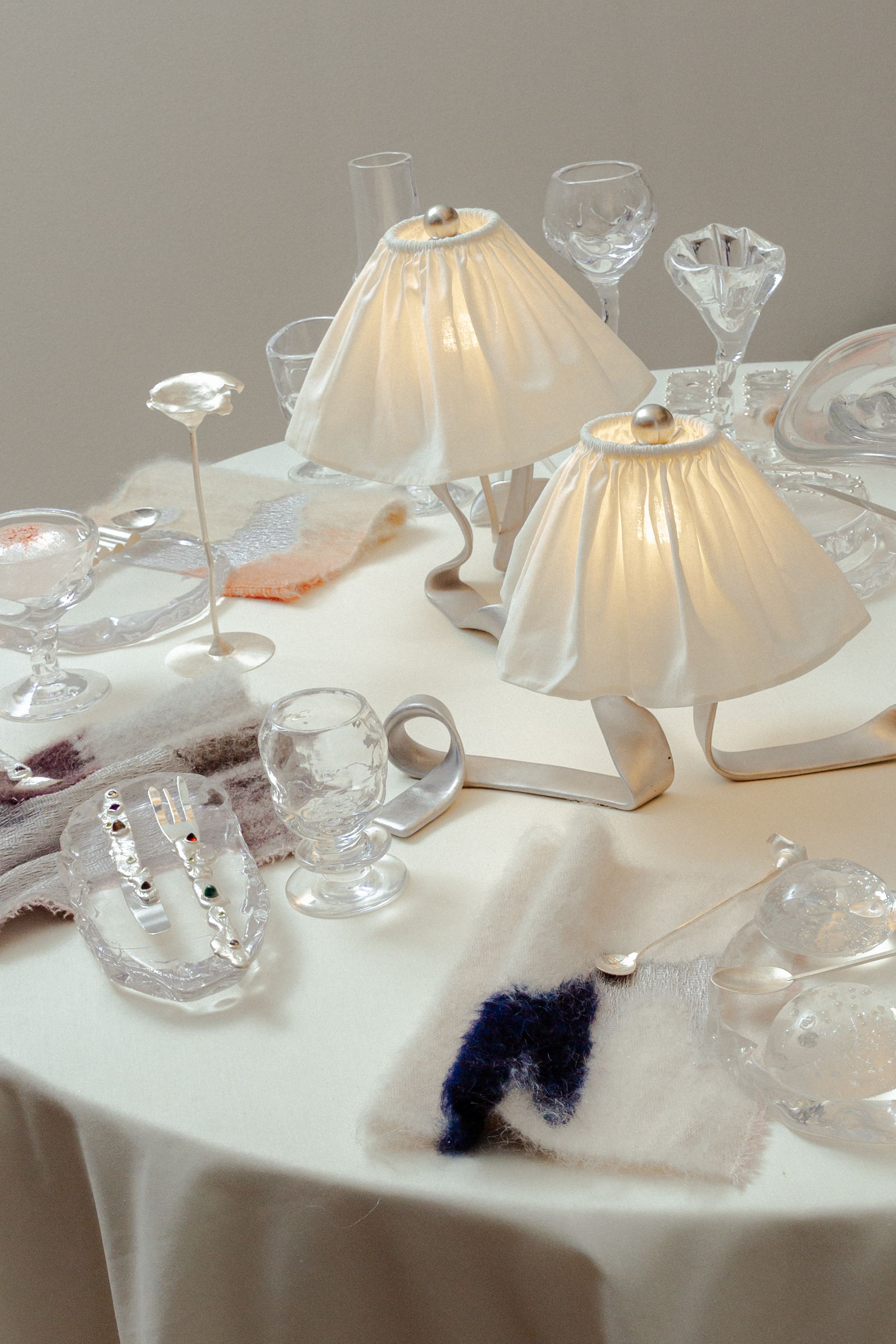
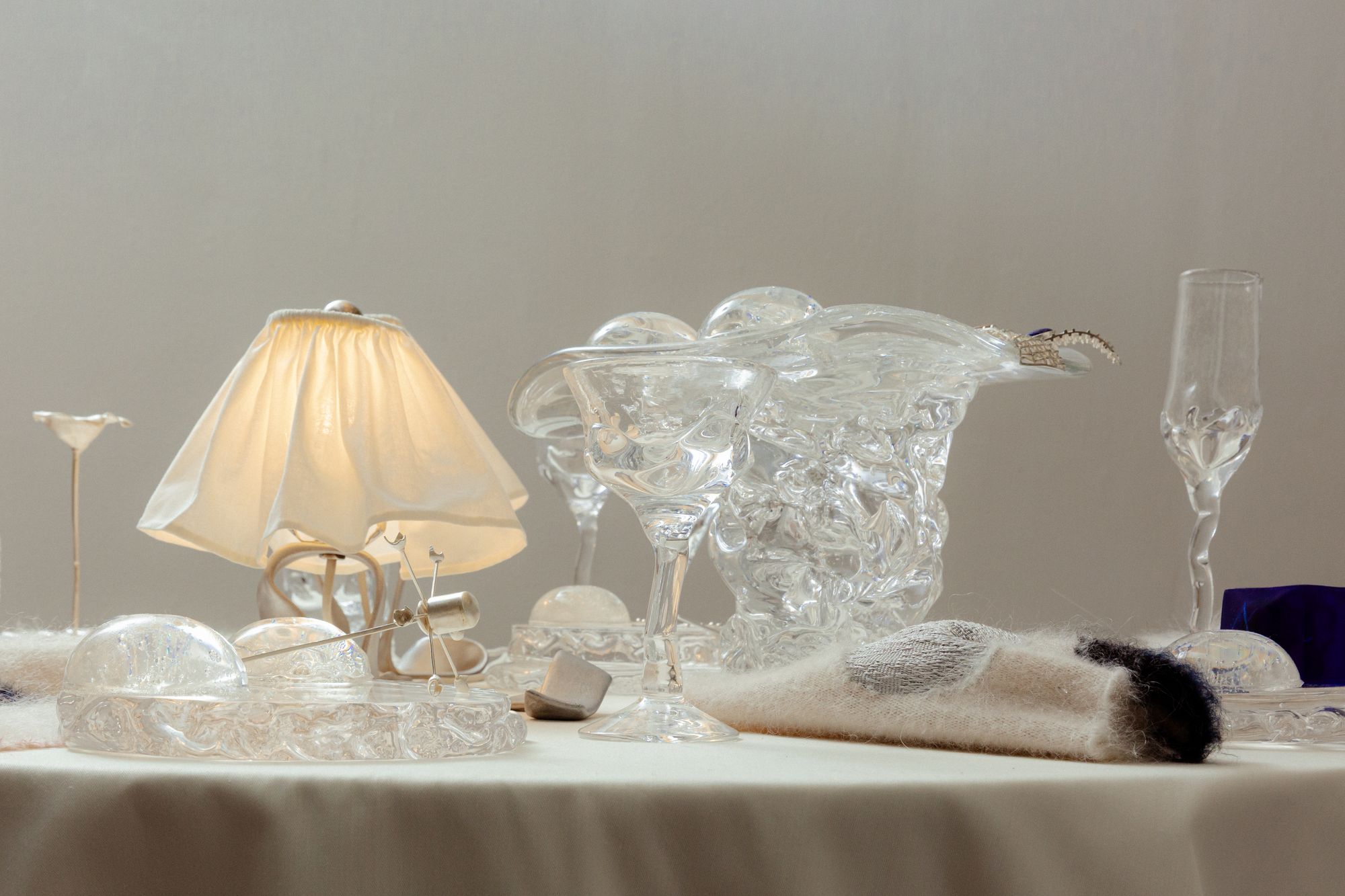
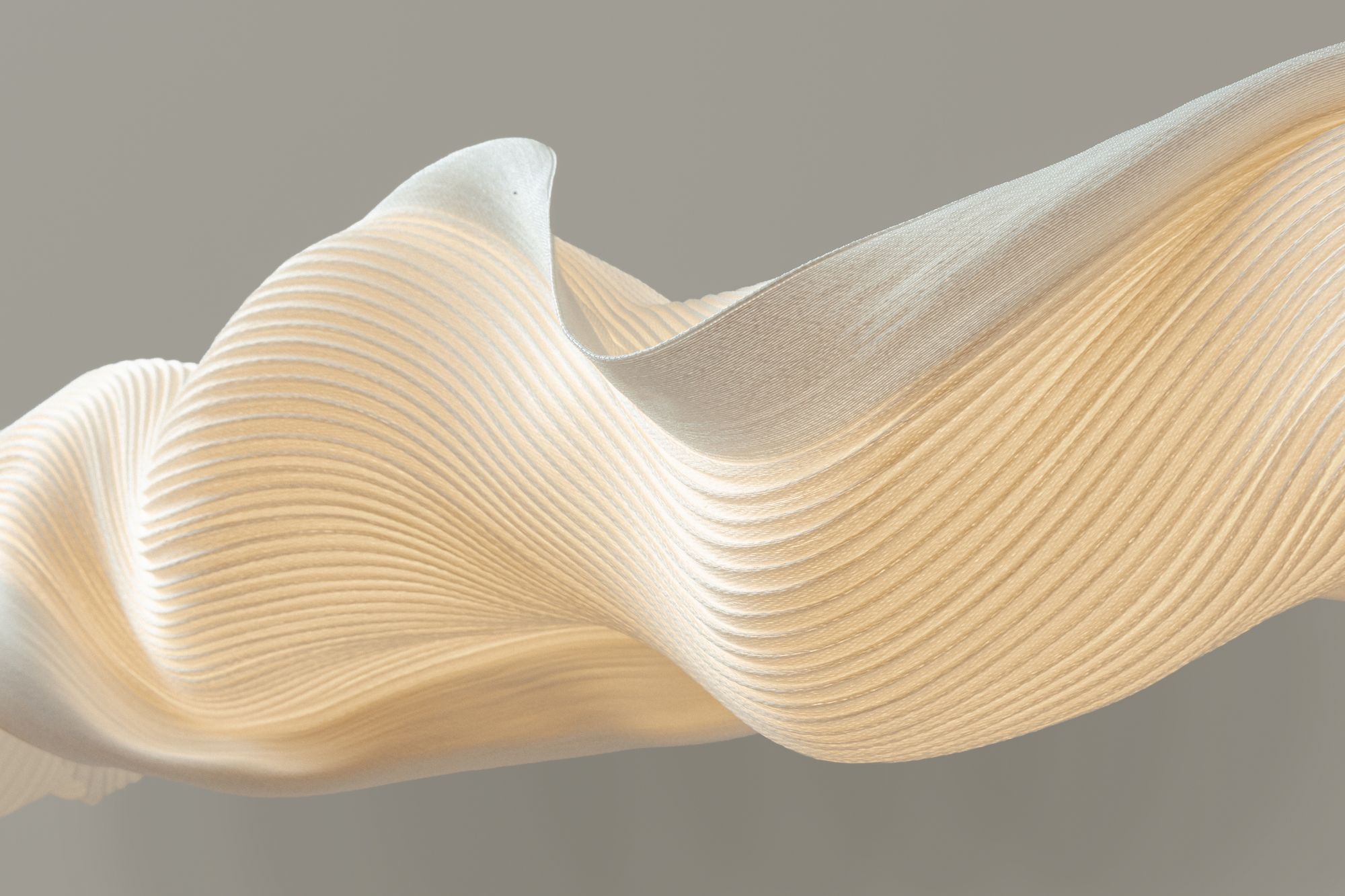
The project brought together Polish and Dutch creators, including Lindsey Fontijn, Karolina Pawłowska (Karla Studio), Rest Studio (Dominika Gacka and Julia Piekarska), Marlou Rutten, Marieke van de Ven and Basia Pruszyńska. The graphic identity was created by Yon Matauko. The conceptual starting point was Surrealism, translated here into a contemporary design language: intuition, spontaneity and collective creation took precedence over controlled, linear design processes.
In this context, the table did not function as a simple piece of furniture, but as a platform — a meeting point where individual practices coexist and generate new meanings through proximity. For Szkło Studio, this way of thinking is not a one-off experiment but a consistent direction: they approach design as an open, evolving system. A space where material, intuition and collaboration simultaneously shape what we ultimately see — and how we connect to it.