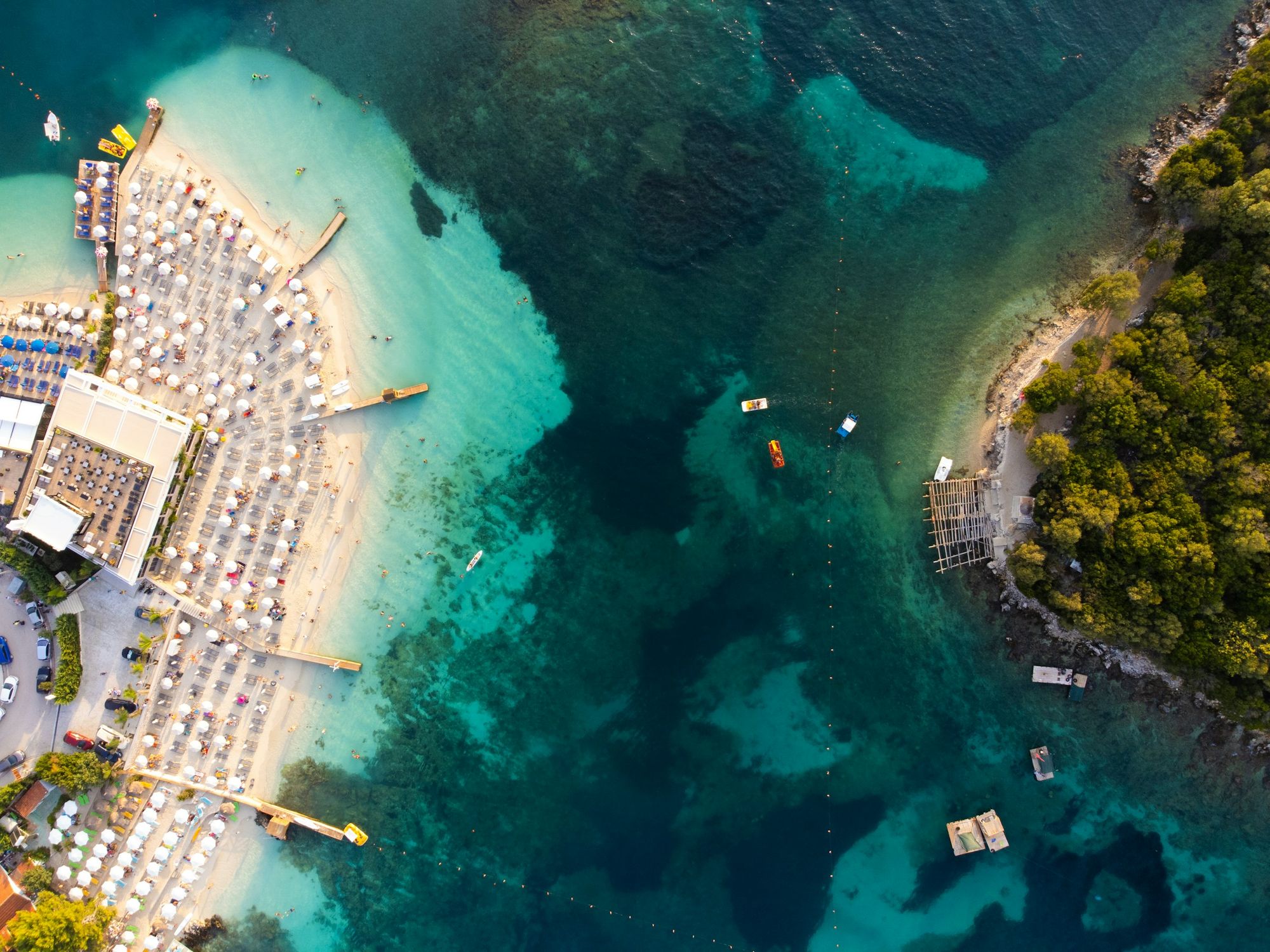
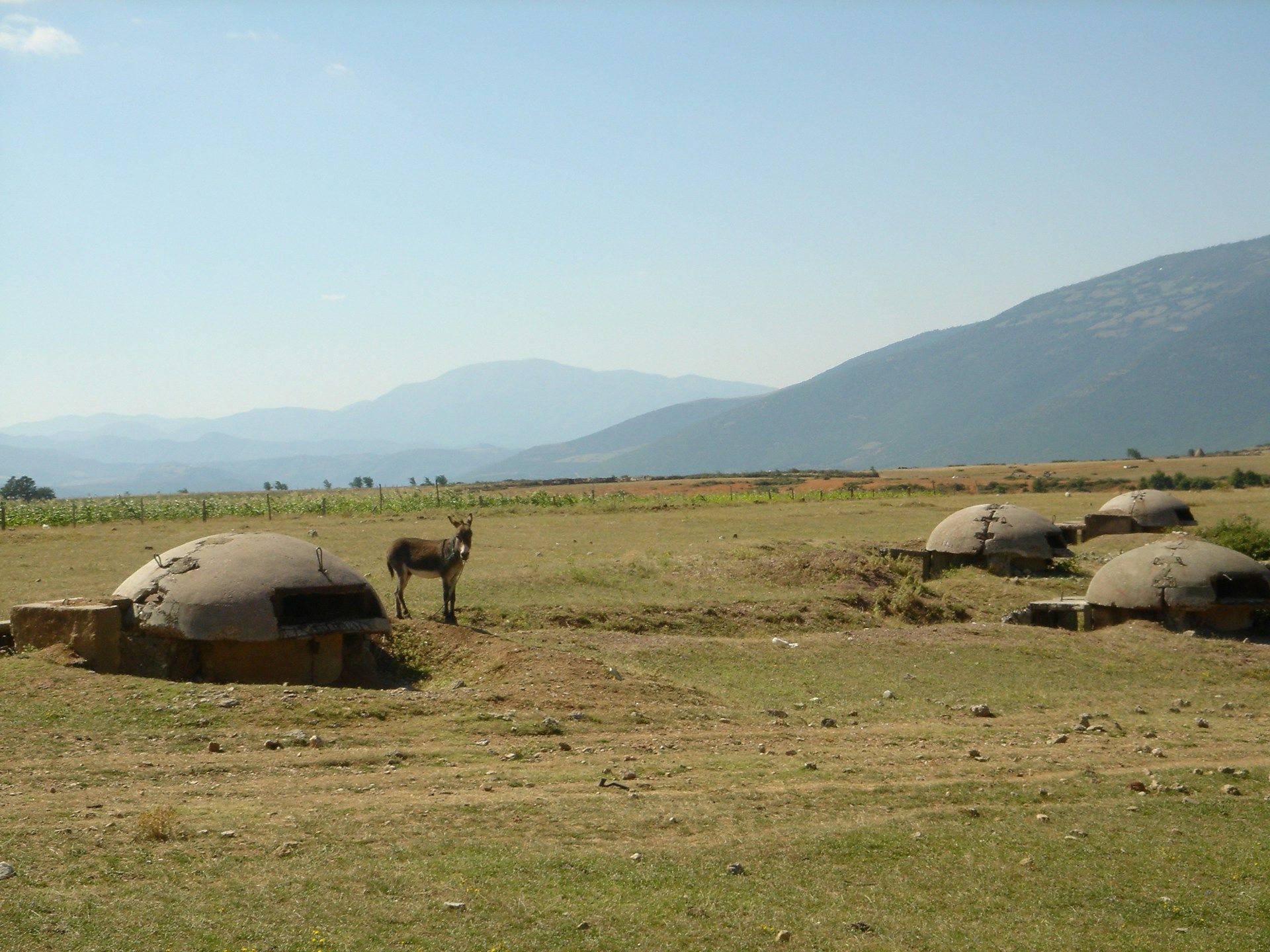
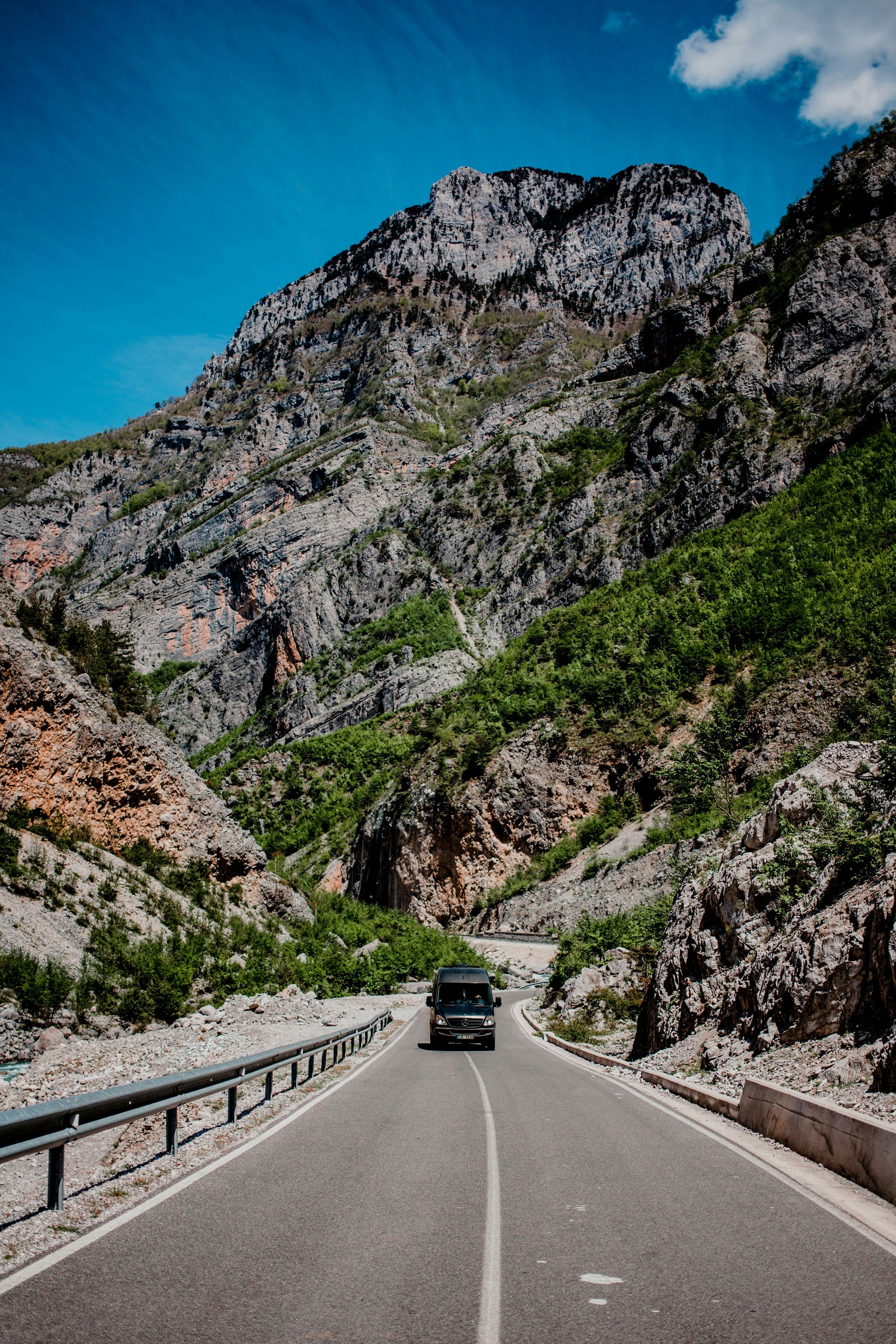
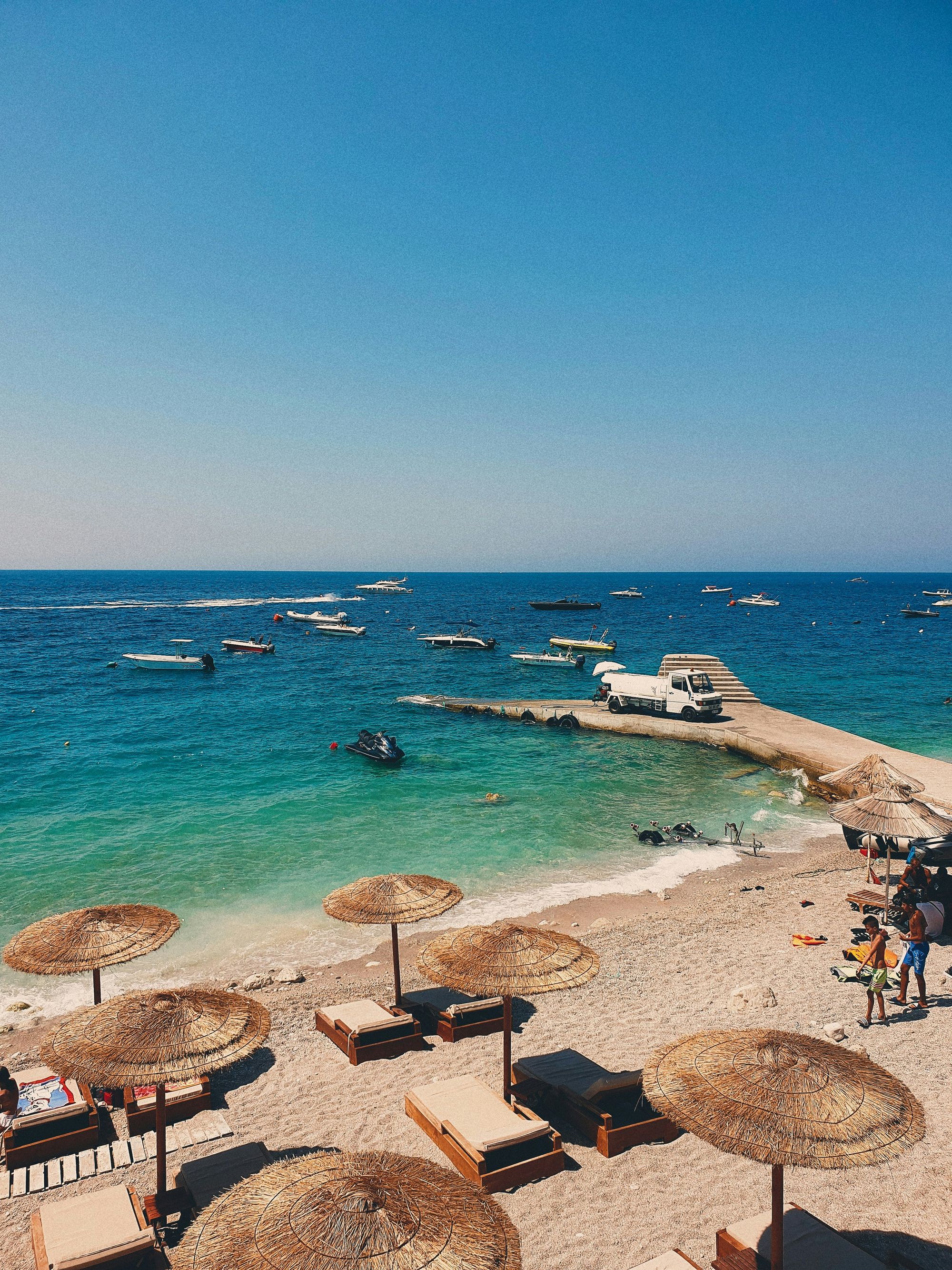
Mediterranean coastlines and rugged Alpine mountain ranges; goats grazing next to concrete bunkers and Trump's son-in-law’s luxury developments – Albania is a land of contradictions. However, thanks to its natural resources, its popularity on social media, and the rapid developments of the last decade, it can officially bid farewell to its status as a hidden gem and become an official challenger to neighboring Croatia and Greece.
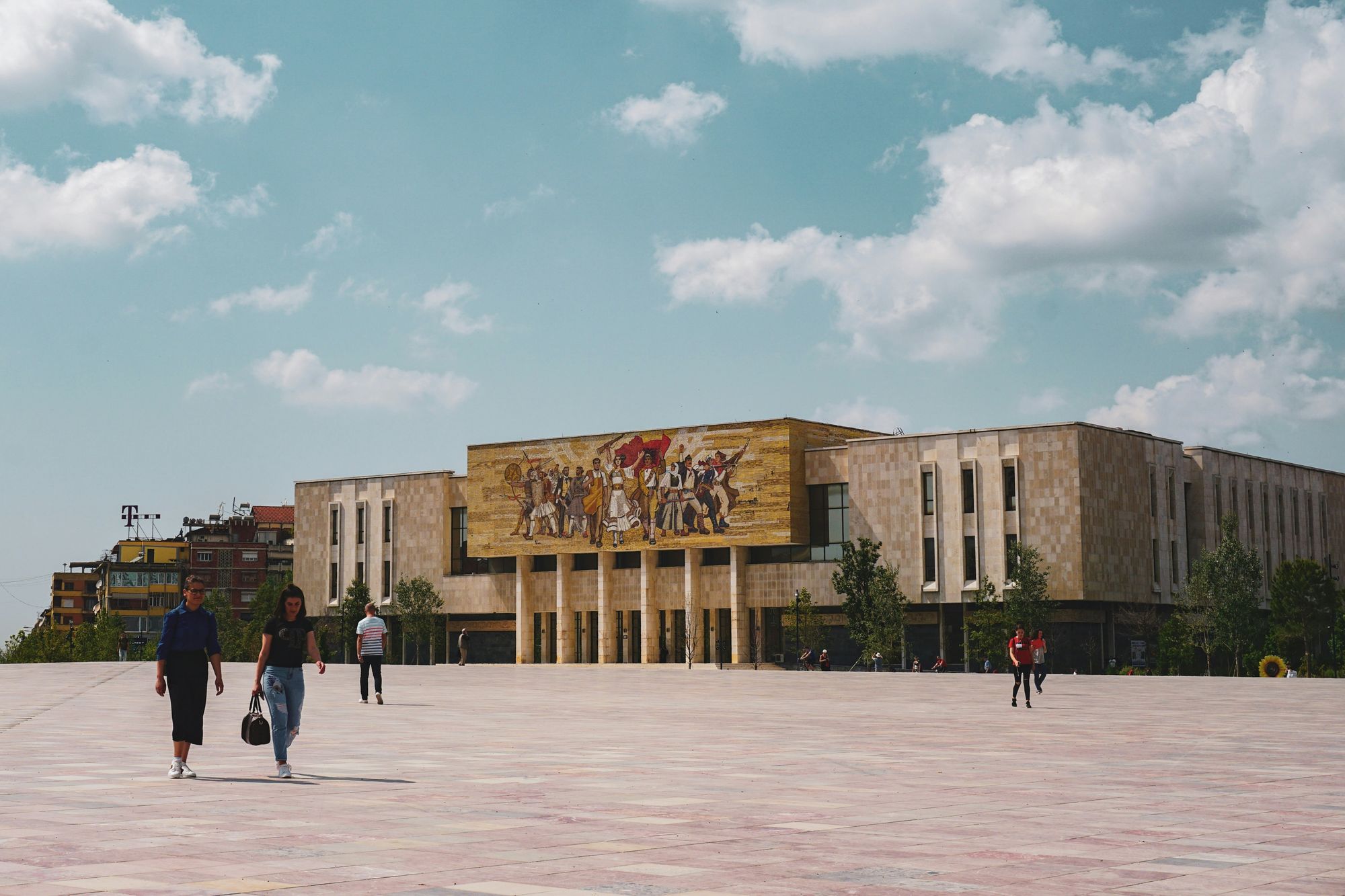
Under Enver Hoxha's communist dictatorship, Albania became one of the most isolated countries in the world. Foreigners were practically unable to enter for tourism purposes; only a few strictly controlled political delegations and representatives of friendly countries (e.g., China) were allowed to enter. The population was also unable to travel abroad, so tourism as an industry was virtually non-existent, and Albania's beautiful coastline and mountains were only accessible to locals at the time. Although the country gradually began to open up after Hoxha's death (1985) and the collapse of the regime (1991), the political and economic instability of the 1990s deterred tourists, and initially only backpackers set out to explore the country.
From five thousand to eleven million
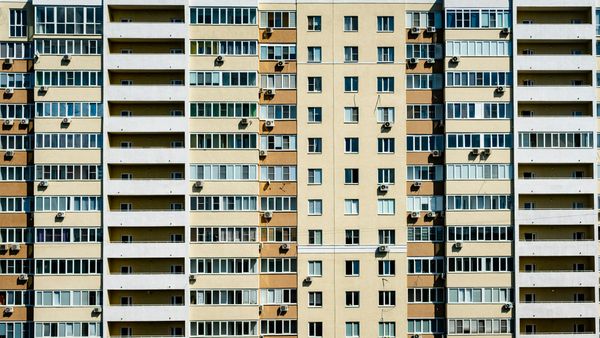
Despite a bumpy start, infrastructure gradually improved, with new roads, hotels, and flights attracting more and more people every year. The real growth came in 2014 with the country's EU candidate status. Since then, thanks mainly to social media, Albania has become known as the "secret Mediterranean gem," but we can soon remove the word "secret" from that description, as Albania has become one of the fastest-growing tourist destinations in Europe over the past 5-8 years. According to figures from The Economist, only 5,000 foreign visitors arrived in Albania per year during the dictatorship, but this number rose to 3.4 million in 2014 and is reached 11 million by 2024. However, they believe that this huge number is somewhat misleading, as it includes Albanians who fled abroad during the dictatorship and now return several times a year on foreign passports. It is therefore not surprising that the sector accounts for a quarter of annual GDP and around 20% of jobs. One thing is certain: growth is unstoppable. Apartment buildings and hotels are springing up like mushrooms along the coast, and a new airport is being built in Vlora, which will serve the southern coast, the famous Albanian Riviera. Albania was the official host of this year's ITB Berlin, the world's largest tourism expo, and Edi Rama, the country's prime minister, opened the event. The "Albania, All Senses" campaign was launched there, which promotes the fact that visitors can find the characteristics of other European countries crammed into 28,000 square kilometers: high mountain ranges, clean air, untouched wild waters, two dazzling turquoise seas, and sandy and rocky beaches. In addition, a tourism strategy for 2024–2030 was adopted in July this year, promising a 10% increase in revenue alongside sustainable development. The fine print is not so cheerful: according to the plans, for every kilometer of private beach, there will be only 300 meters of public beach, and the government has relaxed regulations on nature reserves and allowed construction if the investment is strategically important to the state.
Ecological concerns
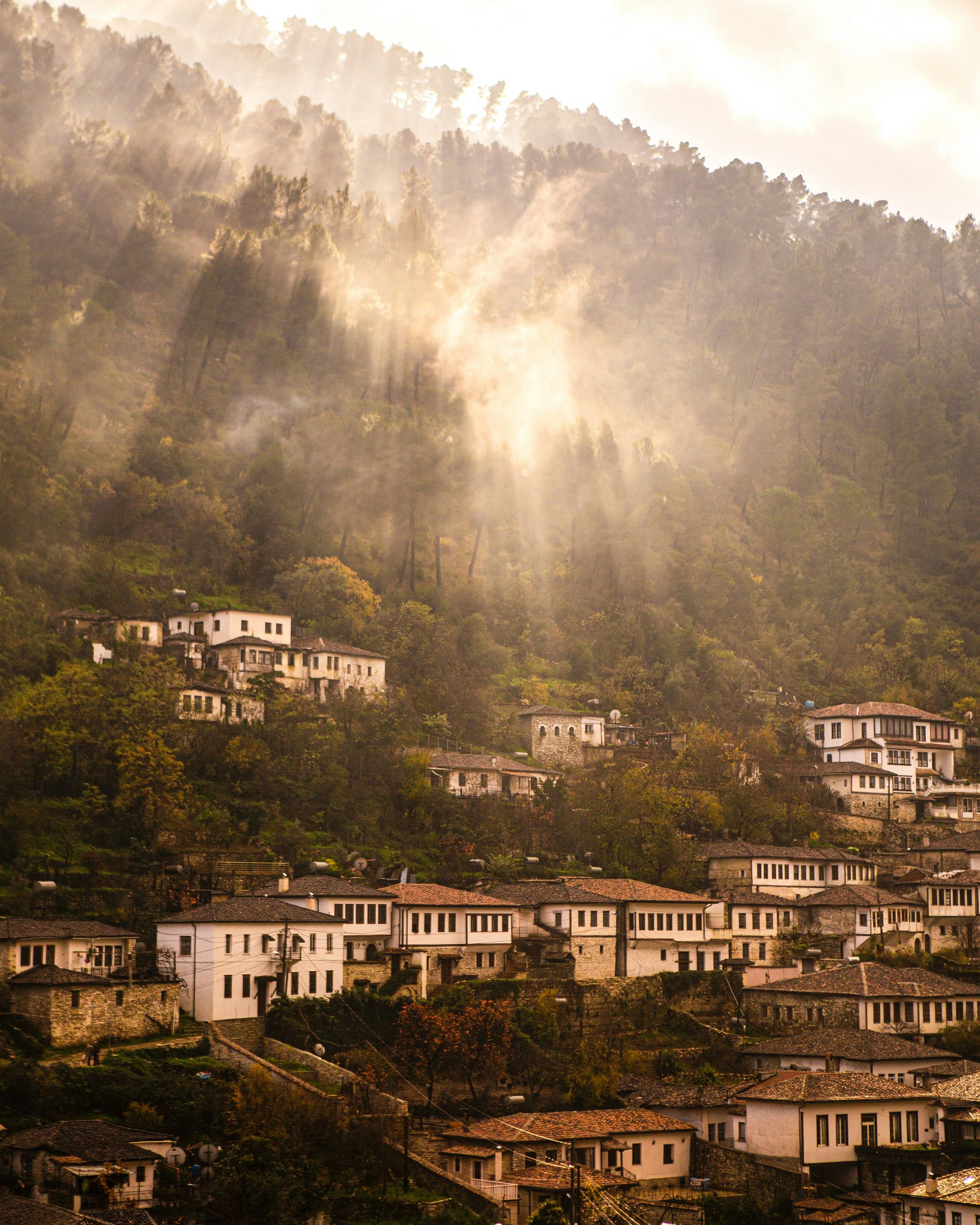
Despite the glittering millions of dollars, developments are met with strong resistance in many places, with many considering the impact of the enormous scale of construction on nature to be catastrophic. One of the key issues is water: although the area is theoretically rich in water resources, decades of neglect in infrastructure development mean that if the canals are now diverted to the resorts and their swimming pools, there is often not enough water left for local households or for watering crops. The EcoAlbania group is fighting against the tapping of the Shushica River, among other things, arguing that global warming has already reduced the river's water yield enough, and that taking even more water would threaten the ecosystem of the region and the national park within it. An investment by Jared Kushner, son-in-law of US President Donald Trump, has also caused a storm. Ivanka Trump's husband has started construction in Zvernec, a previously untouched lagoon famous for its flamingos, with the full approval of the Albanian government. He also purchased an uninhabited island ten kilometres away, where his €1.4 billion project was also given the green light, but EcoAlbania challenged the permits issued by the government in court.
A coffee in a concrete bunker?
The traces of dictatorship are still visible today, mainly due to Hoxha's obsession with building bunkers. During "bunkerizmi" (1967-1986), it is estimated that more than half a million concrete-domed shelters were built across the country, even in the most unlikely places: they are easy to stumble upon in the mountains, valleys, cities, forests, and even on the sandy beaches. As there are not many state resources available for their removal, most of them are slowly falling into disrepair, but the locals are also trying to cope with this unwanted legacy and are attempting to reuse the concrete mushrooms as stables, tourist accommodation, museums or even cafés. Of course, despite the strict communist attitude, not all bunkers were equal: the most exclusive one, built for Hoxha, was opened to the public in 2014. It was built in the belly of a mountain near Tirana and is astonishingly gigantic in size: its 2,680 square meters house 106 rooms, several conference rooms, and a 400-seat cinema.
A drink with the neighbors
In Albania, hospitality is a matter of honor. Mikpritja is a deeply rooted cultural tradition characterized by sincere warmth, generosity, and deep respect for guests. This means that even strangers are treated as family members, with hosts offering everything they have, such as food and drink, and ensuring the protection and well-being of their guests, as reflected in the saying: "The house belongs to God and the guest." Obviously, no sensible tourist would think of raiding the fridge of the lady living next door to their Airbnb, but don't be surprised if you are handed a glass of rakia, the local brandy, wherever you go. This attitude also applies to restaurants and bars, where you can expect friendly service throughout Albania.
Hype-favorites in Albania
- Space 05 Concept Store, Tirana
A shared space for Albanian designers in the infamous pyramid in Tirana.
- Novelle Vague, Tirana
A regular feature on the list of the world's 100 best bars for years
- Le District, Tirana
An aesthetic brunch spot with cocktails
- Life Gallery Hotel, Korça
A stunningly sleek boutique hotel in a secluded town near the Greek border
- Ostro Beach Bar, Ksamil
A beachfront restaurant with perfect views
Opening image: Filip Bartos/Unsplash
Polish–Belarusian Border Closure Jeopardises €25 Billion Chinese Export Route
Lithuania Will Remain a Frontline State – interview with Laurynas Vaičiūnas