


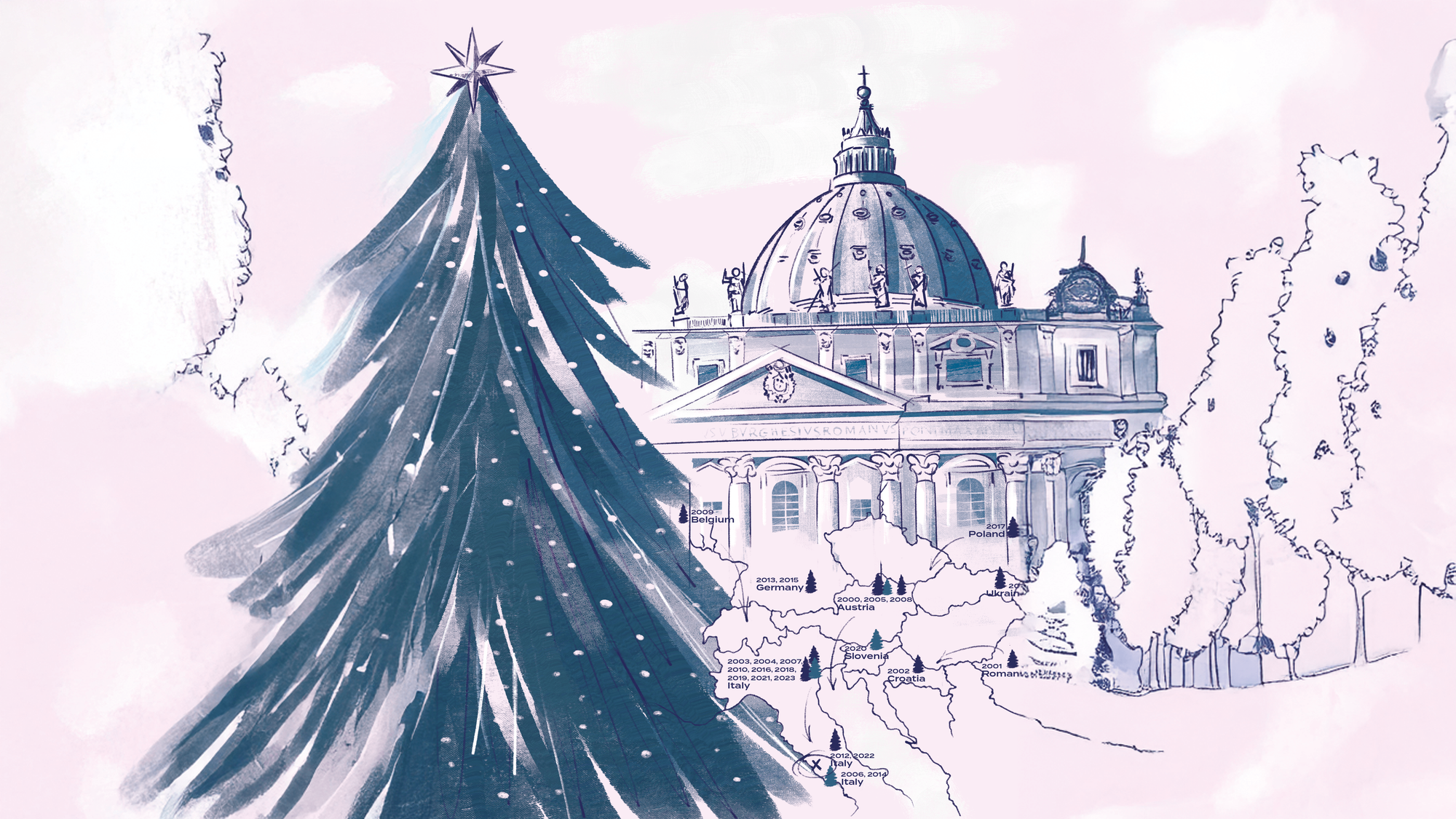
How does a young gardener become the head gardener of the Pope’s summer residence — and what is Christmas preparation like behind the scenes at the Vatican? Alessandro Reali spent nearly three decades working in Castel Gandolfo, where his days unfolded between quiet gardens, strict traditions, and the personal world of the popes. He shares his experiences, the unique atmosphere of the season, and the story of an extraordinary career in Hype&Hyper's No. 10. issue.
Christmas is a special time of year for everyone, a period when traditions, festivities, and affection for one another bring us all together. In our modern world, where, sadly, religiousness is increasingly marginalized, Christmas has managed to retain its importance and significance. People enjoy gathering with family and friends, sharing joy and love, regardless of their religious beliefs. In the countries of Central Europe, such as Hungary, the preparations for Christmas begin as early as the Advent season. The candles on the Advent wreath symbolize anticipation, light, and faith. Faith, not only in its religious sense but also as a belief in a positive vision of the future. The relationships formed by our faith and community values can help us find the path to peace and love.
Europe has experienced many tragedies in its past but has also been able to recognize the importance of partnership, peace, and solidarity. It is partly because of this fundamental Christian thinking that we have been able to maintain lasting peace with our neighbors. Christmas is an ideal time to bring these values to the fore once again, at a time when conflicts and tensions overshadow people’s daily lives in many parts of the world. The importance of faith and unity should not be underestimated.
The Christmas Day papal blessing (Urbi et Orbi) calls our attention to the importance of these values every year. And, as everywhere in the world, it is of course a tradition to prepare for the holidays in the heart of the Catholic Church as well. The first Christmas tree came from Italy, and since then it has been donated to the Vatican every year by a different European country or region. Interestingly, not only the Vatican but also Castel Gandolfo, the papal summer residence, are dressed up in festive splendor.
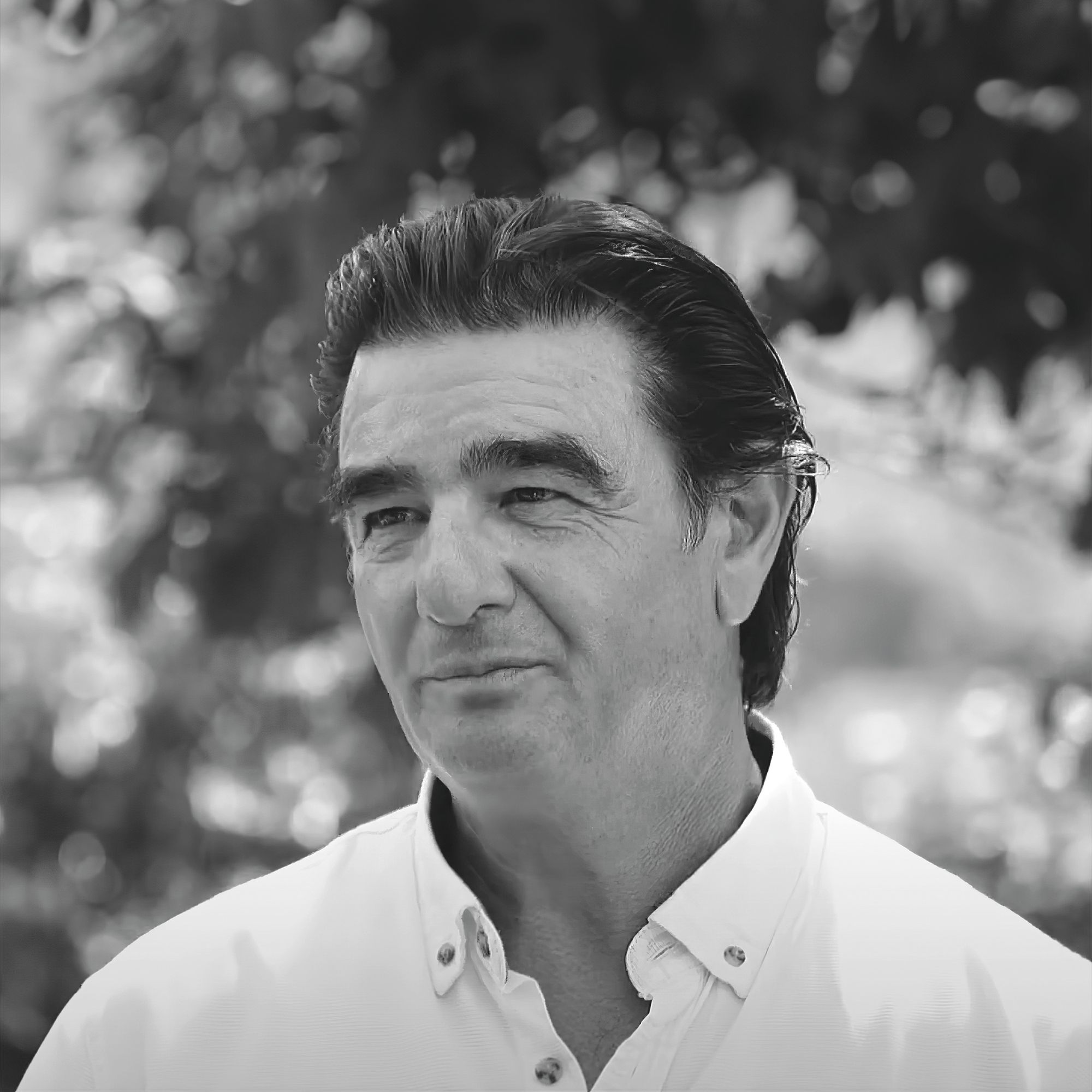
While the Vatican always serves as the site of the most formal events of the Church, Castel Gandolfo is a more relaxed and intimate setting thanks to its natural surroundings. We talked about this intimate atmosphere, the preparations, and his duties with Alessandro Reali, the pope’s chief gardener for almost 30 years.
How did your Vatican story begin? How does one become the pope’s Chief Gardener?
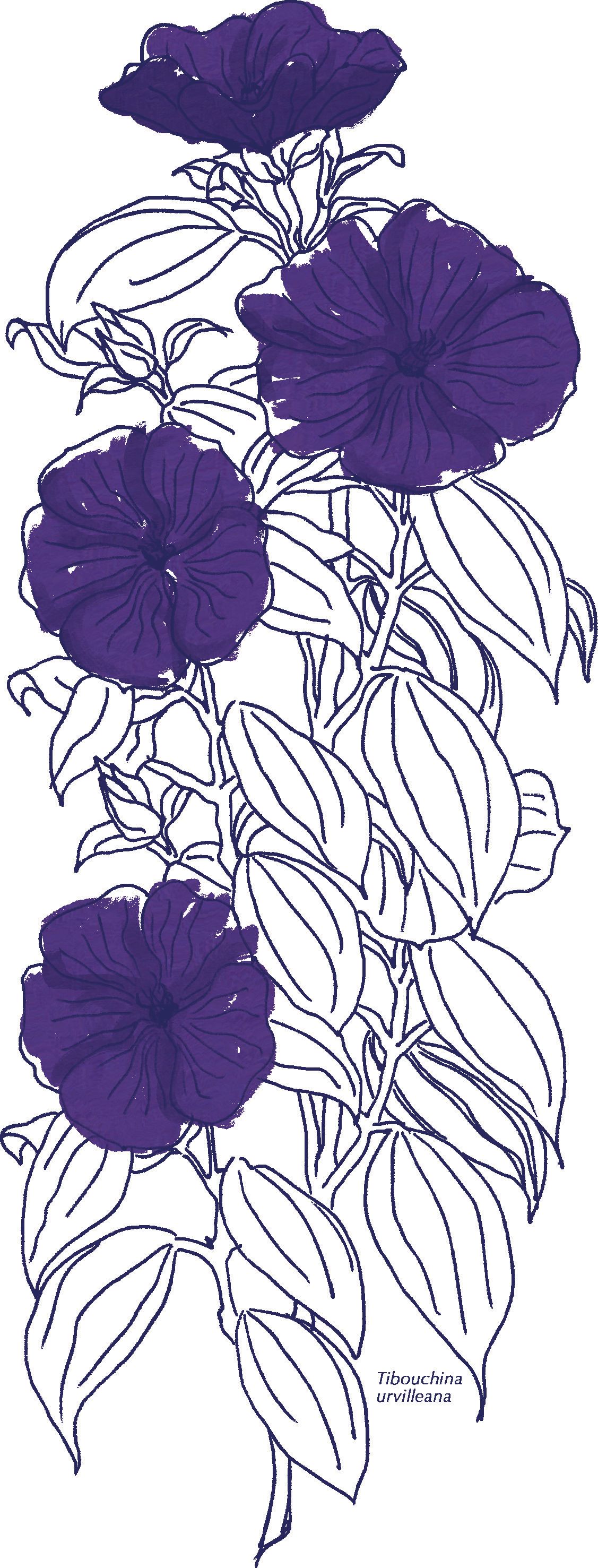
It was 1990, I was 24 years old when I opened a tree nursery with a friend. One day a nun from the local parish came in who wanted to buy a special plant for the Cardinal. If I remember correctly it was a Tibouchina. It has beautiful purple flowers and blooms until October. I promised her that I would visit the cardinal later to see if the plant was growing nicely. When I visited the dignitary he was rather moved that I had kept my word, handed me a business card, and offered me a job. I didn’t take up the opportunity at the time, but two years later when the economic crisis hit, I found the business card and called the cardinal. I was given the opportunity to apply to the Vatican. What was the entrance exam like? I imagine there are hundreds of applicants for such a position. It was a serious, three-day entrance exam. After the first round, there were 70-80 applicants left, and after the practical exams, we were down to about 25. Then, after the next practical test, where we had to demonstrate how to prune the tallest trees, there were only 10 of us left. How tall are these trees that so many were eliminated, and what could come next? These trees are a good 30-35 meters high... Then, on the third day, we had to identify the diseases of the plants and how to care for and treat them. And also some ecclesiastical questions.
Was it important that someone applying to be a gardener at the Vatican should also be religious?
Yes, it was a basic requirement.
So what came next?
From there it was a straight road to Castel Gandolfo? Not quite. I waited six months and then I got the call from the Vatican that I had been hired and my two-year probationary period began. The 10 applicants who stayed on for the last round were recruited because several former gardeners retired that year. They needed fresh recruits.
What was it like to start working on the estate as a newly appointed gardener?
It was a serious, responsible job. When I started at the end of the summer, John Paul II was still in Castel Gandolfo. It was an incredible experience to be able to meet him almost immediately. Before he went back to Rome, he invited all the staff and their families to an evening reception where he gave everyone a gift. There was a long table full of gifts and the Pope pulled a number from two bags. One number had a name on it and the other had a gift. Incredibly, he drew my name first.
Did he give it to you personally? What was John Paul like?
Yes, personally. Because I had only seen him on TV before, I thought he was an unapproachable person and maybe he was in the Vatican, but there in Castel Gandolfo, it was a different story. He was incredibly direct, open, and friendly with everyone.
Later, you had the opportunity to meet the subsequent heads of the Church. What were they like?
Three popes, three different eras. But perhaps the most intimate relationship was with Pope Benedict. He was the most reserved, but we went on several trips together. Of course, it was important to do all this in secret because these were semi-official programs. Only the commander-in-chief of the bodyguard came with us, and he was, of course, privy to it. One time, as I was tending to the gardens at dawn, Pope Benedict XVI’s car passed on the road. He had the car stopped and said, “Don’t you ever rest?”. I was doing my job, and I loved what I was doing. I said, “It is a gift for me to be here in this wonderful park and to take care of these exceptional plants.” And he said: “That is the secret of life: to do what you love, to trust in the Lord, and never to be afraid.”
You worked as a gardener, you were also a fireman and sometimes a cook. What were your duties?
Yes, I did make Argentine steaks for Pope Francis... It was he who eventually entrusted me with the whole estate. It was a great honor and responsibility. Others might have been frightened by the task, but not me. I was committed all the way. I managed and operated the estate and the park for five years. It was that required all one could give, every day was held a new challenge and offered constant learning. It was a period that shaped my personality. I loved it.
From a gardener’s perspective, how did Christmas go?
As in the Vatican, the biggest task in Castel Gandolfo was to put up the giant Christmas tree and the accompanying nativity scene in the main square. All surrounded by carefully arranged, planted greenery. Interestingly, unlike the Christmas tree in the Vatican, the Christmas tree in Castel Gandolfo is not a cut pine but arrives with an earth-ball, and is carefully planted back into the wild after the festive season. In addition, many gift baskets have been made, with produce and flowers from local producers. Many of these were sent to the Vatican, and some of the staff have also been transferred to the Vatican for the central decorating duties starting on 8 December.
What’s life like after 27 years as head gardener? What do you do these days?
I currently live in Pécs with my wife Ágnes and have started a gardening business. I left the Castel Gandolfo estate after almost three decades. Not only did I learn a lot about the estate, garden, and work, but also about human mentality. It was a very important time in my life as I got to know so many important and special people.
Author: Flóra Jámbor
Illustrations: László Bárdos

The article was originally published in Hype&Hyper's No. 10. issue. Enjoyed the read? Find Hype&Hyper's printed editions in the Store.