


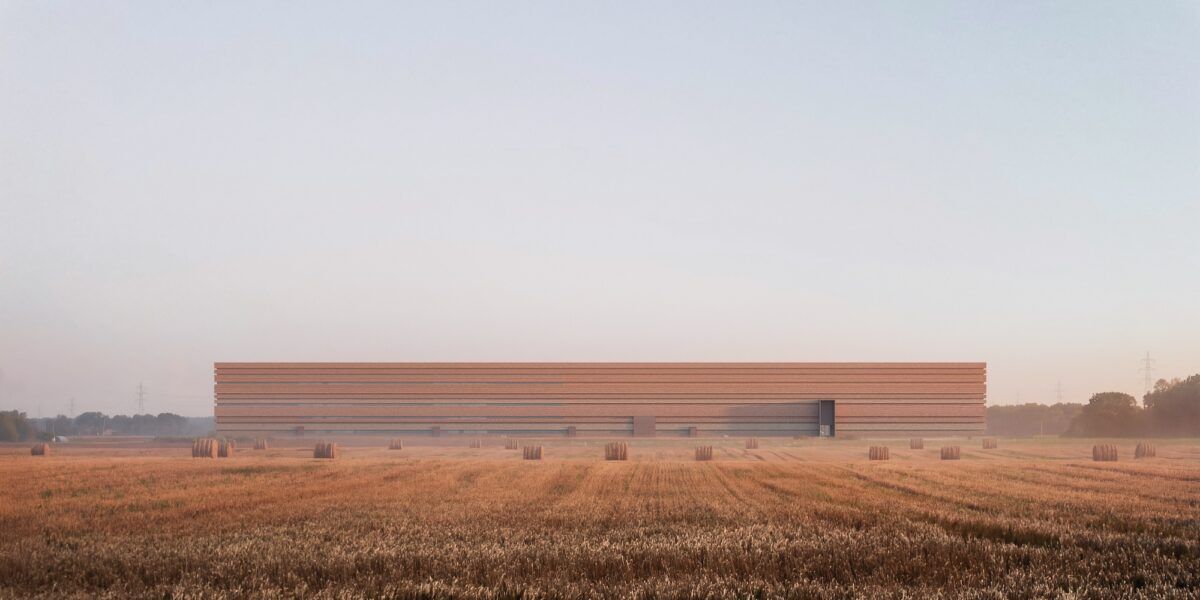
The architecture of preservation rarely takes centre stage. Yet the recently unveiled plans for the Collection Centre in Debrecen bring this building type into focus: an institution where materiality, massing, and spatial organisation primarily serve stability and long-term durability. As the new background facility of the Hungarian Museum of Natural History, the project offers restrained and consistent architectural responses to a highly complex functional programme.
In contemporary architectural discourse, museum design is most often dominated by visitor spaces, iconic forms, and strong visual presence. The Debrecen Collection Centre represents a different, less frequently discussed layer of museum infrastructure: the operational backbone that functions behind exhibitions and without which the museum system as a whole would not be sustainable. The 43,000-square-metre building will house the Hungarian Museum of Natural History’s collection of more than 11 million objects and specimens. This scale alone defines the architectural approach, placing climatic stability, precise storage conditions, and long-term operability at the core of the design process.
Brick Façade as Geological Reference
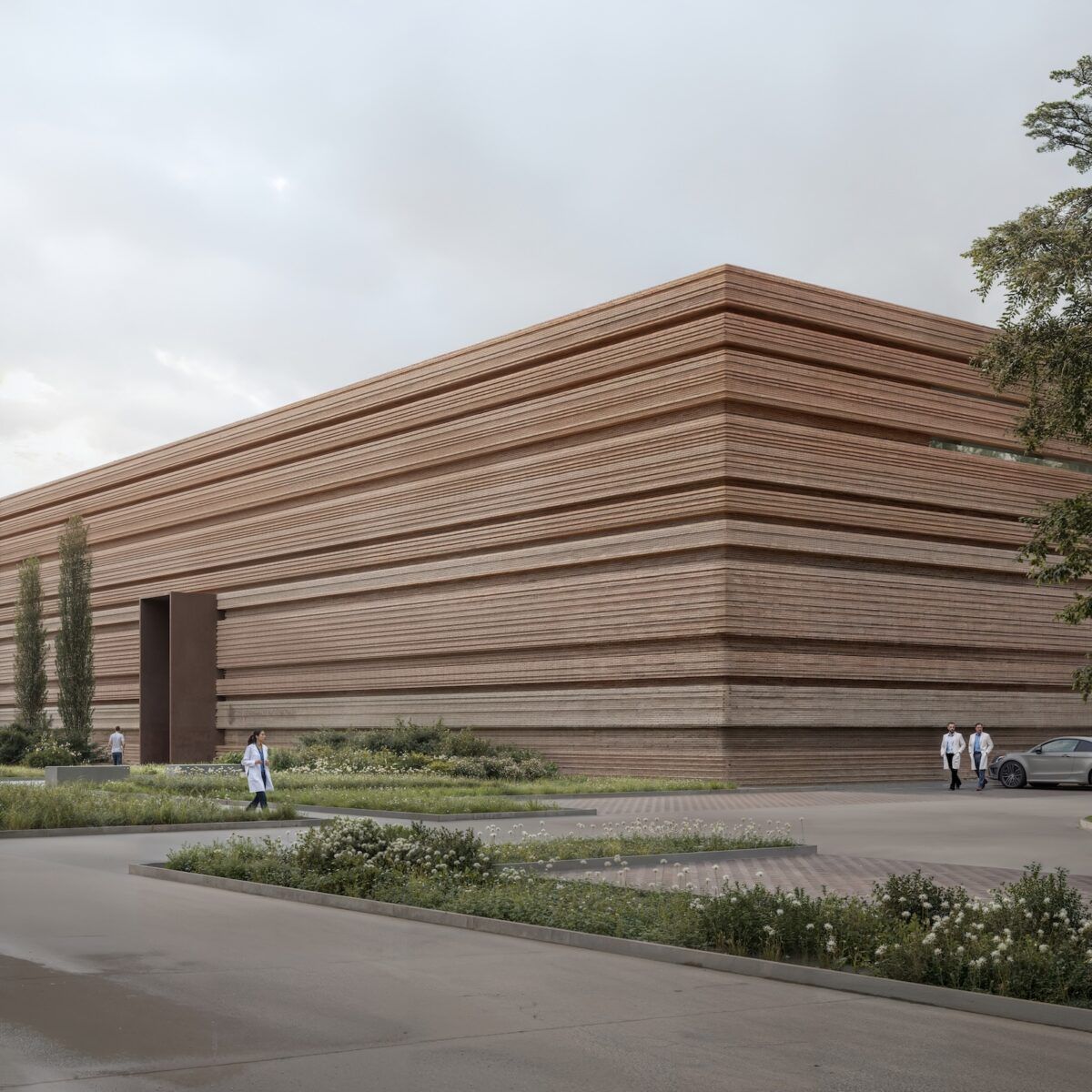
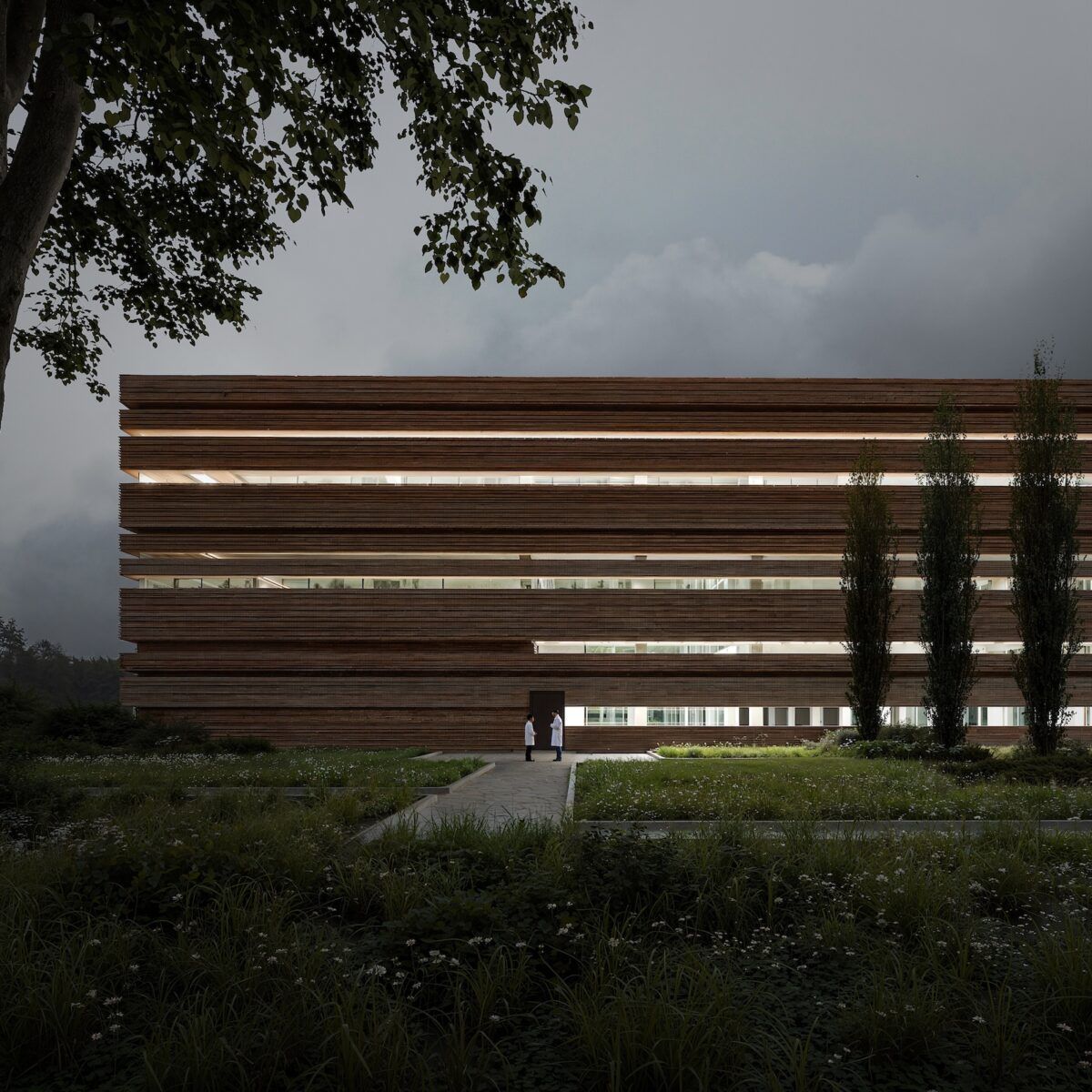
The international design competition was won by a team led by the Mexican architecture firm Sordo Madaleno, with Építész Stúdió as the Hungarian design partner and Buro Happold responsible for structural and building services engineering. The concept proposes a compact building with a closed massing strategy, deliberately avoiding excessive formal gestures. The volume is horizontally articulated, while its internal functions remain only partially legible from the outside. This architectural introversion follows directly from the building’s collection-based function: spatial organisation prioritises protection and a carefully controlled environment.
The most distinctive architectural feature of the Collection Centre is its layered brick cladding, which operates simultaneously as a material and narrative decision. According to the plans, the bricks will be produced using soils sourced from different regions of Hungary, allowing subtle variations in colour and texture across the façade to evoke geological stratification. This approach establishes a direct connection between the building’s appearance and its function: the façade reflects the temporal depth and material diversity inherent to natural history collections. The designers also reference the formal language of traditional clay vessels, historically associated with storage and preservation.
Interior Structure: Rationality and Clarity
The internal layout follows a strictly functional logic. Across three above-ground levels and a basement, the building accommodates:
– approximately 28,000 m² of climate-controlled storage space,
– around 6,000 m² of laboratory and research areas,
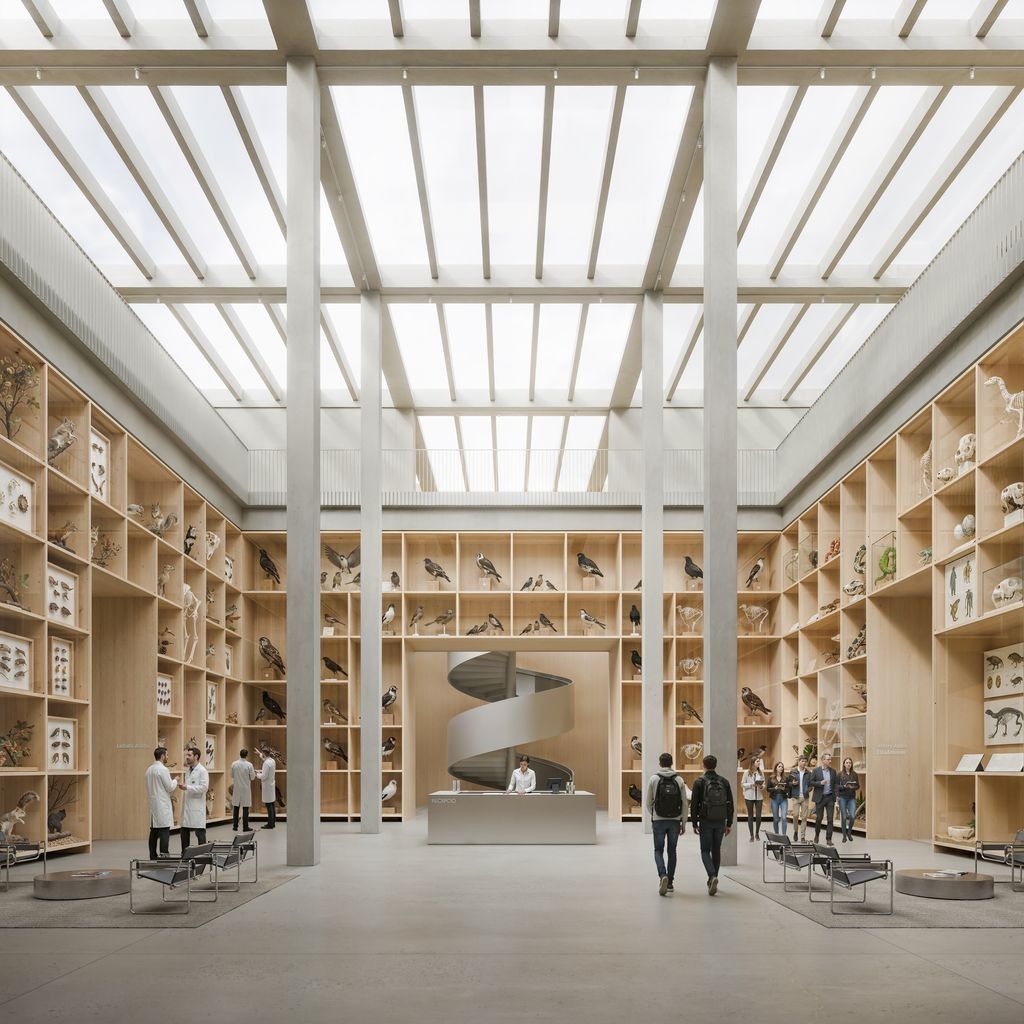
– and a three-storey, top-lit atrium.
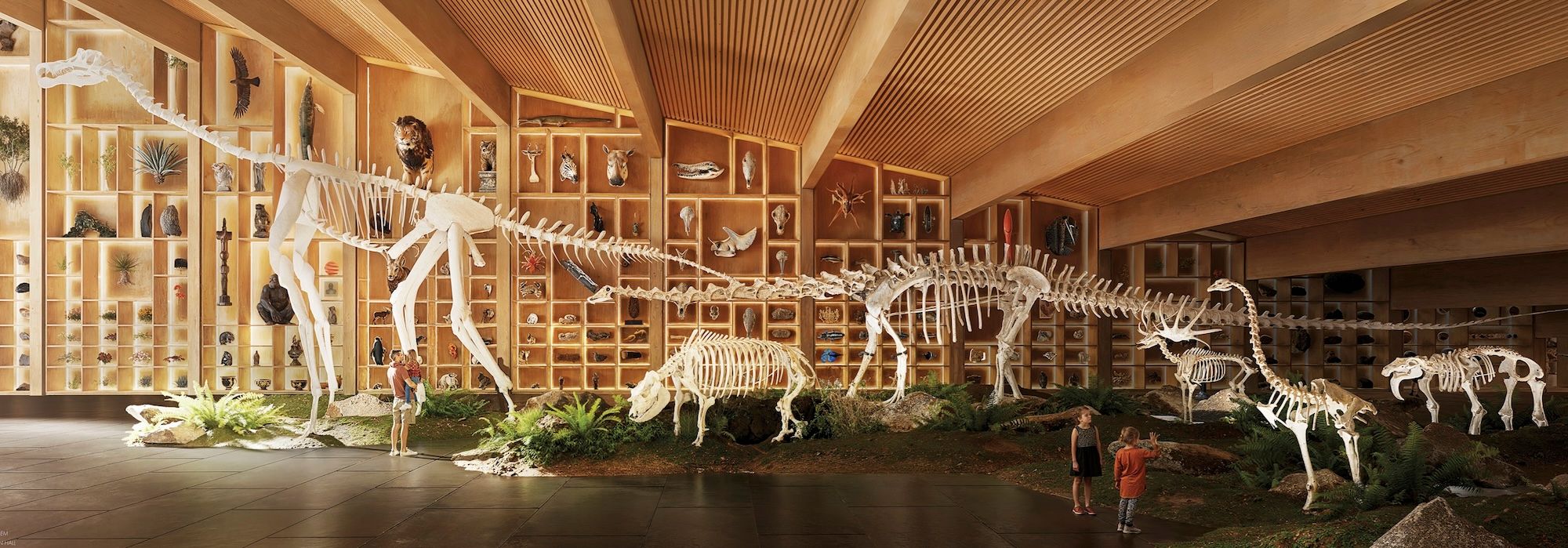
The atrium serves as one of the key spatial elements of the complex: an intermediate zone where educational programmes, professional presentations, and selected collection items can be displayed. Architectural solutions remain deliberately restrained here as well, with an emphasis on natural light and straightforward material choices.
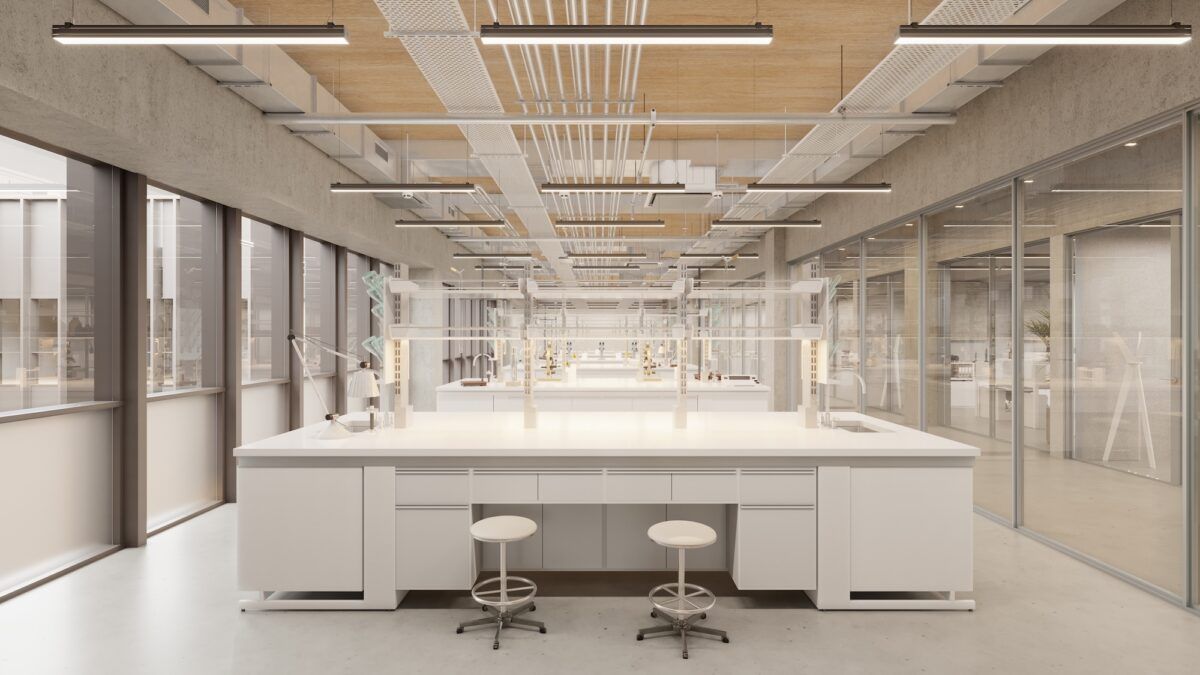
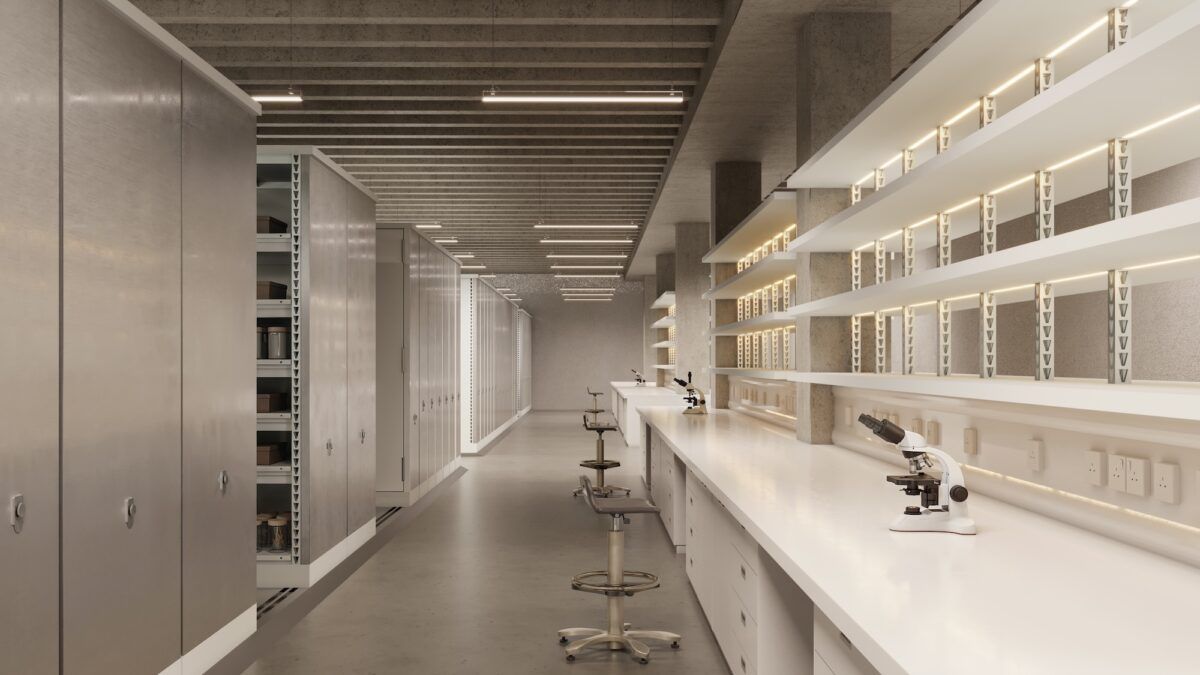
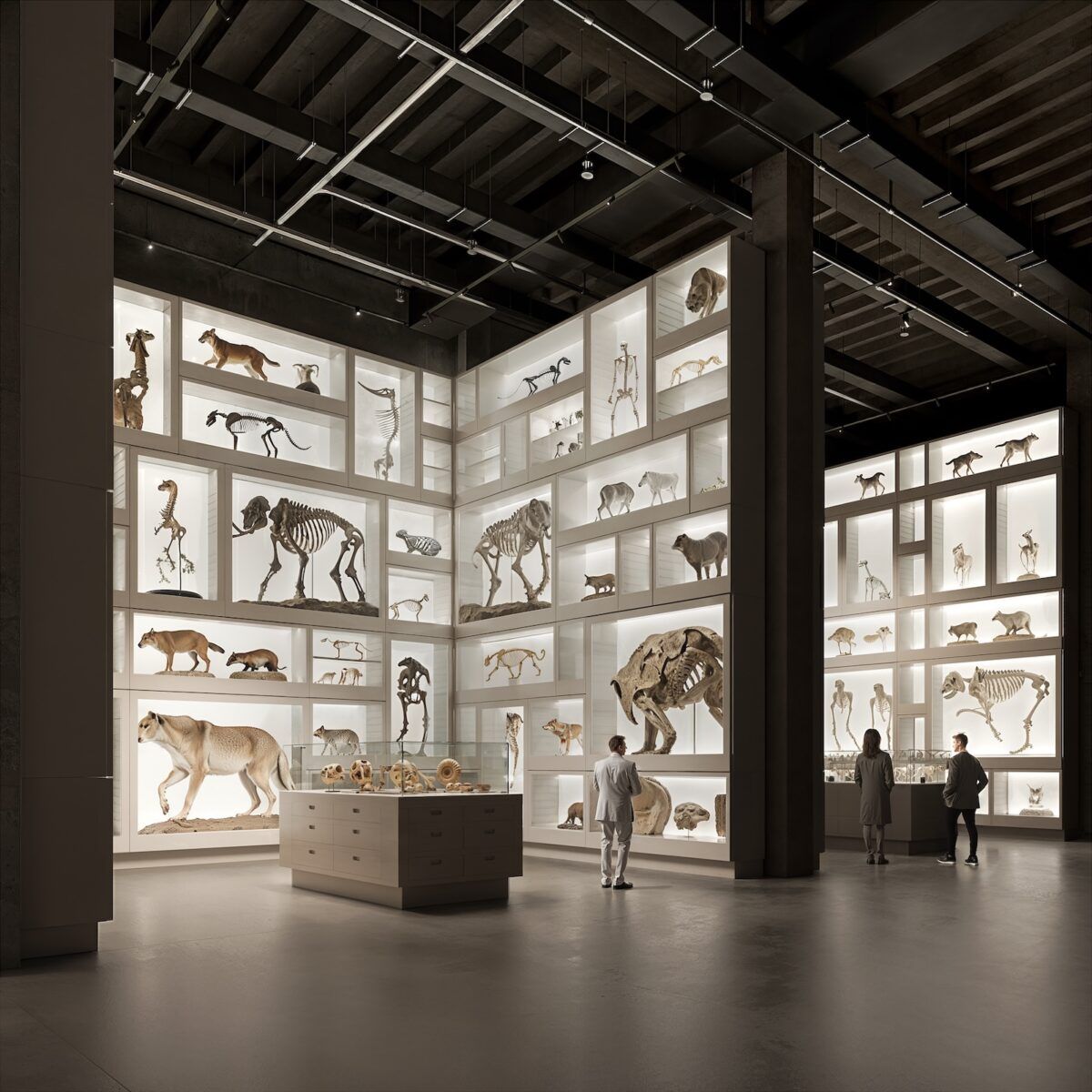
Wider Context: The Relocation of the Hungarian Museum of Natural History to Debrecen
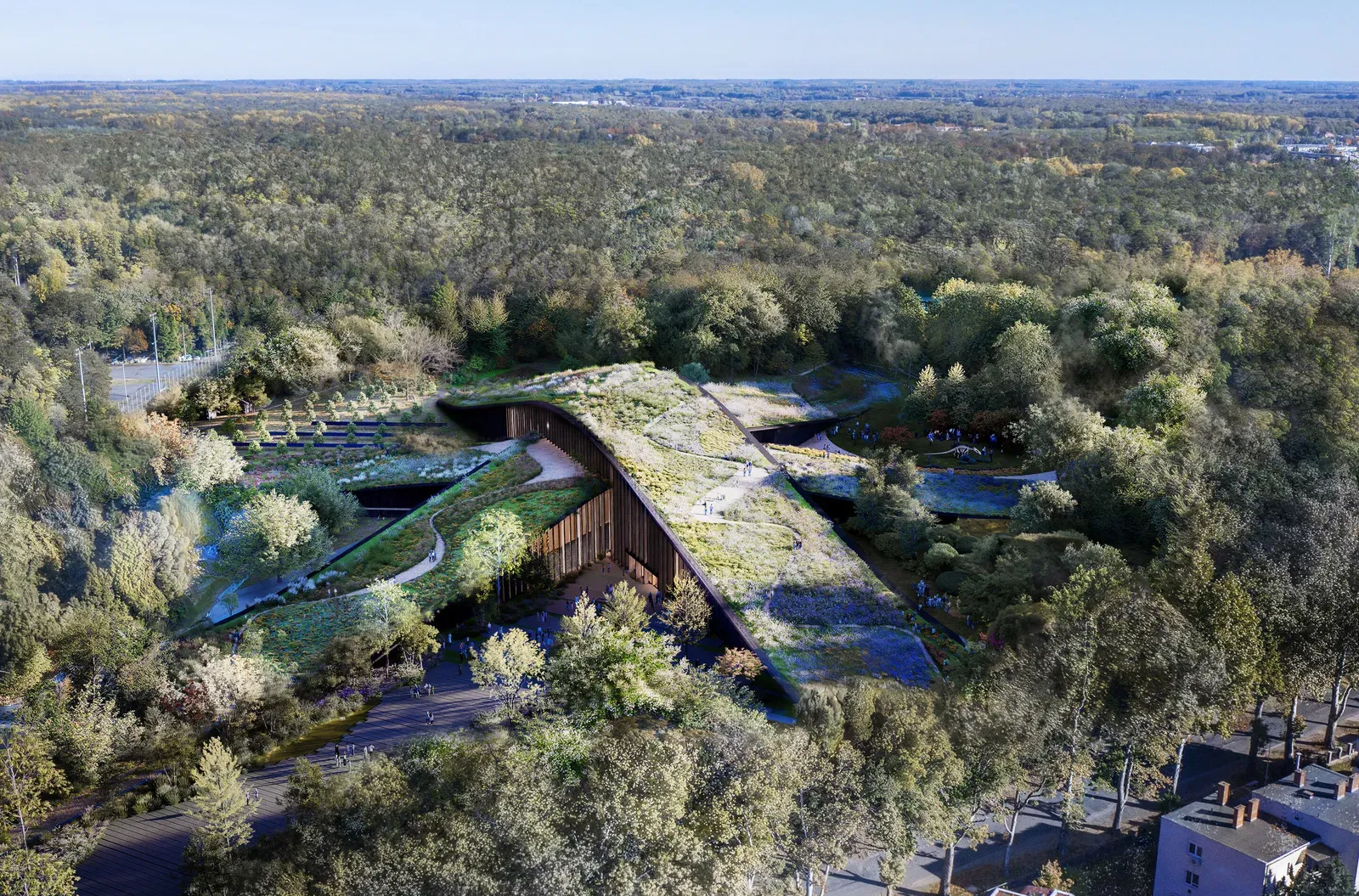
The Collection Centre is a fundamental component of the Hungarian Museum of Natural History’s relocation to Debrecen. The project’s other, far more widely publicised element is the new exhibition building designed by Bjarke Ingels Group (BIG), currently planned for the city’s Nagyerdő (Great Forest) area. BIG’s proposal presents a building deeply embedded in its landscape context, defined by green roofs, sculptural volumes, and a strong visual relationship with the surrounding natural environment. The design focuses primarily on visitor experience and on rethinking the relationship between architecture and nature.
The two Debrecen projects fulfil clearly differentiated roles. While the exhibition building addresses the public realm, the Collection Centre provides the operational infrastructure behind museum activities. Architecturally, this distinction is consistently articulated: one building is more open and landscape-oriented, while the other remains introverted and system-focused. Together, they form an institutional framework that positions Debrecen as a significant centre for natural sciences over the long term.
The architectural significance of the Debrecen Collection Centre lies in the way design functions here not as spectacle, but as an operational framework. Material selection, massing, and spatial organisation all point towards durability and predictable performance. This building is not conceived for short-term impact. Its role is to provide a stable foundation for research, preservation, and institutional operation over decades — with restraint emerging as its most important architectural quality.
Pictures, renderings: Hungarian Natural History Museum