


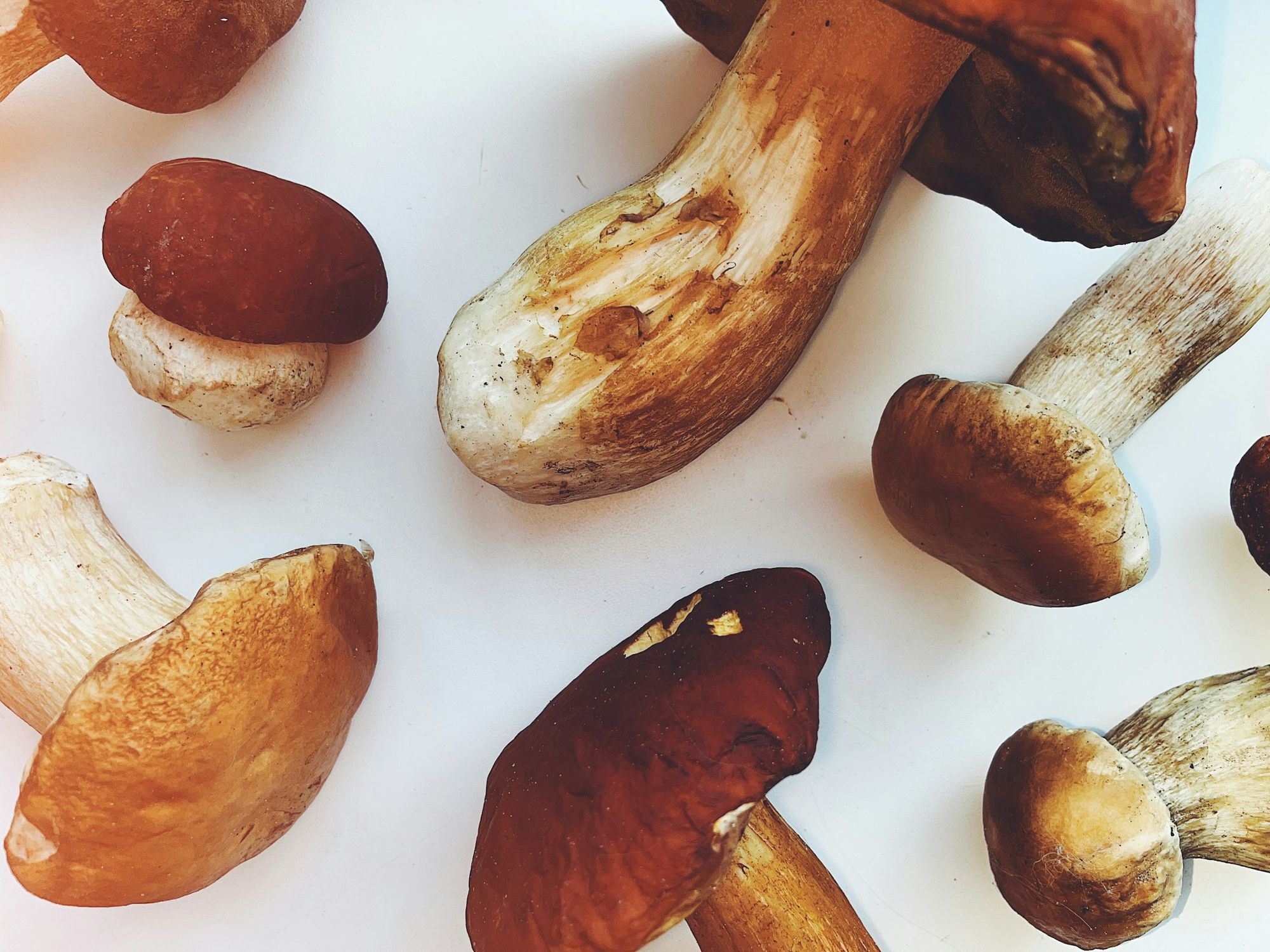
Secret spots, family mushroom-picking trips, porcini stored away for winter and Michelin-starred plates: in this part of Europe, mushroom foraging is much more than a simple weekend activity. In Poland and the Czech Republic, it is practically a national sport; here in Hungary, knowledge passed down through generations; and in the cuisines of the north, an increasingly exciting ingredient. One thing is certain: nobody is particularly keen to share their best spots.
There are people who return from a walk in the woods with a few nice photos, and then there are those who finish the same outing with a basket full of porcini, only to spend every spare minute over the next two days cleaning, slicing and preserving their haul. The latter are remarkably common in Central and Eastern Europe, where mushroom foraging is a pastime with its own rules, body of knowledge and – perhaps most importantly – a list of secret locations.
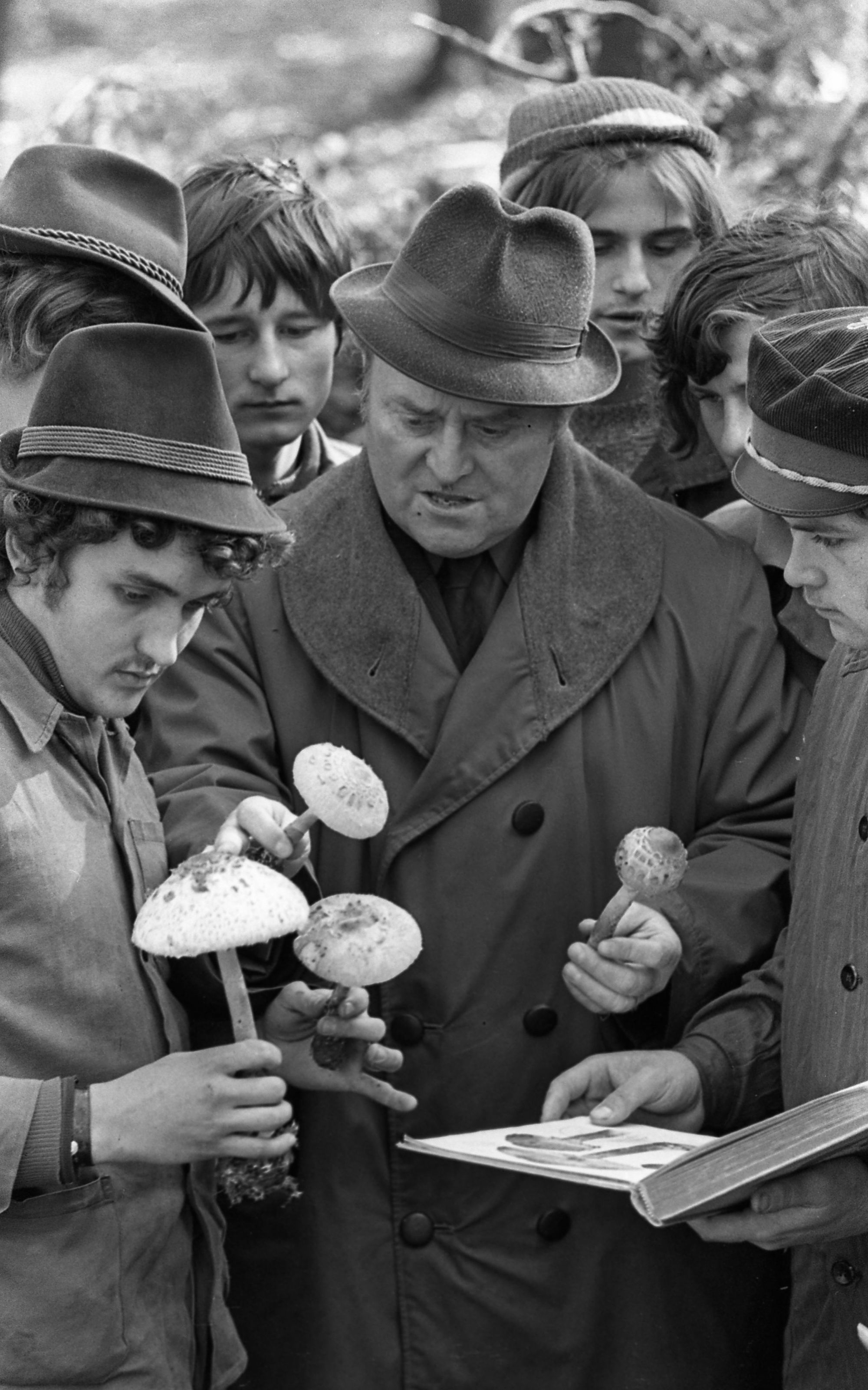
Those Who Seek Shall Find – and Preferably Keep Quiet About Where
The Poles even have a word for it: grzybobranie. The term simply means mushroom picking, but the cultural practice behind it goes much further. In autumn, families, groups of friends and dedicated foragers head out in search of the best possible haul; among the most popular varieties are porcini – known in Polish as borowik or prawdziwek – chanterelles, or kurki, and the orange milk cap, rydze. The latter is particularly prized: even simply fried in butter with a little salt and pepper, it makes a wonderful dish, and bringing home a good haul during the season is considered quite an achievement in the kitchen.
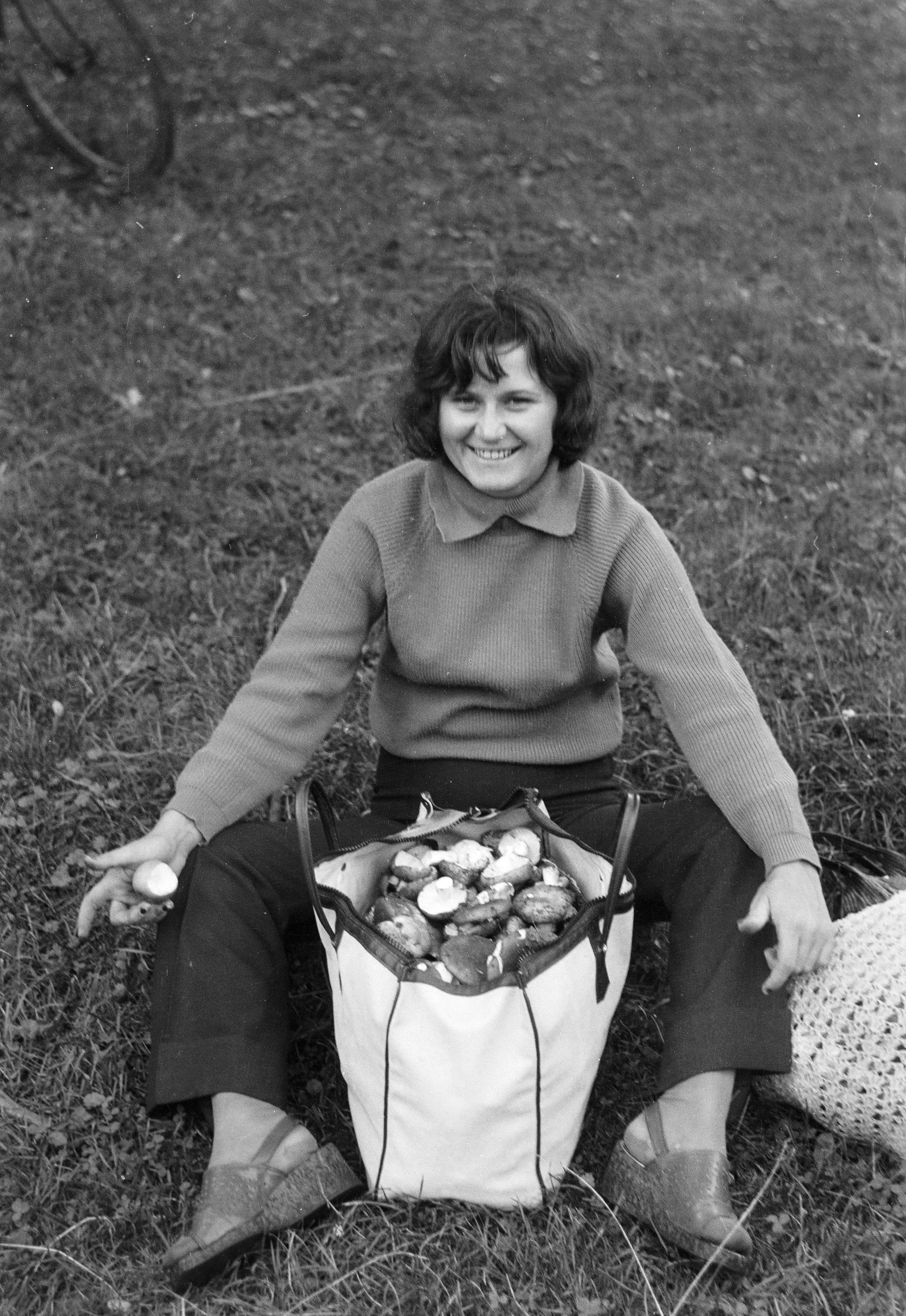
Mushroom picking also became an important communal activity in socialist-era Poland. In the 1960s, companies organised weekend bus trips for their employees, and foraging together in the woods became a popular way to spend leisure time. Competitions were part of the tradition, too, with prizes awarded for the finest specimens and even a mushroom-picking champion crowned. It was a proper exercise in woodland multitasking: since the haul was destined for both the weekend lunch table and the winter pantry, the outing combined recreation, food shopping and a social event.
The Czechs are just as enthusiastic. The word houbaření is part of everyday vocabulary, and mushroom picking is so widespread that a significant proportion of the population heads into the woods with a basket at least occasionally. According to 2025 figures from the Czech Ministry of Agriculture, households that go foraging bring home an average of 6.2 kilograms of mushrooms, which sounds more like a small-scale household logistics operation than a quick haul for dinner.
In Hungary, mushroom picking is less of a high-profile national sport, but it remains an important seasonal activity in rural households and at markets. In many places, mushroom knowledge is a family inheritance: some learn what to look for from their grandparents, while others pick up their expertise at local markets, from experienced foragers or from mushroom inspectors. The mushroom culture of the Carpathian Basin is regionally diverse, and the influence of neighbouring Slavic and German traditions can be felt in both the species people collect and the recipes they cook. There is one thing everyone seems to agree on: once you have found a good spot, you may be reluctant to find an entire family group waiting there the following morning.
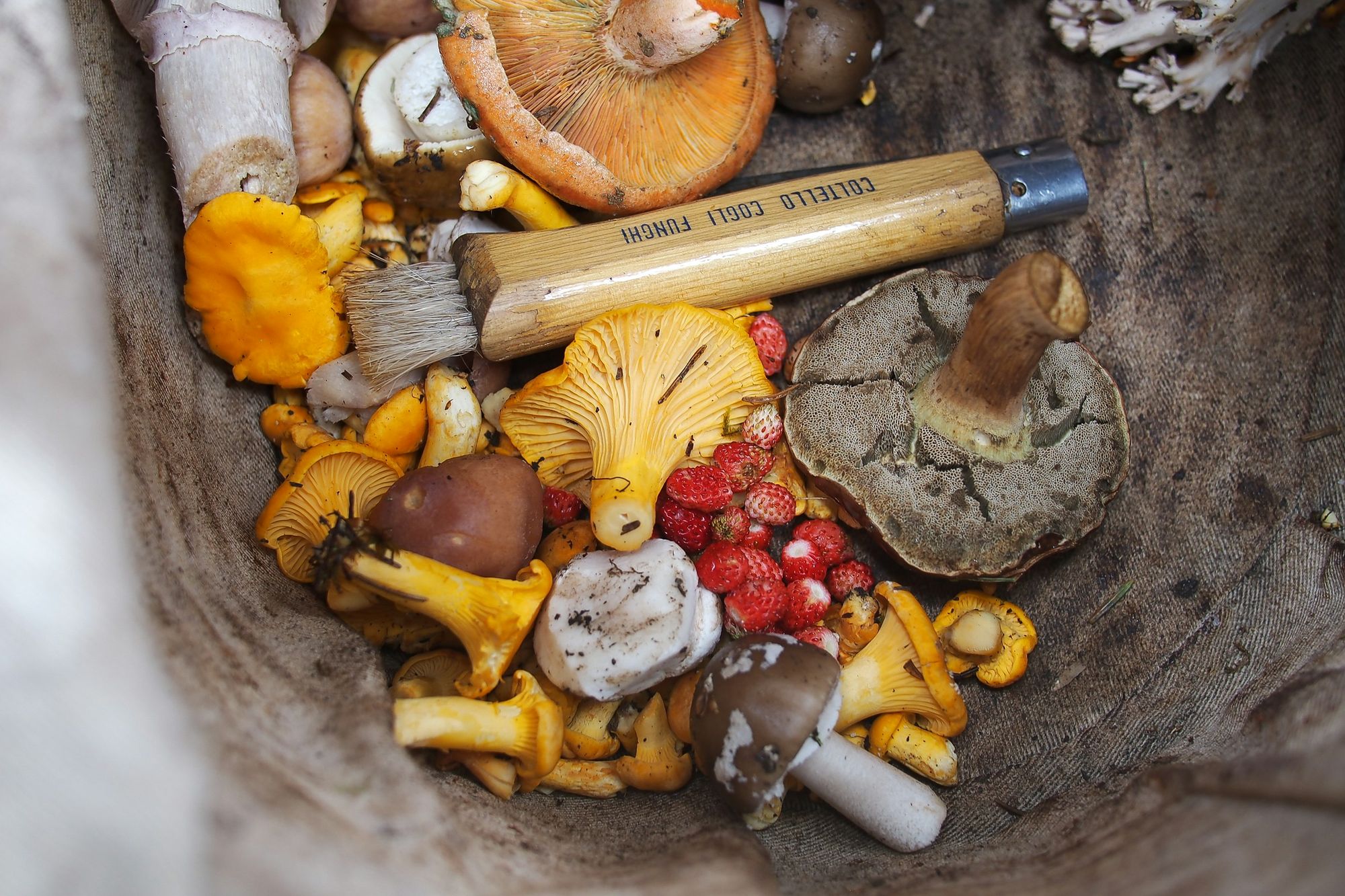
Secret Maps and the Digital Foragers
Local knowledge is the most valuable piece of equipment in mushroom foraging: you need to know which part of the forest to explore, which trees to look around and what kind of weather makes the timing right. A good forager looks for connections between trees, soil, rainfall and the season, since porcini, for instance, form mycorrhizal relationships with certain tree species – a mutually beneficial partnership between fungal threads and tree roots. Understanding these connections already gives you an advantage; inheriting the family's secret map gives you an even better chance of success. Sharing a foraging spot is a particular act of trust, and handing over exact coordinates can be a delicate matter even among close friends. In mushroom-picking communities, photos of the haul are often framed so carefully that the background offers no clues to the location: a tried-and-tested spot can remain productive for years, and few people would relish having to queue for porcini the following season.
The digital age has reached this world, too: Facebook groups, forums and apps help people identify species, follow the season and exchange experience. Photos and questions multiply in foraging communities at this time of year, but the question “Where did you find them?” rarely gets a precise answer. Mushroom identification apps are becoming increasingly sophisticated, yet entrusting your lunch to AI that works from photographs is still a risky move: a 2026 studytested several such tools, and even the best-performing app got it wrong in almost 15 per cent of cases – a rather poor success rate when a mistake can lead to poisoning.
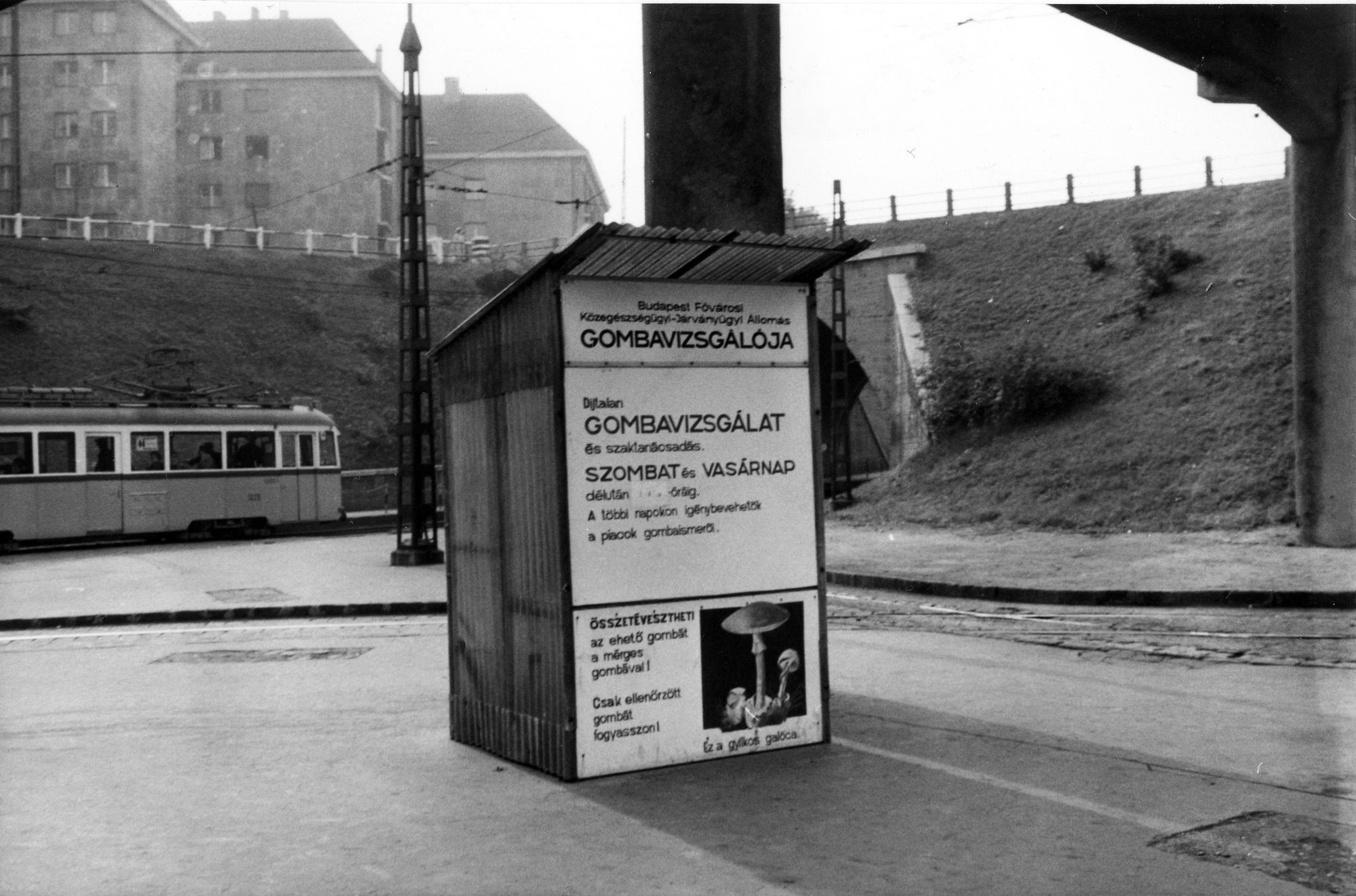
This is why professional mushroom inspection plays such an important role in Hungary. According to recommendations from the National Food Chain Safety Office (Nébih), wild-caught cap mushrooms intended for consumption should be presented to a qualified mushroom inspector; inspection points operating at markets and in certain towns serve precisely this purpose. Some poisonous species look deceptively similar to edible ones, so a mushroom identification app can at best offer supplementary help. It is still worth having the contents of your basket checked by a professional.
Chanterelles for Breakfast, Porcini for Christmas
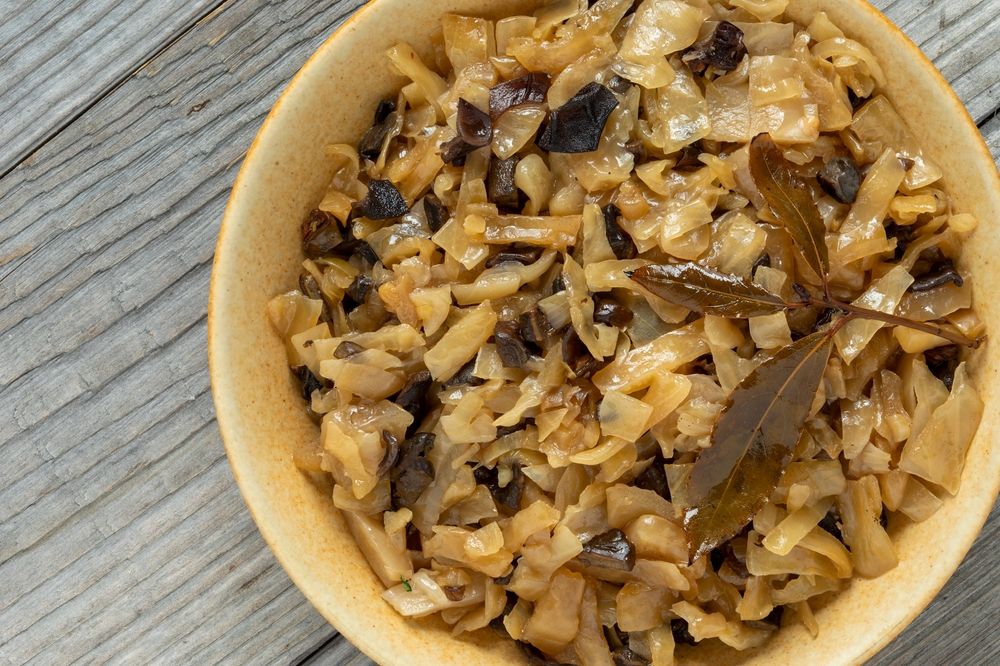
In Central and Eastern European gastronomy, wild mushrooms are important ingredients in seasonal cooking, winter pantries and festive meals. In Polish cuisine, for example, dried porcini are a staple of the Christmas season: the mushroom soup served on Christmas Eve is often made with dried forest mushrooms and accompanied by thin noodles, while mushrooms also feature in pierogi fillings, combined with sauerkraut. The small uszka dumplings served alongside beetroot borscht can also be filled with mushrooms, while kapusta z grzybami – sauerkraut with dried mushrooms – is another classic festive dish. Of course, the Poles know what to do with their woodland haul throughout the season, too: chanterelles with eggs are a popular breakfast, pickled mushrooms are served alongside meat and sausages, and larger parasol mushrooms are perfectly at home breaded and fried in oil – a kind of woodland schnitzel.
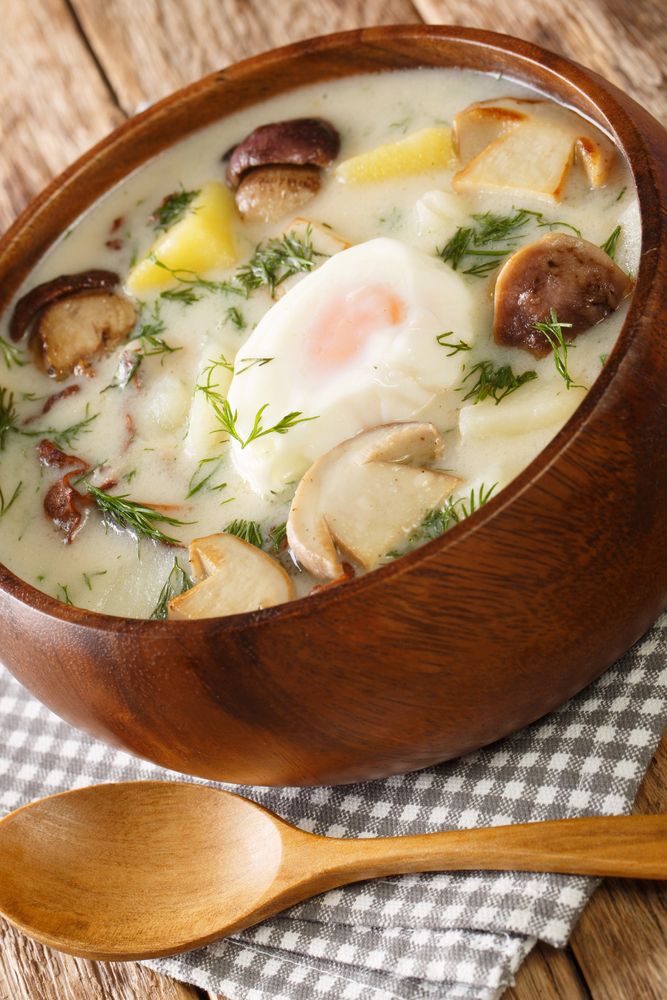
One of the best-known mushroom dishes in Czech cuisine is kulajda, a thick, creamy soup with sour cream and dill, bringing together potatoes and forest mushrooms. This tangy, creamy dish is a classic of Czech gastronomy, while smaženice is a much simpler affair: fresh mushrooms are fried with onions, scrambled with eggs and served with bread. The Christmas table may also feature kuba, a barley dish made with mushrooms, garlic and marjoram.
In Hungary, mushroom paprikash and creamy mushroom ragout are among the best-known home-cooked dishes, but mushroom soups, fillings and sauces have also long been part of the country's culinary repertoire. Fresh porcini are delicious simply fried in butter with a little garlic and parsley; dried, they lend soups and sauces a deep, concentrated flavour. The chanterelle's slightly peppery, fruity aroma works particularly well in creamy ragouts. Button mushrooms are available all year round, but the season for wild varieties brings an entirely different kind of excitement to cooking.
Along the region's eastern edge, in the Romanian–Ukrainian borderlands, mushrooms play an important role in everyday meals as well as during religious fasting periods. In the culinary traditions of Hutsul and Romanian communities, wild mushrooms appear in both Christmas dishes and meat-free fasting meals; ragouts made from dried mushrooms with sour cream, garlic and onions, along with filled pastries prepared for the Christmas table, show just how closely foraging is woven into the local food culture.
In Estonia, mushroom picking has become an almost automatic autumn pastime, although the tradition took hold relatively late: according to the Estonian Environmental Portal, collecting and eating mushrooms only became widespread towards the end of the 19th century. Before that, they were mainly eaten in the eastern and south-eastern parts of the country, partly as part of the fasting cuisine of Orthodox communities. Today, chanterelles are among the most popular varieties, often served in a creamy sauce with potatoes or grains.
Umami in the Pantry
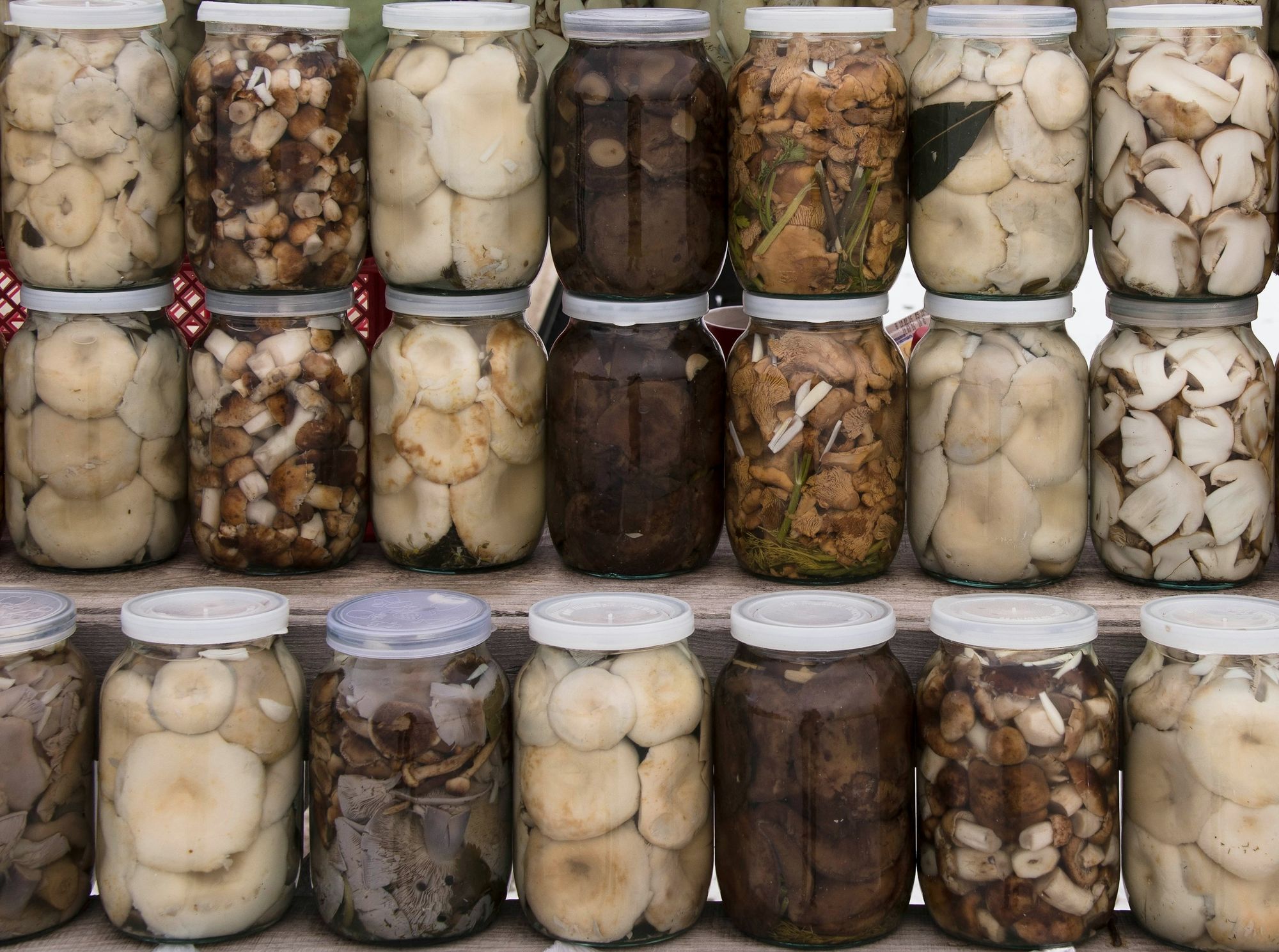
The season for fresh mushrooms is short, which is why the region's cuisines have long relied on various methods to extend their shelf life: drying, salting, fermenting or pickling them, with each process transforming their flavour along the way. Dried porcini, for instance, have a more concentrated, intense aroma than their fresh counterparts, while pickled mushrooms play an entirely different role at the table from chanterelles fried in a pan. Salting, marinating and drying mushrooms remain common practices in Estonia, while dried forest mushrooms are a staple of festive dishes in Polish cuisine. These traditional preservation methods have also found their way back into contemporary kitchens, although chefs now often work with them on a very different scale and with a much wider range of technology at their disposal. Mushrooms are naturally rich in umami, particularly when dried, which is why they are increasingly ground into powder and used as a seasoning in stocks, sauces and plant-based dishes. Kitchens working with fermentation use techniques such as koji, along with homemade mushroom sauces and concentrates, to add complexity to their flavour, while making use of stems and other less photogenic parts also helps reduce food waste.
From the Forest to Fine Dining
Wild mushrooms have become important players in contemporary kitchens built around seasonal, locally sourced ingredients. They are tied to a particular landscape, season and foraging tradition, while their textures and flavours lend themselves to a wide range of techniques. With chanterelles, for instance, it matters which forest they come from, what the weather has been like and at what point in the season they arrive in the kitchen – for chefs, this very variability is one of the ingredient's greatest attractions.
In Estonia, the proximity of the forest is clearly reflected on the menus of contemporary restaurants, too. Wicca, located in the seaside village of Laulasmaa beside a pine forest, builds its menu around local ingredients: alongside fish, game and seasonal vegetables, mushrooms also play an important role. Wild mushrooms regularly feature on the autumn menu at Fotografiska in Tallinn, where they bring local and Nordic culinary traditions together with contemporary techniques. In southern Estonia, Kolm Sõsarat sources a significant proportion of its ingredients from its own garden, nearby forests and local producers, bringing together culinary heritage and seasonal produce on its menu.
The kitchen at Villa Cattaleya, located in the Czech Beskids, draws on Silesian traditions and ingredients from the surrounding forests, although the restaurant leaves mushroom foraging to a specialist supplier. It is a sensible decision: identifying wild species accurately requires considerable expertise, and a mistake can have serious consequences. Woodland porcini may look beautiful on the plate, but in the kitchen, safety matters more than romance.
Opening photo: Unsplash/Roman Hnydin