


“We’ve learnt a thing or two since Grandma’s day” – contemporary Hungarian cooking beside the Basilica. We visited Abigél, ate and talked.
The streets surrounding the Basilica are challenging territory, gastronomically speaking. Here, of all places, there ought to be something of Budapest on show, yet every corner brings another promise that translates a little too readily. Goulash, lángos, paprika, with a handsomely framed cityscape on the side. Hungarian cooking is considerably more intriguing than that. Fortunately, Abigél Bistro is well aware of it. It has been with us since September, following a six-month transformation; before that, it spent 15 years welcoming guests as Nonloso.
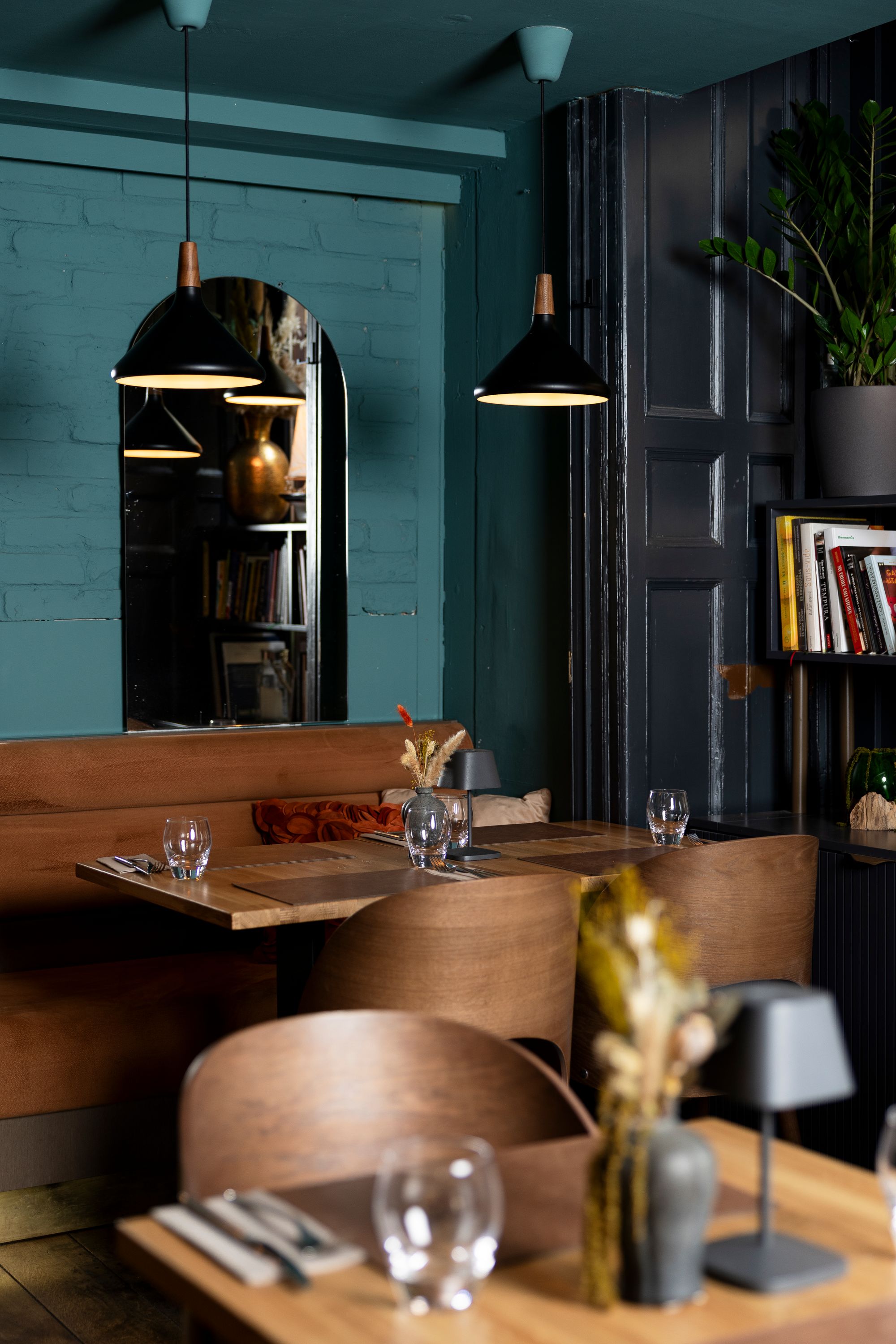
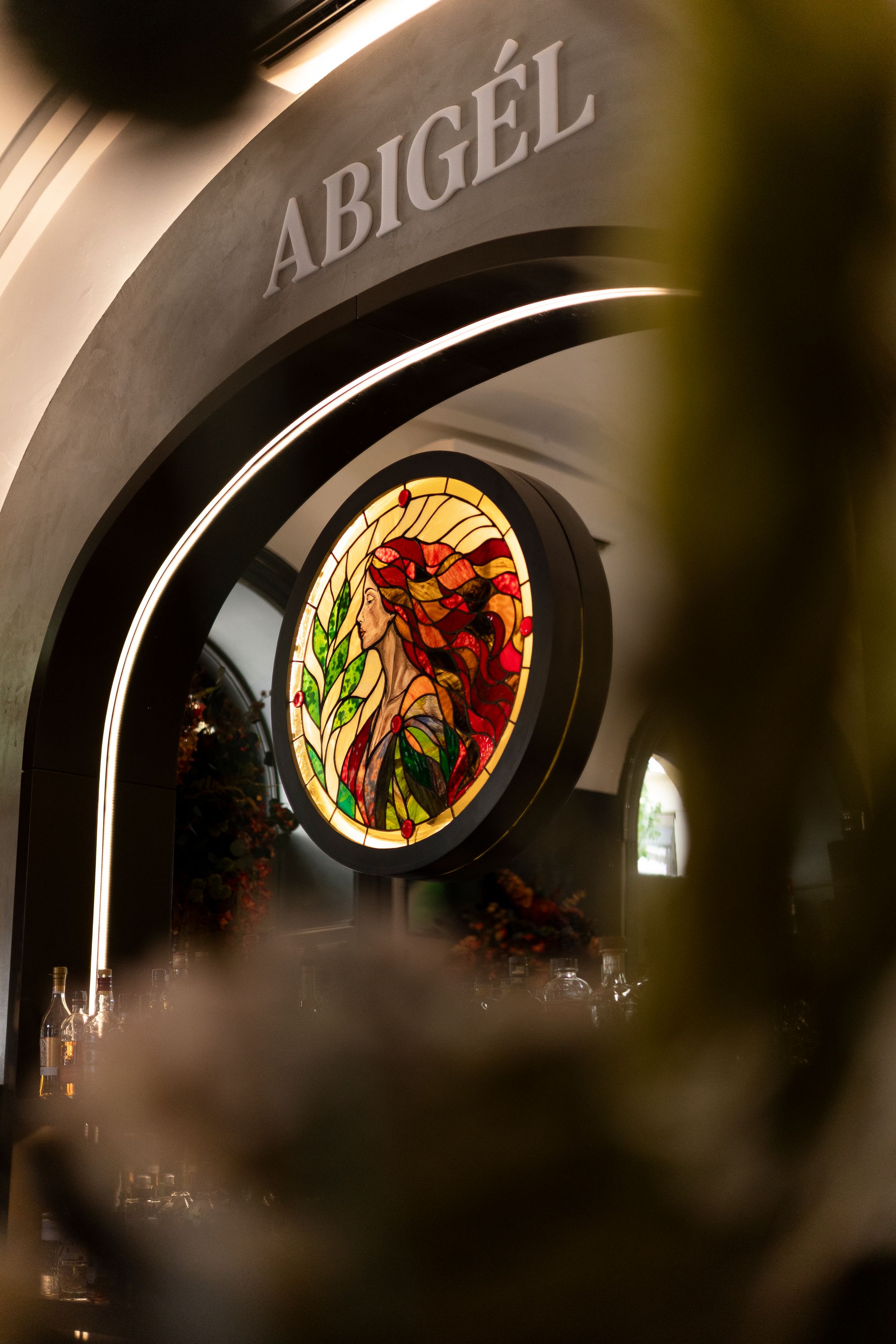
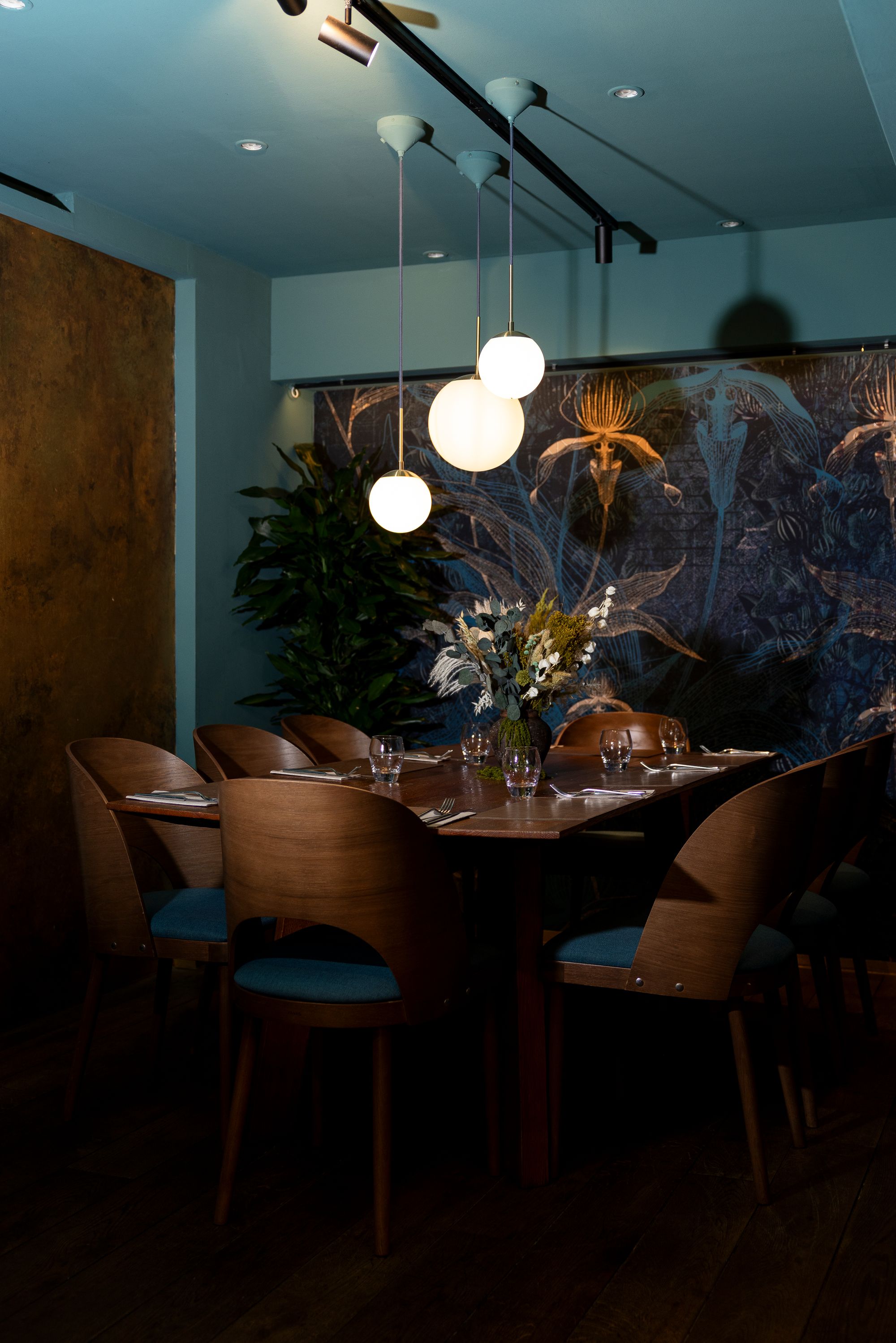
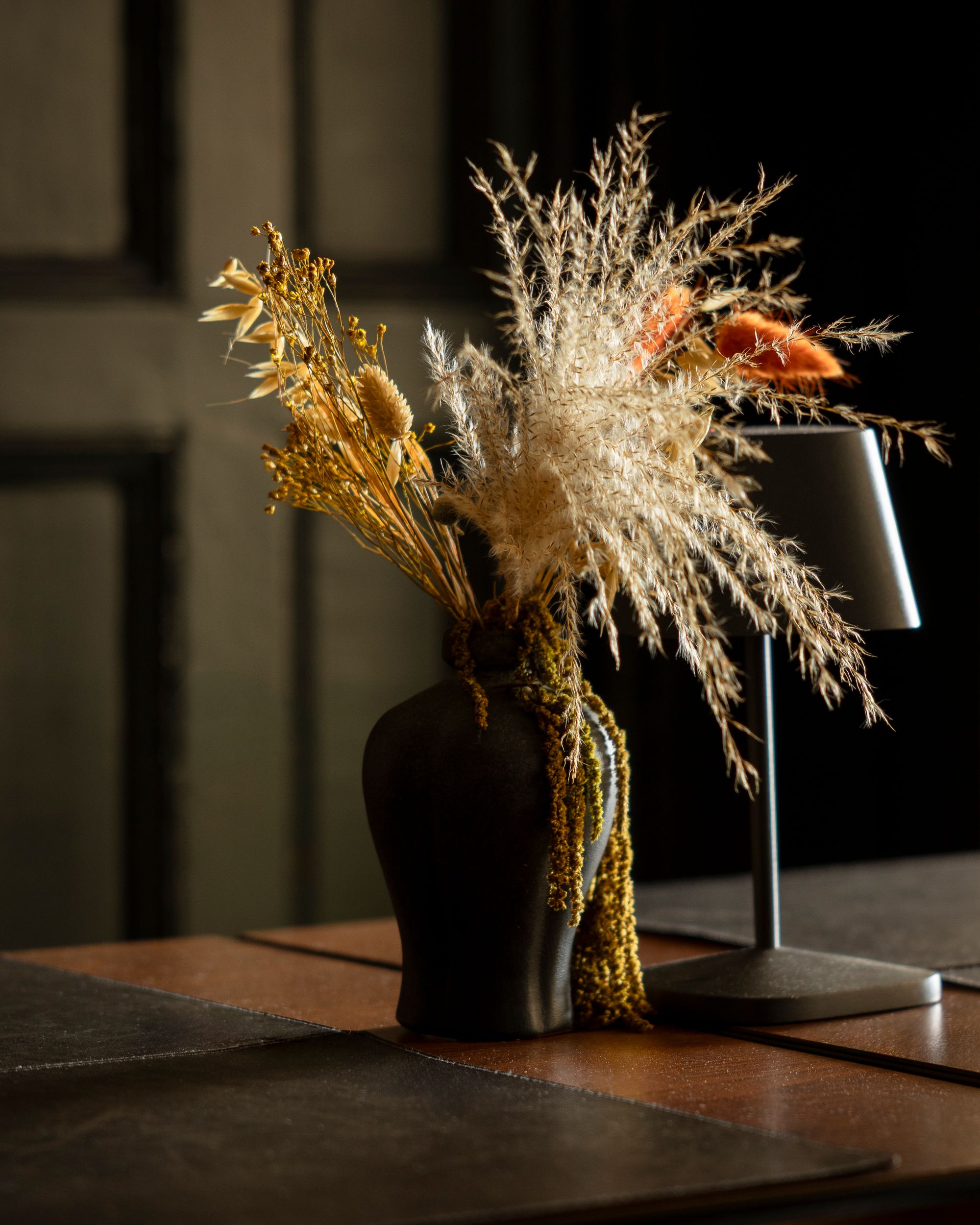
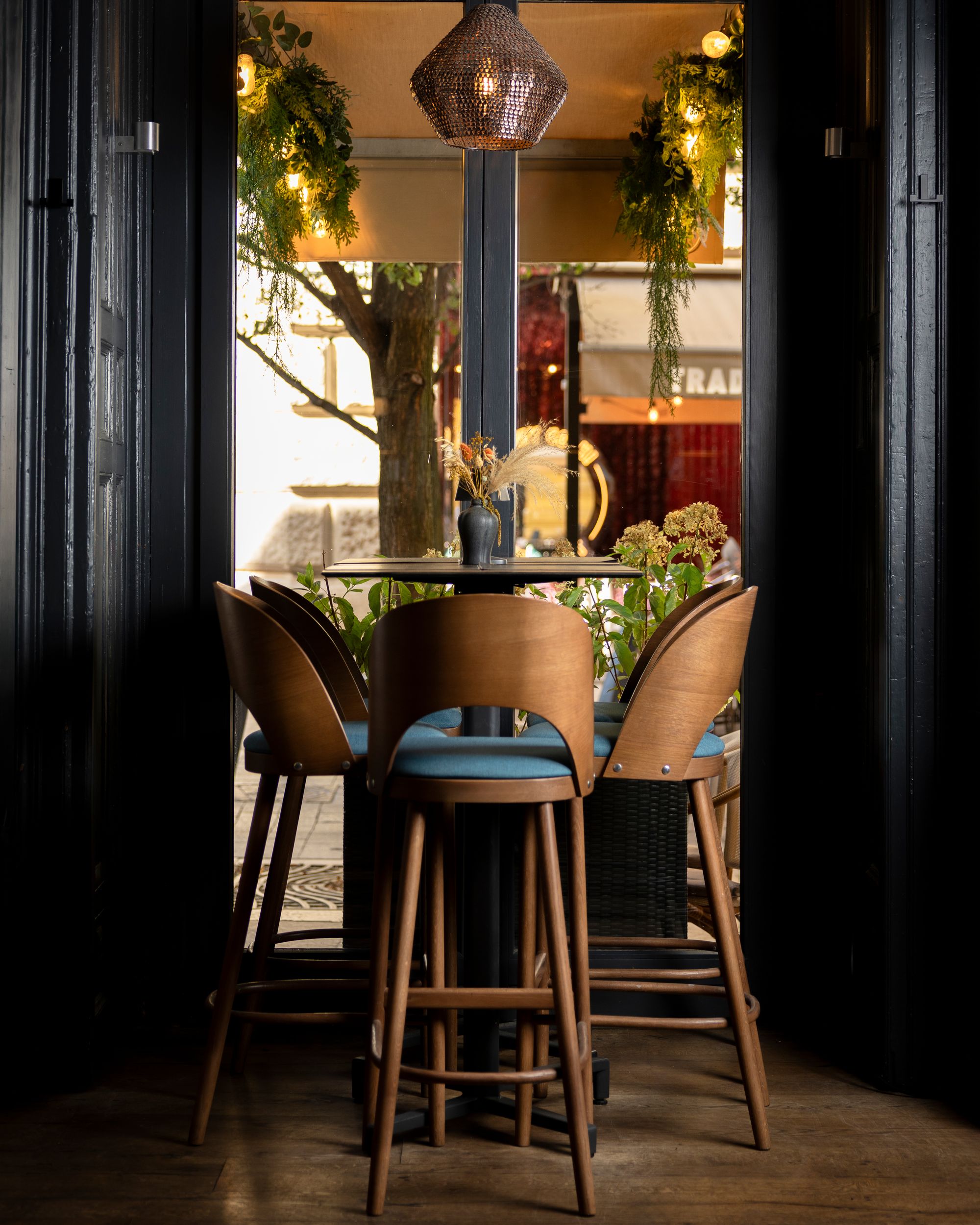
Simply stepping inside is a pleasure. Above the bar, a female figure in stained glass gazes back at us: the work of Csilla Soós, a Hungarian stained-glass artist from Slovakia. There is something quietly theatrical about her, as there is about the space itself. The interior was entrusted to a theatre set designer, and it shows in the proportions, the atmosphere, the way the room draws you into its world. It offers you a role. That of the guest. We are only too happy to accept.
Abigél feels new on first acquaintance, yet somehow familiar. It is precisely this sensation that the kitchen seeks to capture.
We’ve learnt a thing or two since Grandma’s day
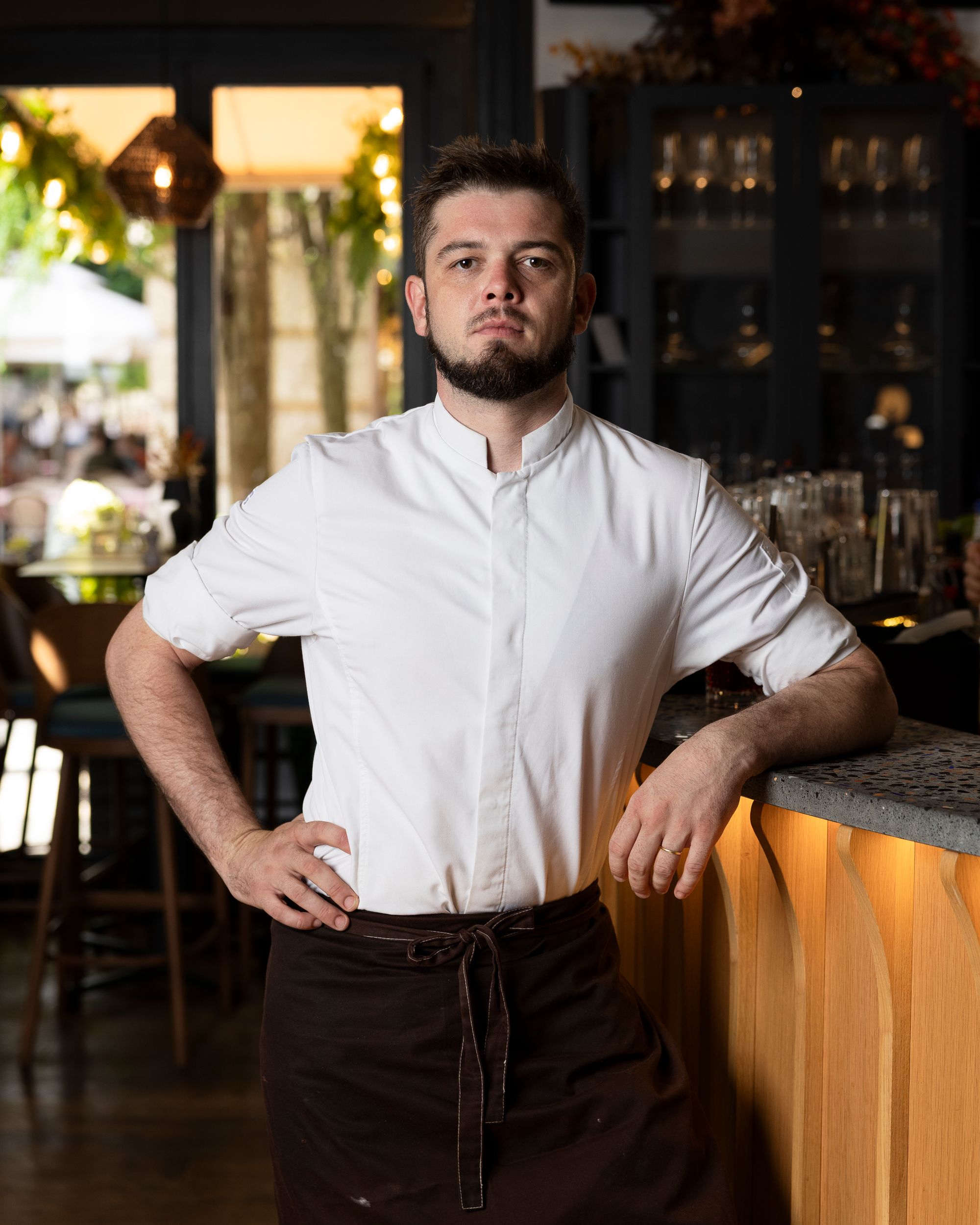
Head chef Pál Tóth’s experience spans Alabárdos in Szeged and the kitchens of luxury cruise ships. By his own admission, fine dining is no longer his world. The contemporary Hungarian bistro, however, very much is. He wants to create somewhere equally worth visiting for a family dinner, a business lunch or a meal during a stay in Budapest – and worth returning to, too. Somewhere the experience comes with a proper portion.
“Contemporary Hungarian” is, of course, a perilous phrase. Easy enough to put on a sign; rather harder to put on a plate. Particularly here, where the kitchen must speak both to visitors encountering Hungarian flavours for the first time and to local diners whose opinions on paprika potatoes are firmly established long before they open the menu.
Fortunately, Pál has no desire to dwell endlessly on how well he ate at his grandmother’s table. Childhood flavours matter, but he is equally interested in what he has learnt since. What his craft, his experience and his own way of seeing things can bring to them. Nostalgia is the point of departure here; the kitchen must do the rest.
And it does.
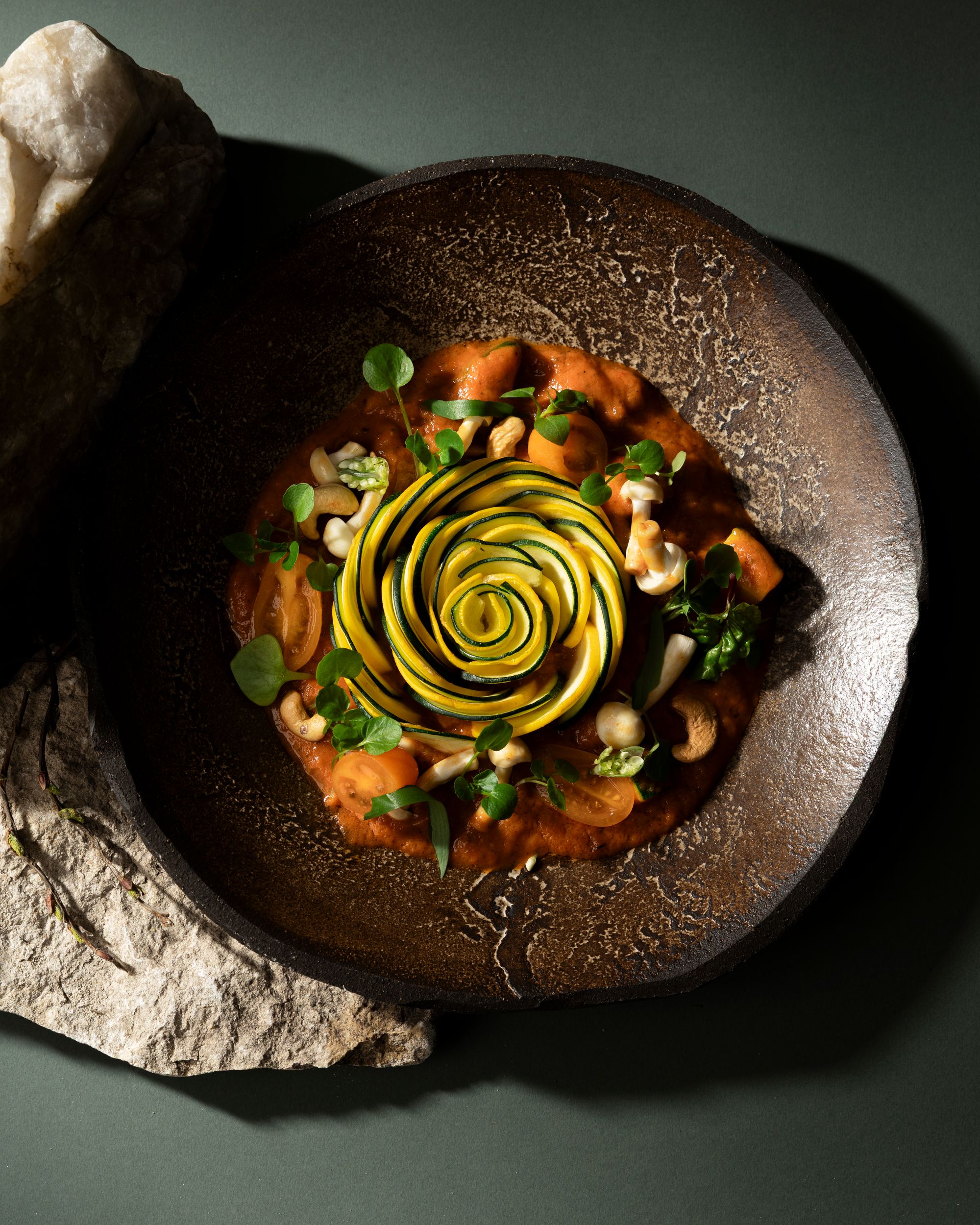
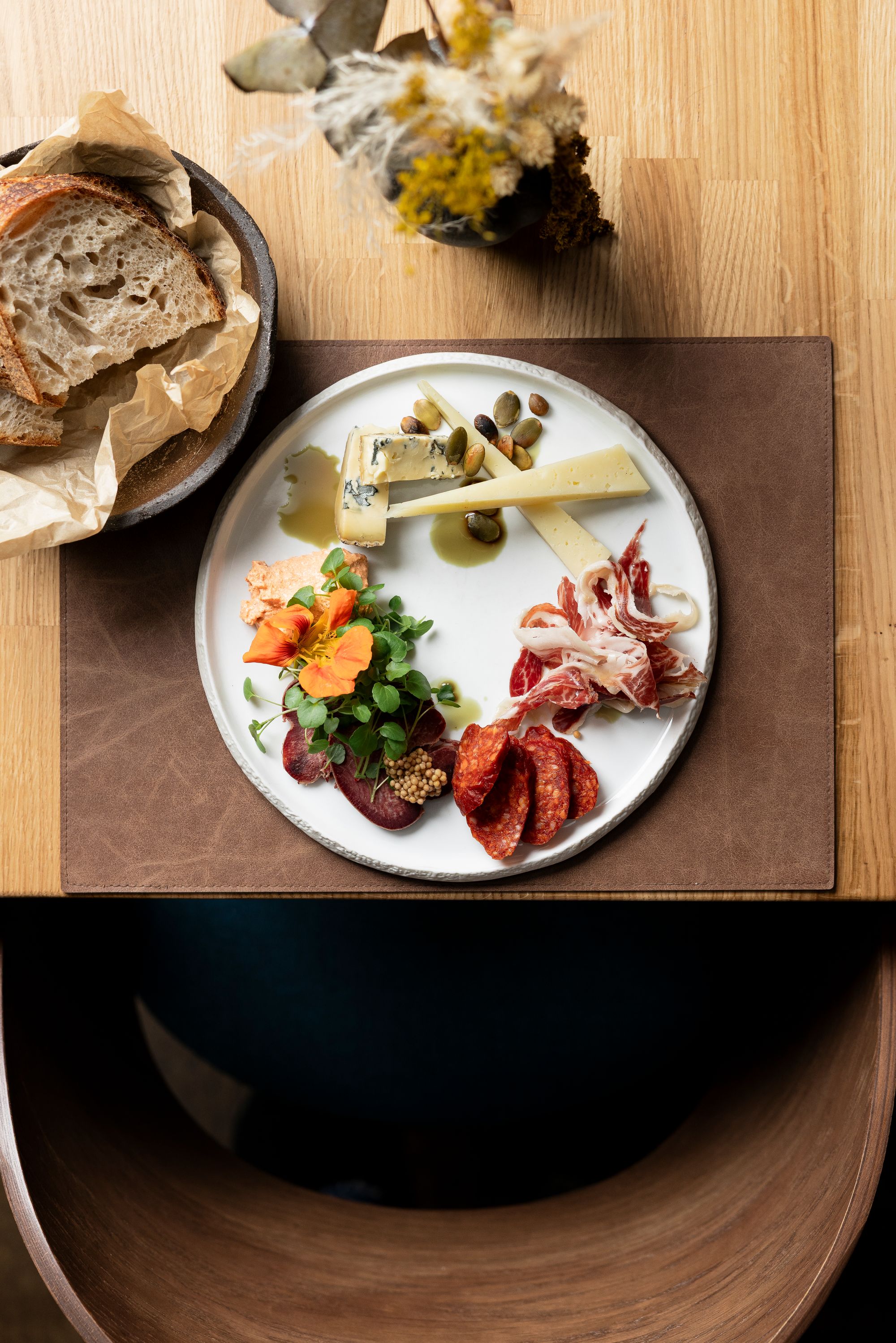
Twelve hours for the ribs, a few happy minutes for us
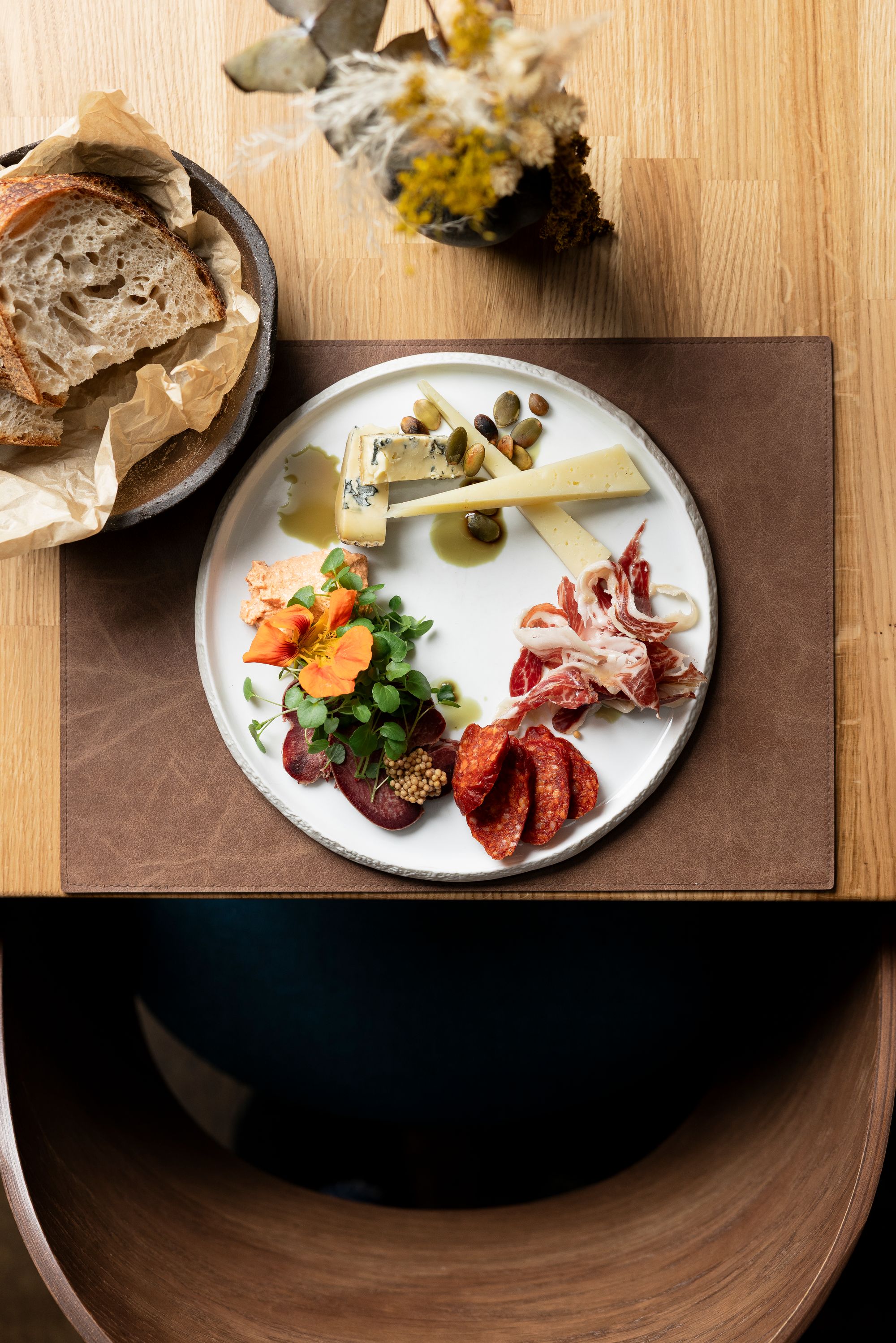
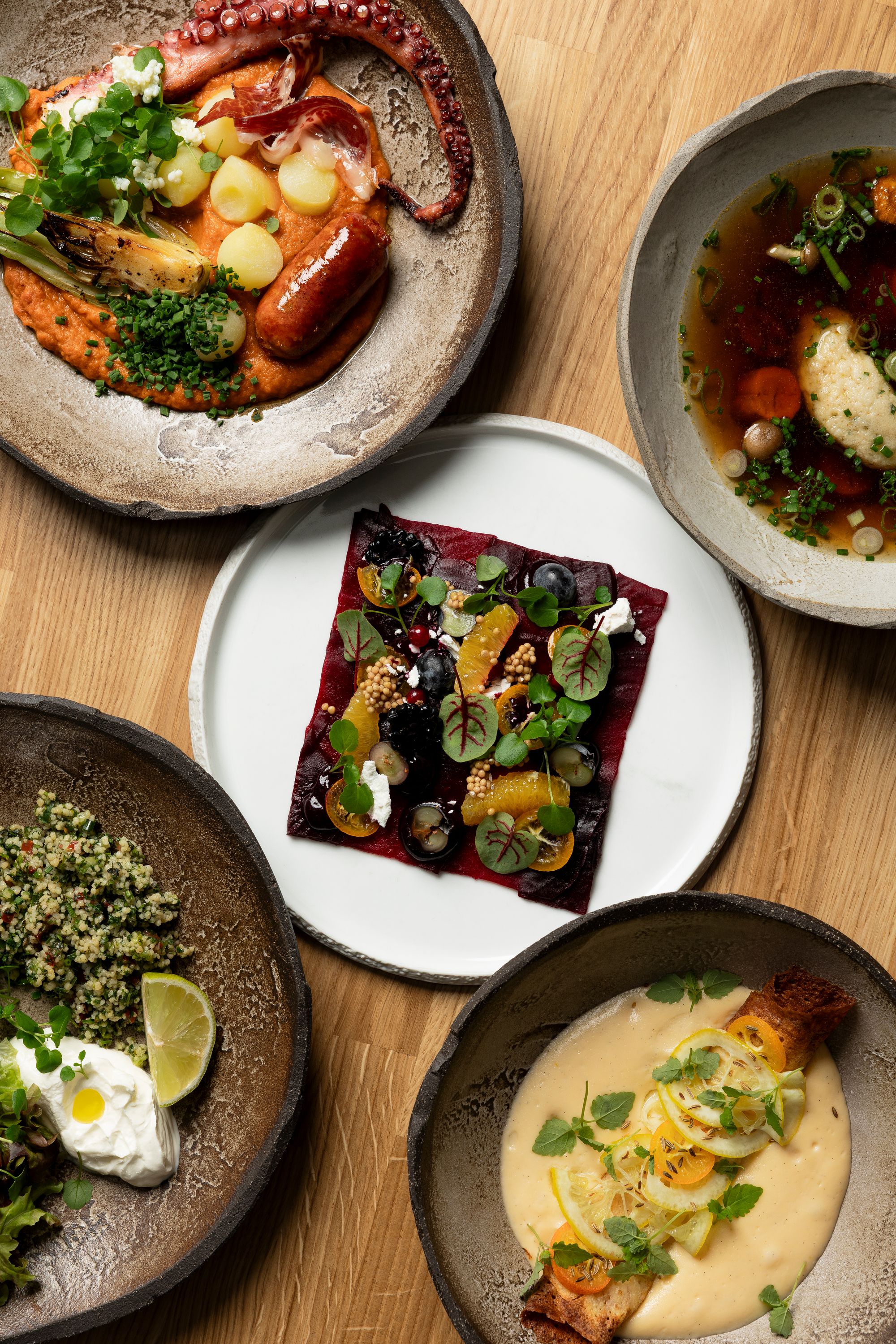
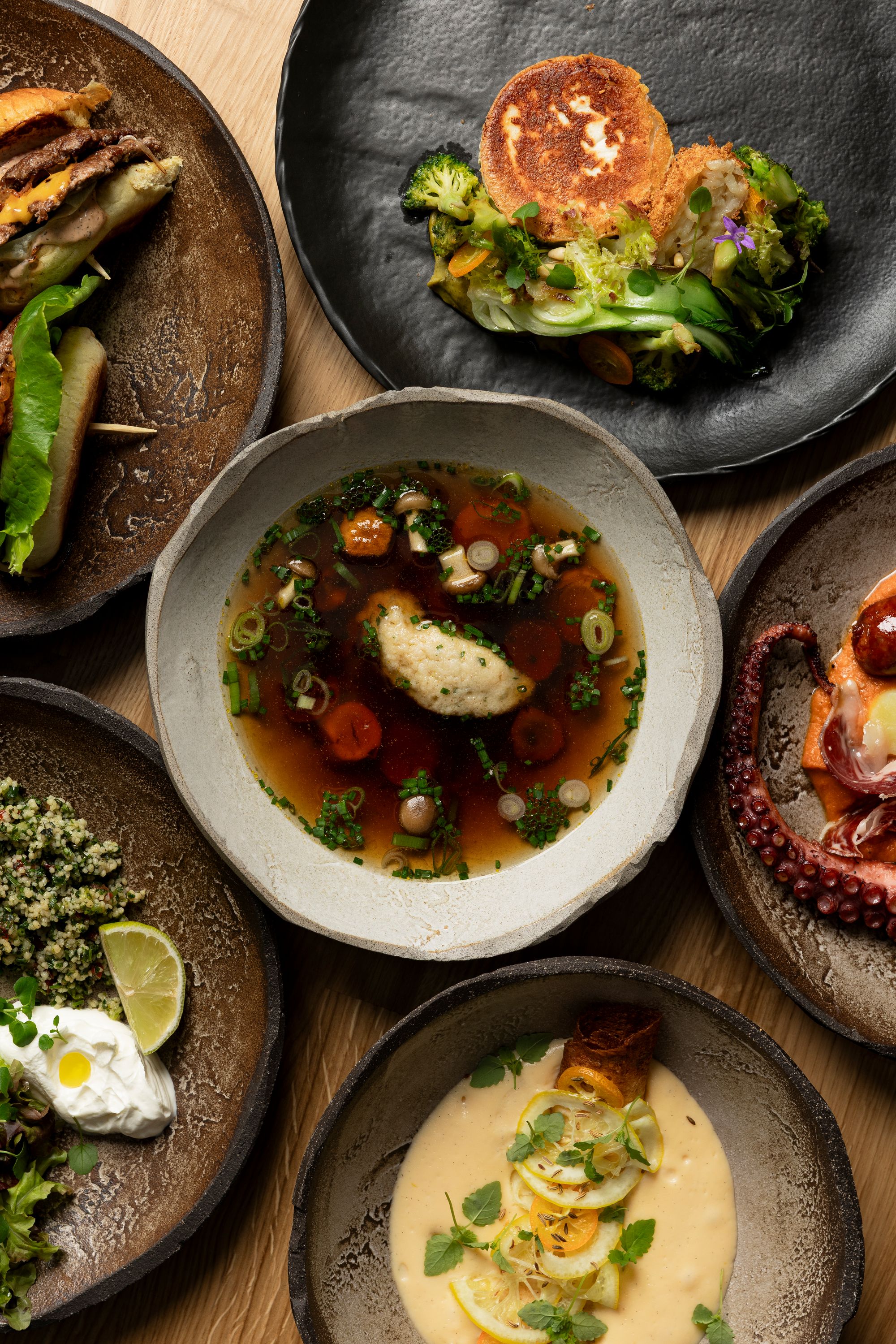
A little salmon accompanies the squash, courgette and goat’s cheese. A light, seasonal composition, it offers an apt introduction to the ease with which Abigél moves between Hungarian and international cooking. There is a willingness to explore new elements, while the flavours remain readily intelligible.
Then come the pork ribs. Slowly cooked over 12 hours, they possess everything that makes this dish so appealing. They are not over-seasoned, nor does every mouthful insist on telling you how much work has gone into it. They are simply as they ought to be. Behind such simplicity, though, there is generally someone who knows precisely when to leave an ingredient alone.
The paprika potatoes acquire a few fresh accents, too. Sausage from Ozsvárt Kolbászműhely, an artisan producer in the Balaton Uplands, demonstrates just how much an ingredient of character can bring to a familiar dish. The paprika potatoes nevertheless remain recognisably paprika potatoes. Thankfully. There are things whose identity is worth preserving.
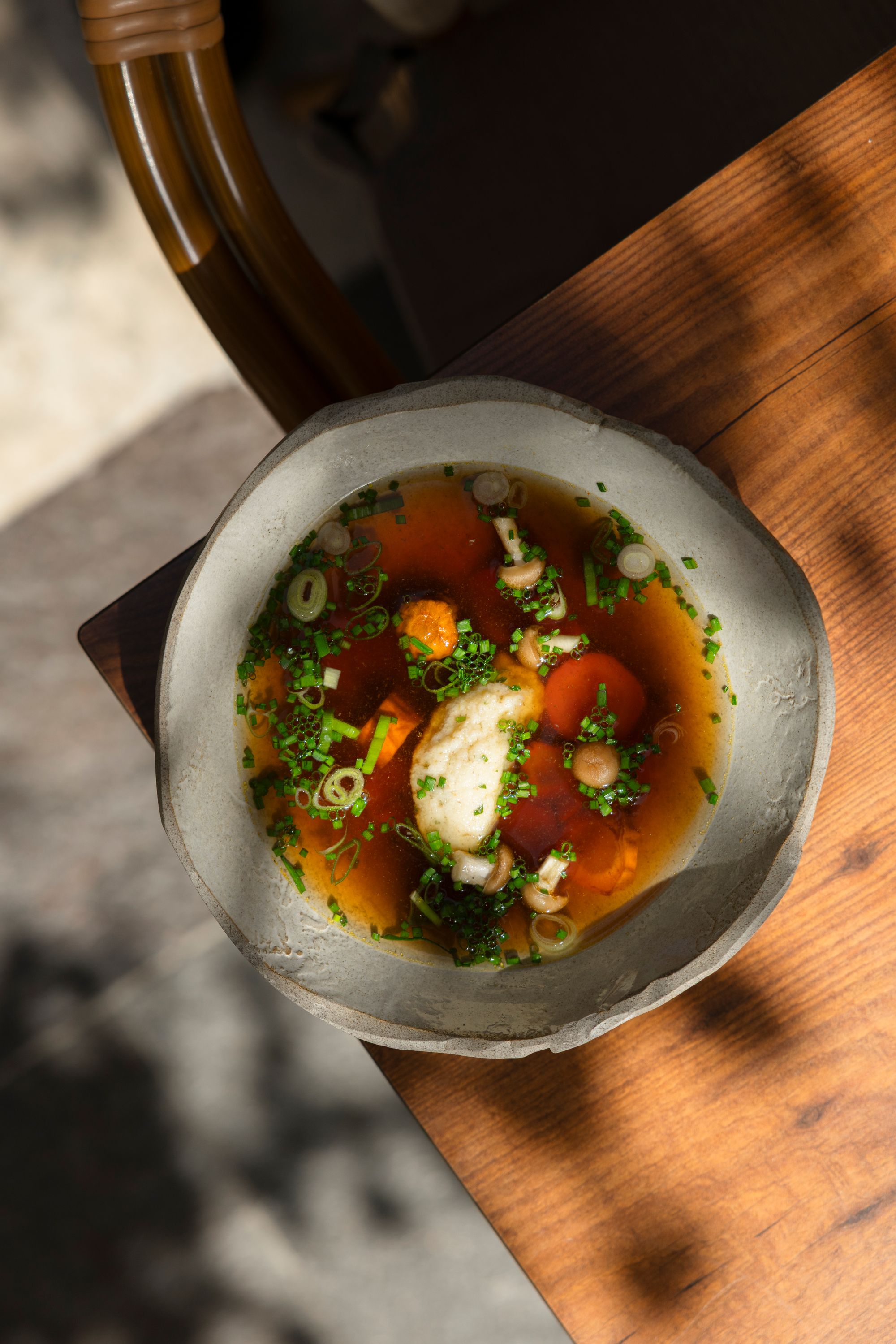
The lecsó arrives with a knowing glance towards France. Inevitably, we think of the animated film and Anton Ego, carried back to childhood by a single mouthful. The comparison works rather well: the plate points us towards France, before the flavours bring us gently home. Tomatoes, peppers, familiar memories, with courgette thrown into the mix.
The kitchen’s commitment to artisan ingredients finds meaningful expression in the dishes themselves. You sense that sourcing is an integral part of the cooking.
The Puszta cocktail, reimagined
The wine list offers an extensive Hungarian selection, which is a recommendation in itself. Abigél is also Sauska’s first ambassador restaurant, a partnership encompassing selected wines, recommendations refreshed every three months and ongoing staff training. That final element matters particularly. A bottle becomes considerably more interesting when someone at the table can tell its story and appreciates the work behind it.
This Hungarian character carries through to the cocktail list. Alongside Opera Gin, we find Unicum Riserva, which joins sweet Tokaji wine, lemon and sugar in the Tiltott kert, or Forbidden Garden. Sweet, sour, bitter: three tendencies that might easily pull in different directions, yet here settle into a pleasing equilibrium. It has backbone and a character of its own, and holds its own alongside the food – a descendant of the Puszta cocktail, recast in a new-wave vein.
Another somlói, please
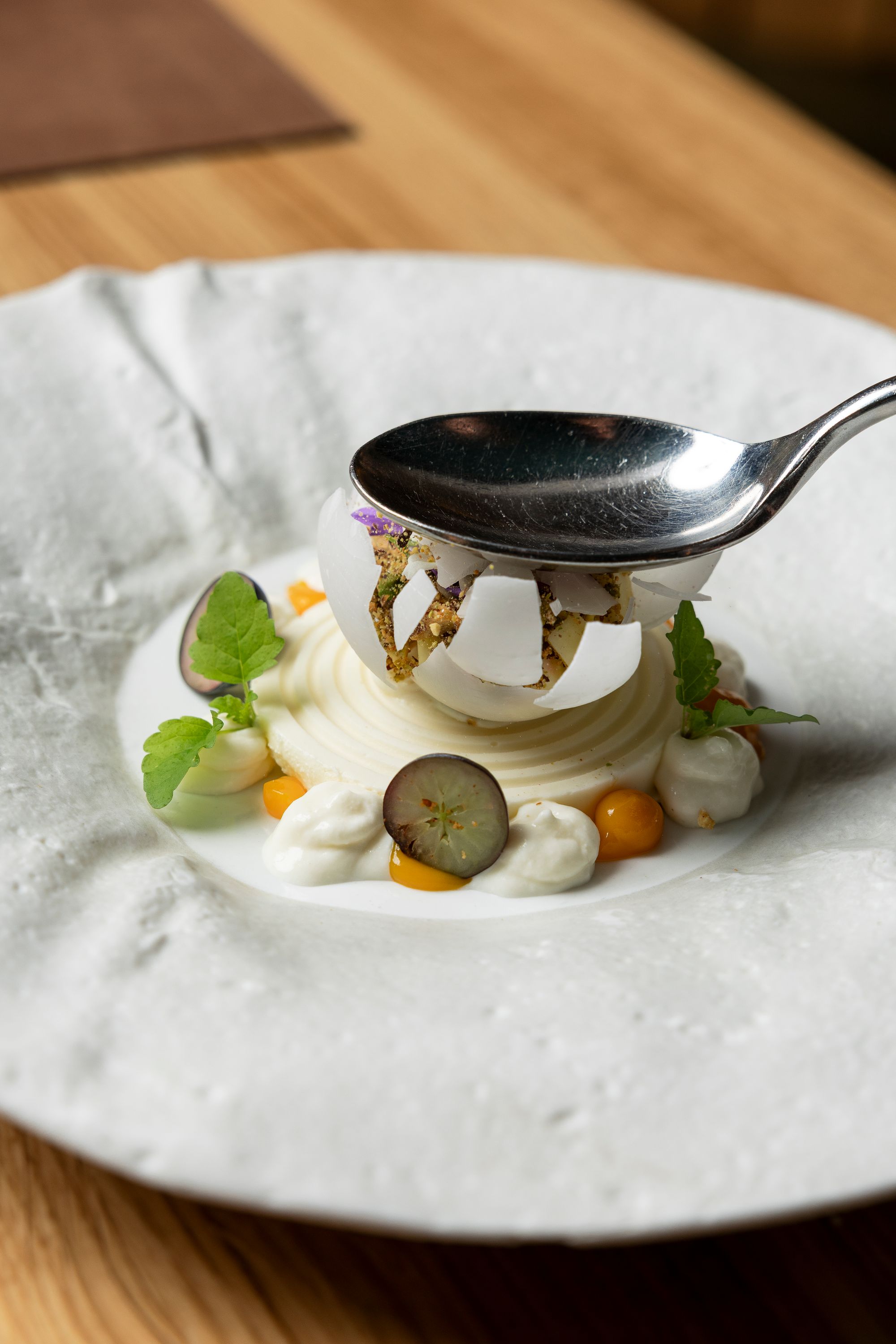
The somlói galuska is an unequivocal highlight. Given half a chance, I would order two on the spot. For now, that hardly calls for further justification.
The sweet curd-filled pancakes, too, know exactly what they are doing on the menu. They offer a familiar, classical repertoire of flavours, reminding us how much possibility remains in desserts we are inclined to think hold no further surprises. Particularly those belonging to the less frequently practised art of Hungarian warm desserts.
Eventually, I ask Pál about his favourite dish. It is a question I ask everyone. “Something different every day,” comes the reply.
A good answer. Particularly in a kitchen like this. Then, despite himself, he admits to catfish paprikash with túrós csusza – pasta with curd cheese and bacon. It has yet to appear on the menu. A pity. They are quite welcome to regard this as a little gentle pressure from the diners’ side.
As our conversation unfolds, it becomes clear how deeply presentation occupies him. He thinks in colours and compositions, drawn to the rhythm of odd numbers, to disharmony, to the force of a first impression. He regards cooking as a continuing process of learning: knowledge gathered during the apprenticeship years gradually coheres into a language of one’s own. Reaching for a musical analogy, he describes his cooking as being “in a minor key”. There is something rather lovely in that quietly personal understanding of himself.
To his mind, cooking good food is a given. What interests him is what comes afterwards.
At Abigél, answers are already beginning to emerge. Beside the Basilica, this bistro 'vaut bien une messe'. For the dessert, perhaps even two.