


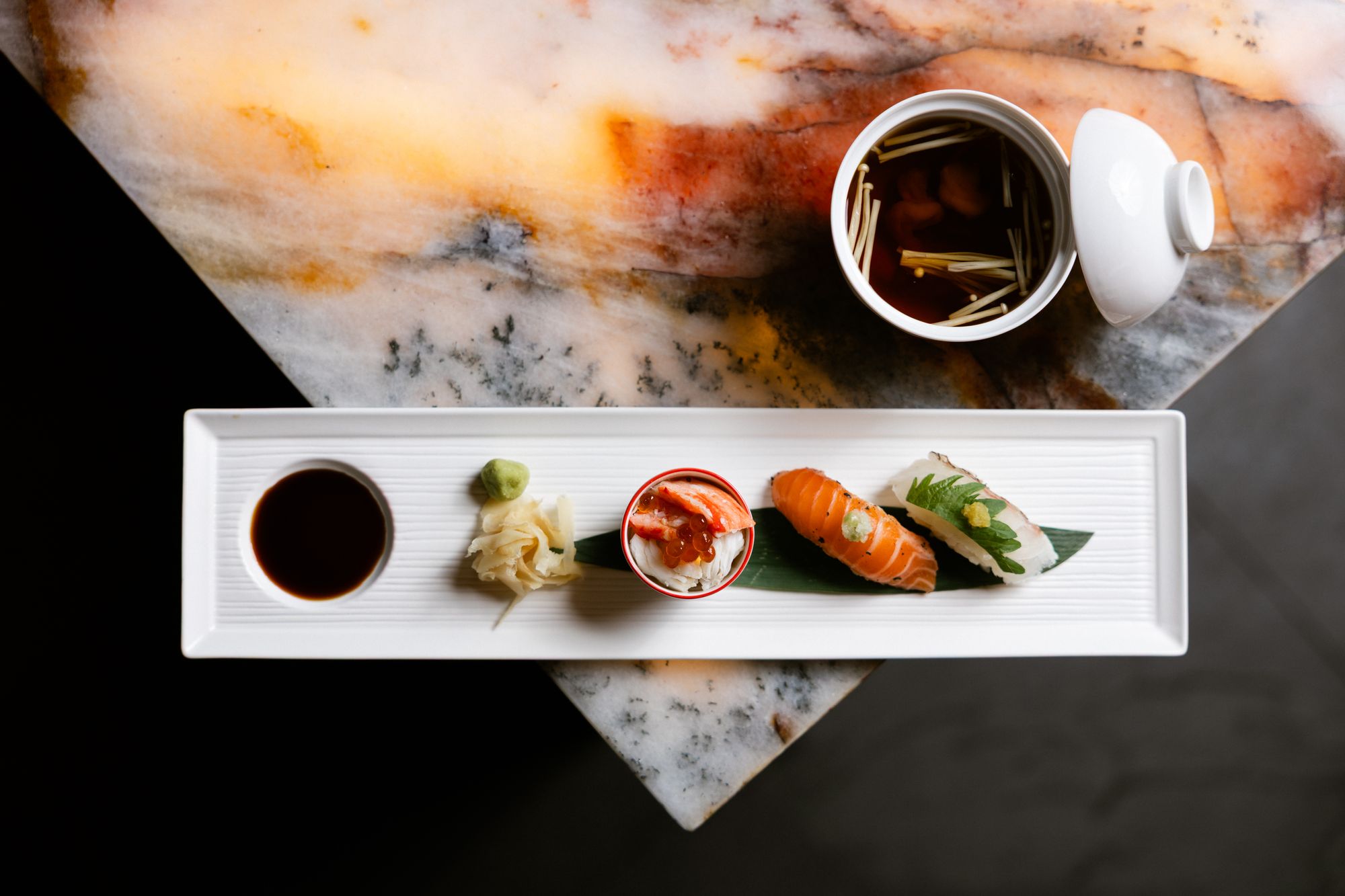
A single piece of nigiri leaves a chef nowhere to hide: the rice, the fish and the timing all have to be right. For Carlos Gómez, Nobu’s Corporate Chef for Europe, that’s what makes simplicity so demanding—and so satisfying to eat. We talked about Spanish flavours finding their way into Japanese cooking, the memories of his grandmother’s kitchen and why the best seat for sushi is right in front of the person making it.
When I visited Kyoto and Osaka last year, something about the izakayas felt surprisingly familiar. Halfway across the world, there was an atmosphere I recognised from Spain: small plates, people around a table, food as a reason to spend time together. Do you see a connection with tapas culture?
Yes, the idea is very similar. You share small bites and enjoy yourself with friends or family. That’s the connection. In Barcelona, we introduced live music in our private dining room, and it worked really well. There’s something about that combination of food, music and sharing that feels close to tapas culture.
Does that connection between cultures influence your cooking? Do you look at something from one food tradition and imagine how it might work in another?
Wherever you go—Japan, China, Spain, Peru—you can take something away from the experience. Sometimes that finds its way onto a plate.
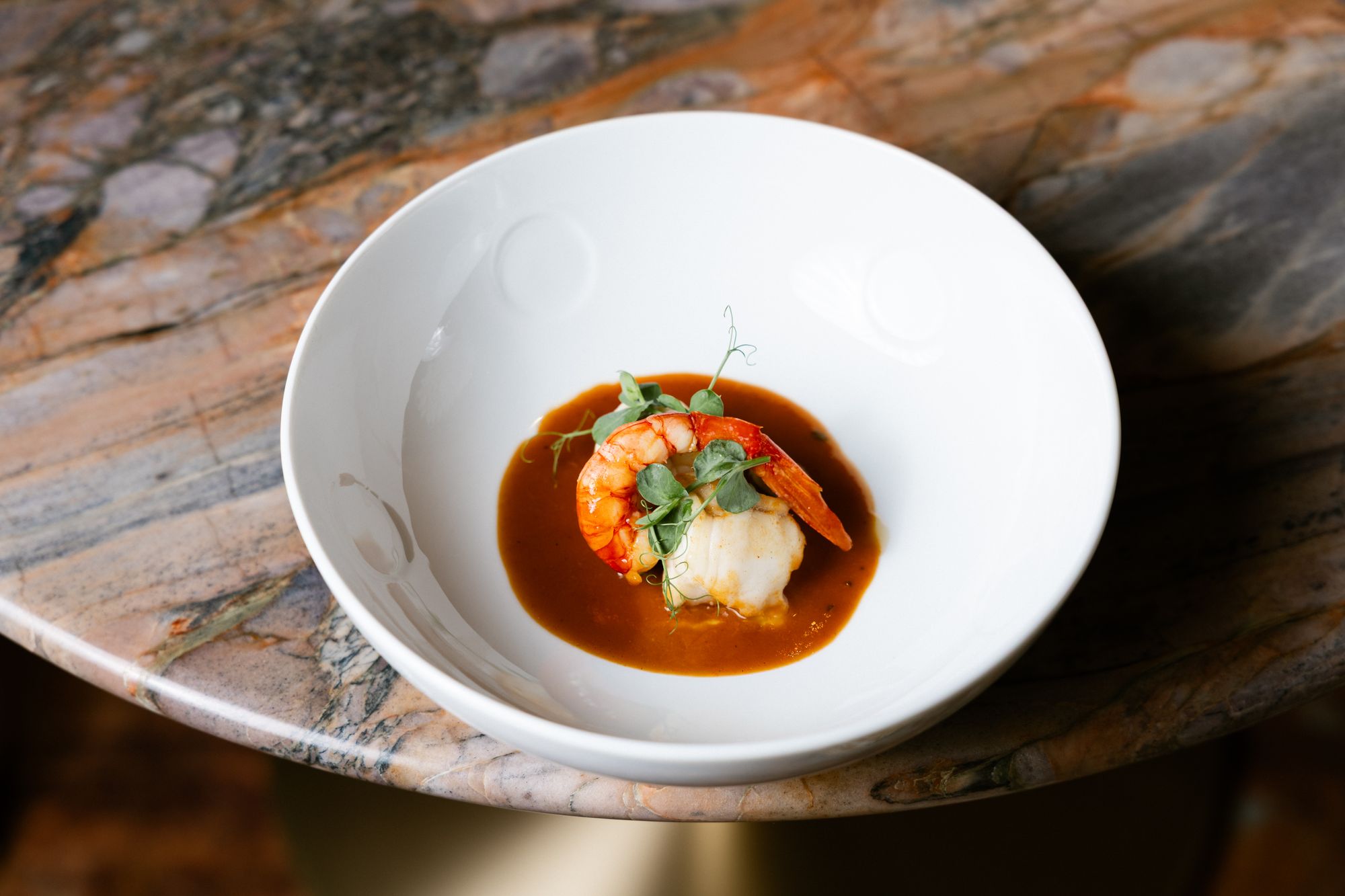
We work with Japanese, Peruvian and Spanish influences. For the menu we’ve created here, for example, we’re using a Spanish marinera sauce, but adapting it to the Nobu style.
We replace the fish stock with dashi, and instead of plain garlic, we use chilli garlic. It starts with something Spanish, but we change elements so that it makes sense in our cooking.
What is the central idea behind Nobu’s food?
For me, it starts with the produce: the quality of the tuna, the wagyu, the fish and the other ingredients.
Then it’s about simplicity. You don’t need lots of sauce if the fish doesn’t need it. If the sauce hides the flavour of the fish, what’s the point? You need to find the balance.
So, as a chef, you prefer simplicity to technical complexity?
At this point in my life, yes. However, I think cooking simply can actually be more difficult.
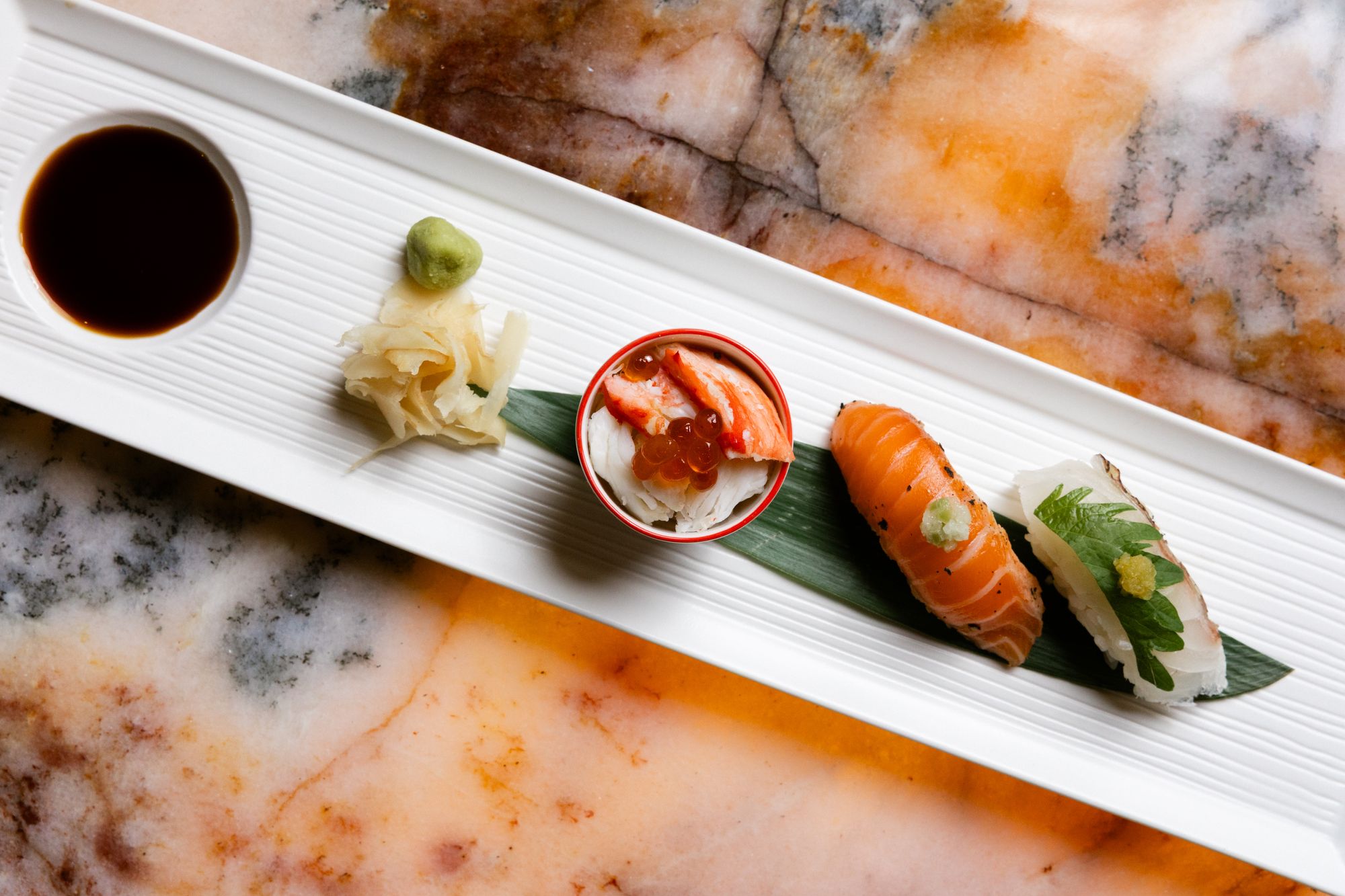
Take nigiri. You could look at it and say, “It’s a little rice and a piece of fish.” But the technique has to be perfect. The customer is judging you on that one piece, that single nigiri has to be more than excellent.
Have you always thought that way, or has it changed over the years?
It’s changed. I started with placements in Michelin-starred restaurants in Spain. Since then, I’ve moved towards this approach.
It’s the way Nobu thinks about food, and I like it. Sometimes, as chefs, we get carried away putting ingredients on a plate. But they don’t connect, there’s no balance, and you lose the flavour or the texture of the fish underneath everything else.
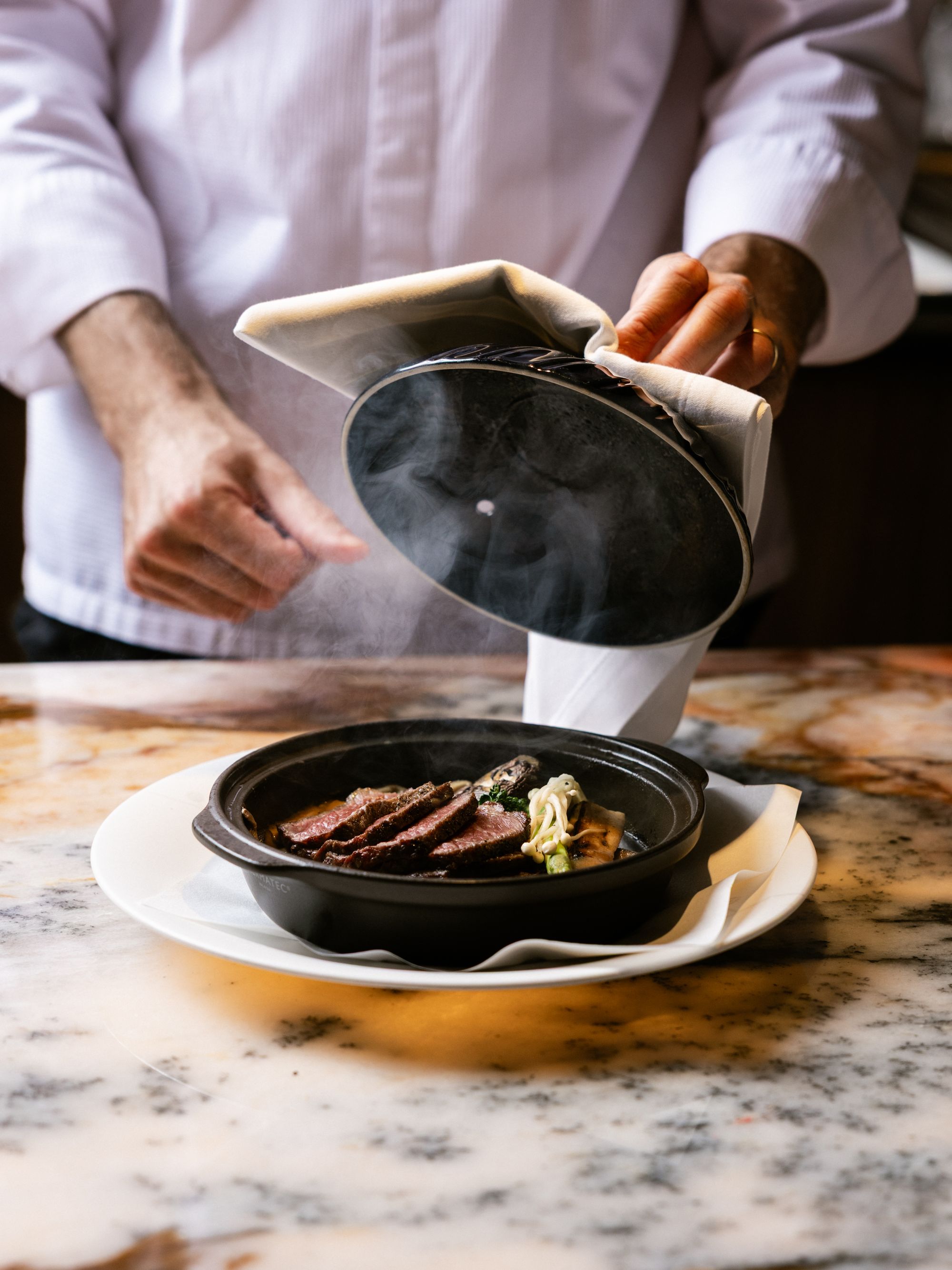
For us, respecting the main ingredient matters. If you have excellent wagyu, you don’t want to lose what makes it special.
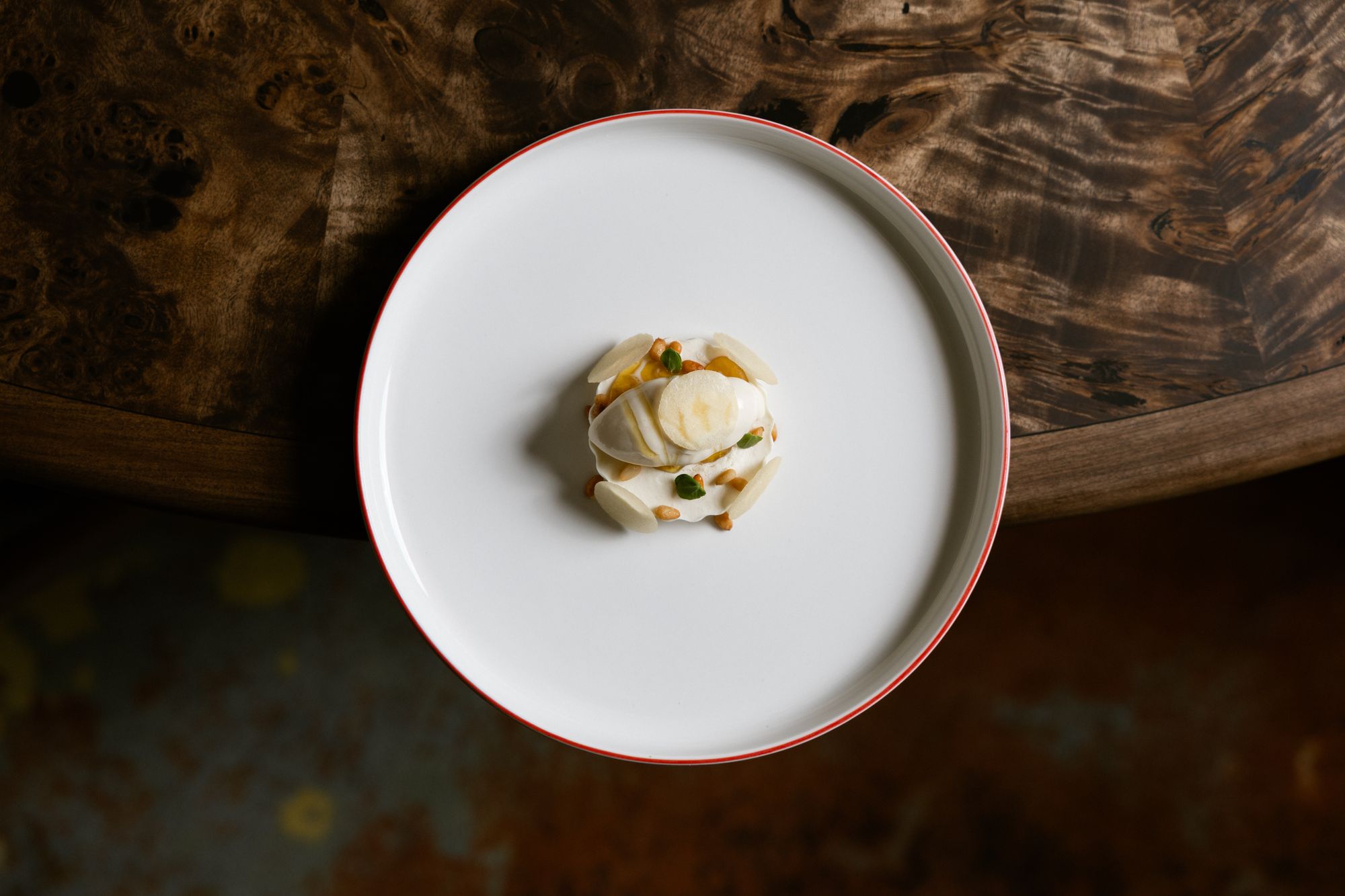
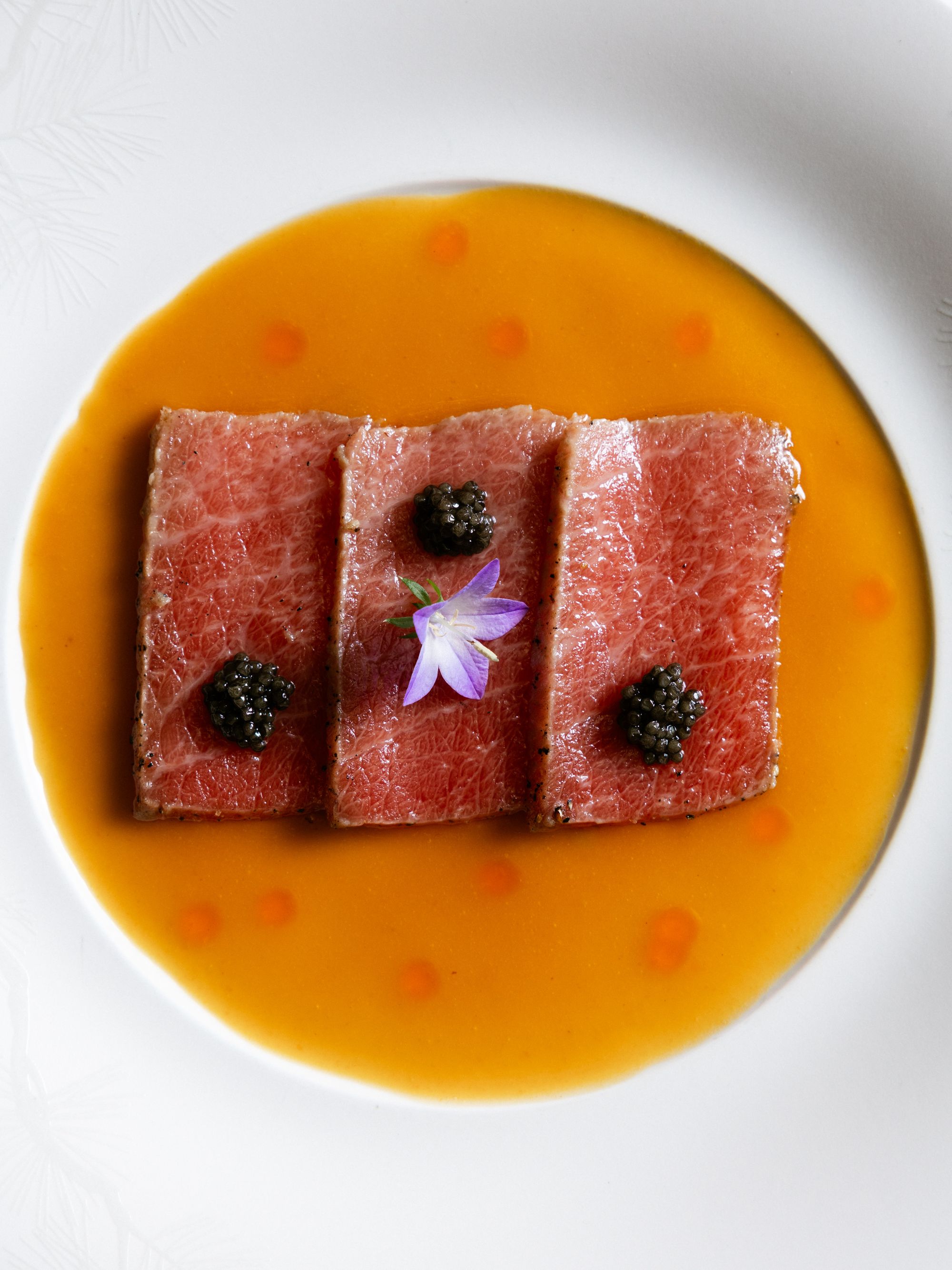
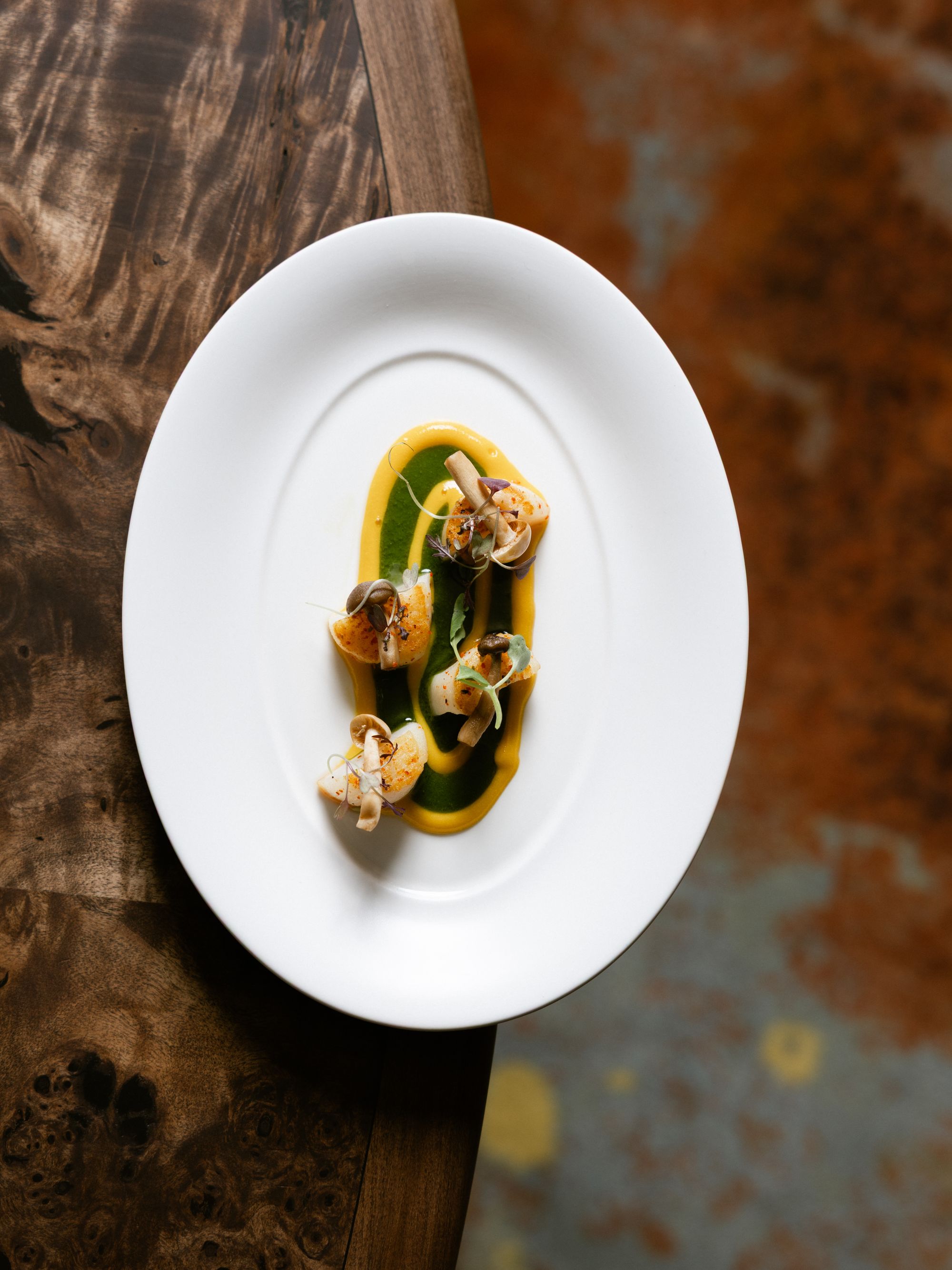
Is there an ideal number of ingredients on a plate?
It depends entirely on the dish. With sashimi, you might need very little: the raw fish, some acidity, perhaps a citrus-based sauce. That can be enough.
With meat, you might need something different to balance the fat. It’s about what the ingredient needs.
Sometimes, in fine dining, I get the feeling that a dish is complicated mainly to demonstrate what the kitchen can do. The technique becomes the point. Do you ever feel that?
There are different kinds of customers, and they can choose. Someone might want to come to Nobu; someone else might want to spend three hours working through a tasting menu with 30 small courses.
I respect both. At this point in my life, with the experience I have, I prefer this kind of cooking. That doesn’t mean I dislike the other approach. I can still go to those restaurants and enjoy them.
But right now, what I want is good produce, good technique and a meal that delivers what you came for.
What has stayed with you from your Spanish background? What do you still draw on every day in the kitchen?
That’s where everything began for me. I went to culinary school in Spain, so a lot of my basic skills come from there: how I prepare things, how I cut ingredients, how I work.
You keep developing those skills, but the foundation stays with you. And there are ingredients, of course. Olive oil is important in Spanish cooking, and we use it at Nobu too.
What about a flavour or a food memory from childhood?
My grandmother’s cooking. When you taste something like that, it stays with you. You carry the memory of those flavours, and later on you want to find that feeling again.
Do you try to recreate those dishes?
Not directly in what I’m doing now. The food I cook at Nobu is very different from what I grew up with in Spain. It’s rooted in Japanese and Peruvian cooking.
You can bring in little touches, but you can’t simply turn a dish into something completely different.
Do you cook at home?
Of course.
What do you like making?
At the moment, quite a lot of sushi. I have this habit of bringing whatever I’m working on home with me. When I worked in a paella restaurant, I made lots of paella.
It changes depending on what I’m doing at the time.
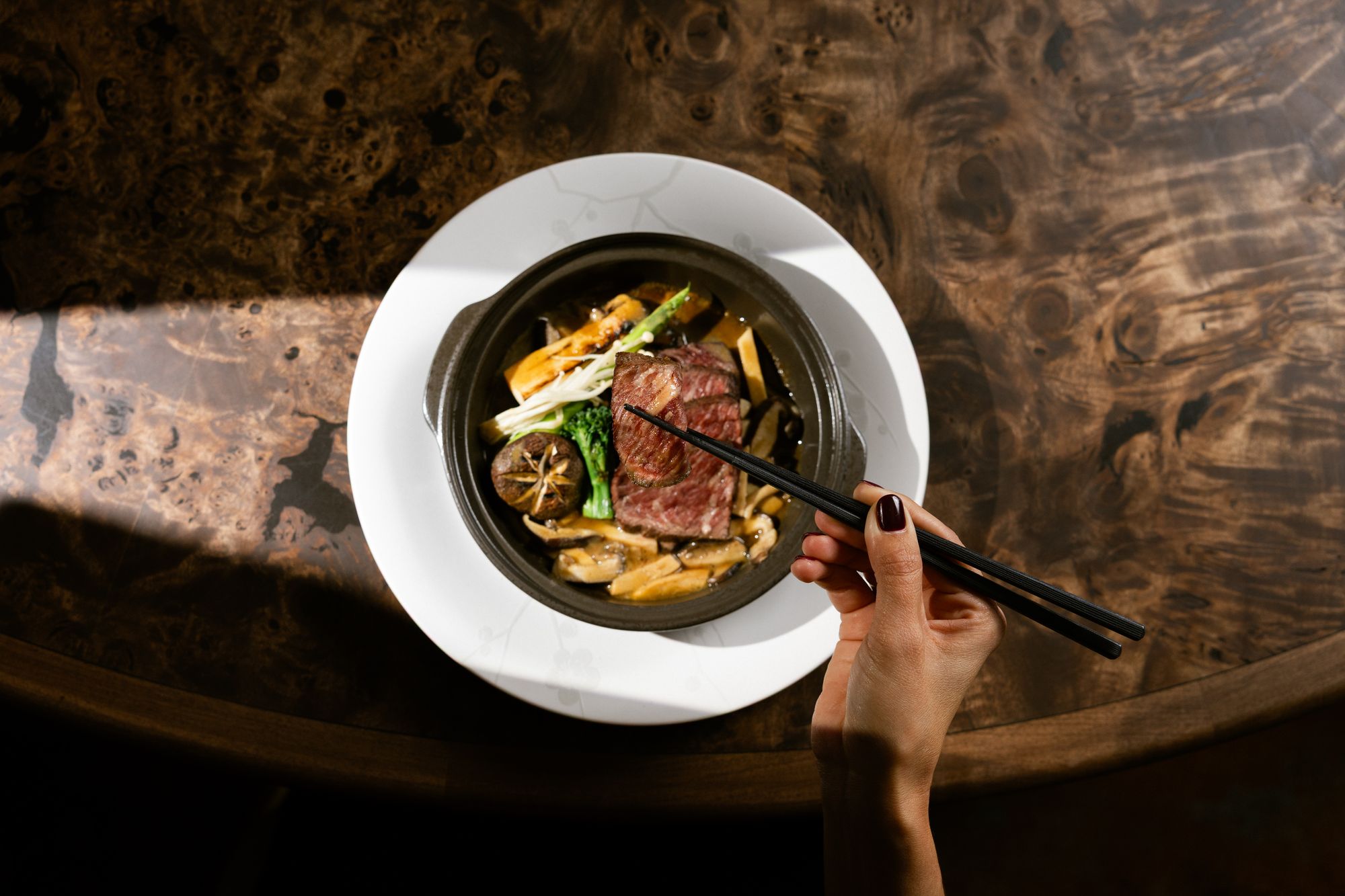
There’s a lot of discussion about guests expecting more and more from restaurants, sometimes to the point where chefs feel they can’t satisfy them. What has your experience been?
At Nobu, you have that responsibility. It’s like playing for a football club where people expect you to win the Champions League. The expectations are part of the job.
If a guest asks for something and we can do it, then we should. That’s part of the philosophy.
There’s a story about Nobu serving a raw fish dish to a customer who sent it back because they didn’t want to eat raw fish. The chef poured hot olive oil and sesame oil over it to cook it slightly, then sent it out again. The customer loved it, and it became one of our signature dishes.
That’s why adapting the experience to the guest matters. People arrive with expectations, especially at this price. It’s like going to a five-star hotel: you expect a certain level of service. If you don’t get it, something is missing.
So, the guests teach you something as well.
Everyday. You learn from the guests, from your team, from everything that happens in the kitchen. There’s always something to take in.
When you walk into one of the restaurants you oversee, what’s the first thing you look at?
The standards, especially for the signature dishes. A guest should be able to order those dishes at different Nobu restaurants around the world and recognise the same dish.
We check the ingredients, the fish and meat, the recipes. We taste all the sauces and look at the proportions and portion sizes. Is this the right ingredient? Is that piece the right weight?
Then there’s training: teaching new dishes or introducing changes from Nobu himself. We need to make sure those changes reach the kitchens.
How often are you travelling between restaurants?
Usually every two weeks or once a month, I need to be somewhere. I work across several locations, including Monte Carlo, Milan, Warsaw, Barcelona and Madrid, so there’s a lot to keep up with.
And when you go somewhere that isn’t Nobu, as a guest? Can you switch off and enjoy dinner?
My wife always complains because I watch everything.
The service, the timing, how long it takes for someone to come to the table, when the plates arrive—I analyse all of it.
Then, of course, there’s the food and the presentation. Sometimes you find an idea you want to think about later: two flavours that work particularly well together, a good balance on the plate, or a technique you haven’t seen before.
You taste something and think, “I need to learn how they did that.”
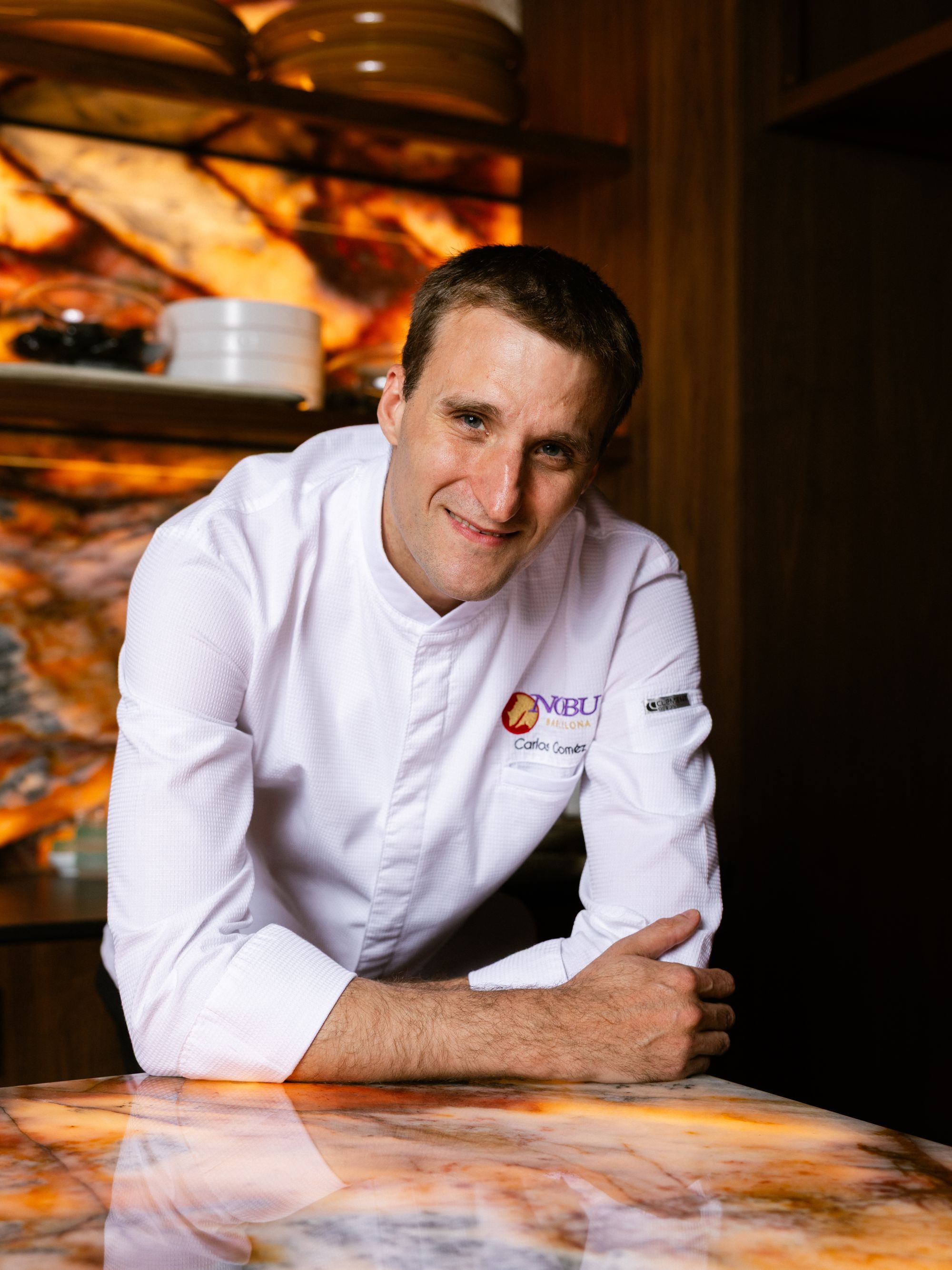
What’s your favourite Japanese dish?
Sushi. Nigiri, especially. There’s so much to enjoy in it.
For someone who wants to understand sushi better, what would you recommend?
Sit at the sushi bar. That’s important to me.
You see the chef working and have that experience right in front of you. But it’s also about the temperature of the rice. It should be around body temperature.
We keep the rice warm, but if the sushi takes time to reach a table, it won’t arrive in quite the same condition. At the counter, you can eat it straight away. That makes a difference.
So that’s my small recommendation: if you’re coming for sushi, eat at the sushi bar.
And for someone who’s new to this style of Japanese food, where would you suggest they start with the menu?
Ask the team to explain how the menu works. For a first visit, I’d suggest the signature omakase, because it introduces you to the signature dishes.
It’s a tasting menu, so you don’t have to make every decision yourself. You leave that to the chef.
On another visit, you could try the local omakase. That combines local ingredients with the Nobu approach, so you get a different experience.
With restaurants across Europe, do you use the same suppliers everywhere?
We use a combination of shared suppliers and local ones.
For certain key ingredients, we have suppliers who deliver to several locations. La Maison Nordique, for example, supplies black cod, Chilean sea bass and other products. We take a similar approach with Japanese ingredients.
But for something like sugar, of course you can buy it locally. The important thing is that it meets the standard.
Photos: Dániel Gaál