


 Menü
Menü


Tag
mohács
lifestyle
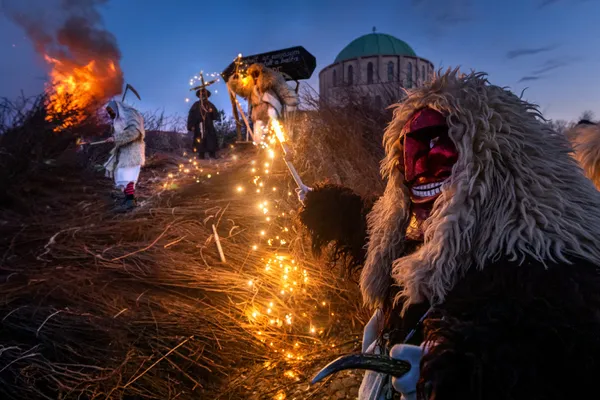
A farsang nyomában | Juhász Balázs képeivel illusztrálva
A farsangi időszak a világ népei számára karneválokkal és mulatságokkal tarkított periódus. De vajon honnan származik ez a szokás, és hogyan terjedt el nálunk? Cikkünkben ezt a kérdést járjuk körül.
Előzmények
A farsangi mulatságok eredetileg germán és római pogány szokásokból, illetve népi hiedelmekből alakultak ki. Egyik legismertebb előfutára a Szaturnália
lifestlye
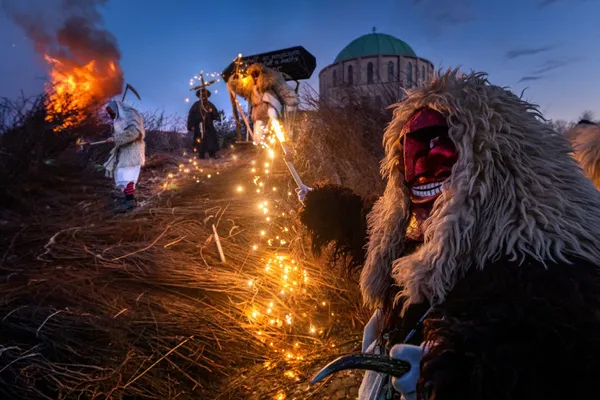
On the trail of carnival | Illustrated by Balázs Juhász
The carnival period is a time of masquerading and merry-making for the peoples of the world. But where did this tradition come from and how did it spread? In this article, we take a look at this question.
History
Carnival celebrations originated from Germanic and Roman pagan customs and folk

egyéb
„De boldog lehet az az ember, aki itt lakik!” | Leaving the city 2. rész – Vaskapu Kastély Pince, Mohács
Egy embernek több otthona is lehet élete során: Galán Géza története Pozsonyban kezdődött, majd Budapesten folytatódott, míg végül egy sorsfordító mohácsi busójárásnak köszönhetően végleg beleszeretett abba a tájba, ahol megvalósíthatta régóta dédelgetett álmát: natúr boraira Skandináviában és Amerikában is felfigyeltek már. A Vaskapu Kastély és a mohácsi szőlőhegy nem csak

other
“How happy the people living here must be!” | Leaving the city part 2—Vaskapu Kastély Pince, Mohács
Someone can have several homes in life: Géza Galán’s story began in Bratislava and continued in Budapest before a fateful Búsójárás (meaning “Busó-walking”, a tradition which includes the Busós of Mohács wearing masks, listening to folk music, parading and dancing—the Transl.) in Mohács made him fall in love