


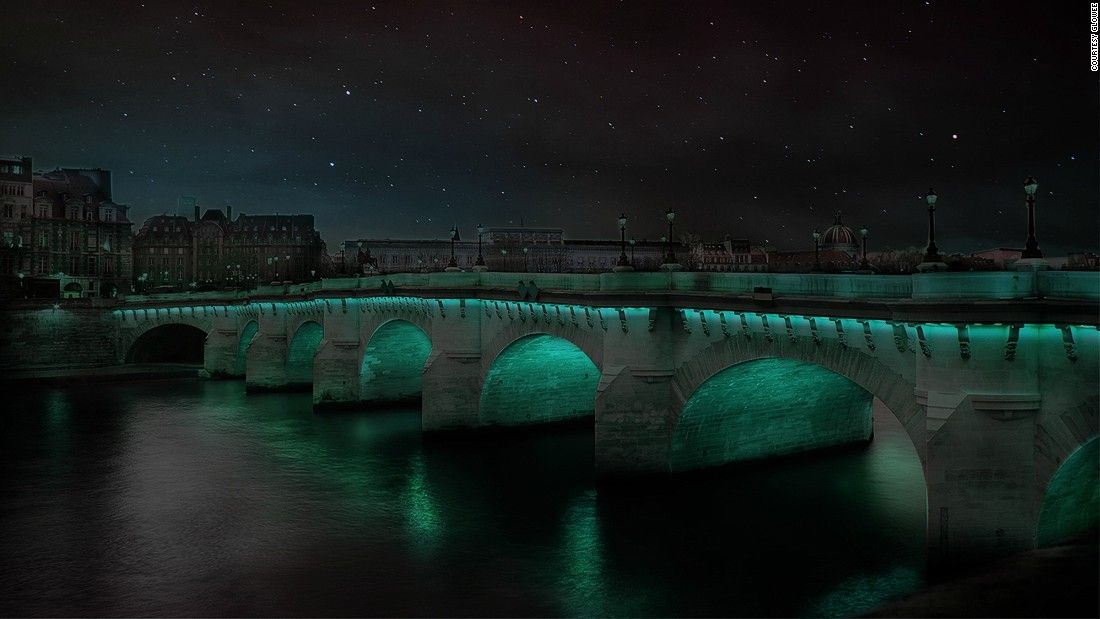
We’re used to seeing bacteria as enemies to be wiped out, but a new wave of design and science tells a very different story. From self-healing concrete and regenerative dental fillings to bioluminescent lamps that glow without electricity, bacteria are quietly reshaping the future of how we build, repair, and illuminate our world.
Author: Stanislav Andranovits
We are surrounded by bacteria everywhere we go, yet many of us still think of them negatively. Take, for example, TV commercials for cleaning sprays or hygiene products – bacteria are always shown as little animated villains that must be completely destroyed, often with slogans like “our product kills 99.9% of germs.” In reality, less than 1% of bacteria are harmful to humans. But that tiny fraction has done such a convincing job of ruining the reputation of the rest that we continue to fear and despise bacteria, even though most of them deserve our appreciation, if not our respect.
The secret ghostwriters of the world
Even without realizing it, we rely on bacteria every day. They help ferment foods like yogurt, sauerkraut, kombucha, miso, kimchi, and cheese varieties that depend on bacterial cultures for their flavour and texture. And in nature, bacteria play a crucial role in recycling organic matter, breaking down everything from fallen leaves to waste and returning nutrients back into the ecosystem. Bacteria are incredibly efficient and reliable workers. They are the secret ghostwriters of the biochemical world. They perform complex reactions silently and precisely, yet they are rarely acknowledged. For example, many people assume that vitamin C comes naturally from lemons because packaging often shows a bright yellow fruit. But that association is largely a matter of marketing. In reality, it would make more sense to feature red bell peppers on the packaging, which contain 120–190 mg of vitamin C per 100 g, compared to only 50 mg in a lemon. Even more importantly, lemons have little to do with how vitamin C is actually produced. Extracting vitamin C from plant sources like lemons would be highly inefficient and expensive at large scale. The truth is, the majority of industrial vitamin C production relies on bacteria in one way or another. Thanks to their tireless work, we can keep our bodies supplied with vitamin C, especially during cold season.
A self-healing material
Bacteria are quietly transforming not just our food, but also buildings we live and work in. In the Netherlands, researchers have developed bioconcrete, a self-healing material first pioneered by microbiologist Henk Jonkers around 2006. This innovative material has been tested in demonstration projects, such as a small lakeside lifeguard station, showing that concrete can repair small cracks when activated by water. These tests provide a promising glimpse into how living materials could help extend the lifespan of buildings and infrastructure. The self-healing effect relies on special bacterial spores, such as Bacillus pseudofirmus, which are mixed into the concrete along with a small nutrient source, typically calcium lactate. When cracks appear and water penetrates the material, the dormant bacteria germinate and produce calcite, a form of limestone, gradually filling and sealing the cracks.
The potential benefits of a material that can repair itself are significant, particularly in reducing maintenance costs and extending the durability of critical structures. Imagine the streets of your city paved in the future with a similar biomaterial, quietly repairing themselves over time and eliminating the need for constant roadwork, it would be a paradise for everyone. Bioconcrete has an interesting historical parallel in Roman concrete (opus caementicium). The Pantheon’s dome in Rome still stands today without steel reinforcement, largely due to chemical reactions in the material. Lime particles and volcanic ash in the mixture react with water entering tiny cracks, gradually forming new calcite that helps heal the structure. While Roman concrete relies on purely chemical processes, bioconcrete achieves a similar self-repairing effect using living bacteria. In this way, bioconcrete can be seen as a modern reinterpretation of an ancient idea: just as the Romans harnessed natural chemistry to create durable structures, we are now using microbial power to build materials that are longer-lasting, stronger, and smarter.
Put them on your teeth!
Interestingly, dentists have picked up on the self-healing concrete idea. After all, a dental filling isn’t so different from concrete: both face constant stress, moisture, and tiny cracks. In teeth, these microfractures can lead to leakage, secondary cavities, or restoration failure, often requiring replacement. Inspired by bioconcrete, researchers are now embedding safe, mineral-producing bacteria into dental composites. When a crack forms, the bacteria wake up and deposit calcium carbonate, sealing the damage from the inside. This approach turns a filling into a tiny, living repair system. Just like bioconcrete reduces maintenance and prolongs building life, bacterial dental composites could extend the life of restorations and cut down on repeat dental work shifting dentistry from repair toward self-healing.

A perfect glow-up
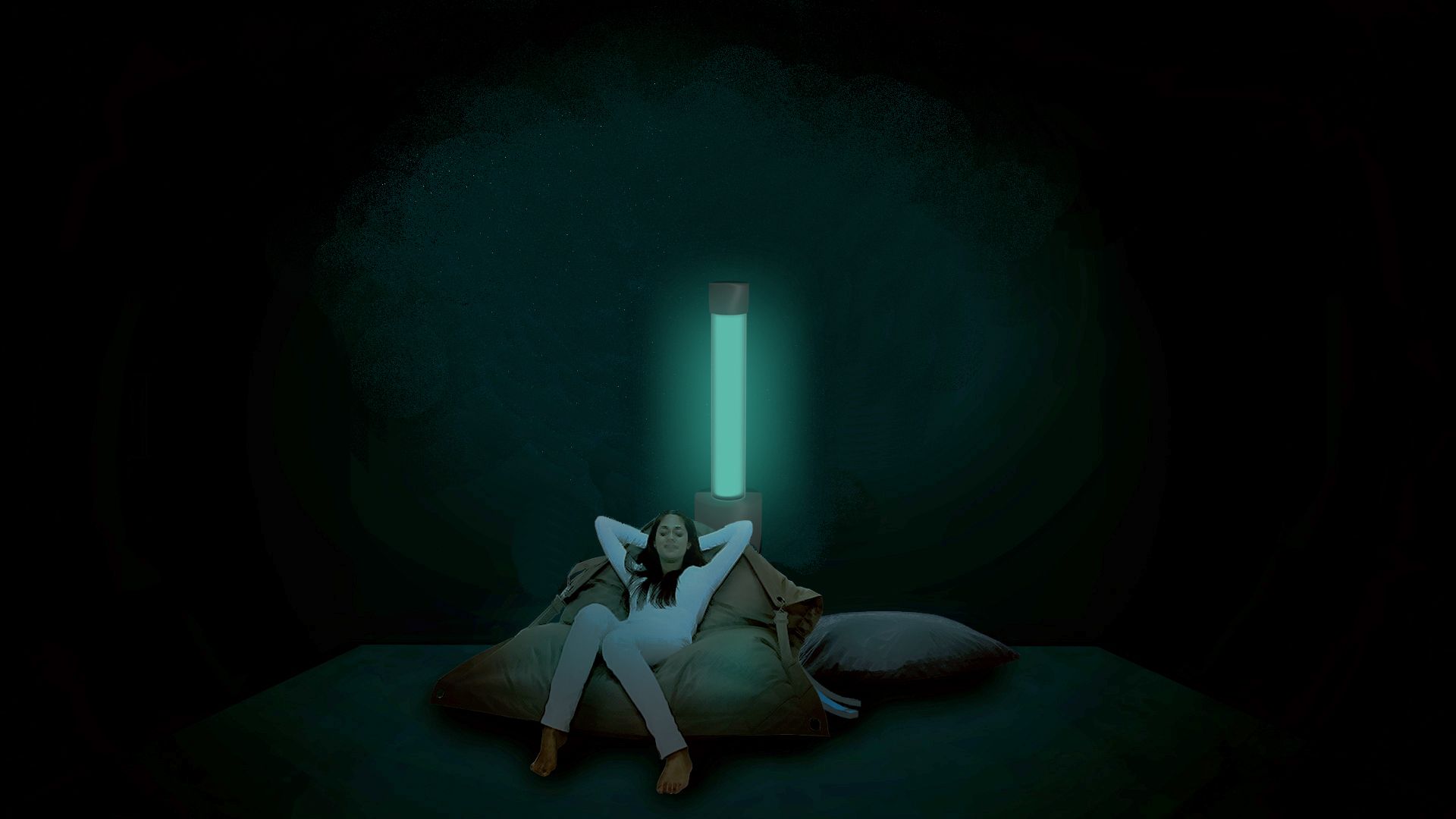
Another super power that some bacteria have is bioluminescence, or the ability to glow in the dark. They can light up on their own; for example, marine bacteria make the ocean glow bright blue at night on tropical resorts such as the Maldives. This natural spectacle not only attracts tourists from all over the world, but the bacteria themselves also boost the economy of the island nation, supporting local businesses, hotels, and tours. Inspired by this natural wonder, a French company called Glowee decided to bring the phenomenon to cities. They use harmless marine bacteria, Aliivibrio fischeri, housed in transparent saltwater tubes that glow with a soft turquoise-blue light. These living lamps have been tested in the town of Rambouillet, just southwest of Paris, where they illuminate public spaces in a quiet, almost magical way. The tubes act like mini-aquariums: air is pumped in, supplying oxygen, and a simple nutrient mix keeps the bacteria alive, enabling them to emit a soft turquoise-blue glow. The glow comes entirely from the bacteria’s metabolism and no electricity is involved. When the nutrient flow or air supply stops, the bacteria pause their light production, and the tubes go dark. While the brightness is still modest compared to conventional street lamps, Glowee’s approach promises an eco-friendly, low-energy alternative for ambient urban lighting. Bacteria have the ability to reproduce rapidly, which can be both a blessing and a challenge. Their fast growth makes it easy to generate new bacteria for lamps, but they can quickly deplete nutrients. Maintaining the right balance of nutrients is crucial: too little and the glow weakens, too much and they overgrow. The medium must be refreshed regularly to keep the bacteria healthy and glowing consistently.
Although many people still see microbiology as something distant or purely theoretical, bacteria in fact represent an invisible world brimming with potential. Beyond the lab, they open doors to real-world innovations, sustainable solutions, and new business opportunities. Rather than fearing them, we should learn to appreciate and even love these tiny yet remarkably powerful allies.