


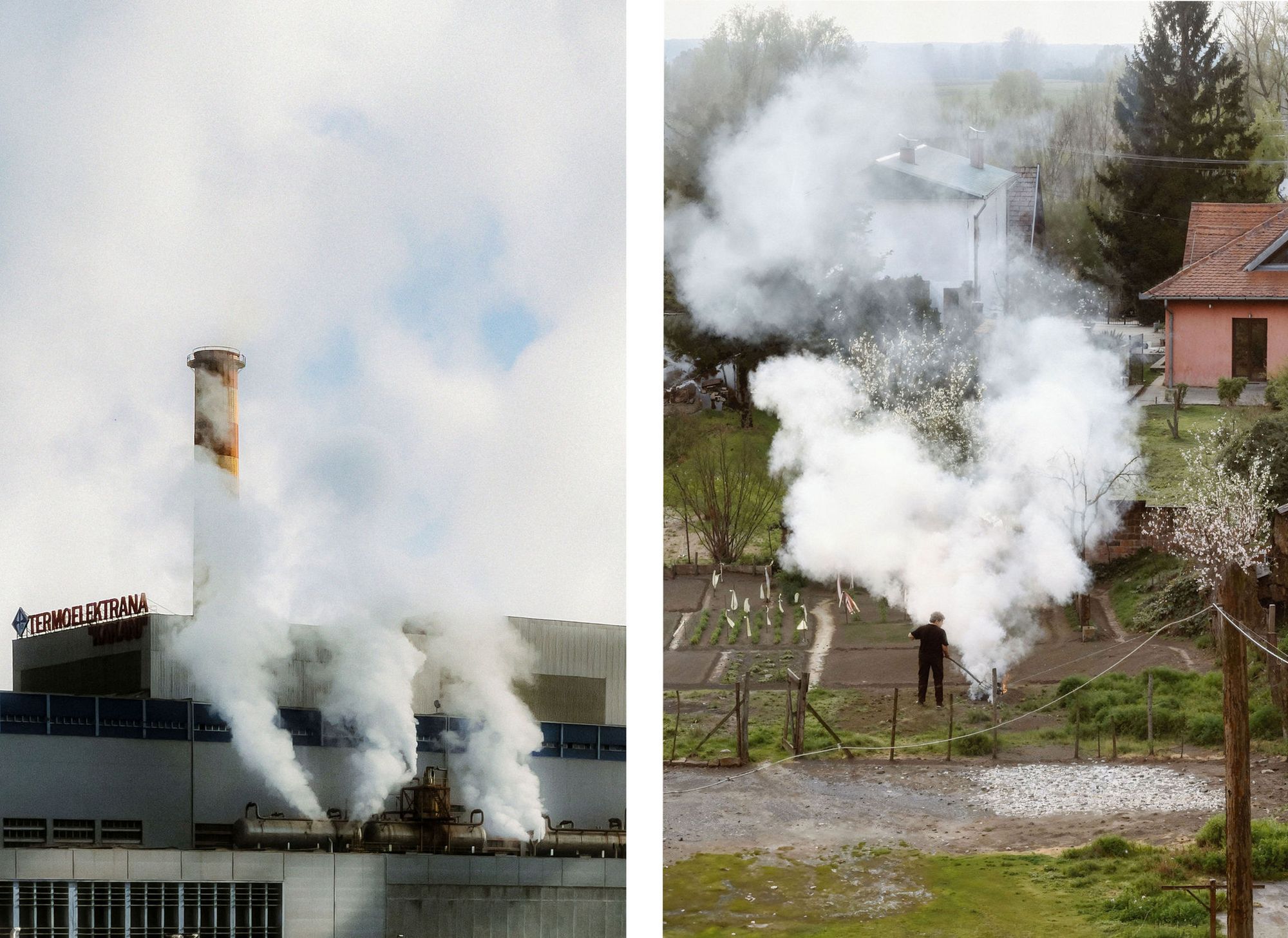
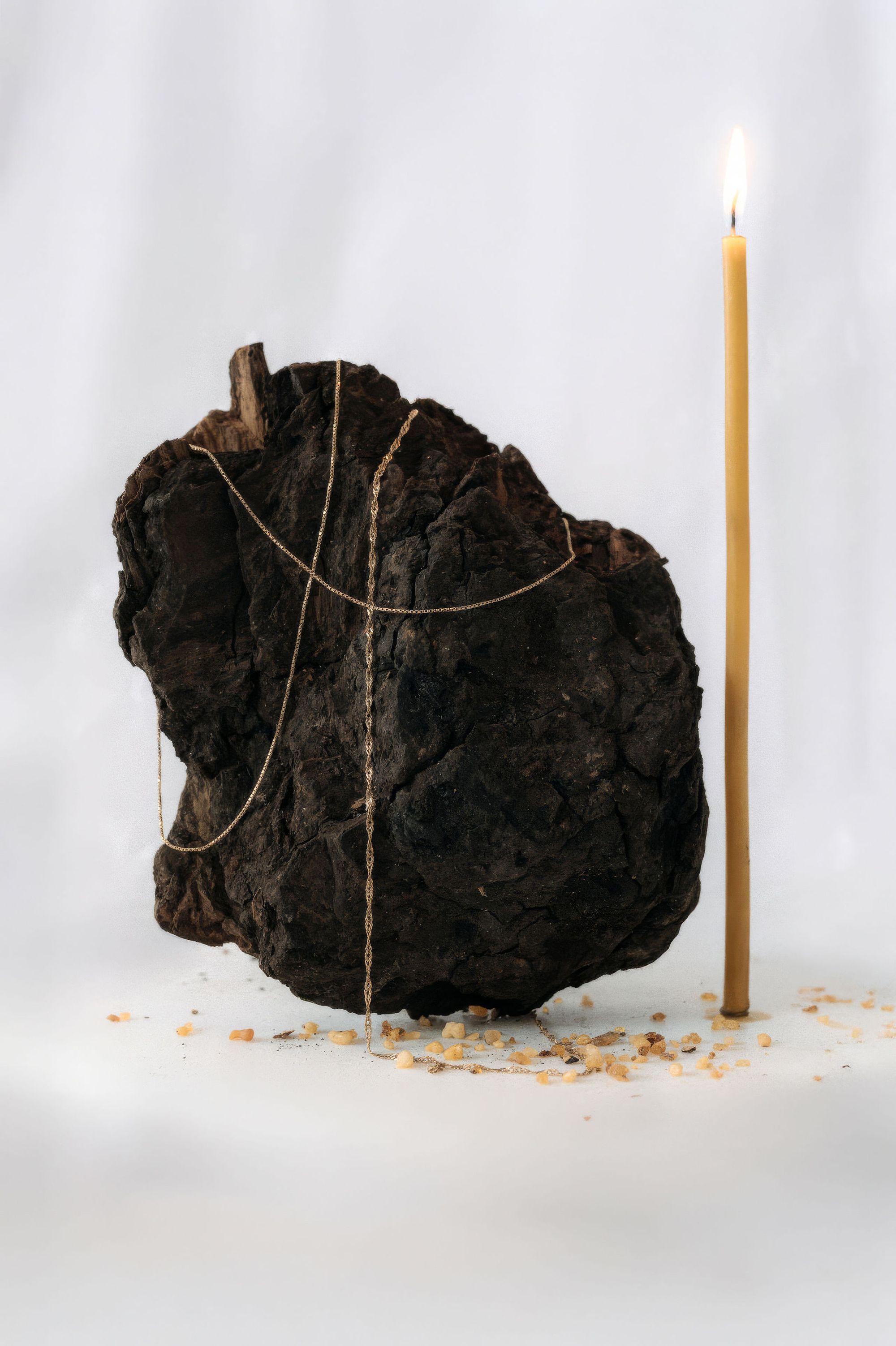
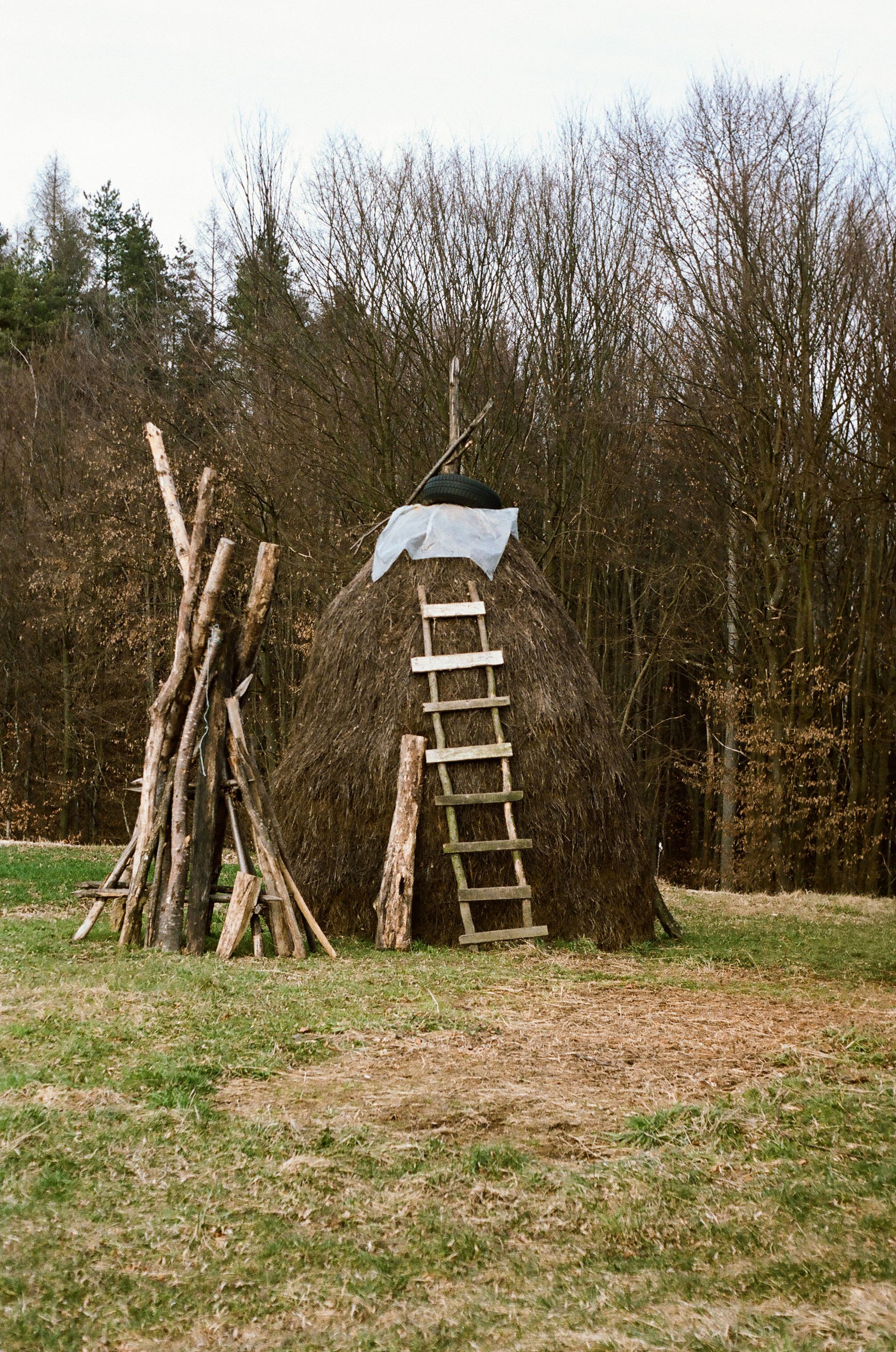
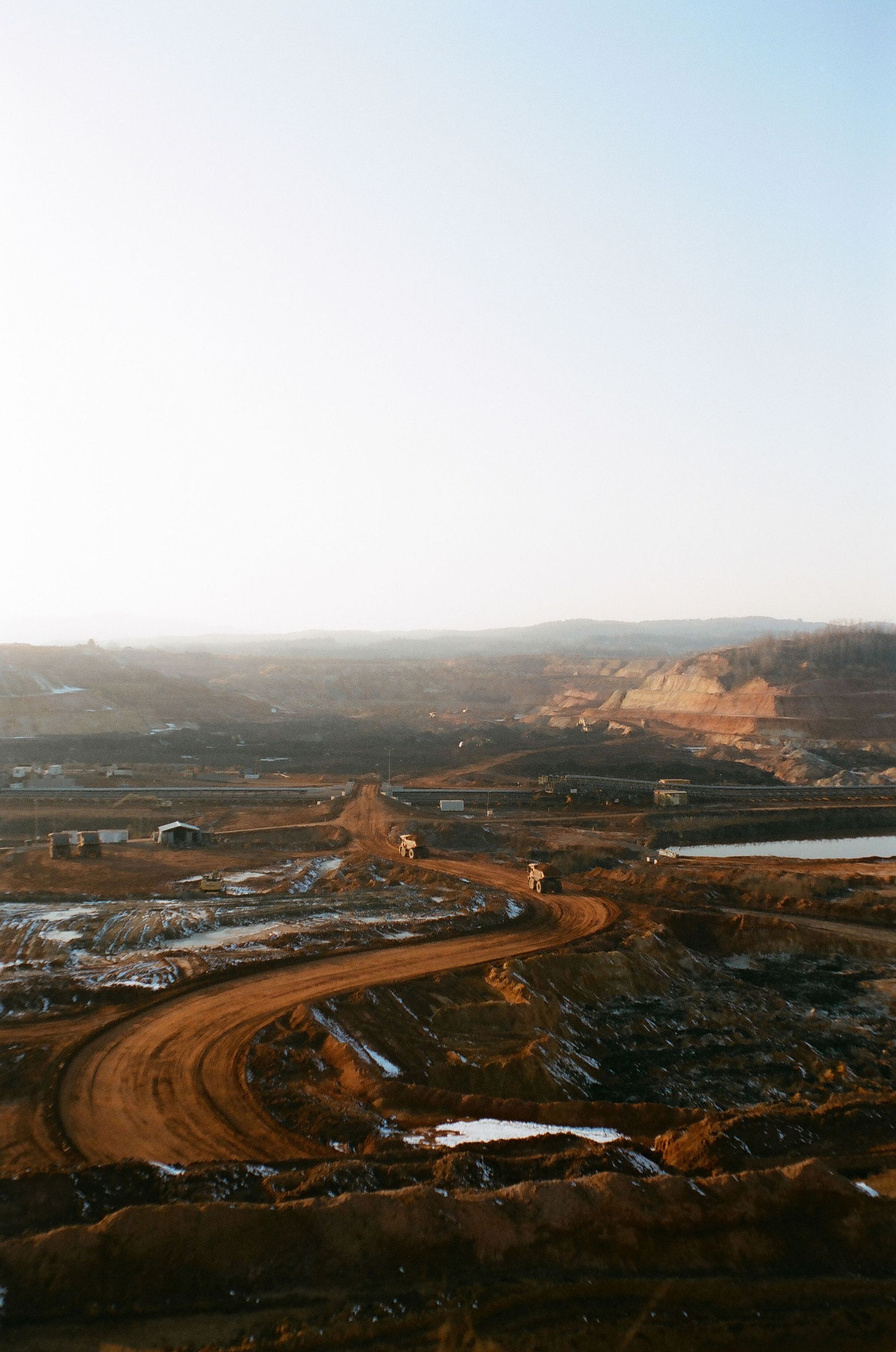
Tomislav Marcijuš, the photographer behind Marcijuš Studio, has embarked on another very personal project following Baranja Dreaming, which was also featured on Hype&Hyper: In Our Embrace Will Be Long Like the Waiting, he draws on his own transgenerational heritage, marked by war and tragedy, through the life of his mother.
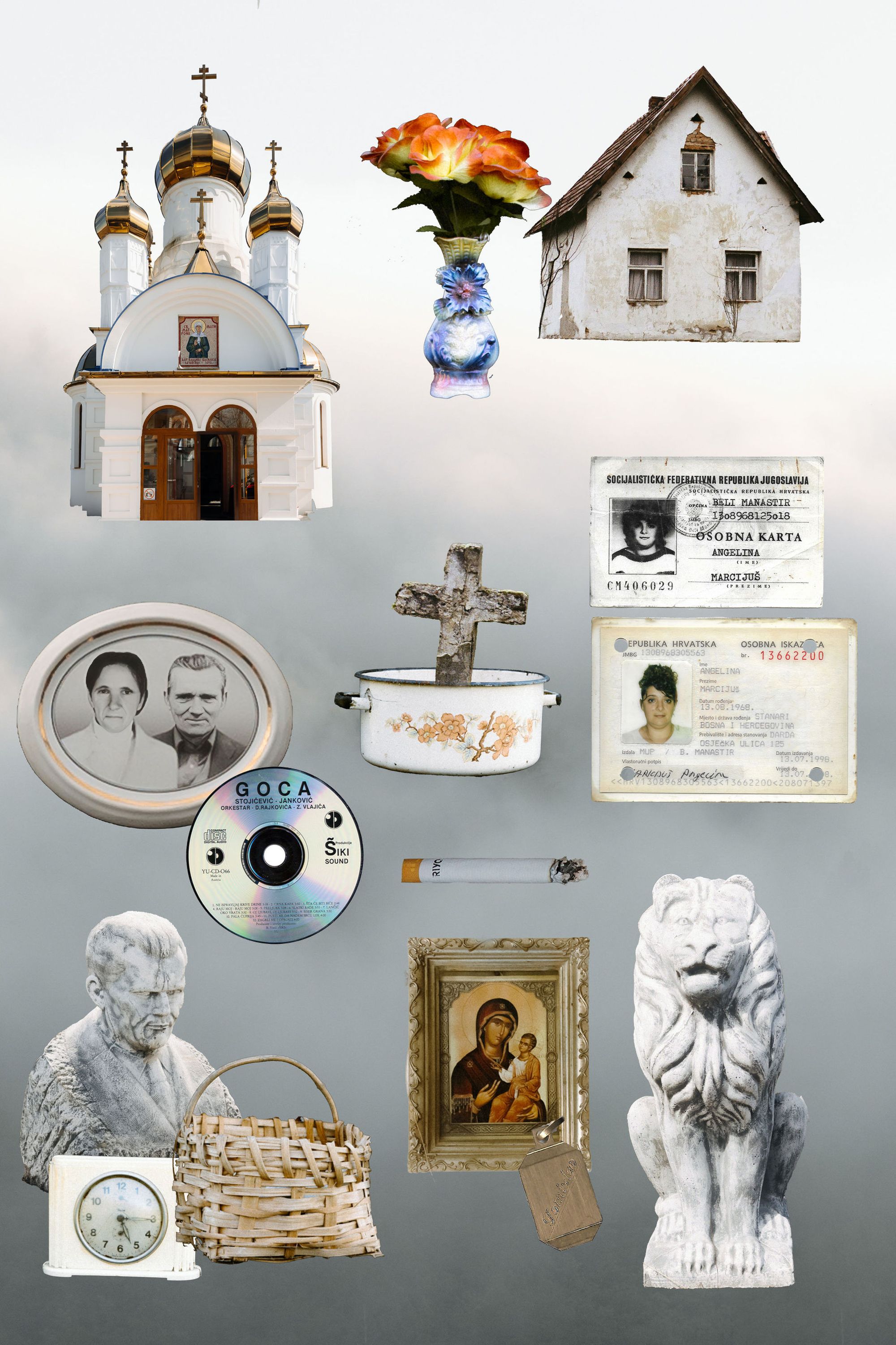
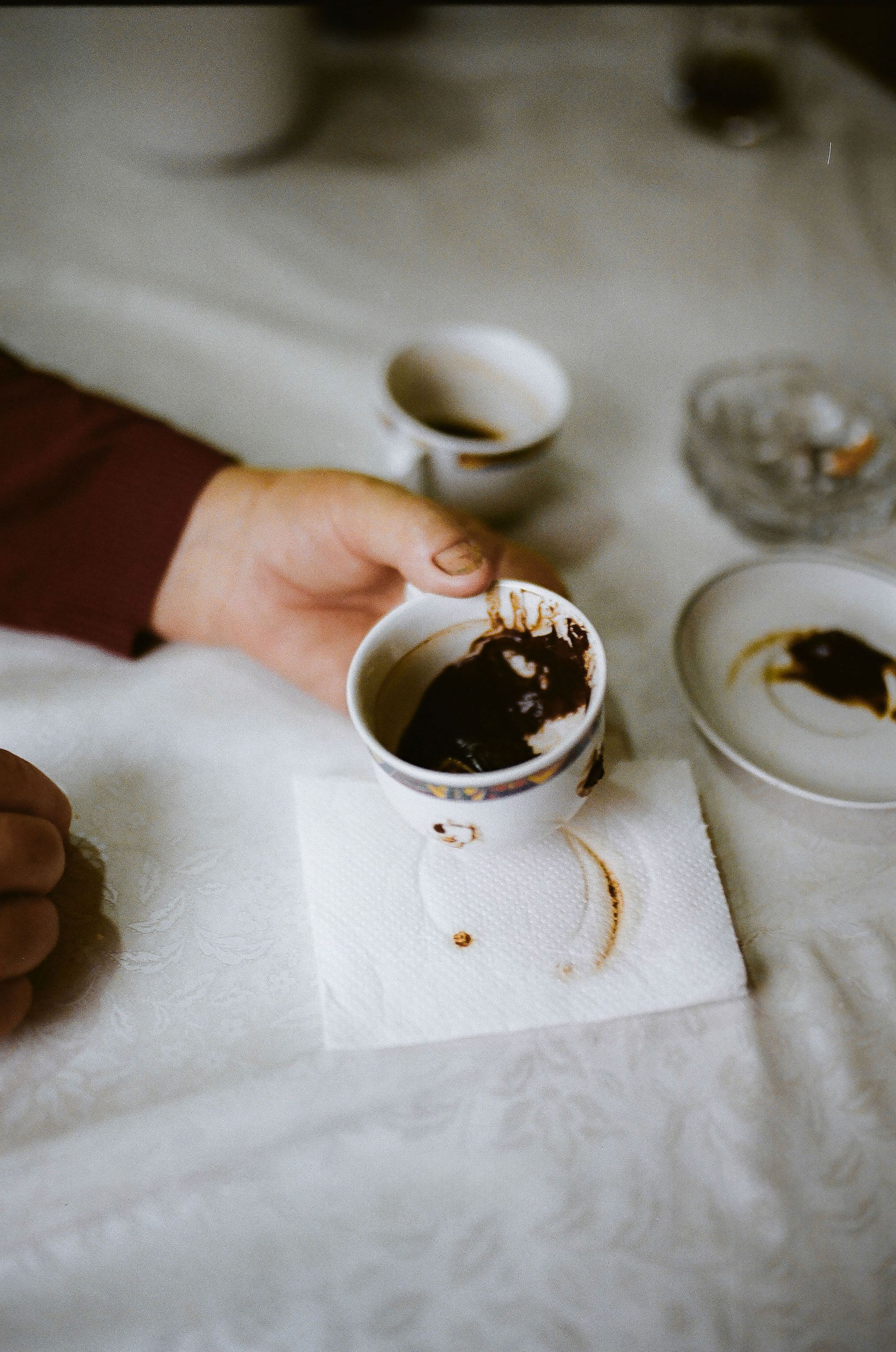
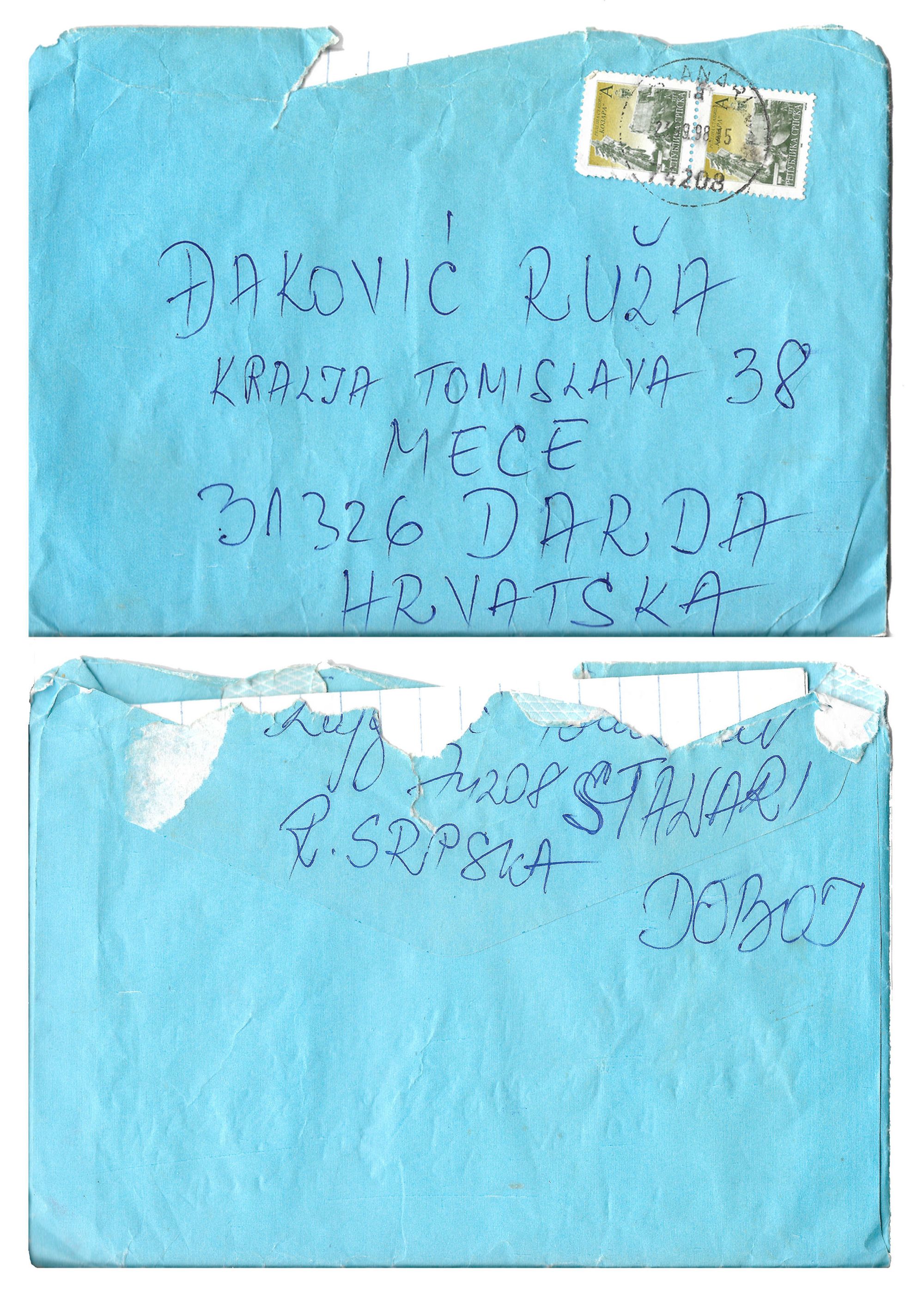
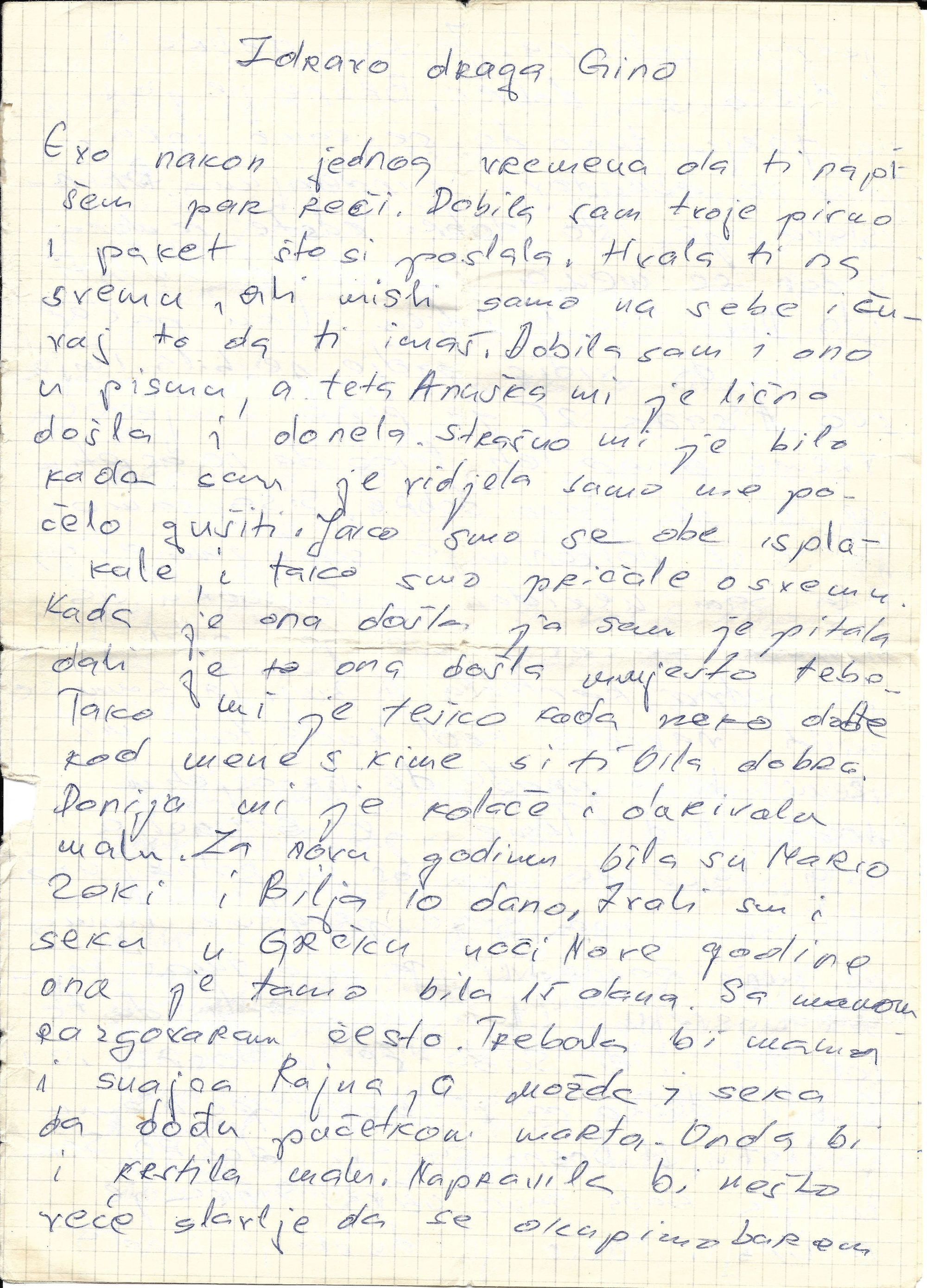
"Before Baranja, there was you." – reads the opening line of Croatian photographer Tomislav Marcijuš's most personal photo series to date, which follows the life of his mother, the center of the artist's personal universe. The theme of the photo series is the life of a person and a family marked by sacrifice and loss, which, in addition to being deeply personal, is also universal, representing the similar experiences of hundreds of thousands of people during the Yugoslav Wars. His mother and her sister grew up in Stanari, Bosnia, which they left at the same time, but the war separated them: the former ended up in occupied Baranja, while the latter ended up in Osijek. For the next four years, they knew nothing about each other or their family left behind in Bosnia. The title of the series is borrowed from a poem by Desanka Maksimović, which symbolizes not only the love between the two sisters, but also the connection with long-lost family members.
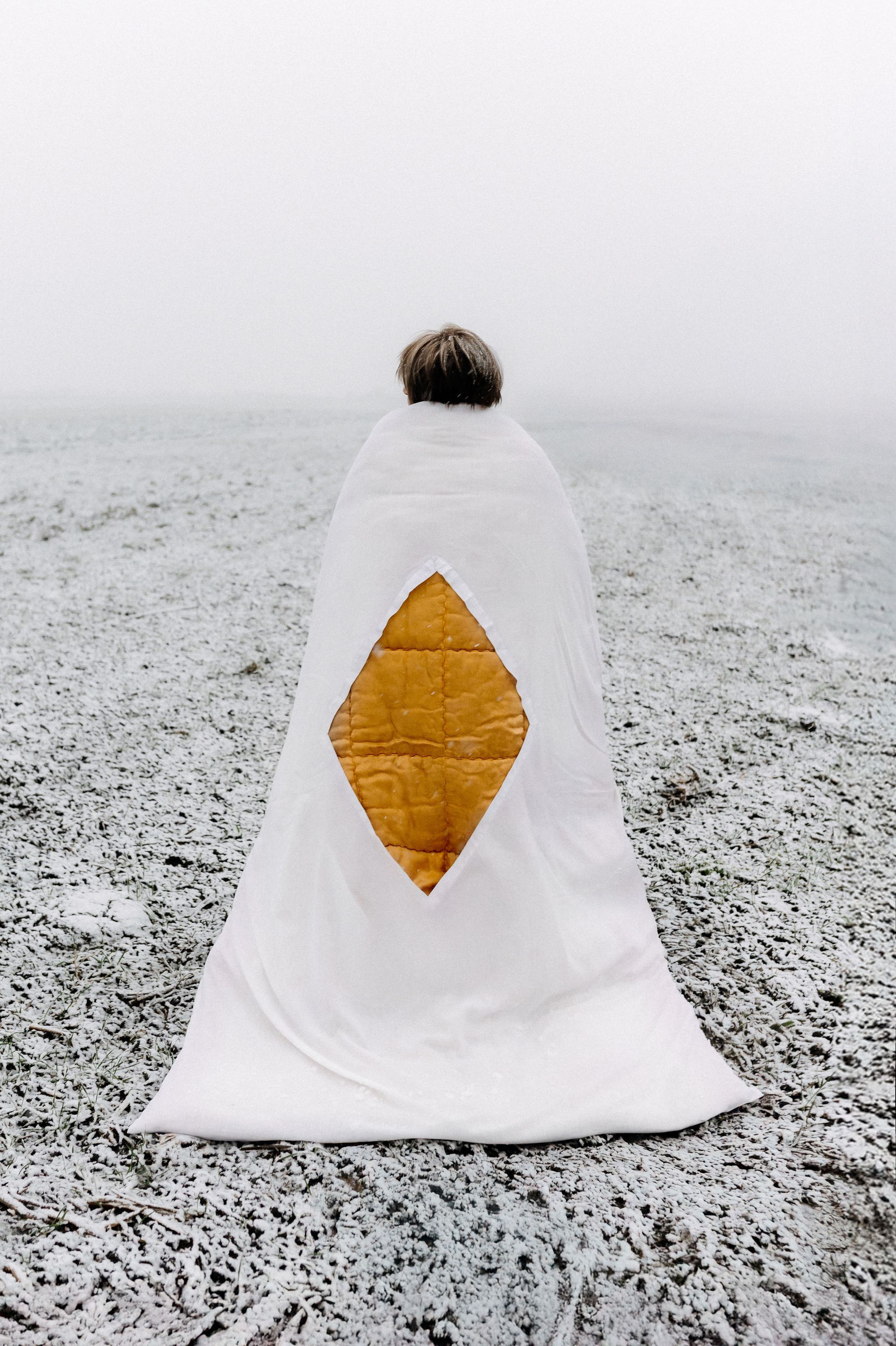
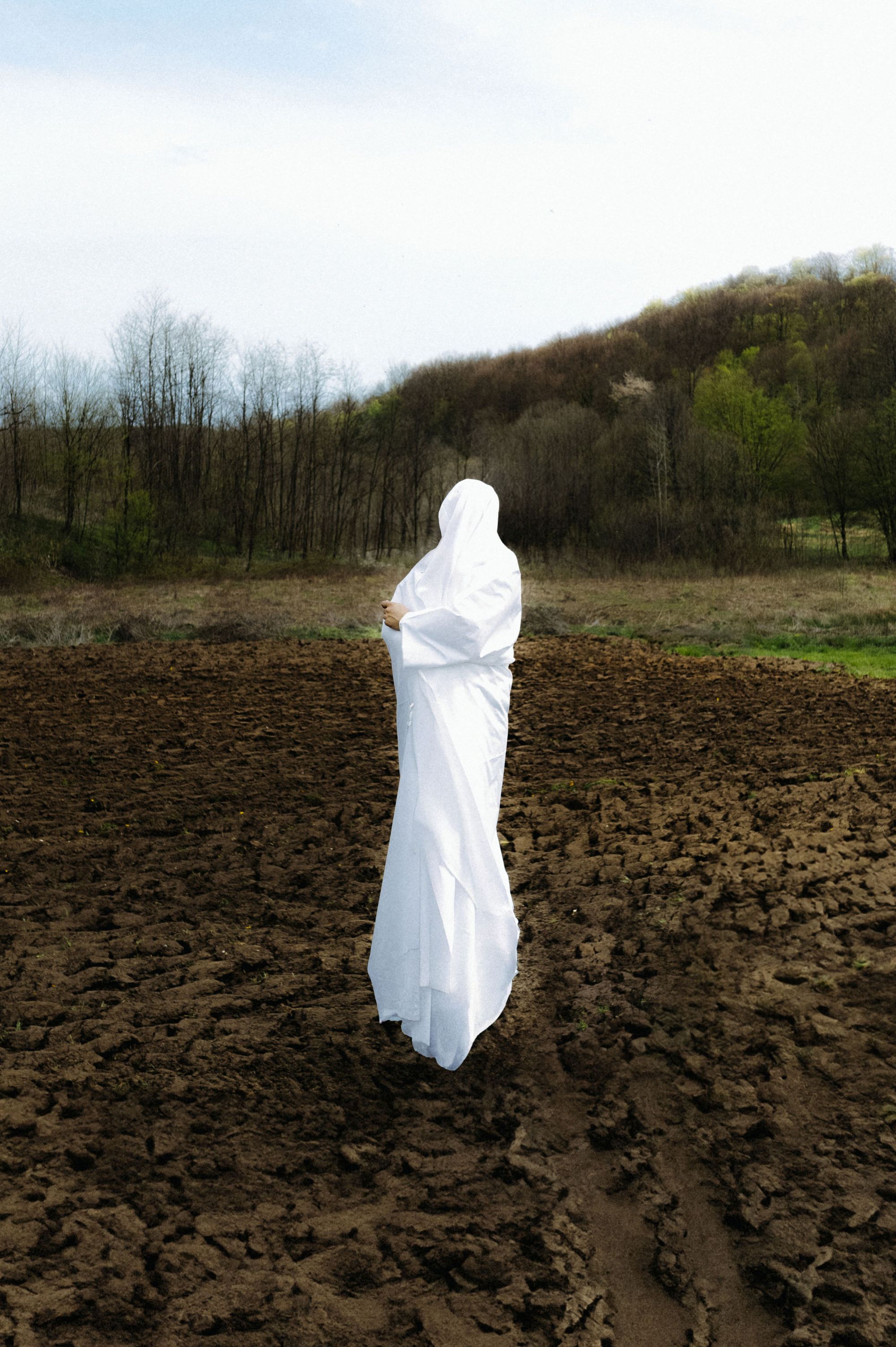
Is Our Embrace Will Be Long Like the Waiting an organic sequel to the Baranja Dreaming, or do you see it as a completely different one?
All of my projects are interconnected. The end of one naturally leads into the beginning of the next. Our Embrace Will Be Long, Like the Waiting is an organic continuation of Baranja Dreaming, not something separate.
Why did you choose your mother as the center of the project?
Because without her, none of this would exist. Baranja would not have happened, and I would not be here. After everything I have done so far, I felt I had to return to her story in order to bring closure to what came before, to start new projects, and to connect everything into a single whole. She is the key link.
What was the hardest part of collecting the tokens of her past – either emotionally or technically?
The hardest part was revisiting places and conversations that most people prefer not to remember—spaces tied not to joyful memories, but to loss and tragedy. Perhaps the most difficult of all was finding and reading the letters exchanged between my mother and her sister during the war. Some of these letters remain unpublished because of their intimacy; they show people pushed to the very edge of endurance, especially when you haven't seen someone for five years. It was also challenging to photograph my own family—my aunt, my mother, and her brothers. Photographing family is unlike photographing anything else, because you never want to disappoint them in any way. You want each photograph to be, for them, the most beautiful and meaningful image in the world. With that mindset, the responsibility feels greater, because you are also exposing them, and it was not easy to present and exhibit everything. These are things that truly happened, things that carry a certain weight, and I believe they can be felt in the work itself.
Are you planning to continue documenting your heritage in a next project?
Yes. The next project will be called Baranja 2.0, focusing on the Baranja region in Hungary. It will deal with the post-war aesthetics of Croatians traveling to Hungary for shopping, as well as the routes people used through Croatia and Hungary to meet with relatives from Serbia—since entering Hungary directly from Croatian Baranja was not possible at that time.
Tomislav Marcijuš | Web | Facebook | Instagram
Photos: Tomislav Marcijuš