In the heart of Warsaw, at the corner of Wilcza and Koszykowa streets, stands a building that draws attention through its subtle layering. At Nobu Hotel Warsaw, the encounter between Japanese minimalism and Art Deco character creates a compelling spatial experience.
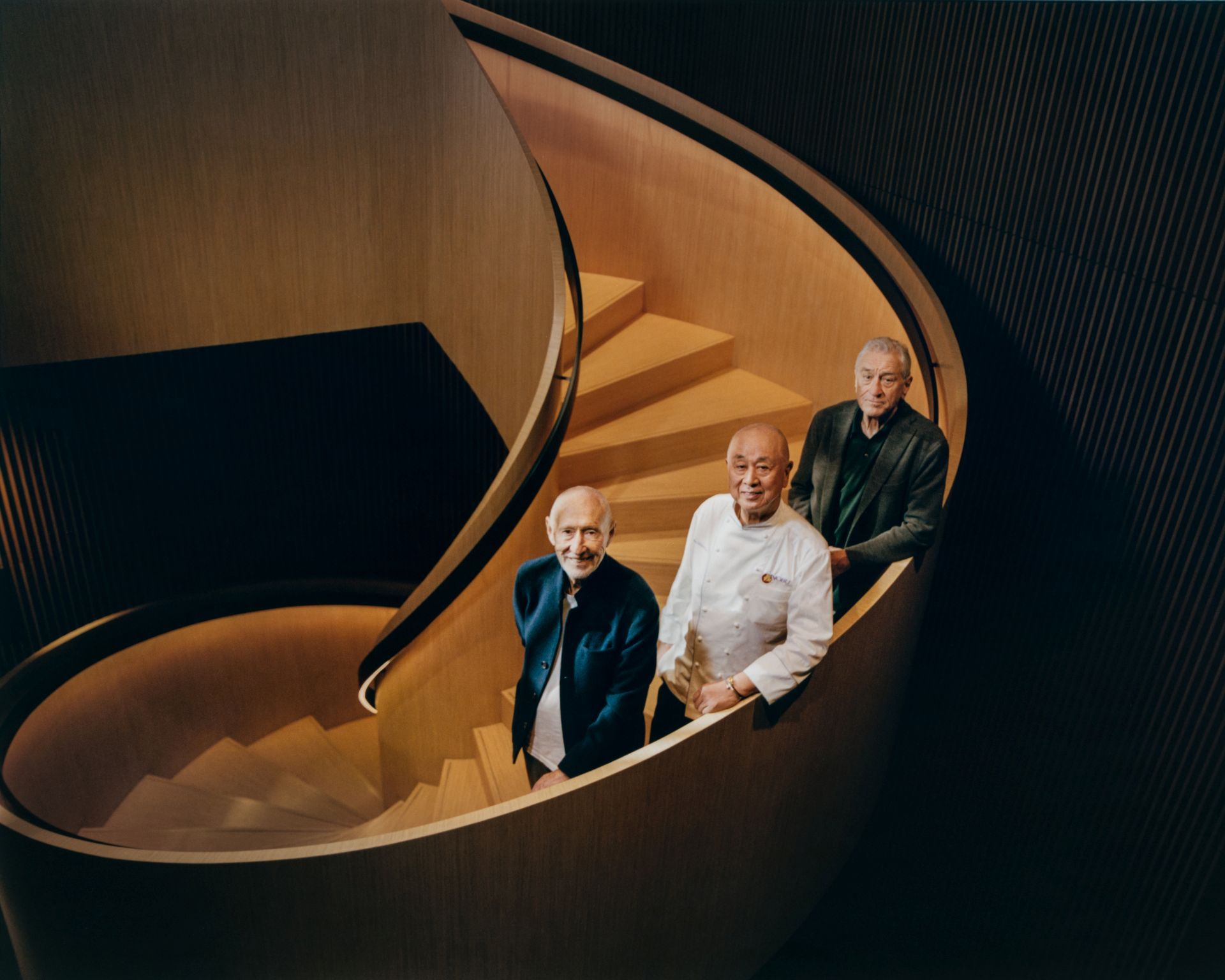
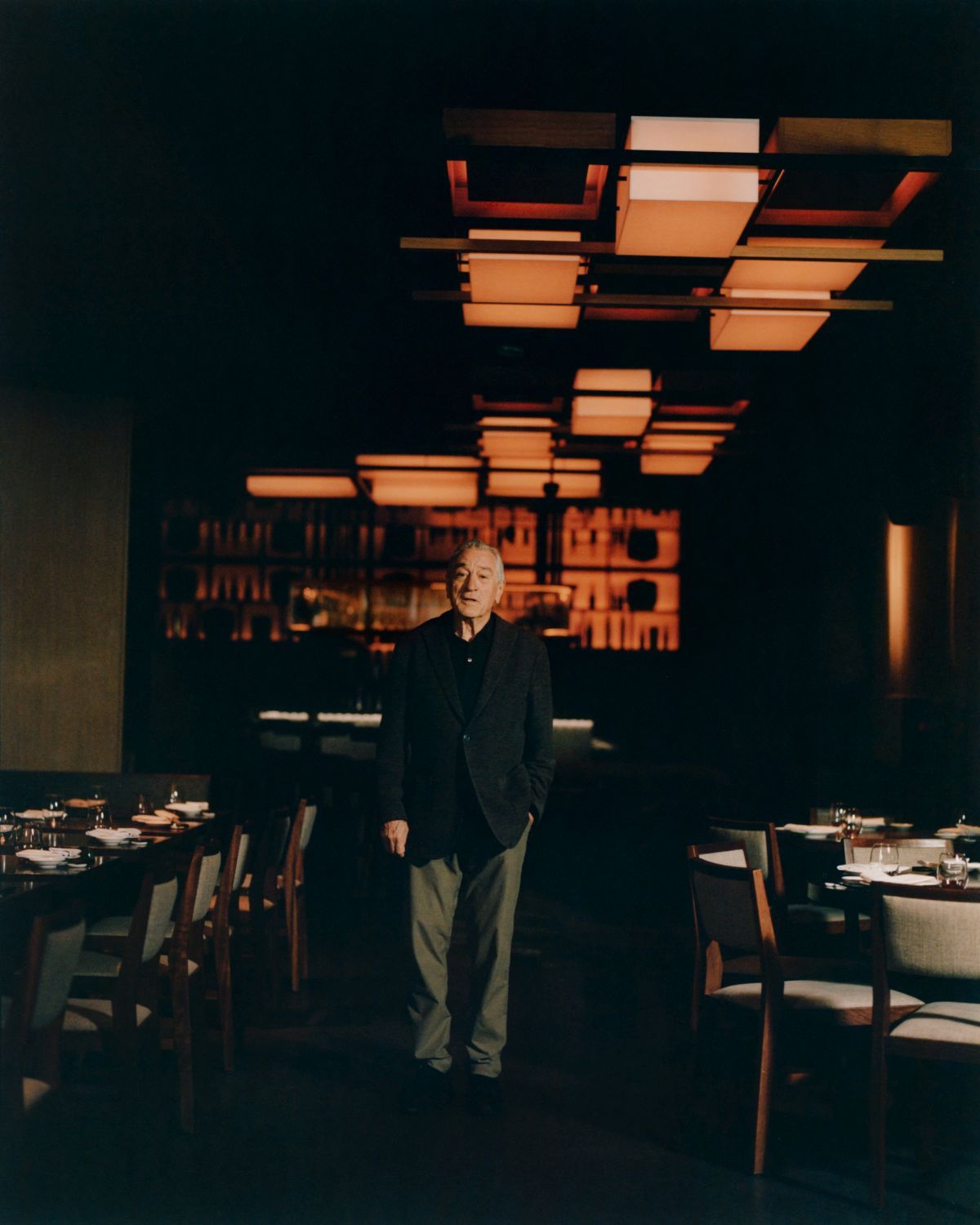
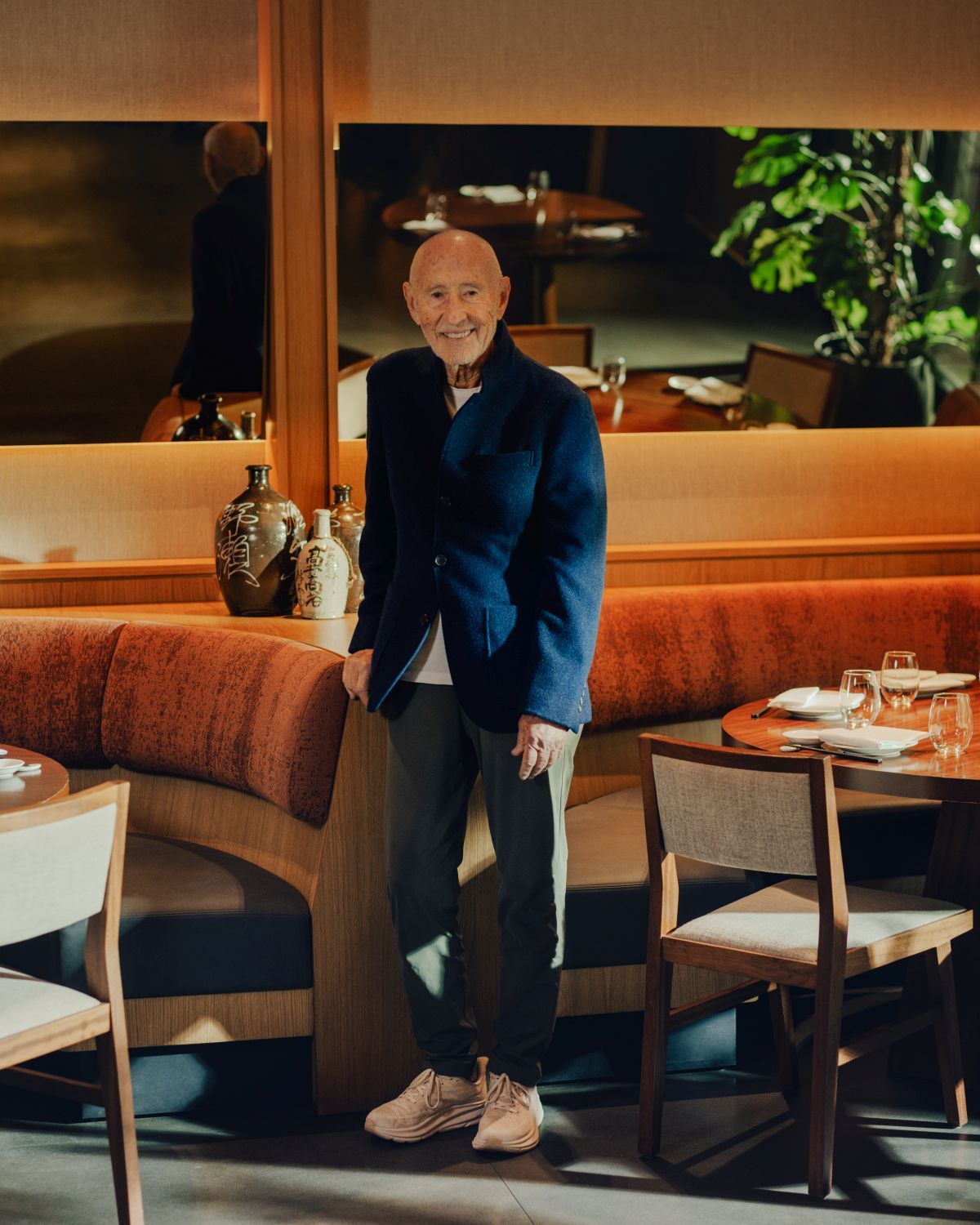
The Nobu brand — founded by Robert De Niro, Nobu Matsuhisa and Meir Teper — is built globally on the integration of architecture, gastronomy and hospitality. The Warsaw hotel is a particularly strong, locally interpreted example of this approach, where interior design and architectural thinking are closely intertwined. One of the most intriguing aspects of the hotel is the relationship between old and new. The historic wing was developed from the former Hotel Rialto, while a contemporary new volume stands alongside it. Rather than separating, the two parts form a gentle tension — a dialogue that enriches the overall experience. This duality is also reflected in the interiors. The Japanese philosophy of omotenashi— a holistic, detail-oriented approach to hospitality — is evident not only in the level of service but also in the visual decisions, expressed through materials, light and proportions.

A Dialogue of Materials
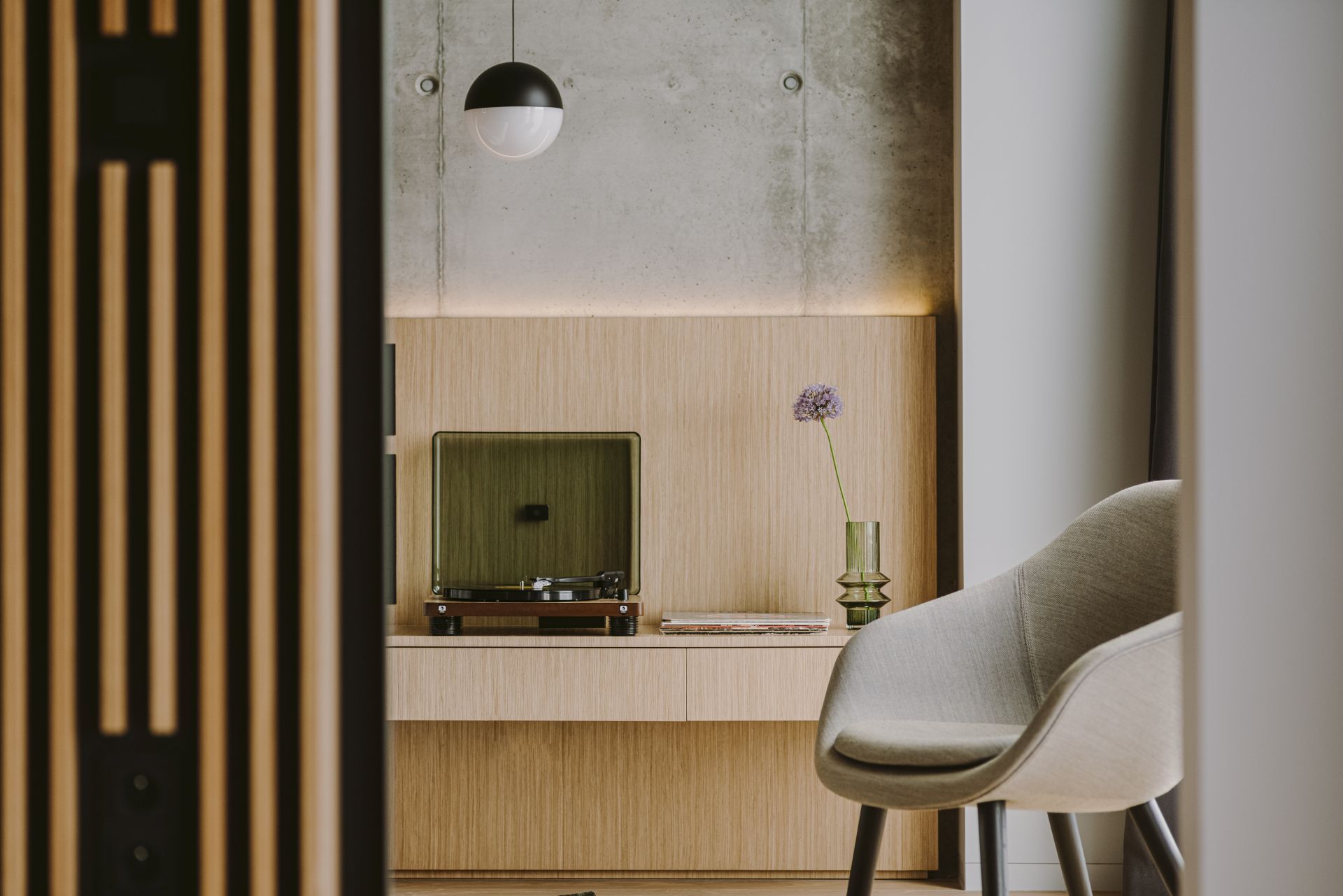
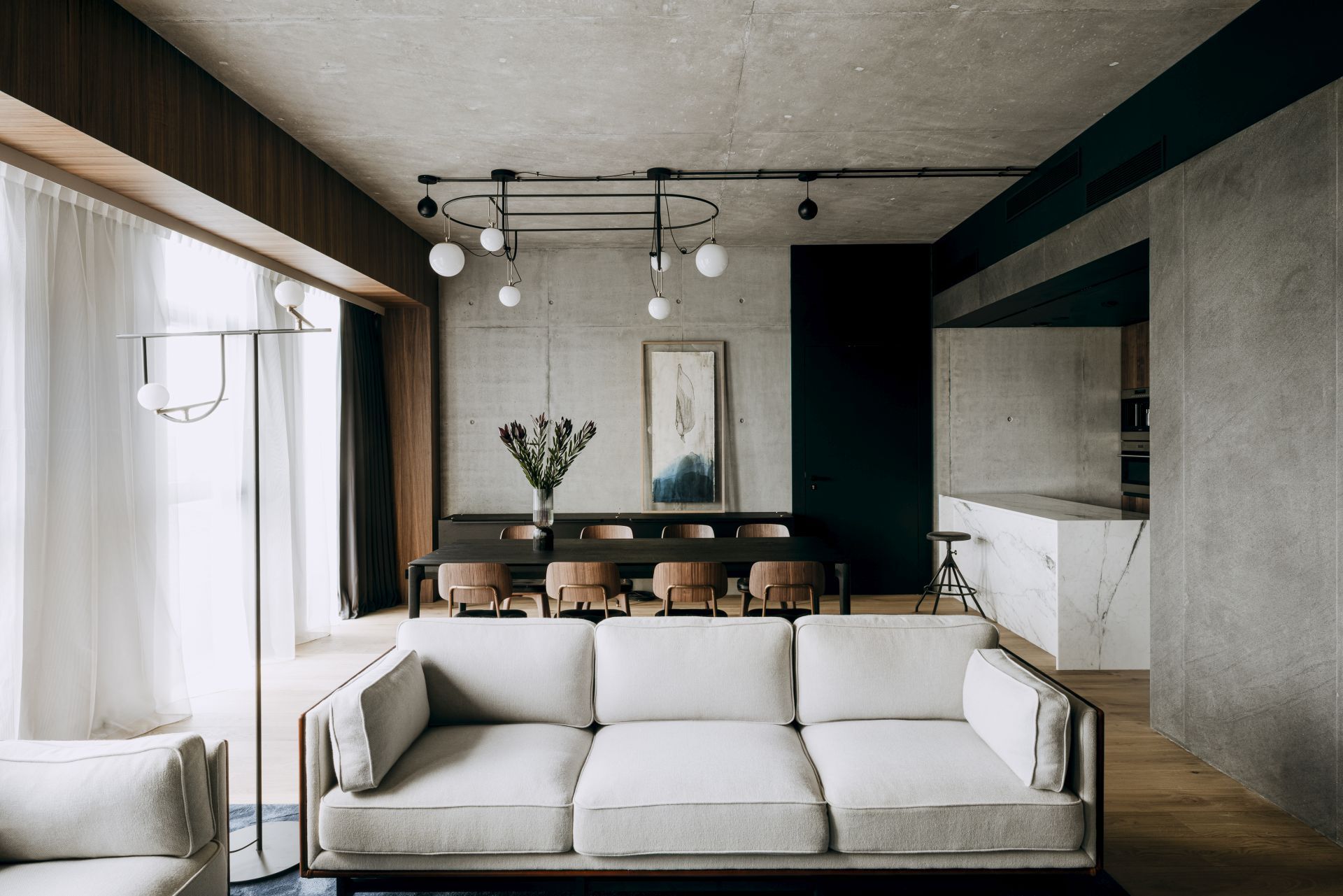
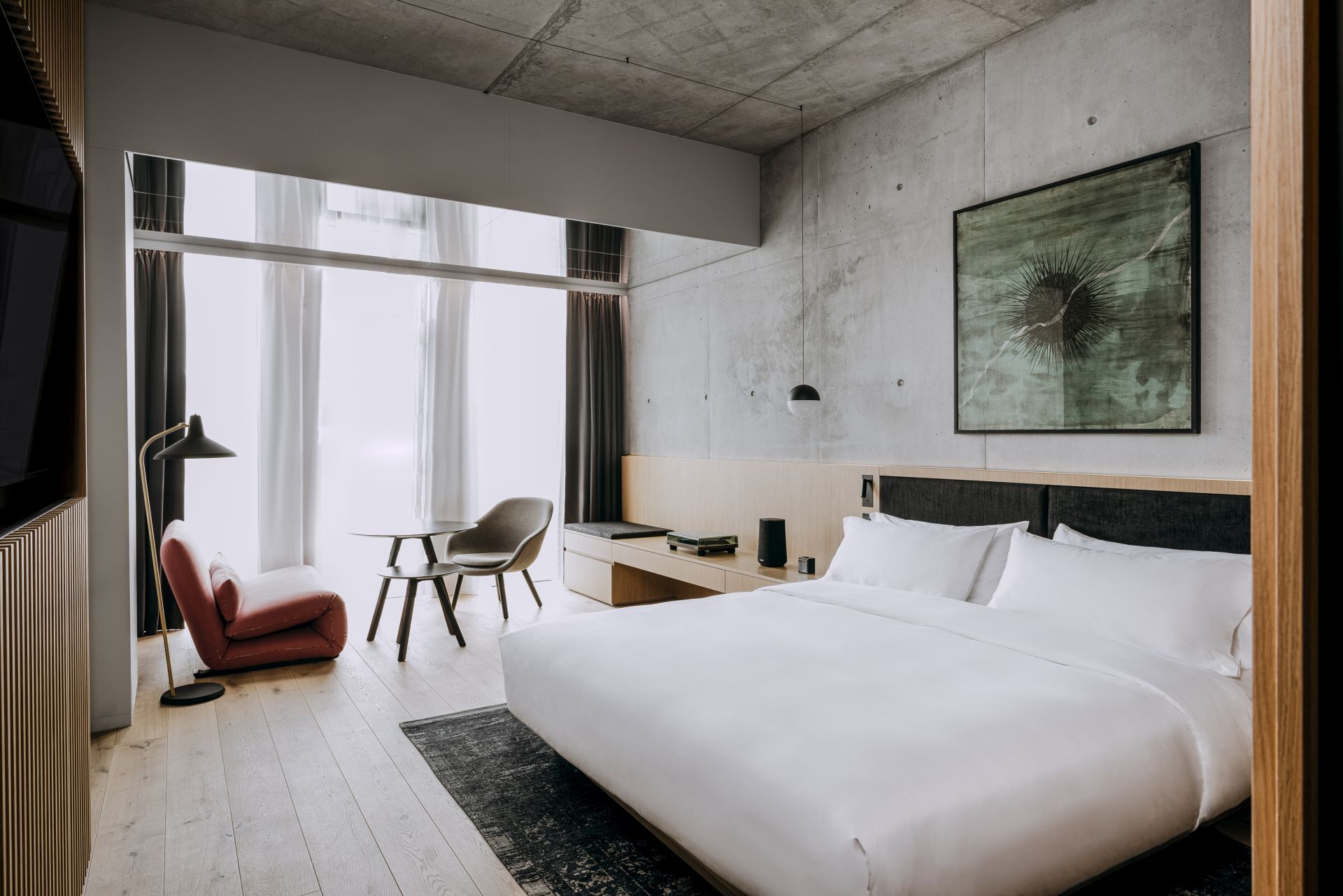
The interior design of the 116 rooms is built on deliberate contrasts. Raw concrete surfaces are paired with warm wood and travertine, while textures and patterns maintain a careful balance within the composition. Contemporary elements — such as bold carpets or architectural concrete — enter into dialogue with Art Deco-inspired details: dark finishes, finely structured wood, and understated yet elegant wallpapers, all contributing to a rich atmosphere. The interiors feel both cool and welcoming, structured yet not rigid — defined instead by a quiet, subtle dynamism. The spatial experience is further enhanced by selected works from the ASOM Collection, featuring Polish artists whose presence adds a distinct local character to the interiors.
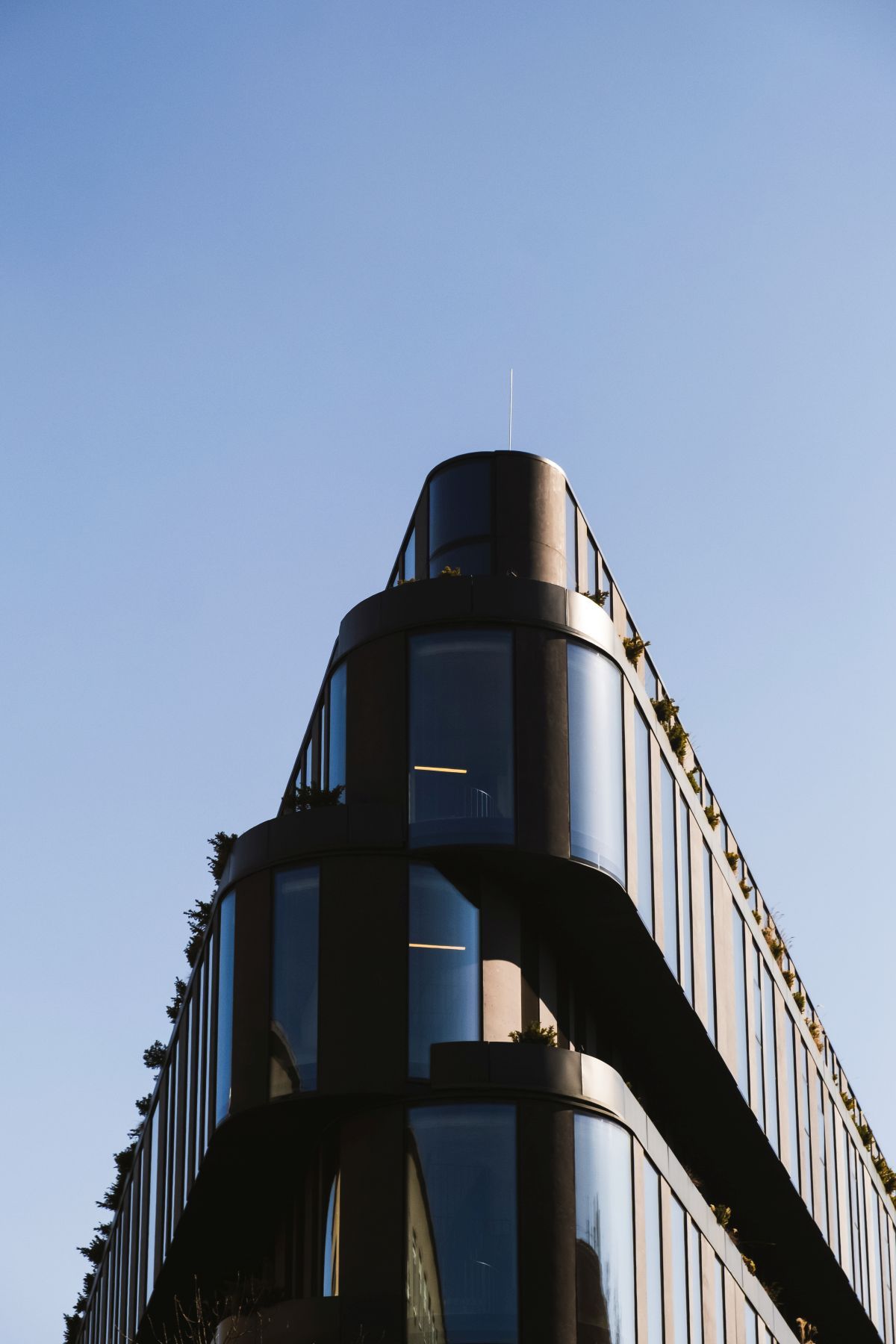
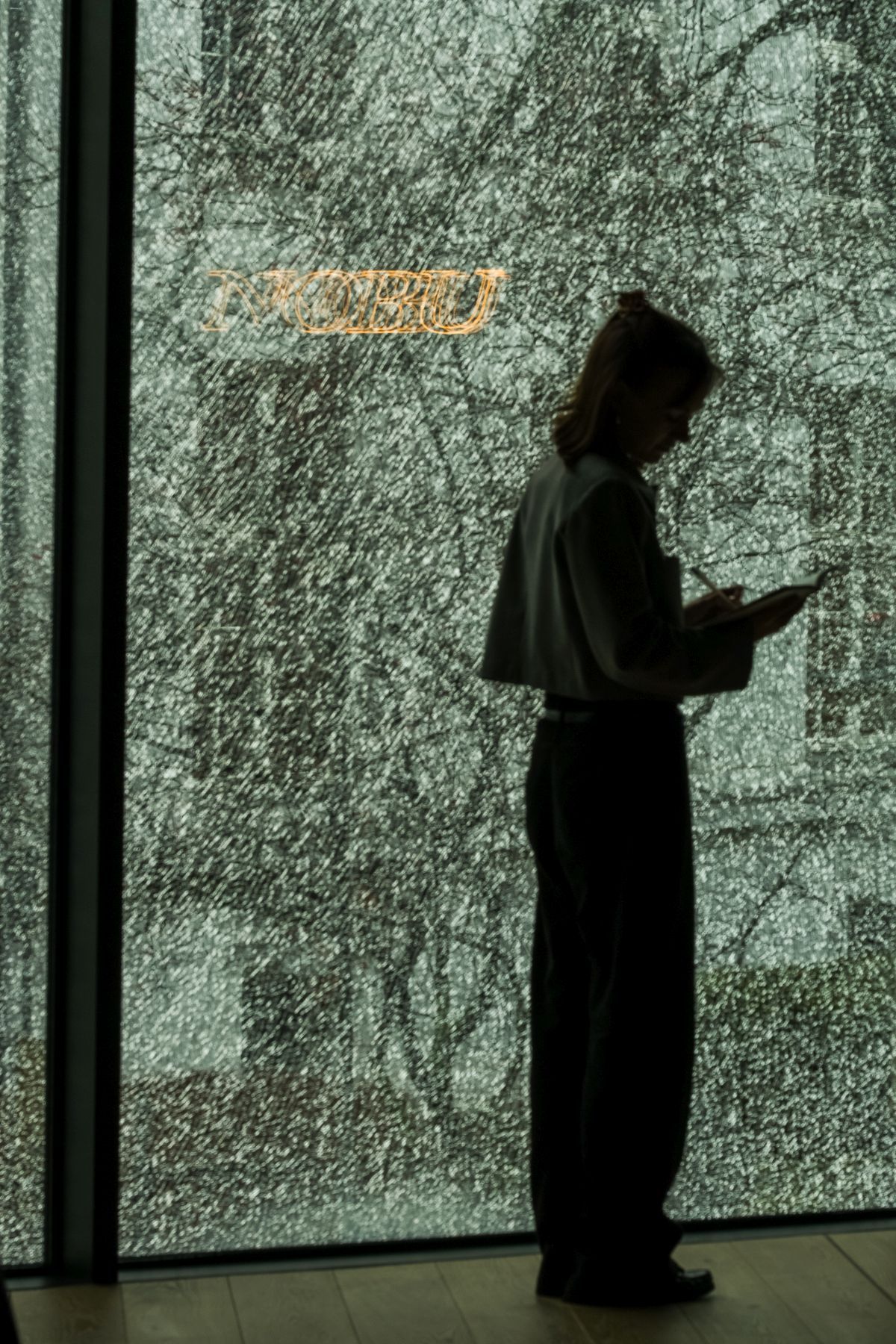
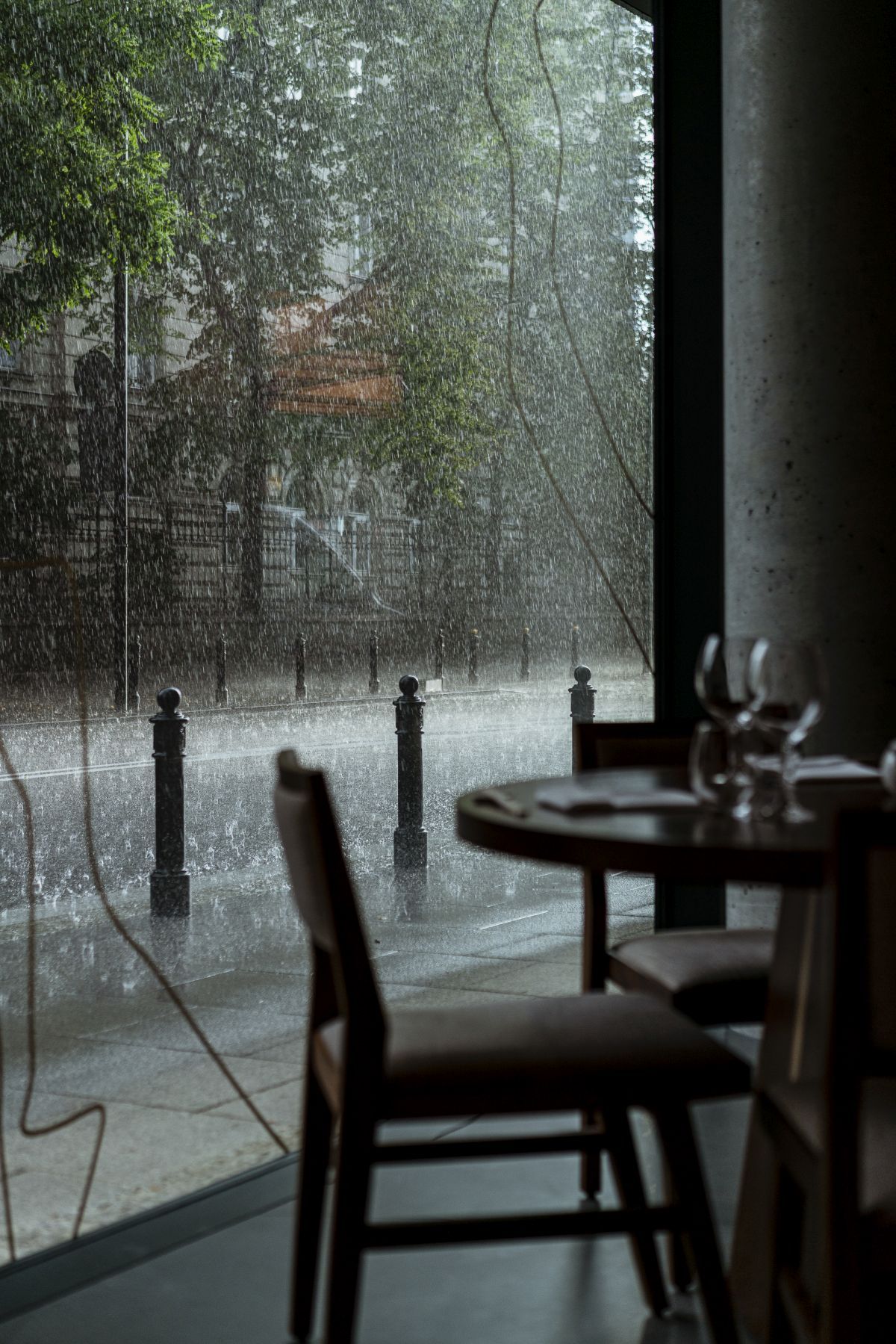
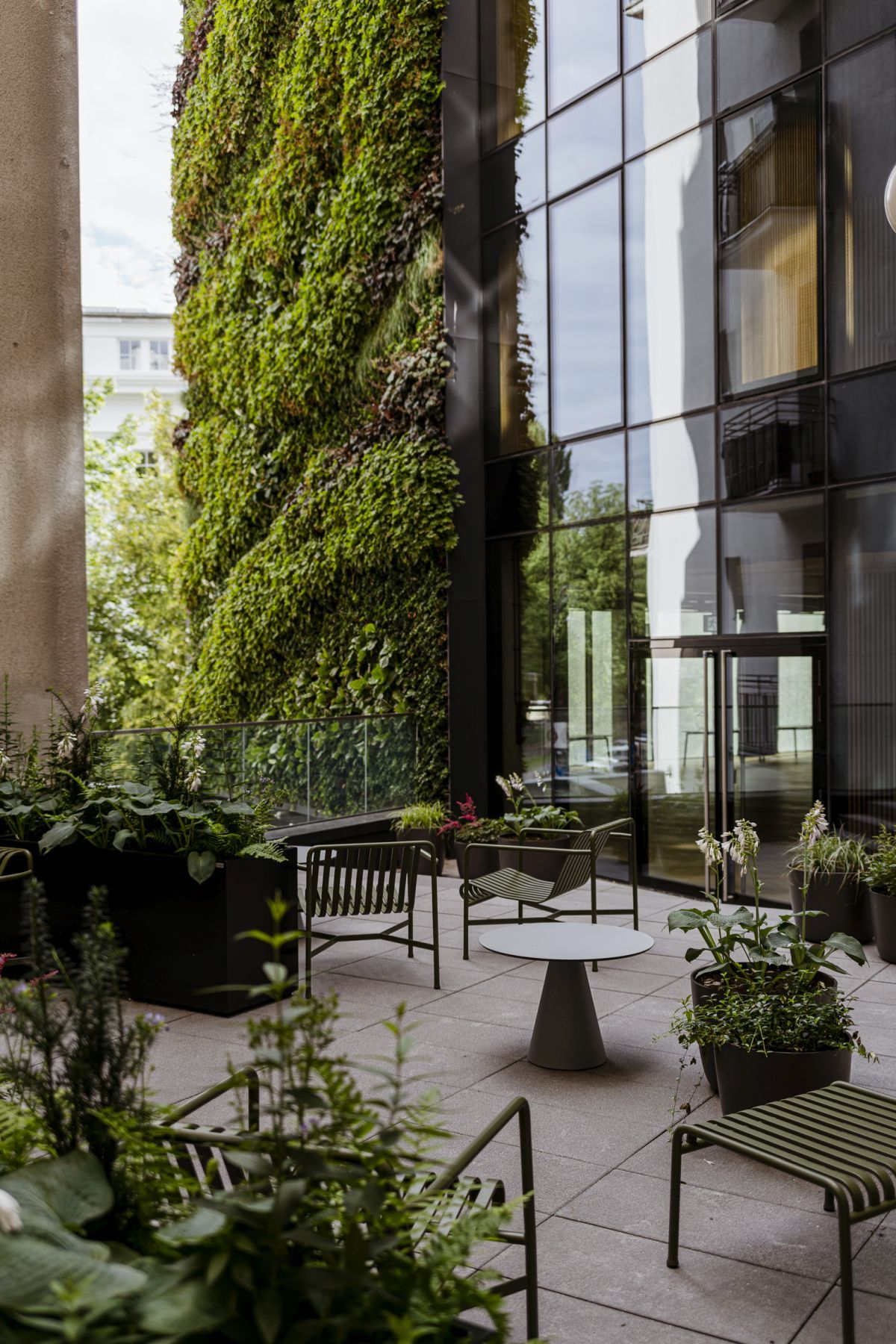
The new wing, designed by Medusa Group in collaboration with California-based Studio PCH, was developed on an irregular plot, requiring a highly precise design approach. The trapezoidal, glazed volume features staggered floors that create varied viewpoints while maximizing natural light. Its façade, composed of crushed glass, acts as a semi-transparent membrane, ensuring privacy while opening the interiors toward the city. The rounded glass corner introduces a more organic, fluid architectural language into the urban fabric — a subtle shift away from conventional high-end architectural forms.
A Local Response to a Global Language
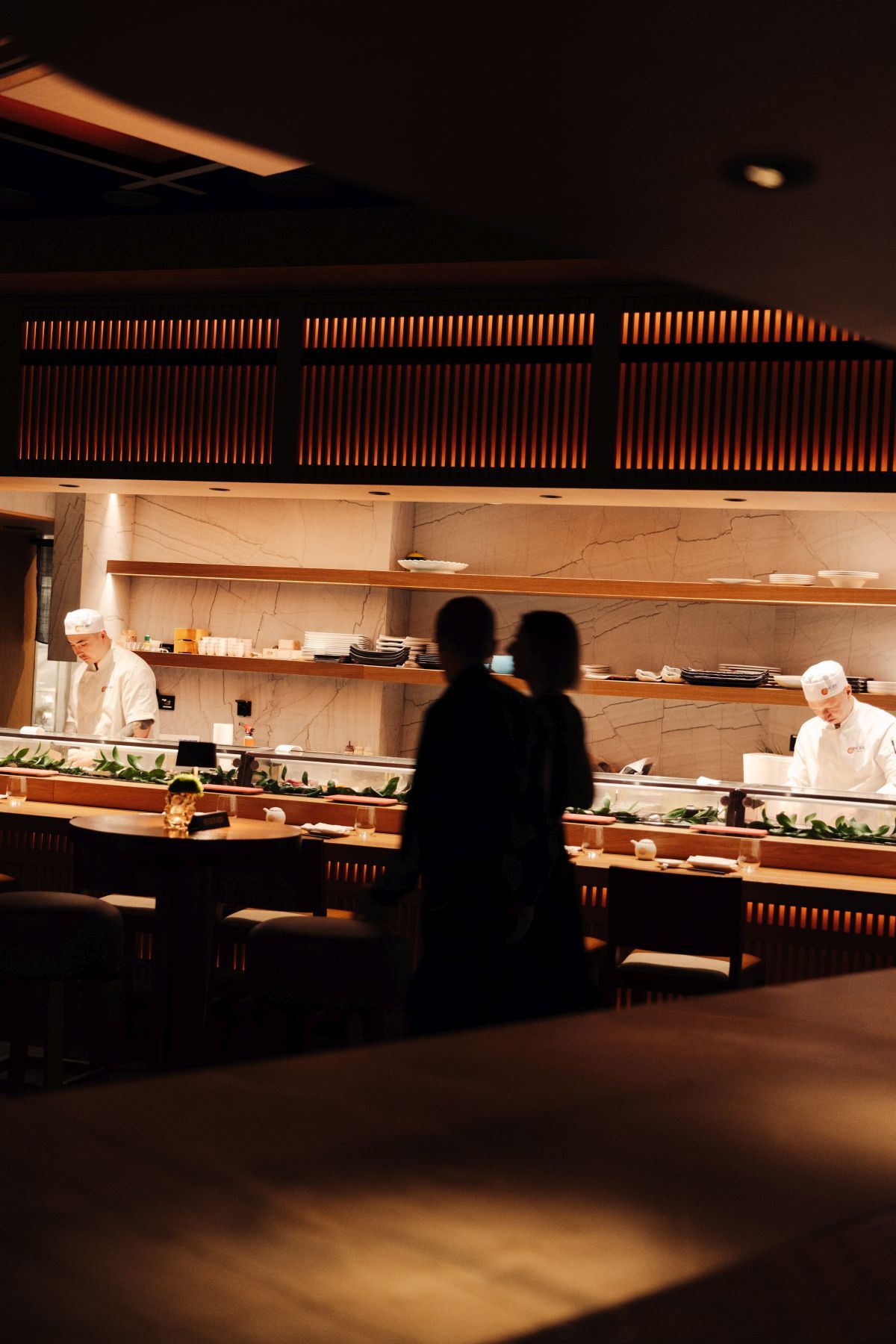
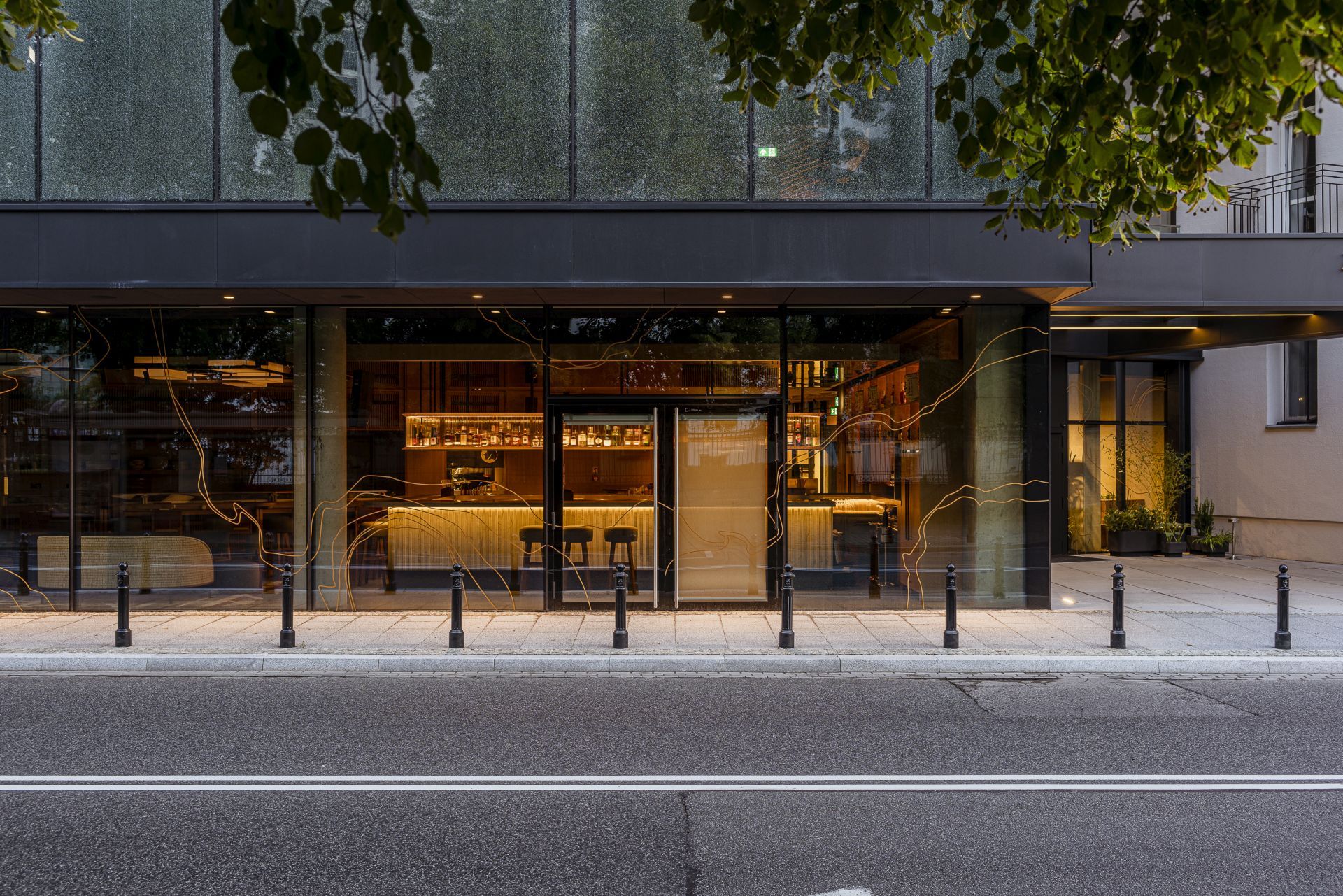
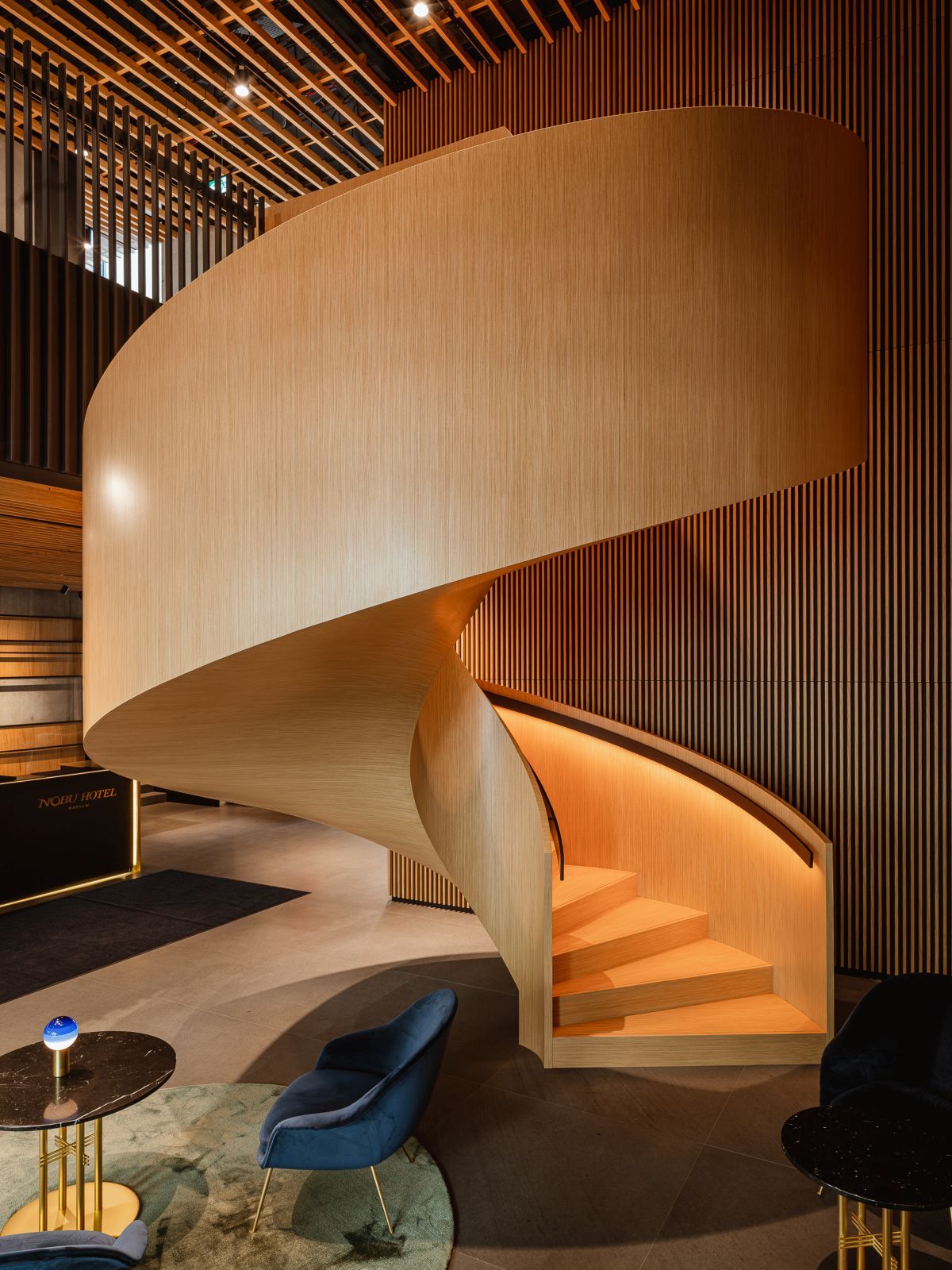
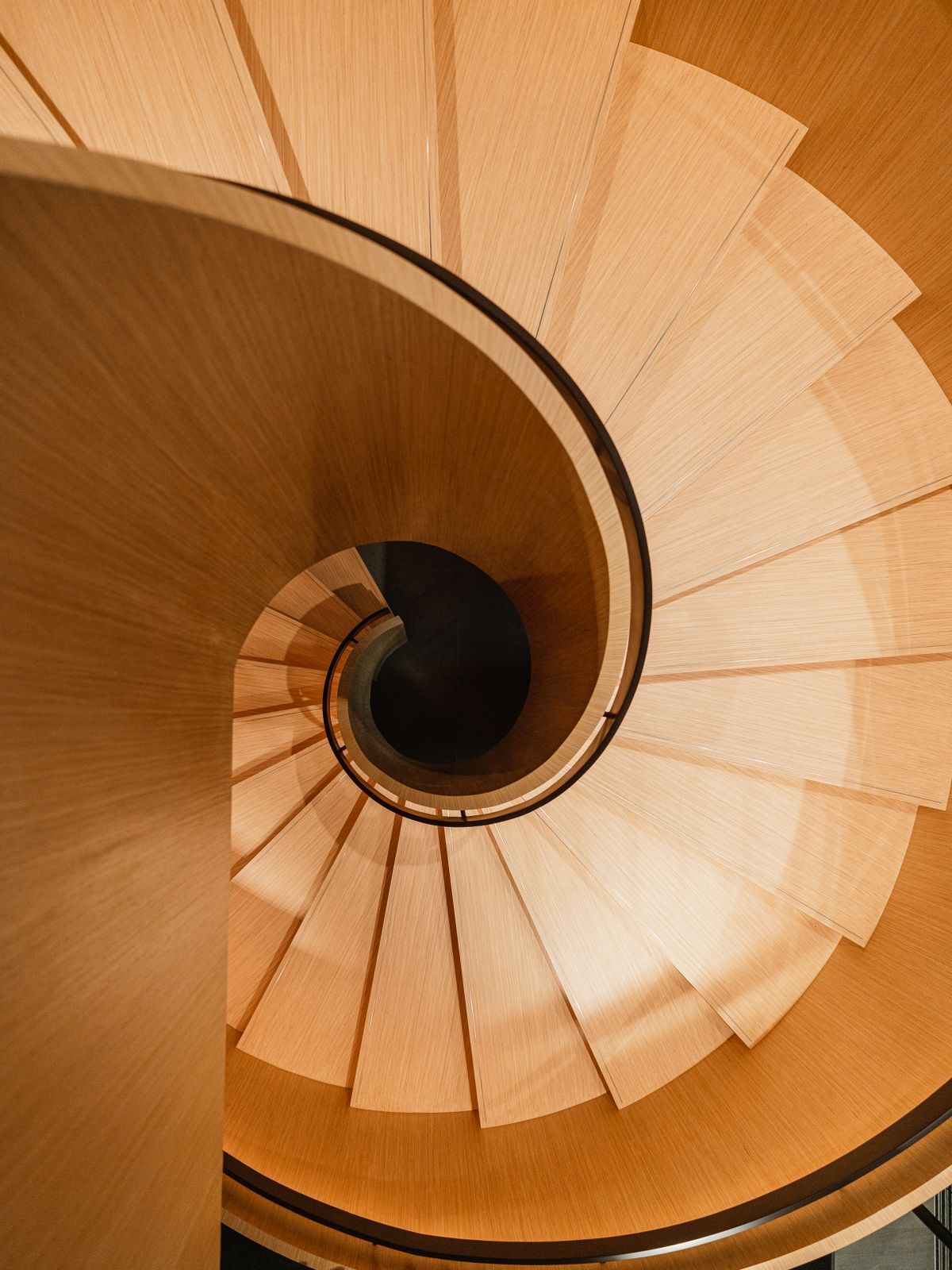
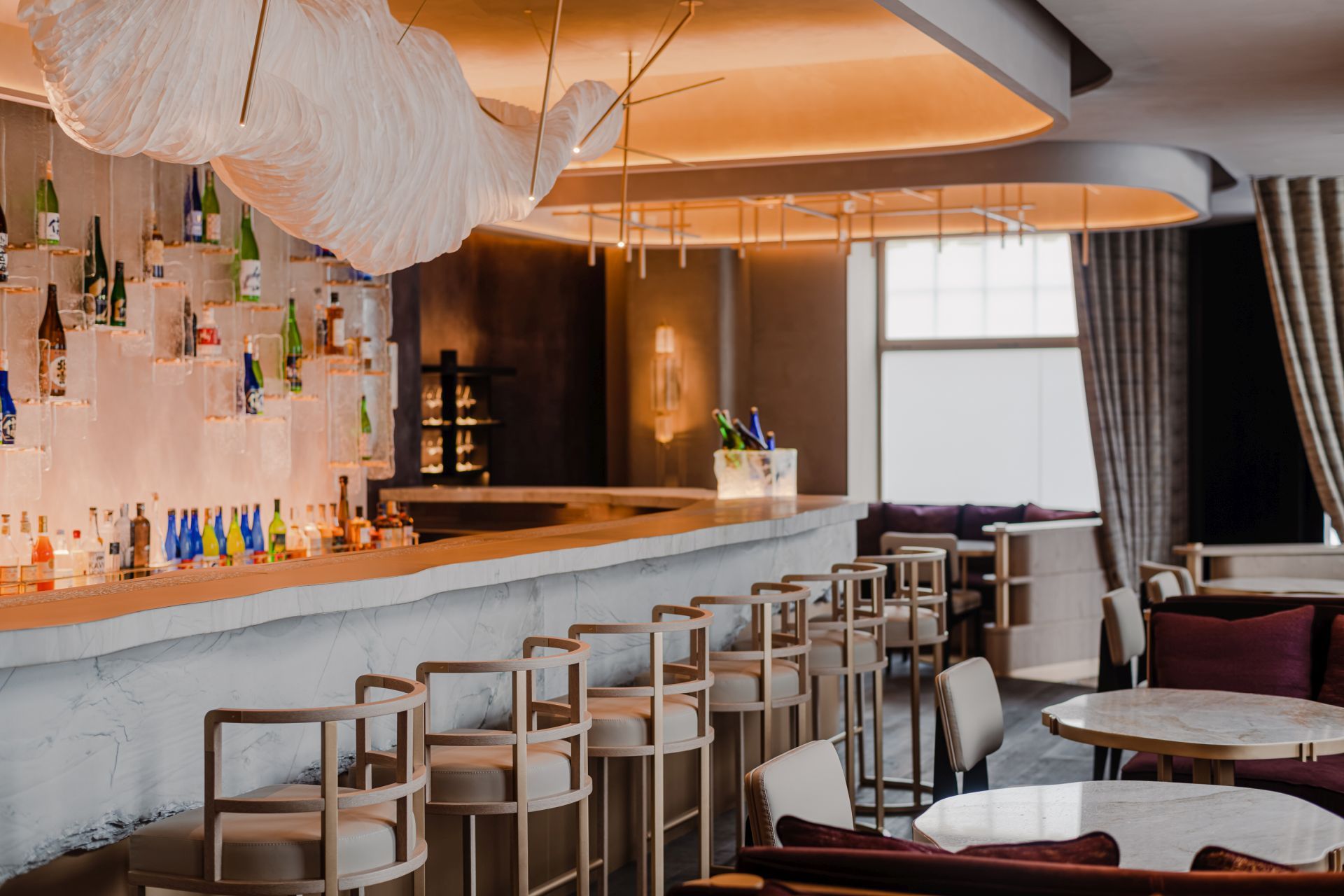
At Nobu Hotel Warsaw, design is part of a larger narrative. This is reinforced by the hotel’s program: the Nobu restaurant with its Japanese-Peruvian cuisine, the Sake Bar, and the underground Jassmine jazz club, whose atmosphere recalls the intimate music venues of New York rather than a typical hotel setting. The sculptural staircase in the lobby, light-reflecting surfaces, and the darker, more enclosed ambiance of the club all carry forward the same idea — shaping spatial experience into something immersive.
Five years after its opening, Nobu Hotel Warsaw remains one of the most compelling examples of how a global brand can be reinterpreted within a local context. Architects Przemo Łukasik and Łukasz Zagała of Medusa Group have created a building that reflects Warsaw’s historical layers while engaging with an international design discourse. Perhaps this is why the project works so well: it does not attempt to reveal everything at once — instead, it allows the space to unfold slowly, layer by layer.