


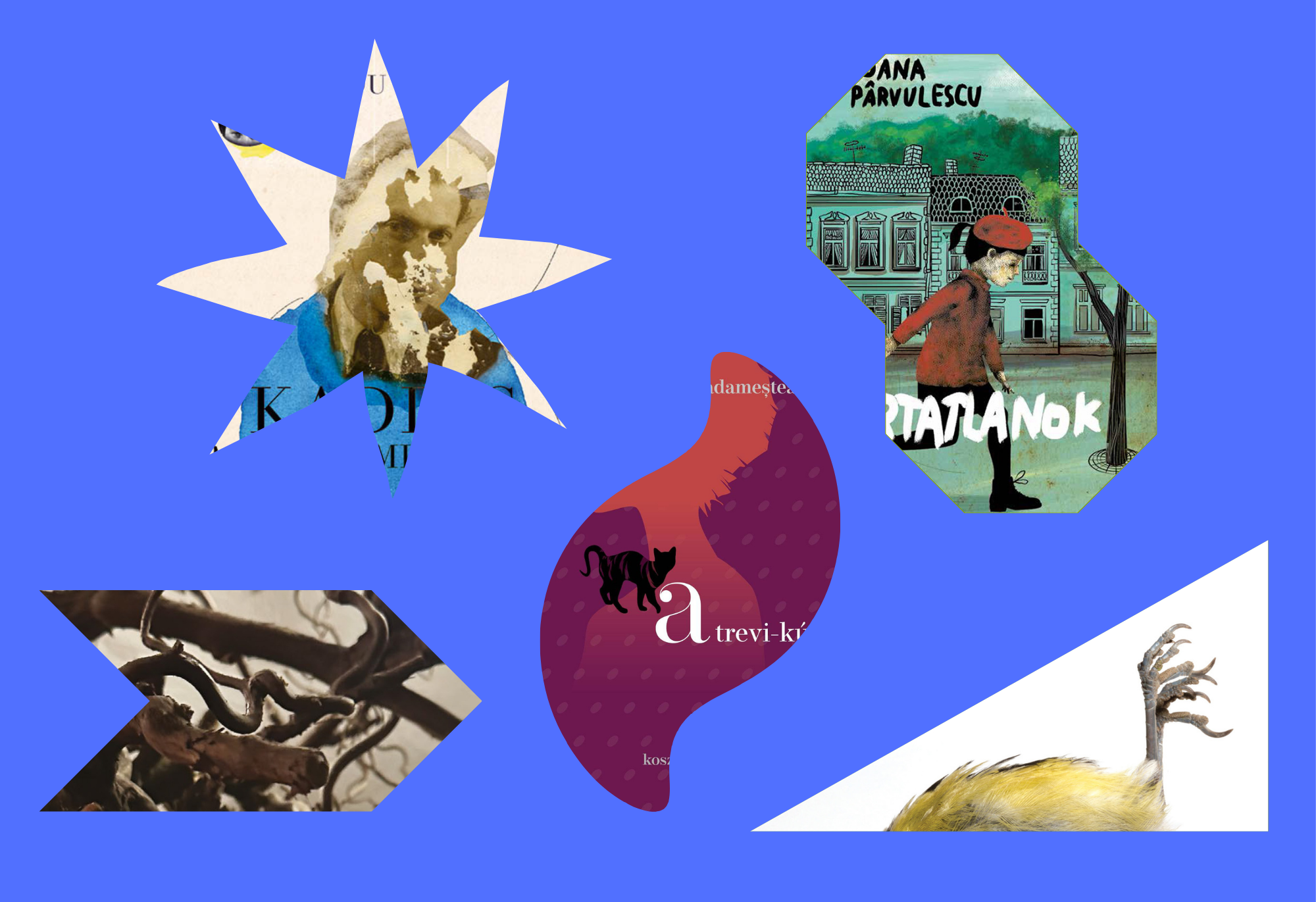
With its 30th anniversary and record number of exhibitors, there will be plenty of reasons to visit the Budapest International Book Festival this weekend. In honor of Romania's status as guest of honor, we have compiled a list of five recent contemporary Romanian publications that are now available in Hungarian translation and will be presented at the Book Festival.
The Hungarian book industry is celebrating a milestone anniversary: the Budapest International Book Festival will be held for the 30th time between October 2 and 5. The book fair, professional lectures, public meetings, and book signings will all remain, only the venue will change: this year, the event has moved to the Bálna Defense Center. The festival's special guest is one of Scandinavia's most acclaimed writers, Danish author Janne Teller, who has also won the Budapest Grand Prize. Her best-known novel, Nothing, published 25 years ago, has had an exciting journey: it was first banned in Denmark and several Western European countries, then, after a 180-degree turn, it won the Children's Book of the Year award in her home country, and has since become required reading in schools and been translated into 35 languages worldwide. She will also present her new book, Are You Proud of Me, Joanna?, in Budapest.
Romanian literature will also receive special attention this year, as Romania will be the guest of honor. Their stand will feature a large-scale presentation with some thirty events. Contemporary Romanian authors and translators await the audience, bringing their literature closer to Hungarian readers through book presentations, roundtable discussions, and public readings. The program features renowned authors such as Gabriela Adameșteanu, Ioana Pârvulescu, Radu Vancu, and Filip Florian, alongside newer voices who are less well known in Hungary. Visitors will be able to discover newly translated works, obtain signed copies, and even talk to the translators about the secrets behind the creation of the works. Romania's guest of honor status is not only a representative presence, but also serves to deepen cultural dialogue. The festival is thus not only a celebration of books, but also a meeting point between the literary and cultural communities of the two countries, offering opportunities for new collaborations and discoveries.
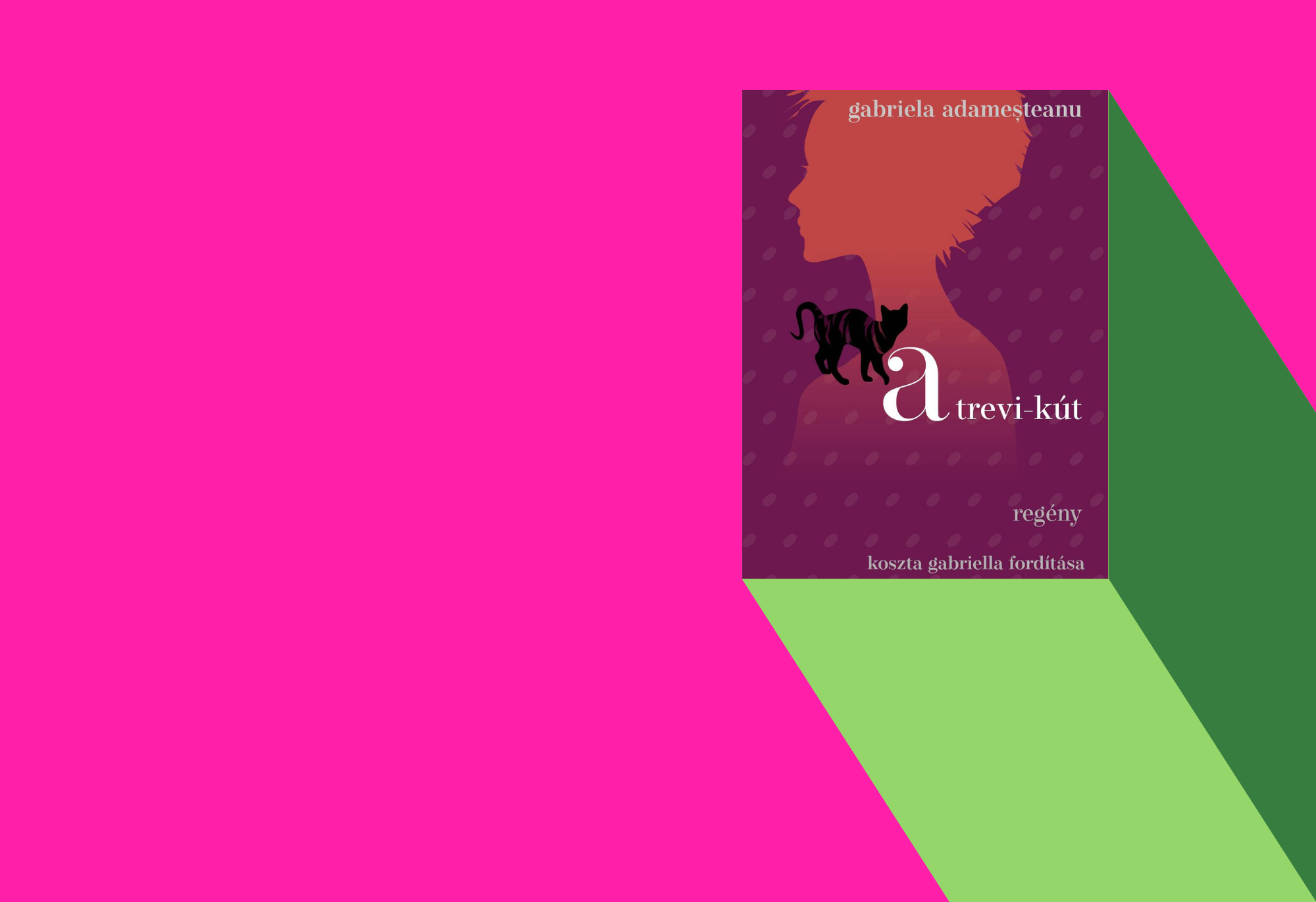
Gabriela Adameșteanu: The Trevi Fountain
Vince Kiadó
One of Gabriela Adameșteanu's most important novels, in which memory and personal history intertwine with the fate of Central and Eastern Europe. From the perspective of characters living in exile, a world unfolds in which the shadows of the past and the challenges of the present are in constant dialogue with each other. The Trevi Fountain is not only an iconic Roman landmark, but also a symbol: a symbol of desire, of longing for an unattainable home. The novel sensitively explores how those who are torn from their roots try to preserve their identity, and how history haunts us all.
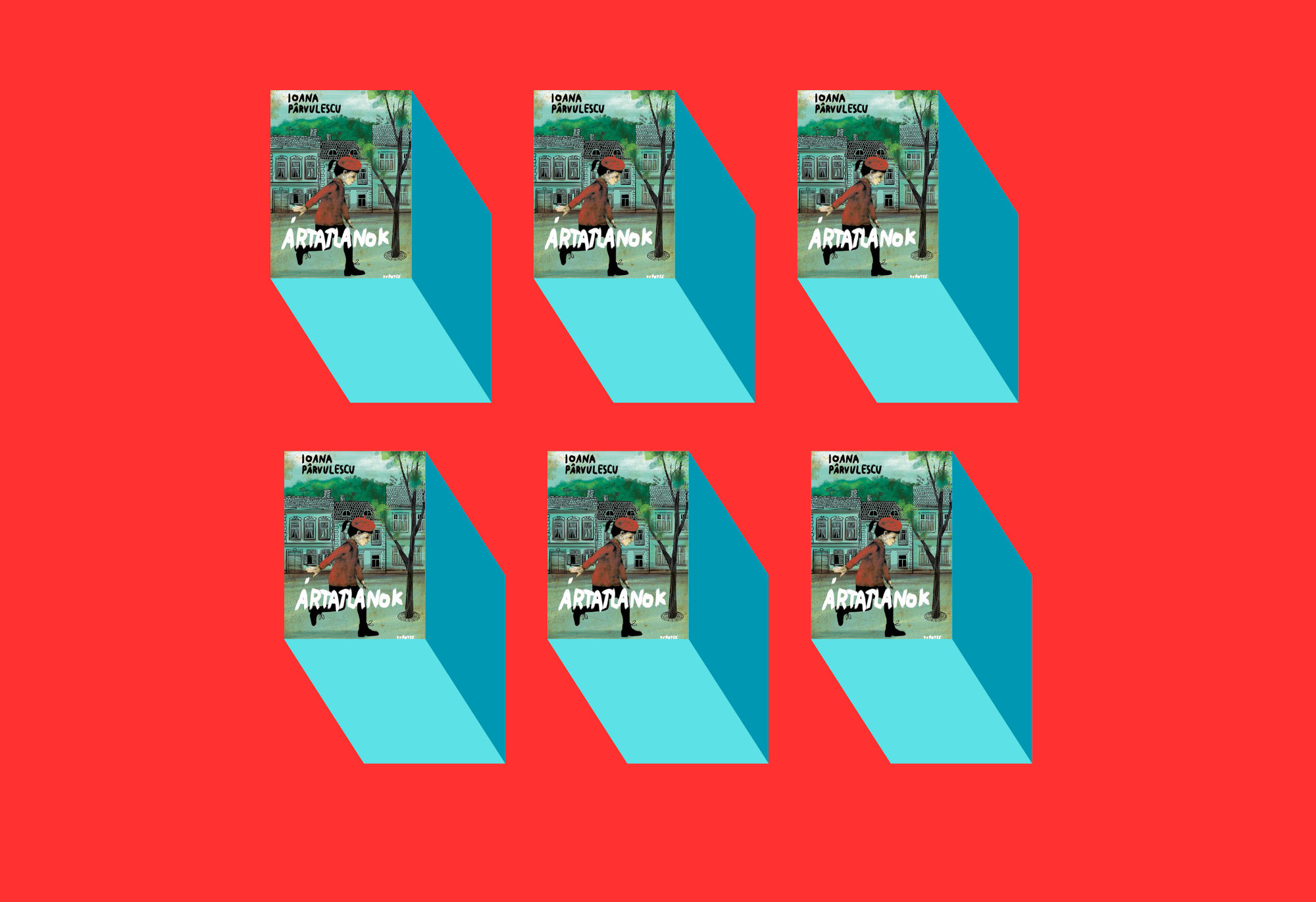
Ioana Pârvulescu: Innocents
Typotex Kiadó
The novel presents the turbulent decades of the twentieth century with the freshness of a child's perspective. The Innocents reveals stories in which the events of the wider world are reflected on a smaller scale: in the family home, at school, and in everyday life. Pârvulescu depicts with sensitivity, subtle humor, and nostalgia how the dramas of history are seen by those who are still "innocent" and do not fully understand the adult world. The novel's unique atmosphere comes from the fact that it is both an authentic historical document and a poignant, personal confession.
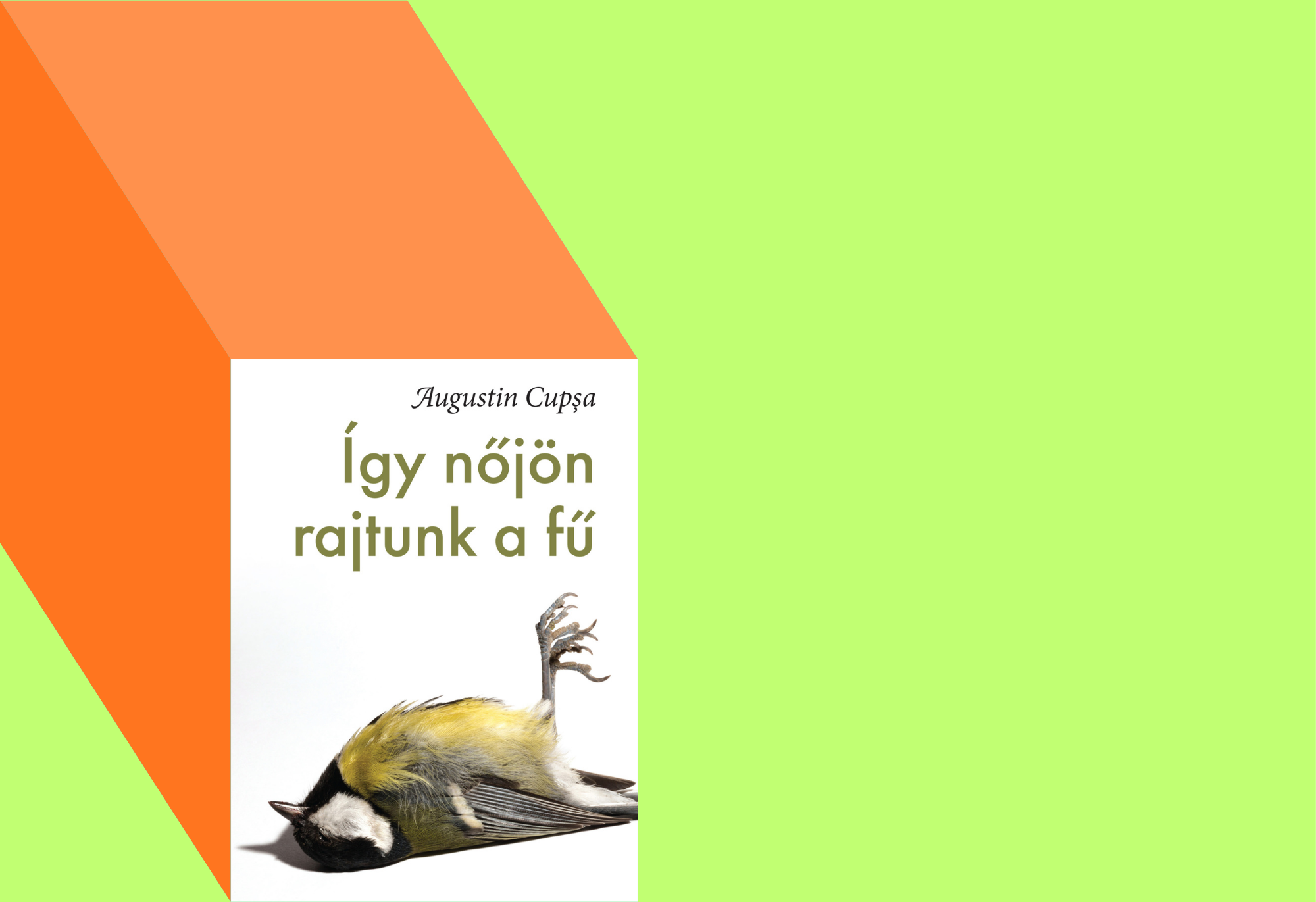
Augustin Cupșa: The Grass Grows Over Us
Gondolat Kiadó
Cupșa's writing follows the lives of young people in post-communist Romania, where the drama of coming of age is intertwined with social change. The Grass Grows Over Us both documents and recreates an era in which childhood innocence and the challenges of adulthood collide with particular force. Cupșa uses precise, sensitive language to describe friendships, loves, and disappointments, while subtly reflecting on the experiences of an entire generation. The book is both intimate and social, full of lyrical moments and bittersweet realizations.
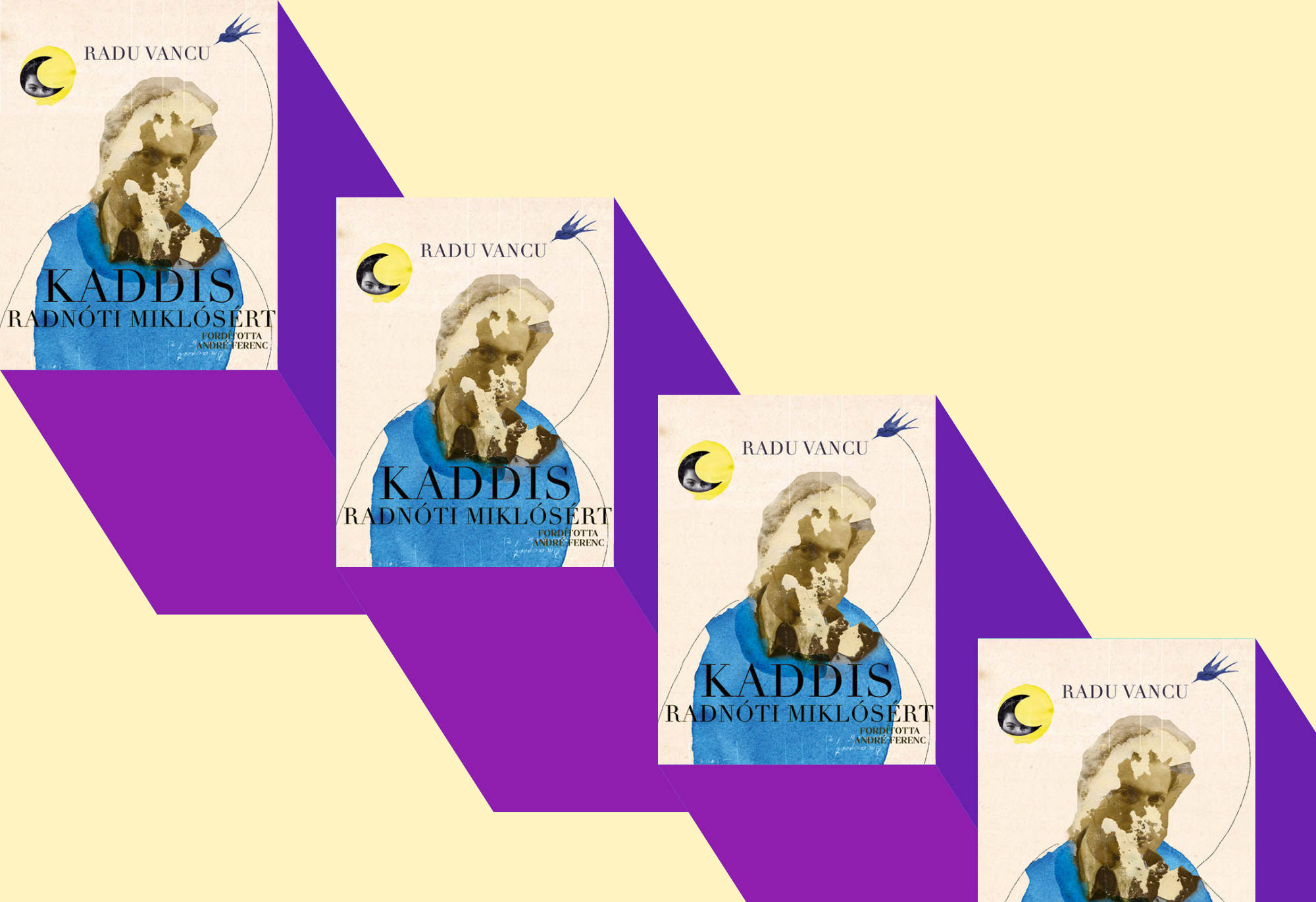
Radu Vancu: Kaddish for Miklós Radnóti
PRAE Kiadó
The poetry collection draws on the legacy of Miklós Radnóti and is a literary attempt to process the trauma of the twentieth century. Evoking the form of the kaddish, the Jewish mourning prayer, the poems are a gesture of remembrance, reconciliation, and the search for truth. Vancu not only pays tribute to Radnóti, but also engages in dialogue with him, giving voice to the fears, hopes, and moral dilemmas of his own generation. The volume is both personal and universal: it reflects on the horrors of the past while emphasizing the redemptive power of poetry.
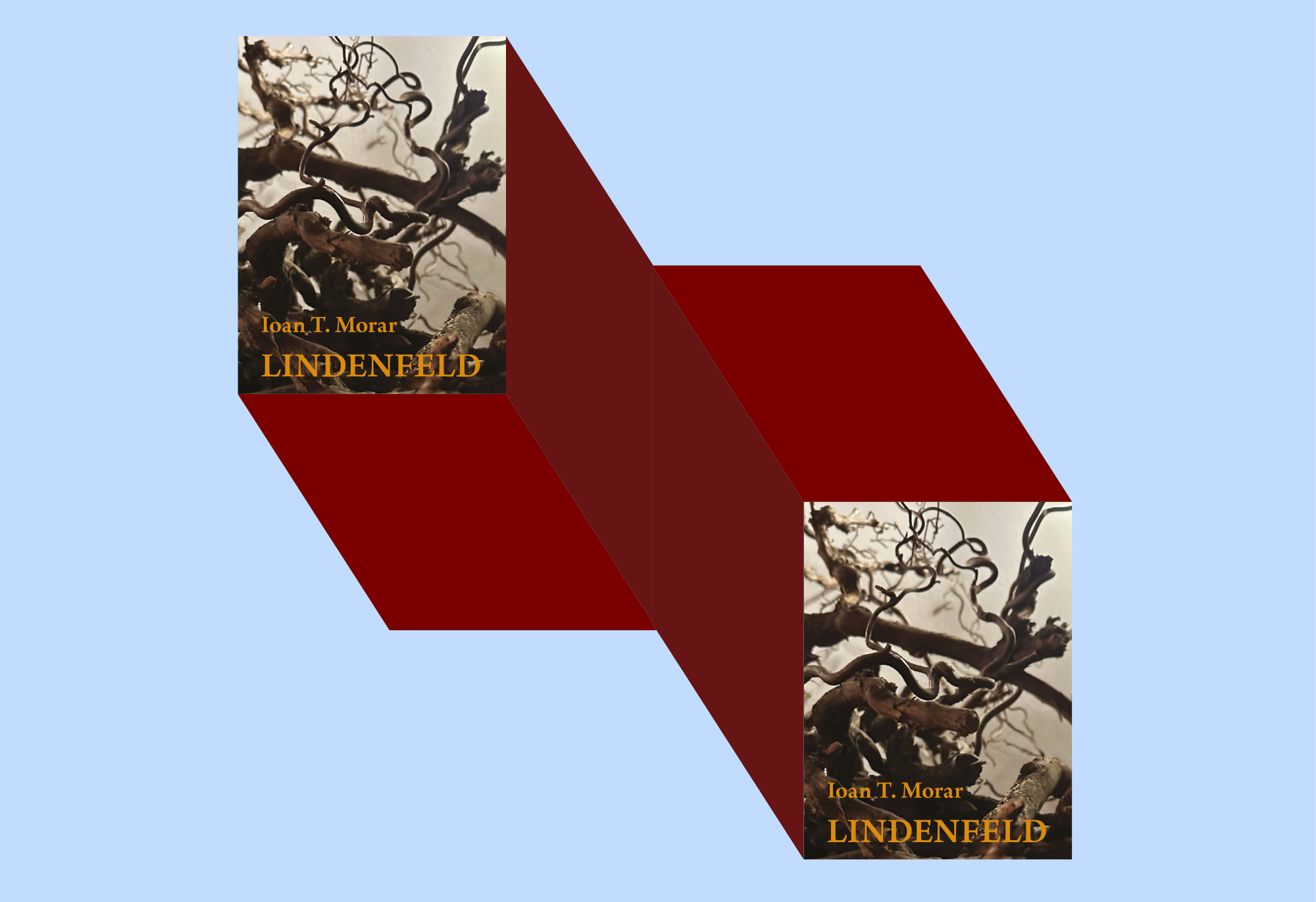
Ioan T. Morar: Lindenfeld
Bookart Kiadó
Lindenfeld evokes a forgotten, almost deserted German village in the Romanian mountains, where the weight of history and the memory of disappearing communities meet. Lindenfeld is not just the name of a place, but also a metaphor: a symbol of lives, traditions, and dreams that have sunk into the past. The protagonist's return to the village is both a physical and spiritual journey, focusing on roots, identity, and memory. Morar uses sensitive, lyrical language to explore how history shapes individual destinies and how an almost empty settlement can become a place of remembrance and hope.
Programs and signing times for the book festival tomorrow: bookfestival.hu