


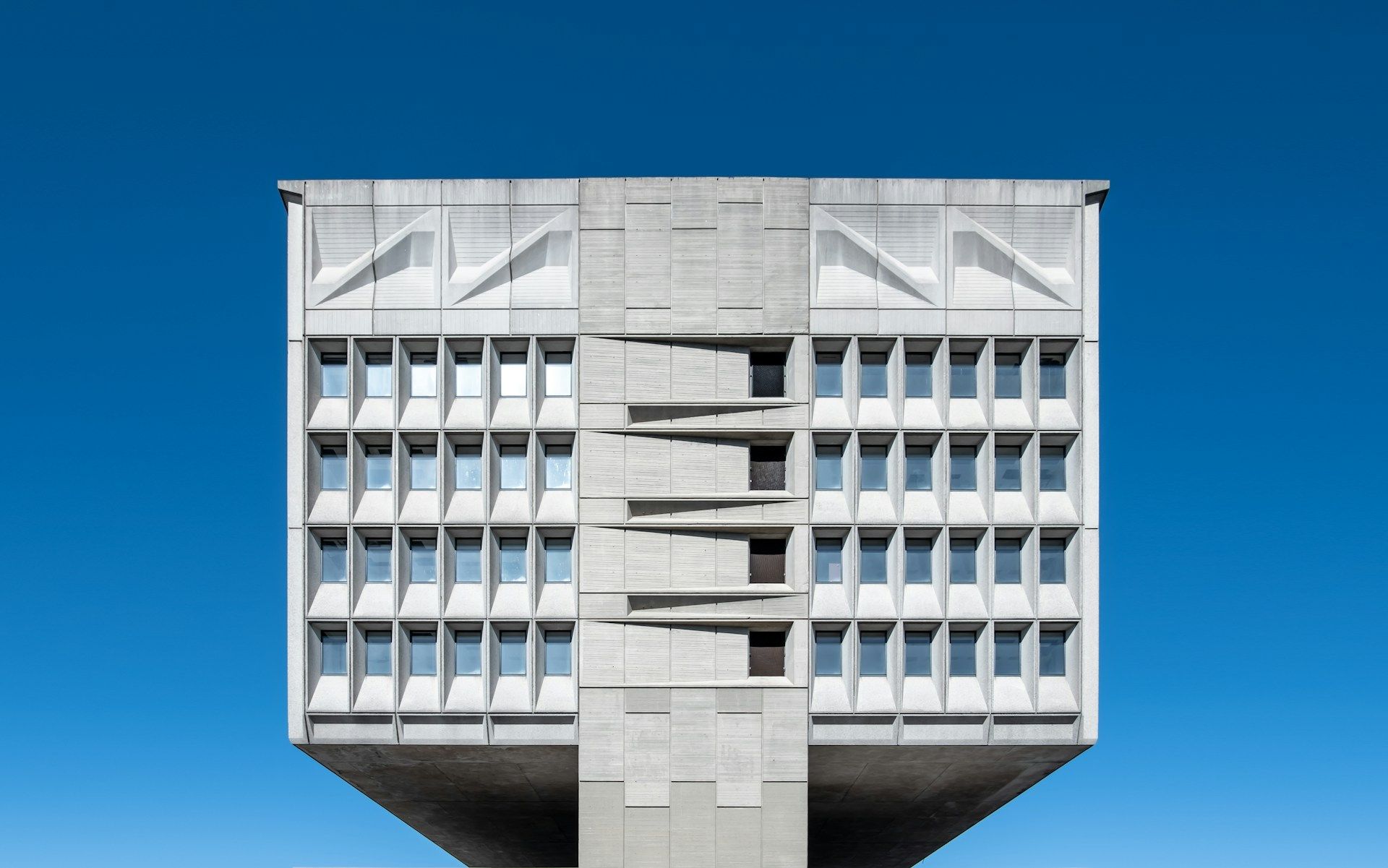
What connects the Bauhaus, raw concrete, and a family photo album? The new exhibition on Hungarian brutalism does not tell the story of an era solely through buildings, but through creators, personal narratives, and debates that still resonate today—mapping out an architectural mindset that was at once radical, practical, and unexpectedly human.
From March, the latest exhibition of the Hungarian Museum of Architecture and Monument Protection Documentation Center (MÉM MDK) will be open to visitors at the Walter Rózsi Villa, focusing on one of the most compelling architectural movements of the past decades: brutalism. Titled Breuer, Goldfinger and Others – Hungarian Brutalism at Home and Abroad, the exhibition presents an unprecedented selection of Hungary’s brutalist heritage through photographs, drawings, and scale models. The curatorial concept centers on tracing the domestic impact of brutalism. As part of its own multi-year research project, MÉM MDK has compiled a photographic documentation of more than 120 Hungarian brutalist buildings, supplemented by site visits, academic literature, archival materials, and interviews with designers. Special emphasis is placed on the work of two world-renowned architects of Hungarian origin—Marcel Breuer and Ernő Goldfinger—figures who played defining roles not only in Hungary but also in the international landscape of late modern architecture.
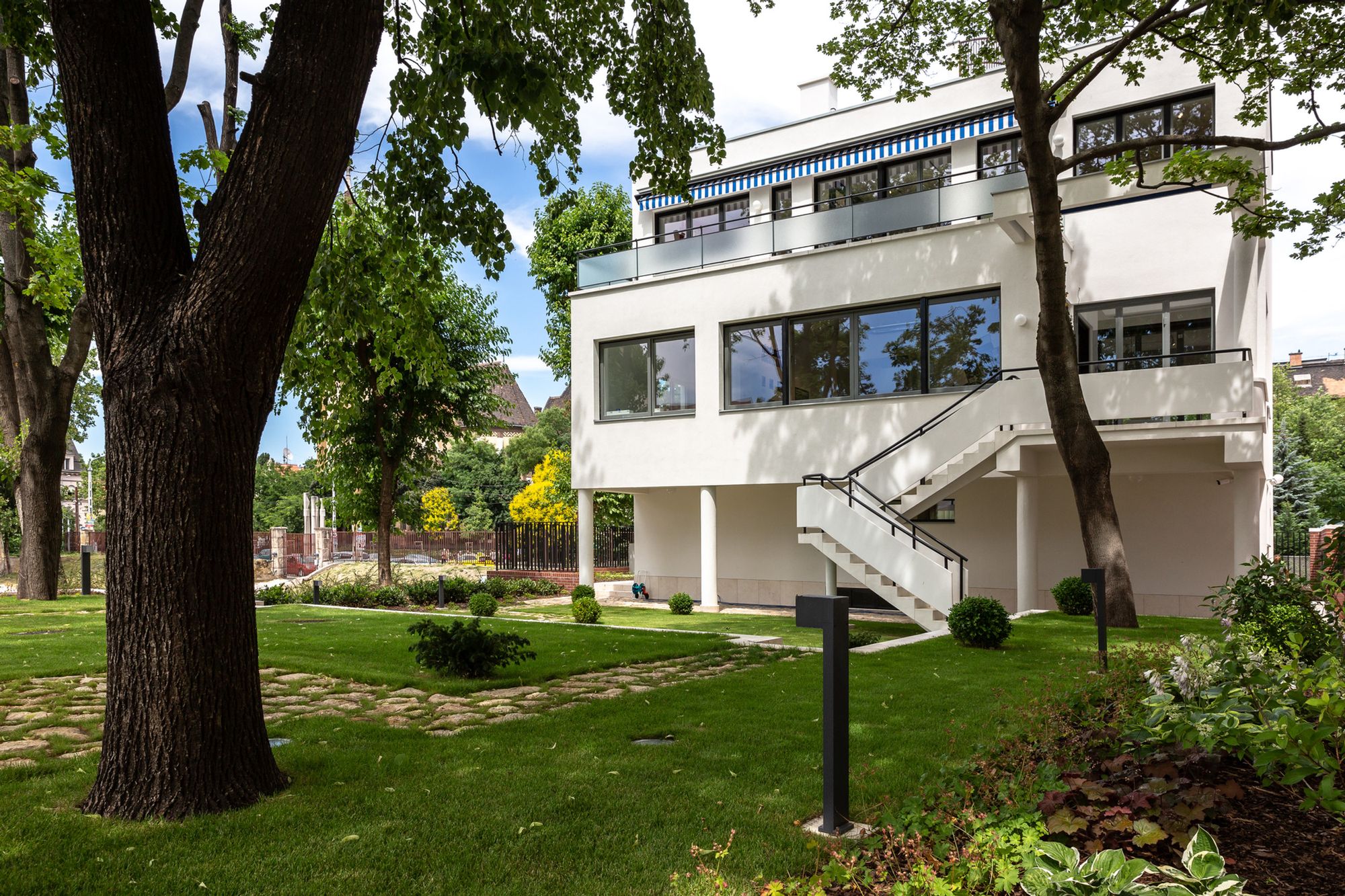
The exhibition also features the Marcel Breuer Collection, one of the most valuable acquisitions in the history of MÉM MDK. Alongside furniture, books, models, and photographs from the architect’s former holiday home, visitors can see objects from Breuer’s New York office and materials received from his collaborators. The presented material goes beyond architectural masterpieces: through photographs by Tamás Breuer, visitors gain insight into everyday moments of the Breuer family, making the exhibition both a historical document and a deeply personal narrative.
Two accompanying publications will be released in both Hungarian and English. One, titled Brutalist Architecture in Hungary, places the movement’s domestic history within a broader professional context, while the other is a monograph dedicated to the Breuer Collection. Both volumes will be available for purchase at the Walter Rózsi Villa. This temporary exhibition is not only a special experience for enthusiasts of brutalism, but also for anyone seeking a deeper understanding of how 20th-century architecture evolved—and how raw, monumental concrete became one of modern architecture’s most powerful expressive tools.
Lovable Concrete Monsters
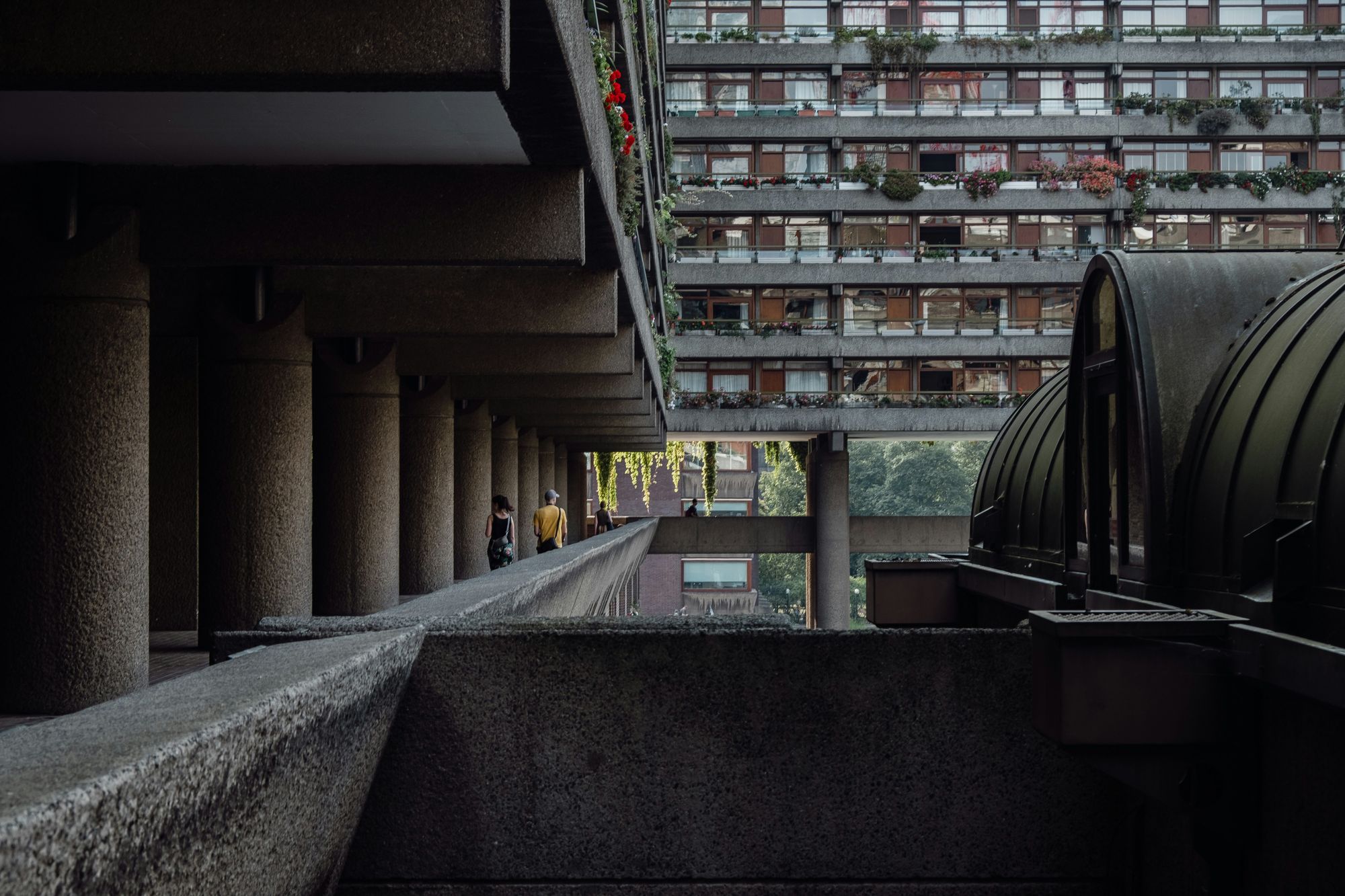
The roots of brutalism can be traced back to the Bauhaus, when functionality and usability began to take precedence over all other considerations in the design process. The term itself is associated with Le Corbusier, who used the expression béton brut—meaning raw concrete—while designing the Unité d’habitation housing complex in Marseille around 1950. By the mid-1950s, the theoretical foundations of the style had already been laid. According to Márta Branczik, head of the Architecture Collection at Budapest’s Kiscelli Museum and author of the book Brutalism, it is “a movement created in opposition to the hollowing out and dematerialization of modernism, one that foregrounds the materiality of building materials and structural systems. It is not ideologically motivated—unlike the socialist realist style of the 1950s, which was driven by ideology.”
Why So Ugly?
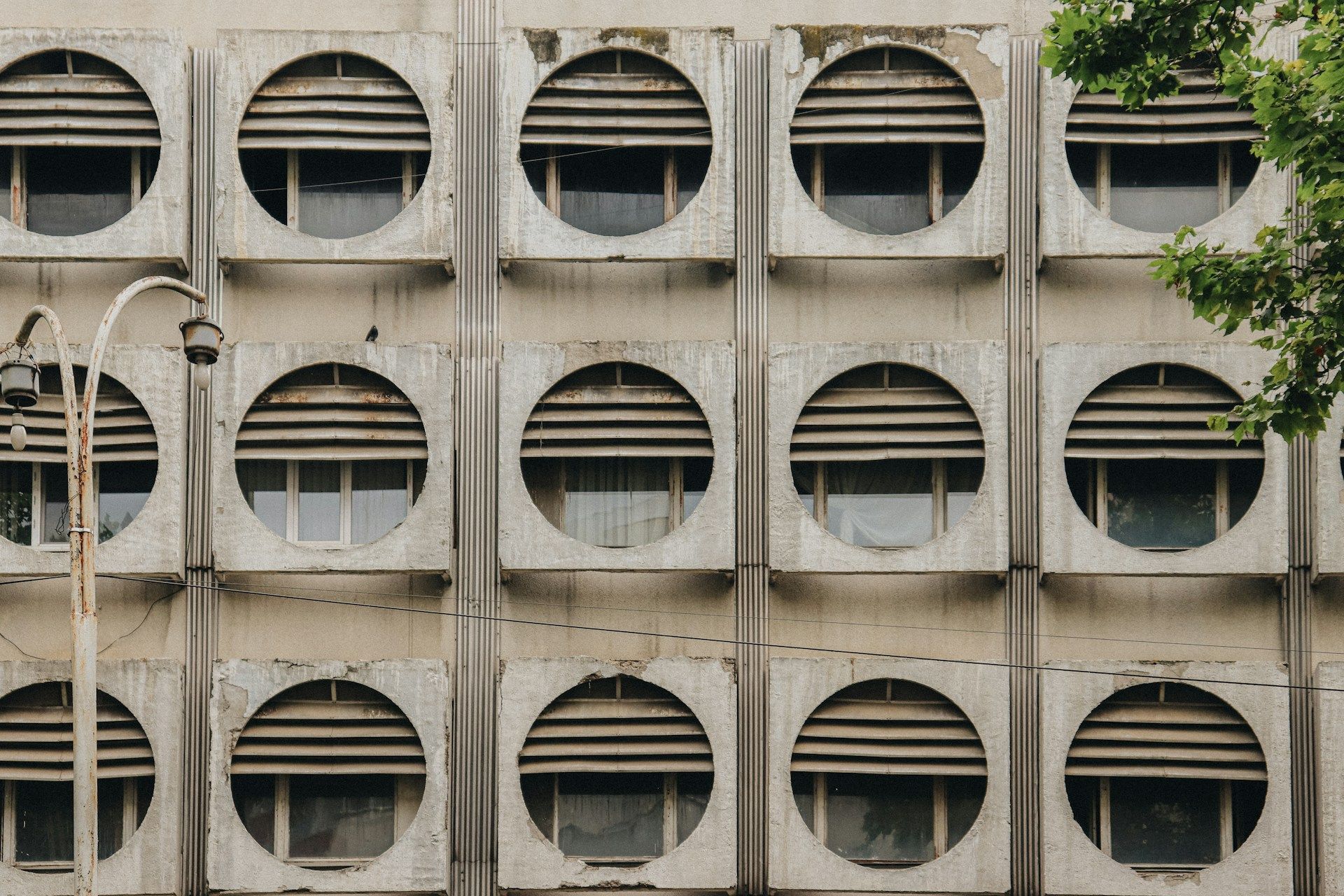
Surprisingly, the architects of brutalism did not erect their concrete blocks with provocative intent—quite the opposite. The aim of the movement was to withhold nothing from public view, demonstrating to lay audiences that modernist architecture could, in fact, be compatible with everyday life. Its cost-efficient approach aligned perfectly with the low budgets of the post–World War II construction boom, which is why its popularity rose so rapidly. Concrete proved to be the ideal solution: easily accessible, available in large quantities, and quick to work with.
Despite this, these unadorned structures—often derided as “concrete monsters”—made plenty of enemies even in their own time, and controversies have hardly subsided since. As recently as 2020, Donald Trump launched an attack on brutalist architecture, resulting in a new executive order titled Make Federalist Buildings Beautiful Again, which mandated that new federal buildings be constructed in “classical” styles favored and respected by the general public. According to Trump, mid-20th-century public buildings erected on cost-efficient and functionalist principles—such as the FBI headquarters in Washington—are “uninspiring… and even just plain ugly.” This story is partly why we have the film titled The Brutalist, as director Brady Corbet once stated that he is fascinated by how the style continues to provoke strong reactions today, citing Trump’s decree as a prime example.
Opening photo: Pat Krupa/Unsplash