


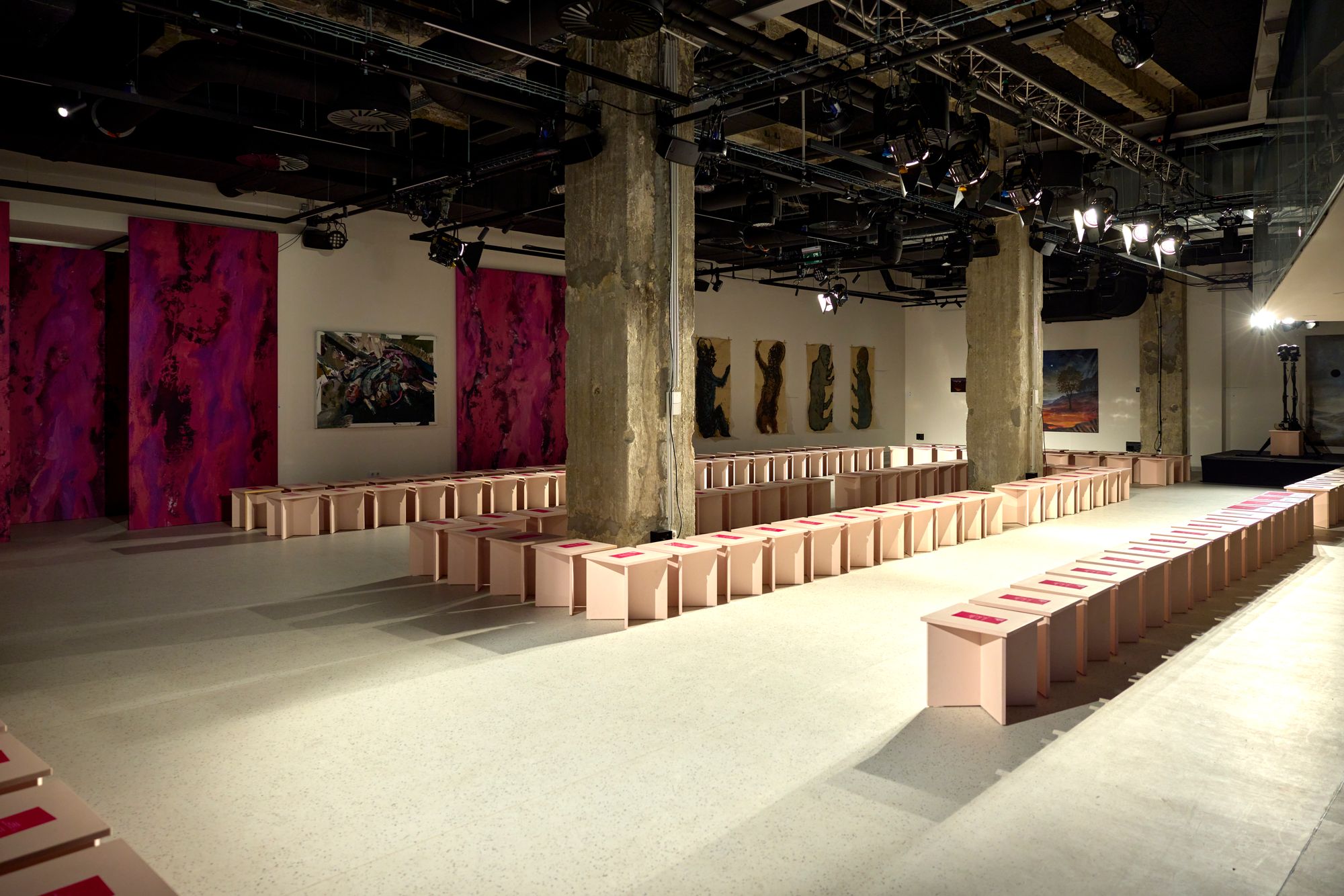
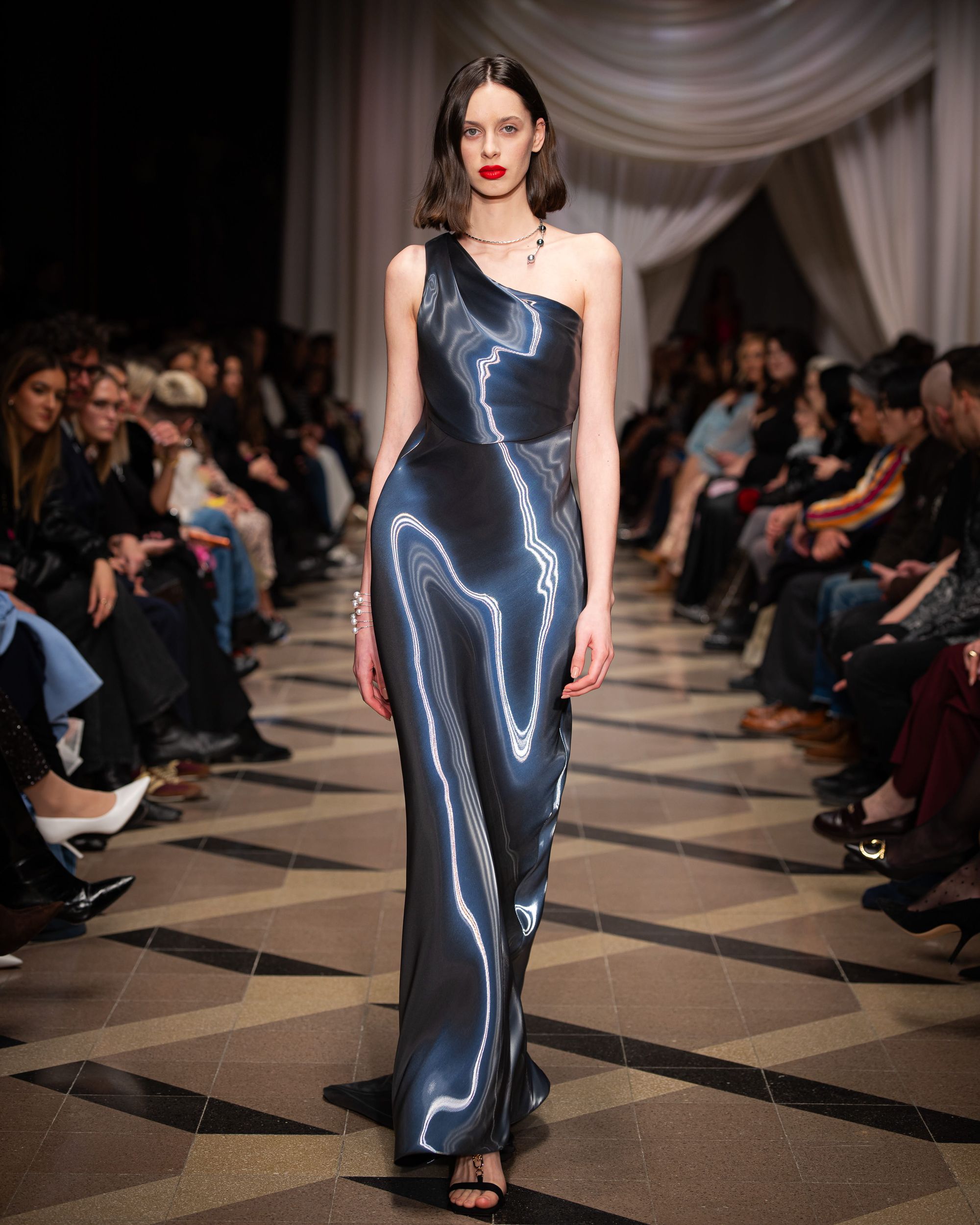
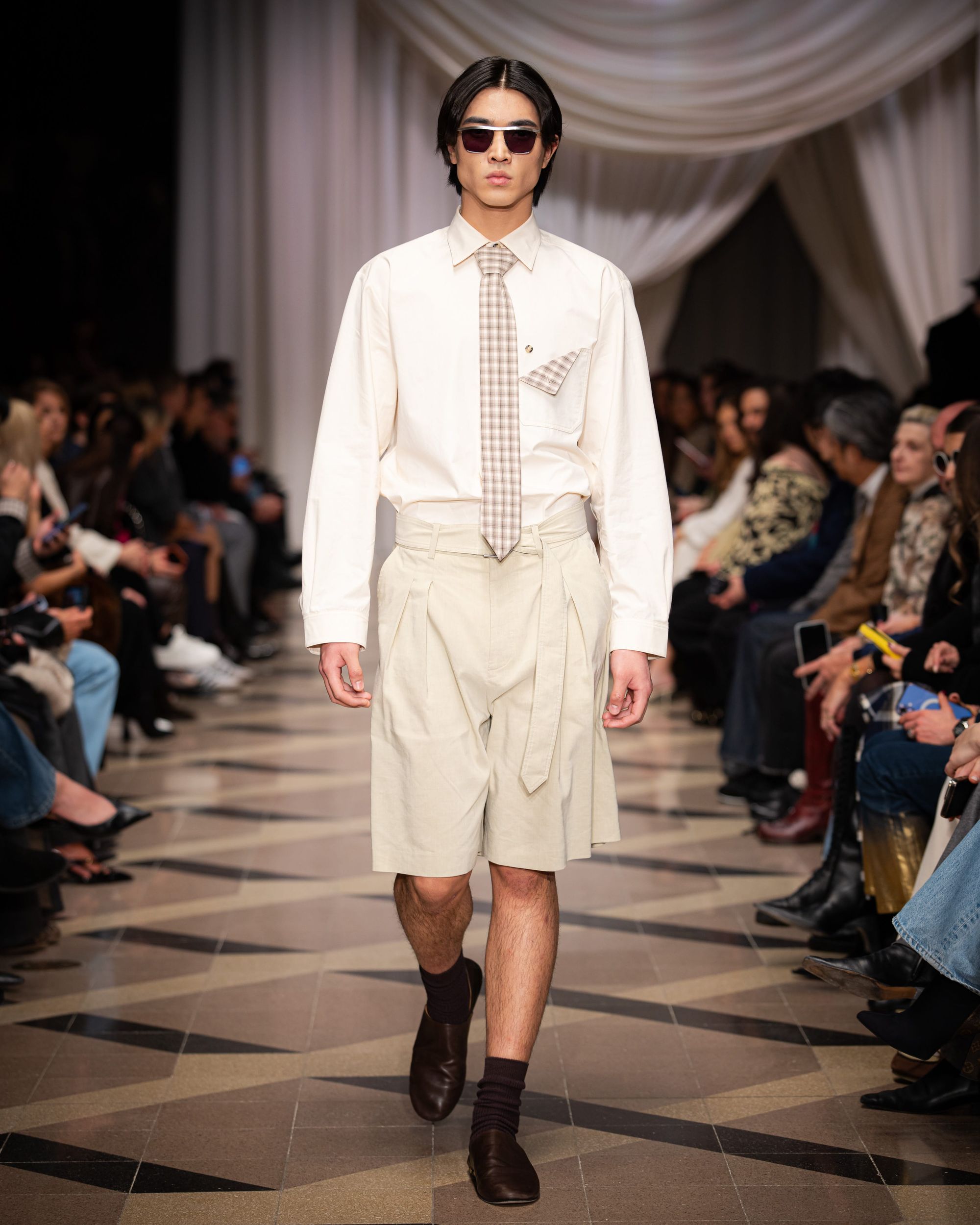
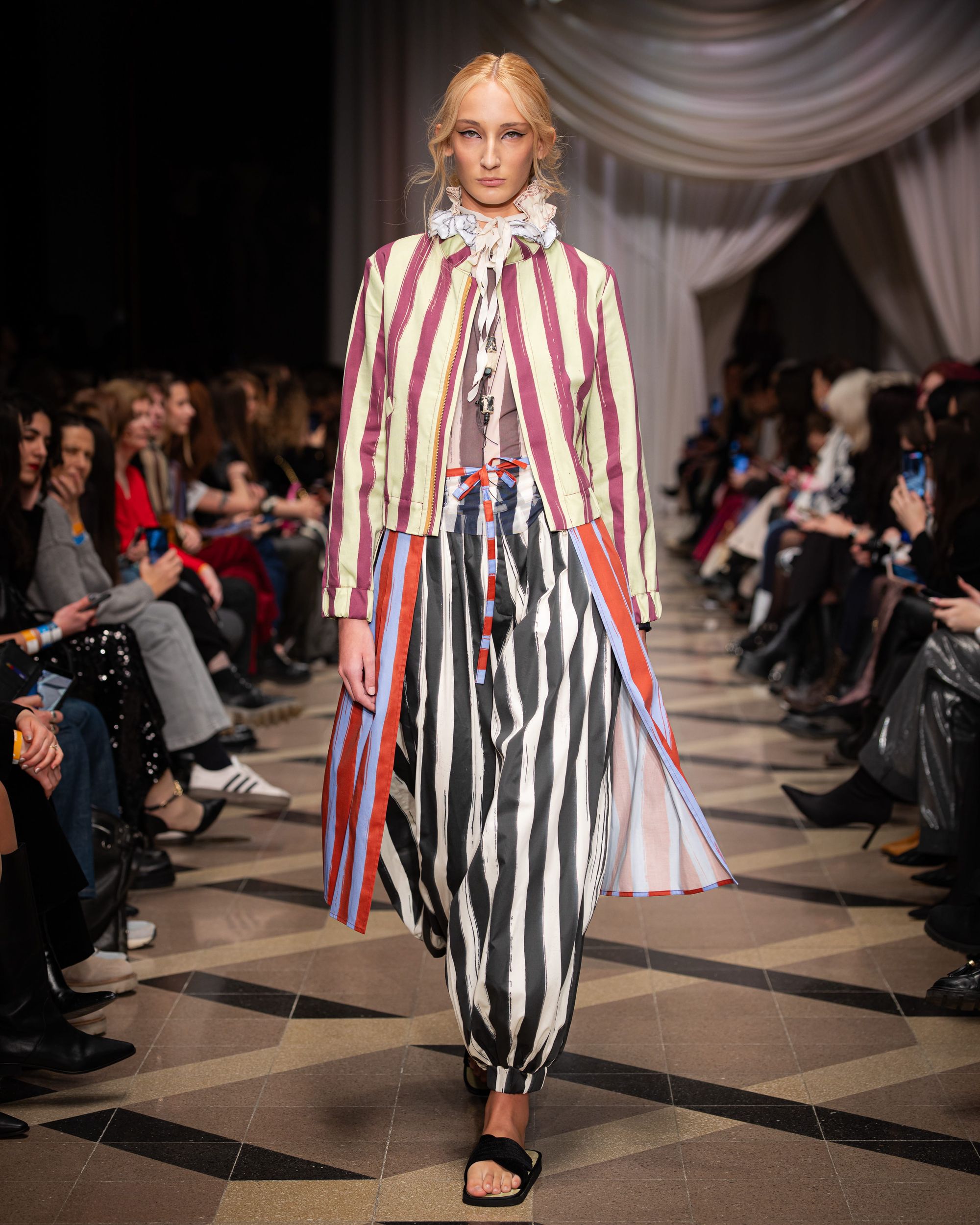
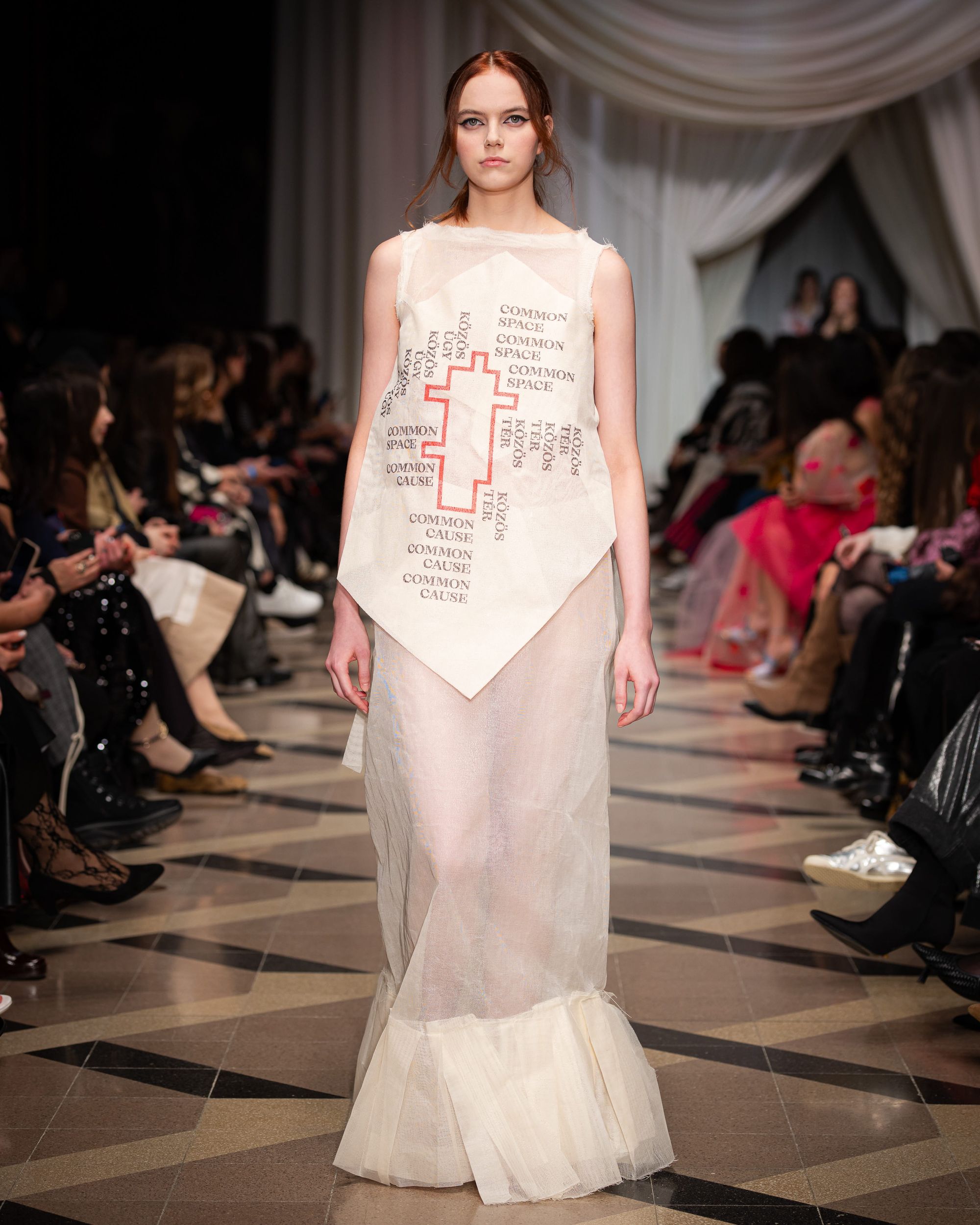
More than forty designers, creators arriving from eight countries, sold-out shows, and citywide events — this is how the 17th Budapest Central European Fashion Week could be summed up in numbers. Yet what happened in Budapest in mid-February was more nuanced than that: it was a region attempting to define itself on the runway.
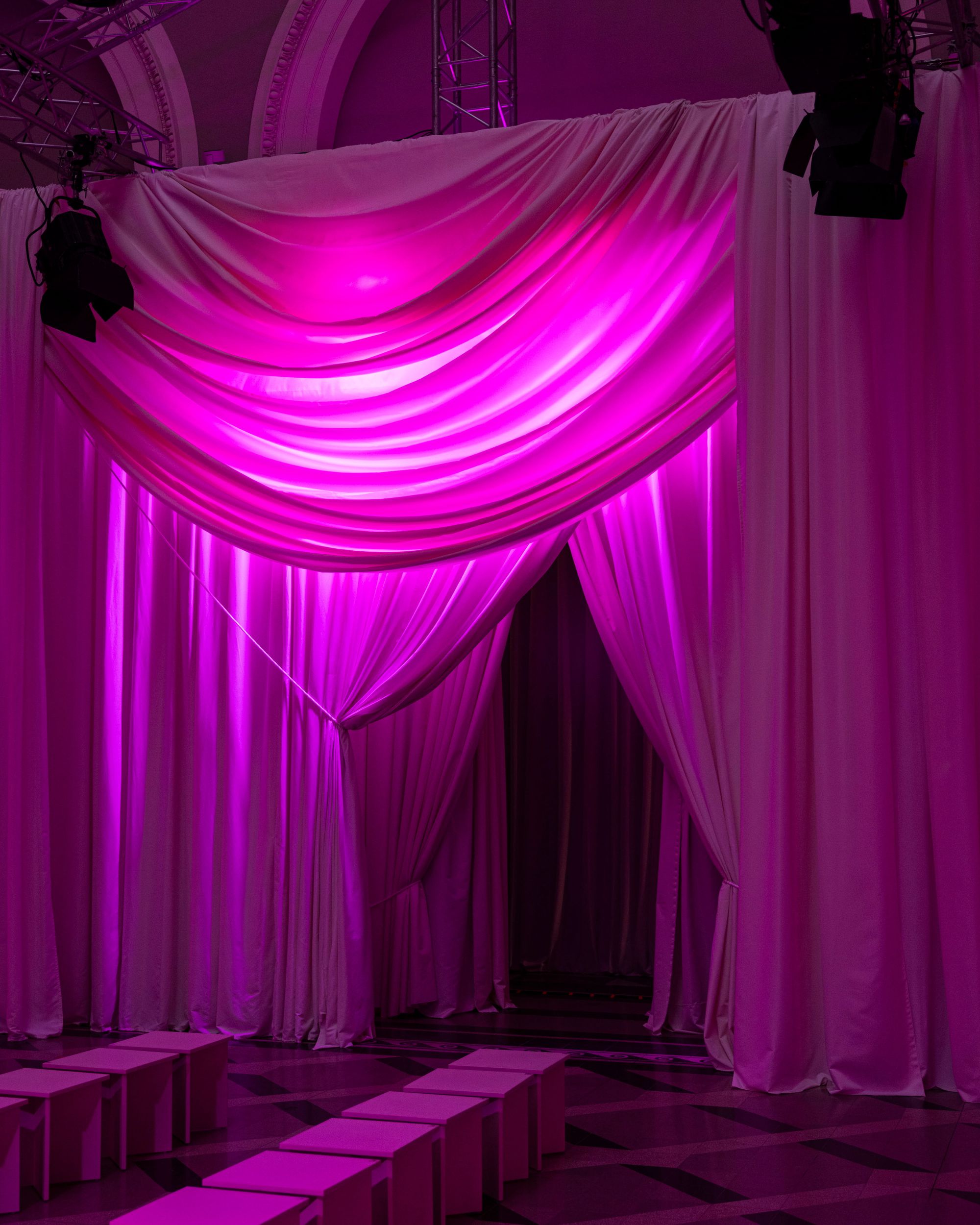
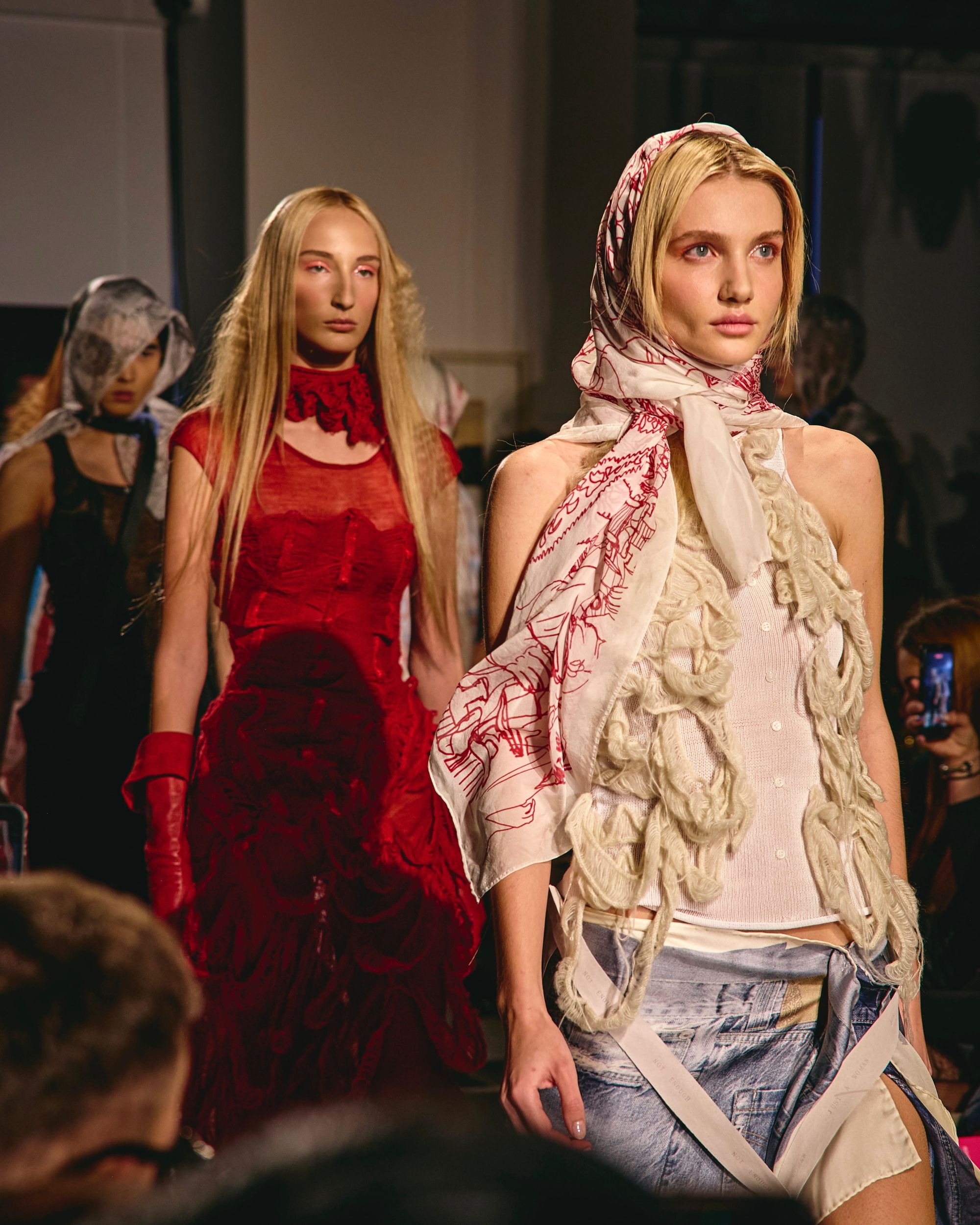
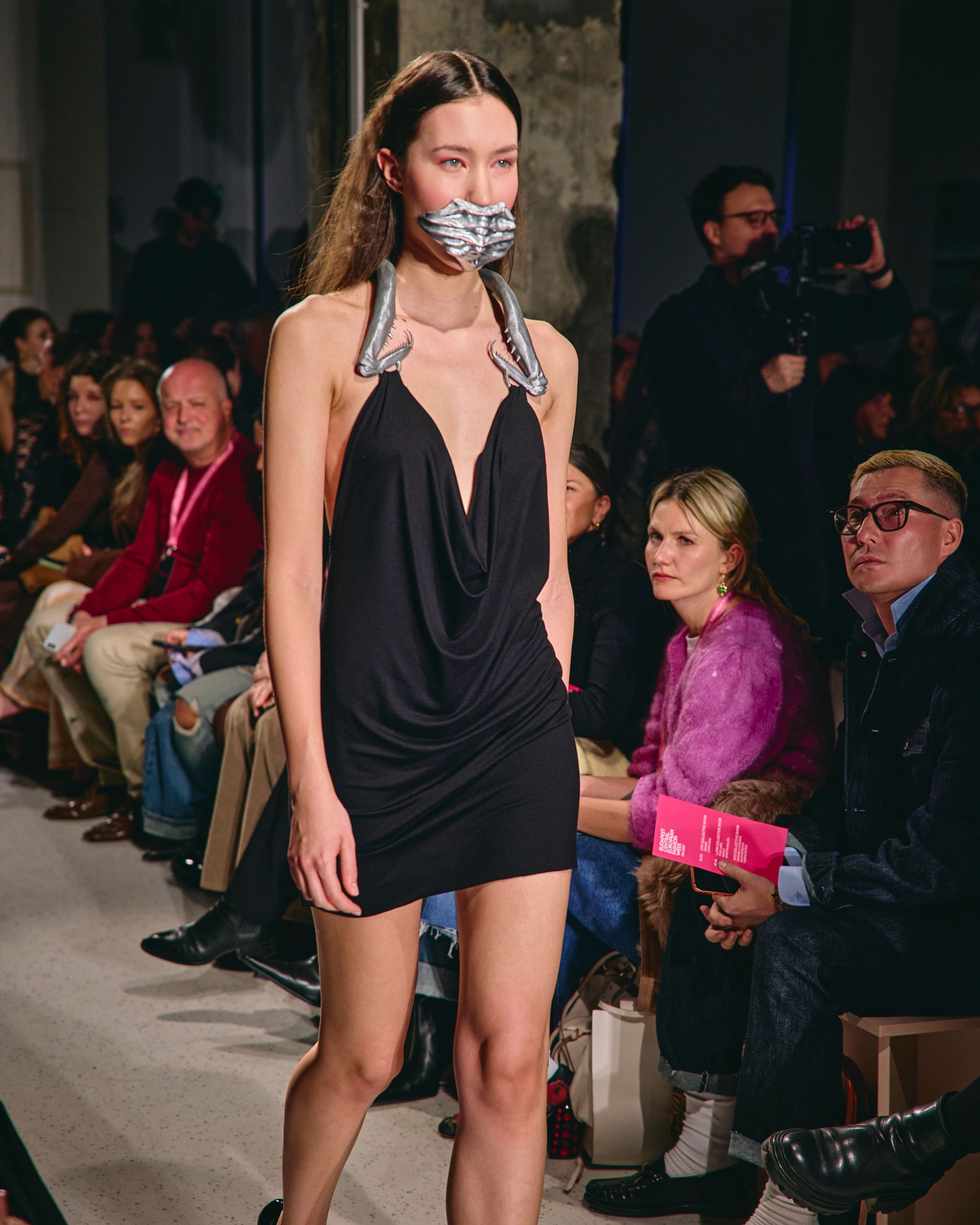
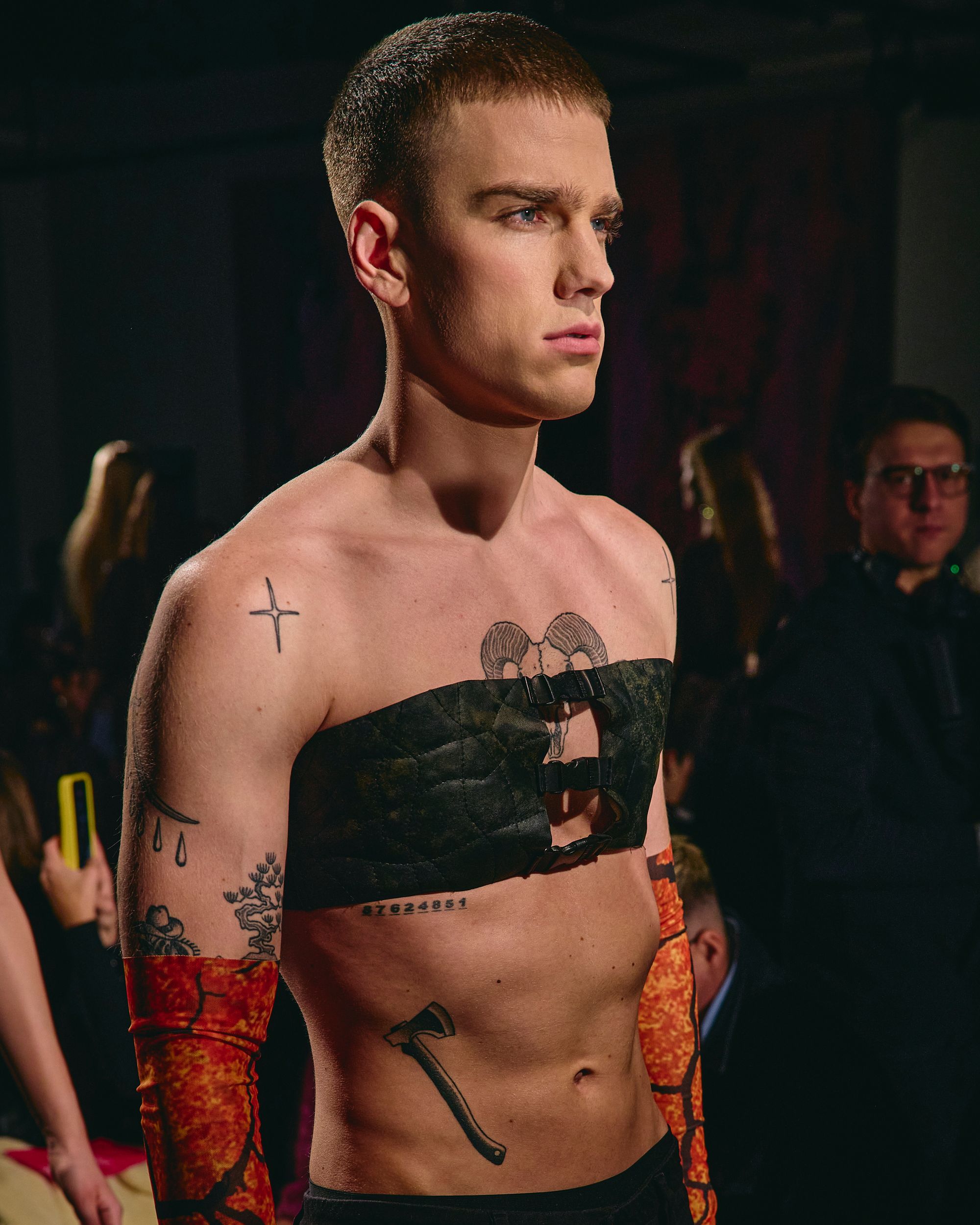
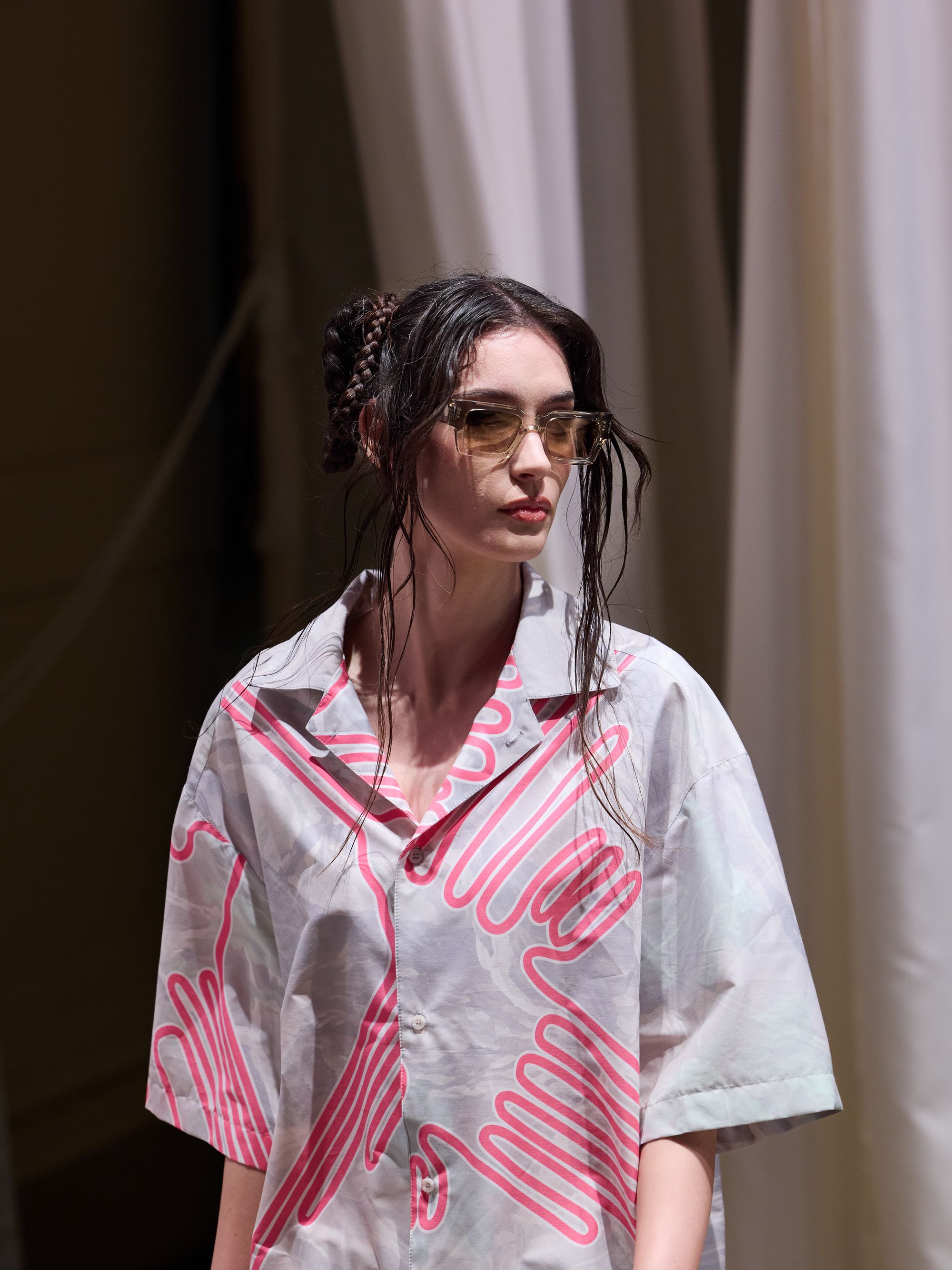
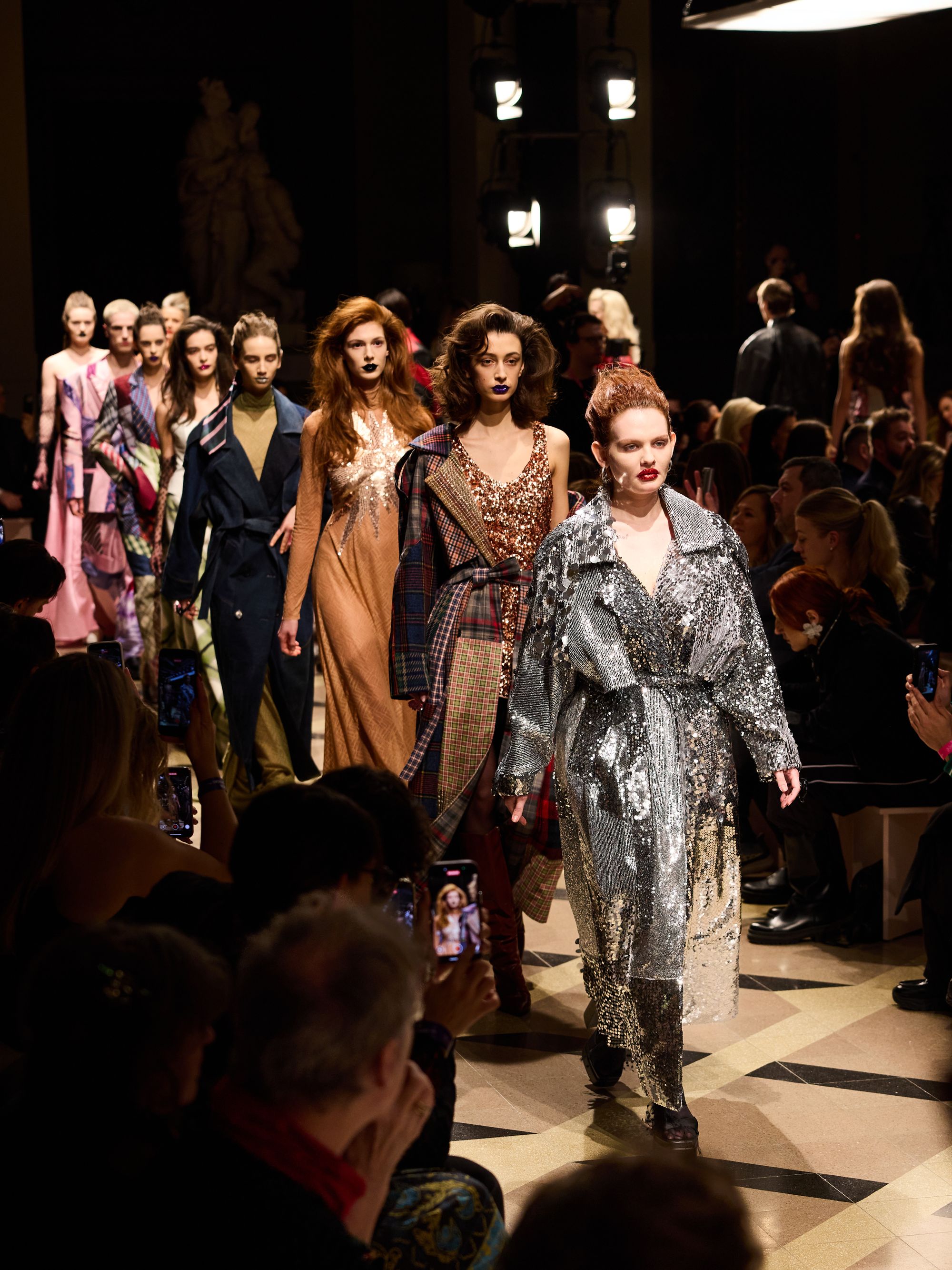
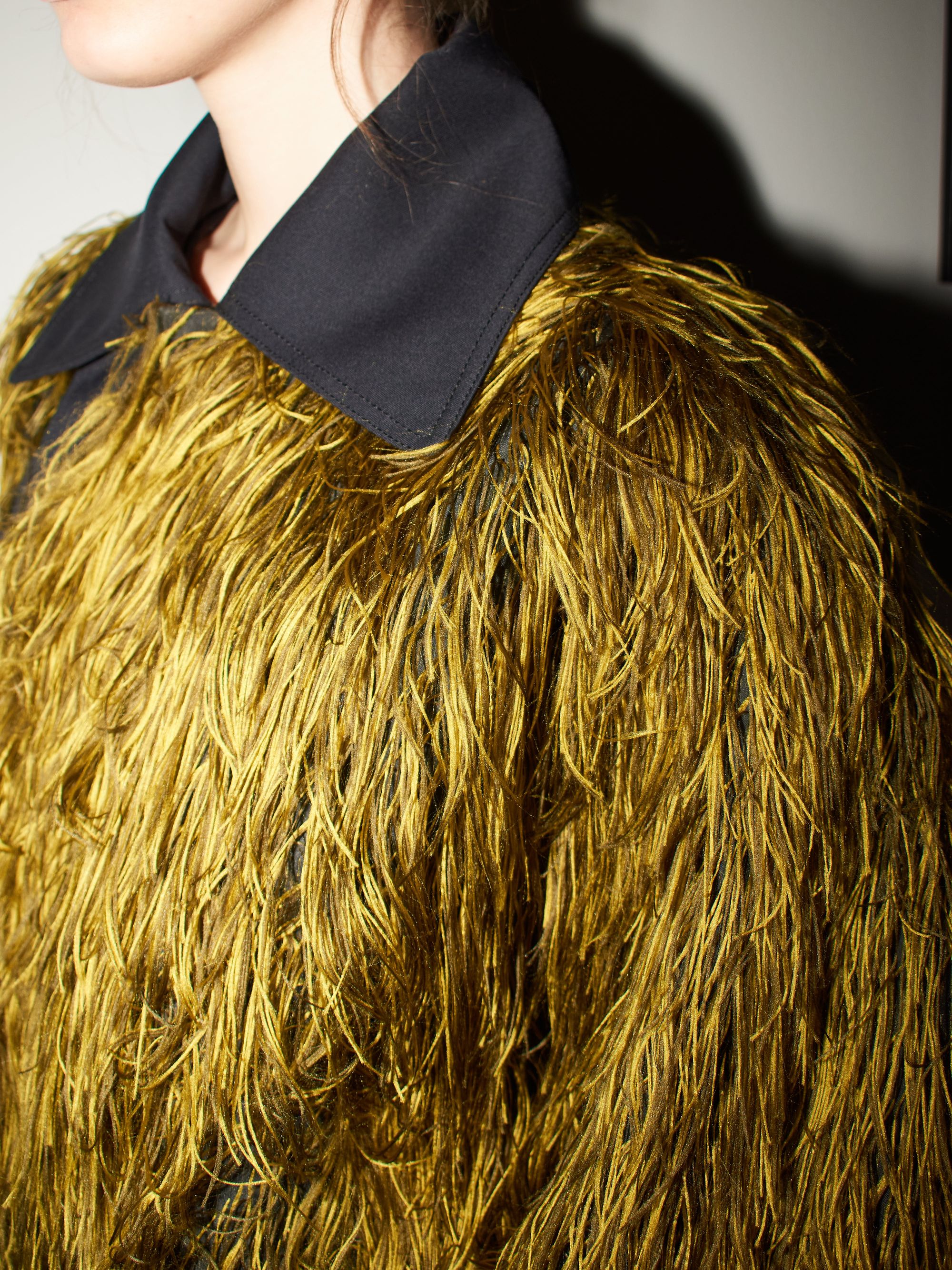
The opening Friday at Apollo Gallery was, almost traditionally, dedicated to the new generation. Models emerged between József Gaál’s monumental paintings, as if fashion and contemporary fine art existed not merely as backdrop and spectacle, but in genuine dialogue. The industrial character of the space suited collections that reflected on identity, body politics, or even post-apocalyptic futures. The regional collective shows — featuring Czech, Slovenian, Slovak, and Ukrainian designers — made it clear that Central European fashion is not a homogeneous bloc, but a terrain of diverse, often conflicting narratives. From menswear collections built from deadstock materials to techno-infused visions accompanied by 3D-printed jewelry, a broad spectrum unfolded. On Saturday and Sunday, the focus shifted to the grand halls of the Museum of Fine Arts, where more established, market-proven brands took center stage. The museum setting inevitably raises the stakes: here, collections must hold their ground both conceptually and in execution. Nanushka’s clean, responsible material use, the experimental regional brands working with recycled or hand-manipulated textiles, and the robust, texture-driven series together painted a picture in which sustainability is no longer a separate statement, but a given.
The Emergence of the New Generation
One of the defining themes of the season was talent development: nearly 60 percent of the repertoire consisted of emerging designers. The newly introduced New Generation Individual Show category — in which two brands were granted standalone runway opportunities this season — signals an effort by the organizers to build a step-by-step system between collective showcases and major solo shows.
This structure goes beyond aesthetics. It raises the question of how a regional fashion week can provide tangible professional advancement. Part of the answer lies in education and professional visibility — this year, dozens of international buyers and journalists arrived in Budapest, a factor that is far from negligible when it comes to the region’s visibility. For years, BCEFW has been attempting to move beyond the classic fashion week format and evolve into a city-scale cultural event. This season featured more than fifty side programs across Budapest: showroom visits, workshops, exhibitions, and professional forums linking fashion to object culture, the beauty industry, and sustainability discourse. The Fashion Hub at the Museum of Fine Arts — with its workshops, talks, and curated design market — functioned more as a community space than an exclusive backstage area. The question, of course, is how effectively this model can generate long-term business relationships. The dedicated showroom and strong international presence, however, point clearly in that direction.
Regional Platform or Regional Bubble?
The organizers’ declared ambition is for Budapest to become a stable meeting point for Central European fashion. The numbers — more than forty designers and thousands of visitors — seem to support this. Yet the real question is not quantity, but whether regional collaborations are capable of building a lasting, export-ready network. Based on the 17th BCEFW, the direction is taking shape: dialogue between generations, a strong regional presence, and consciously built international connections. The Budapest fashion week is no longer merely a showcase of trends, but an exercise in identity — a test of what it means to be Central European in the language of fashion today.
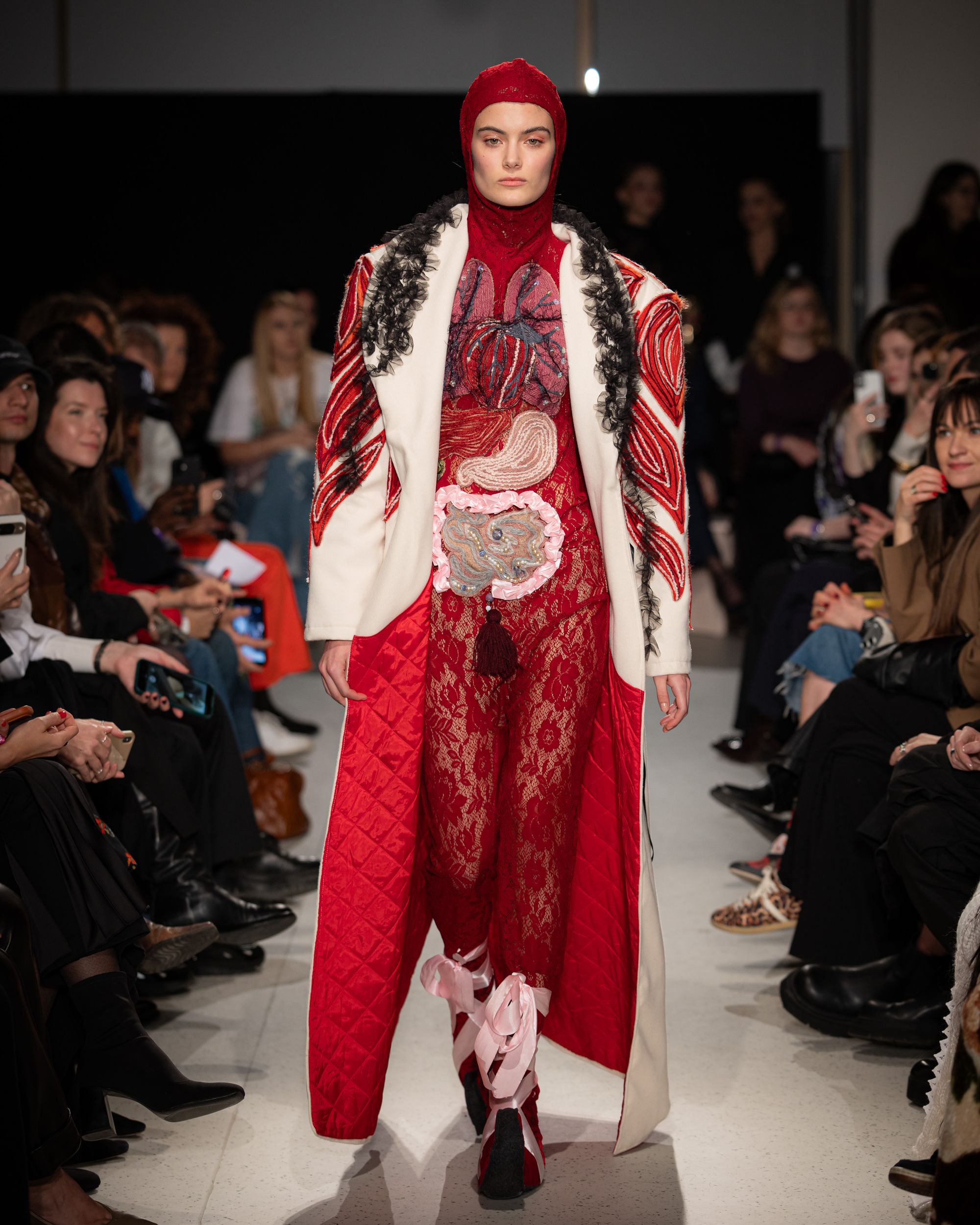
Photos: Creative Hungary