


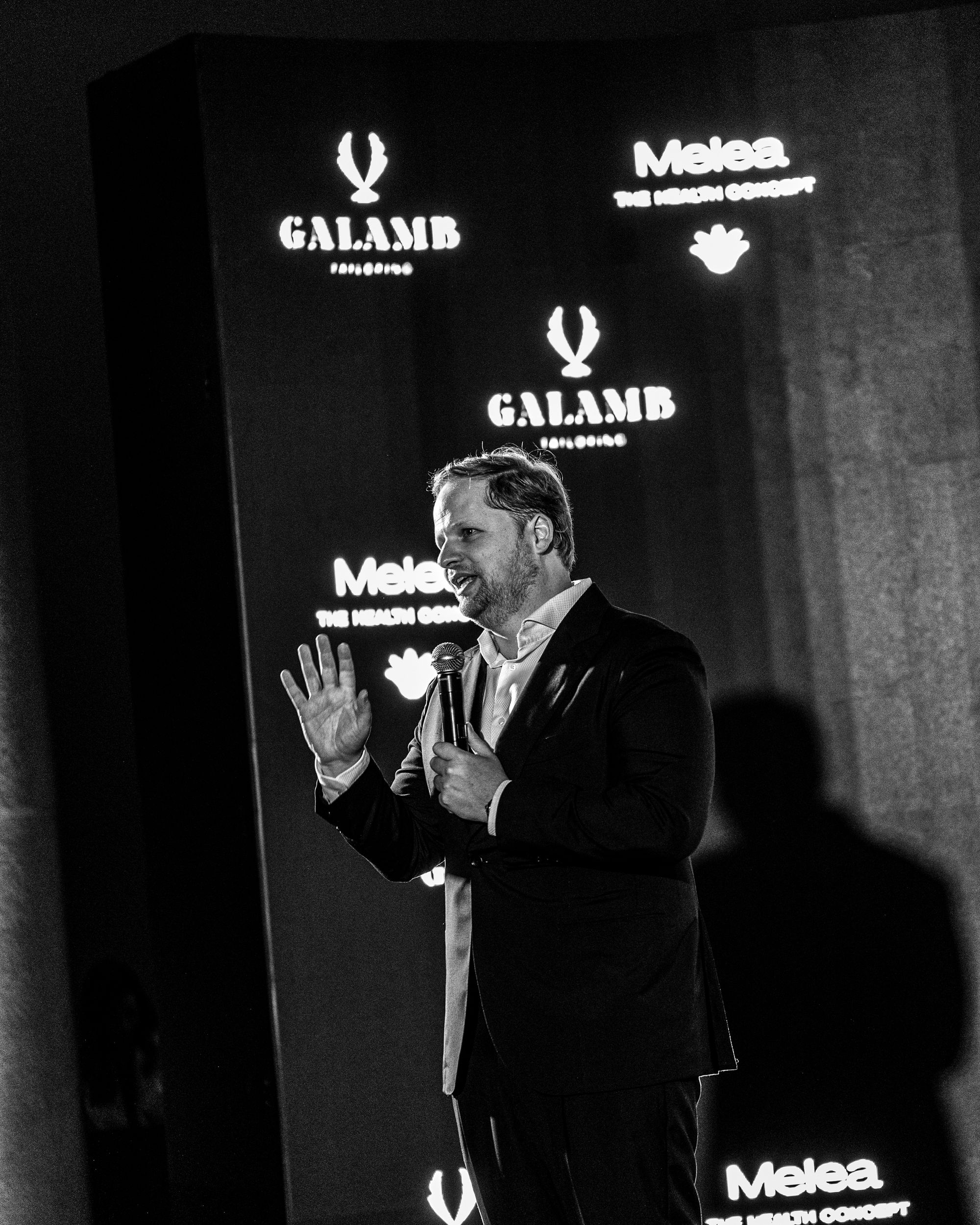
How can a slow, craft-based discipline remain relevant in an accelerating world? We spoke with Csaba Baranyi, founder of Galamb Tailoring, about the future of bespoke tailoring, the mindset behind Neapolitan traditions, and how the inspiration of a Dalí painting can be translated into a wearable garment — without losing quality, identity, or a sense of personal connection.
The story of Galamb Tailoring began in 2009 — how do you look back on the early days, and what was the moment you decided to start your own tailoring house?
Galamb was founded in 2009, but the idea had been with me for some time before that. I was always drawn to the world of clothing, but I felt that what I saw locally didn’t reflect the level or mindset I was looking for. The kind of classic, gentleman’s tailoring that is natural in Western Europe or Italy was practically absent in Hungary. There came a point when it became clear to me that if I wanted to see this here, I had to create it myself.
How has your personal relationship to tailoring evolved over the past decade and a half? Do you see it more as a craft, a service, or a form of creative expression today?
In 2015, I started working with a Neapolitan tailor, and together we introduced Neapolitan-style bespoke tailoring. For me, this was also a learning process — through his knowledge, I gained a much deeper understanding of the craft. With this background, I now clearly see it as a creative process, where new ideas and exciting collaborations can come to life.
Bespoke tailoring is an extremely time- and attention-intensive field. What makes this model still relevant in today’s fast-paced world?
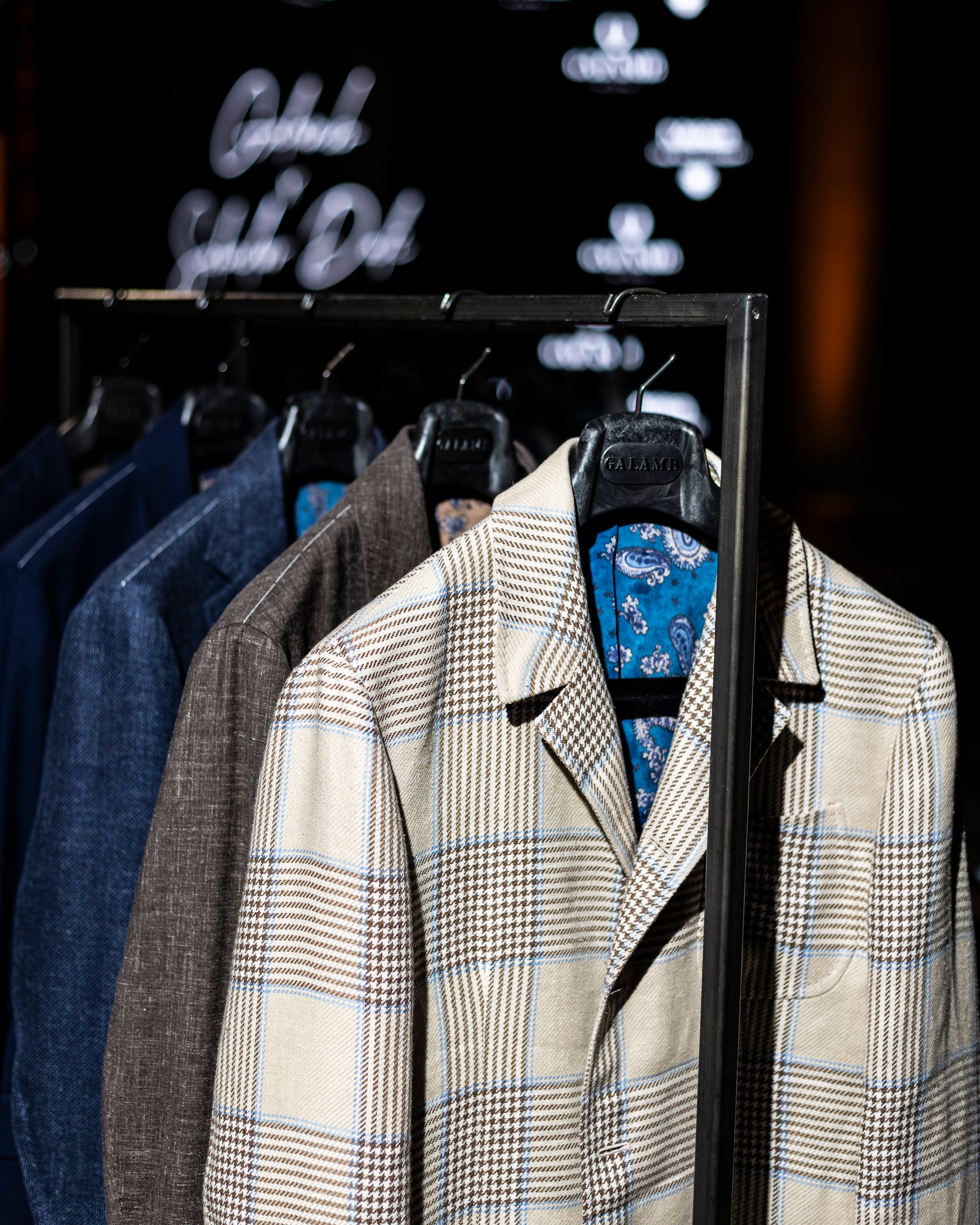
I believe there will always be a demand for quality, and more and more people are recognizing the value of unique, timeless pieces. In a fast-paced world, what is slow, personal, and real becomes even more important. Creating a bespoke suit is time-consuming, but that time is actually an investment — the result is a garment that works for many years. At the same time, we also see that time is a key factor for our clients, which is why we launched our ready-to-wear collection in 2023, offering a less time-intensive solution at the same level of quality.
What are the biggest challenges in this field today — changing customer expectations, the lack of skilled professionals, or something else entirely?
The biggest challenge lies on the professional side. You can’t “train” a good tailor quickly — it takes years, more like a decade. Today, very few young people choose this path, and even fewer stay in it long term. This is not just our issue, but a problem across Europe. Meanwhile, the client side is also changing: much more information is available, everyone sees Italian or English examples, which is positive because it raises expectations — but at the same time, those expectations evolve faster. The real challenge is how to operate a fundamentally slow, craft-based profession while adapting to today’s pace. We’re trying to find that balance without giving up what makes this work valuable.
In the case of Galamb Tailoring, Neapolitan tailoring traditions are often mentioned. For you, does this mean technical knowledge, an aesthetic direction, or a way of thinking?
In fact, all of them. The technical knowledge of Neapolitan masters is unique, paired with a highly refined sense of aesthetics. But perhaps most importantly, it’s the mindset behind it: that sense of ease and naturalness in how they approach elegance. For me, the Neapolitan style is not only about elegance, but also comfort, effortlessness, and a more daring form of self-expression.
In recent years, the brand has expanded beyond classic bespoke into a more casual direction. How do you maintain quality and identity in a more relaxed, everyday product line?
Galamb Tailoring is for men who seek the highest quality in every aspect of life, including how they dress. Whether it’s an important business meeting or a seaside dinner, we can provide the right pieces at the same standard, gradually building a complete wardrobe. In recent years, demand for more relaxed, casual pieces has clearly increased, and our ready-to-wear collection responds to this. These products are also made from the finest materials, with handcrafting, and can be tailored to fit — so there’s no compromise in either quality or appearance. Our identity is not defined by formality, but by a consistent commitment to quality.
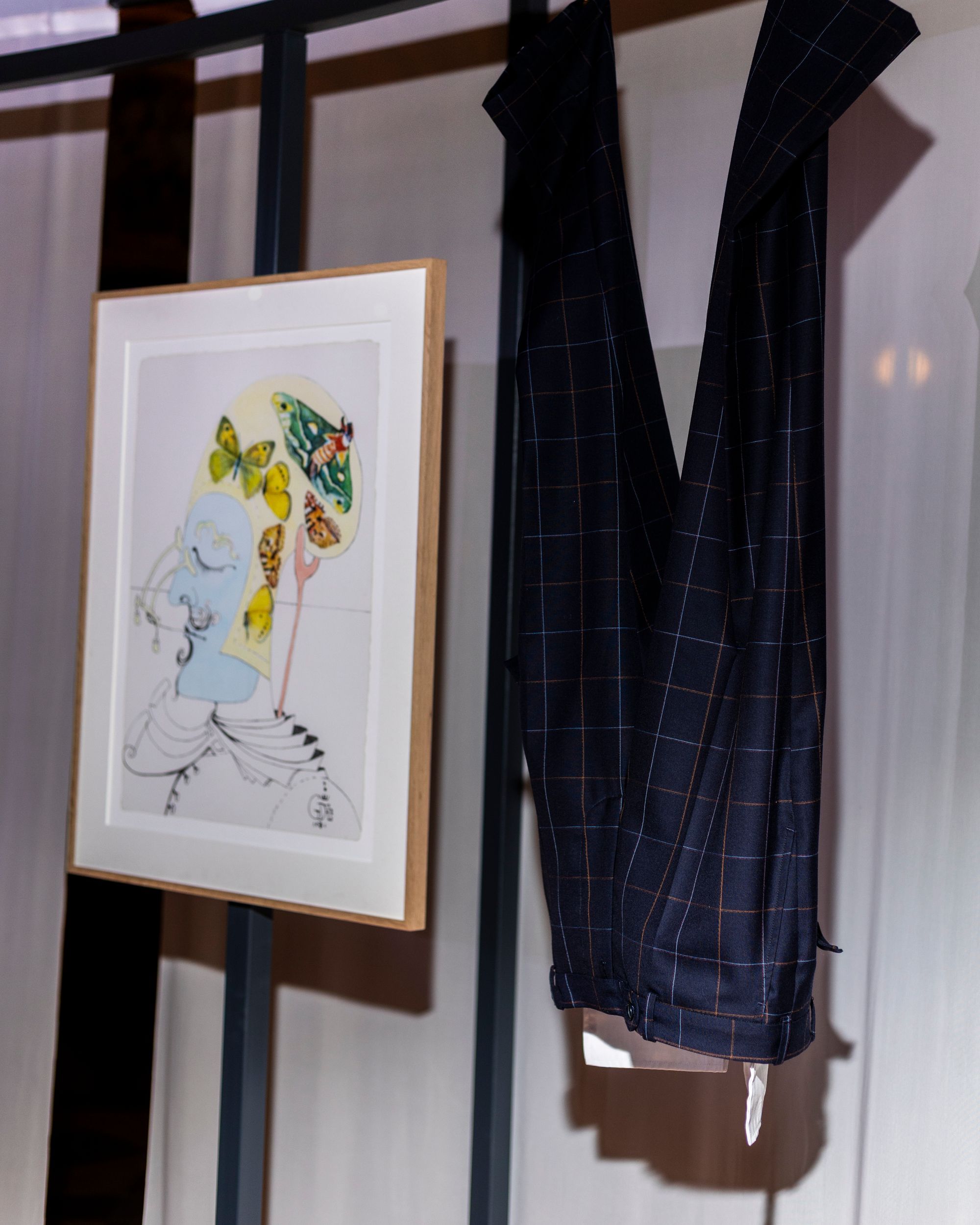
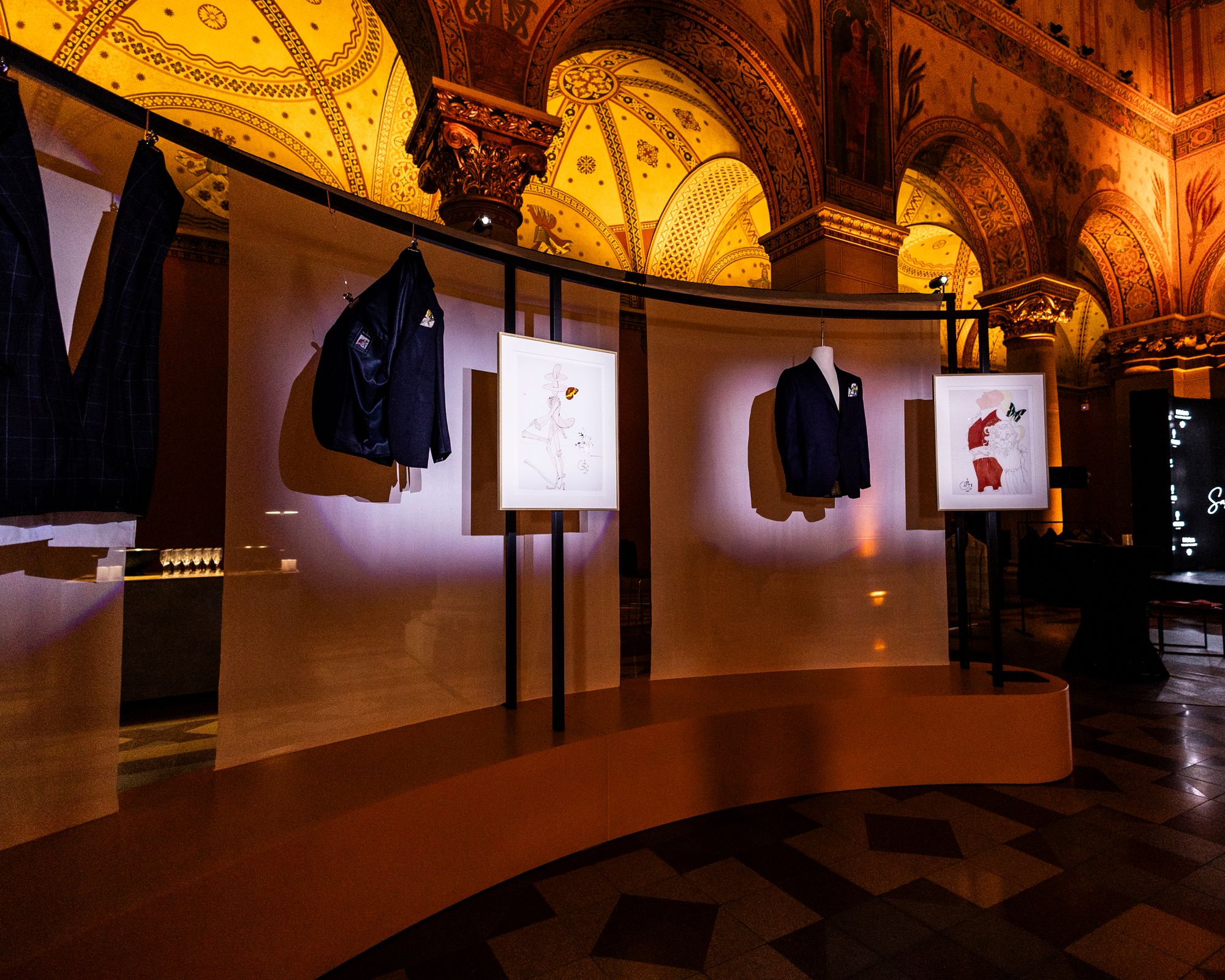
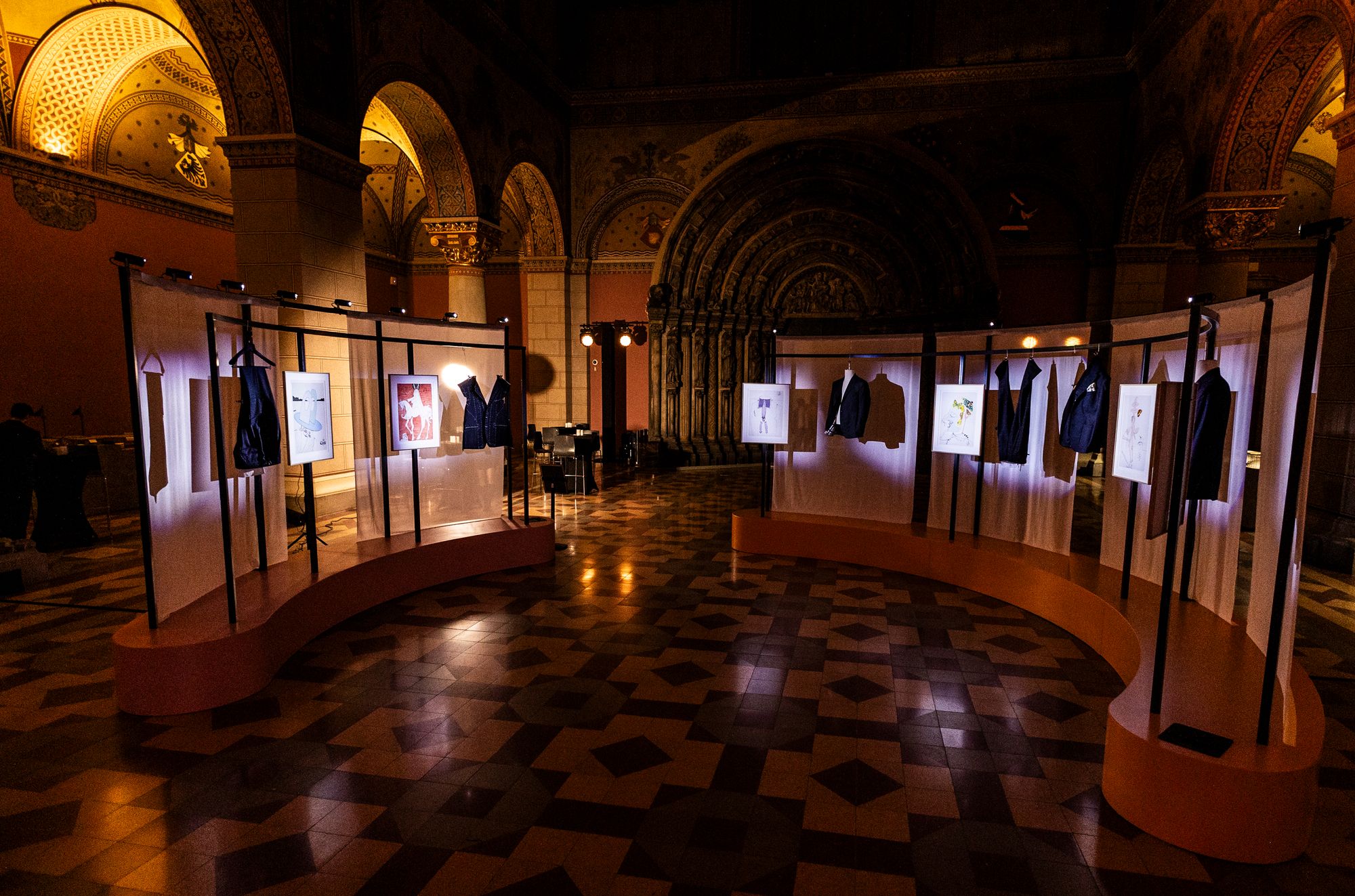
The Dalí project presented at the Museum of Fine Arts is a unique meeting point between fine art and tailoring. How did this collaboration come about?
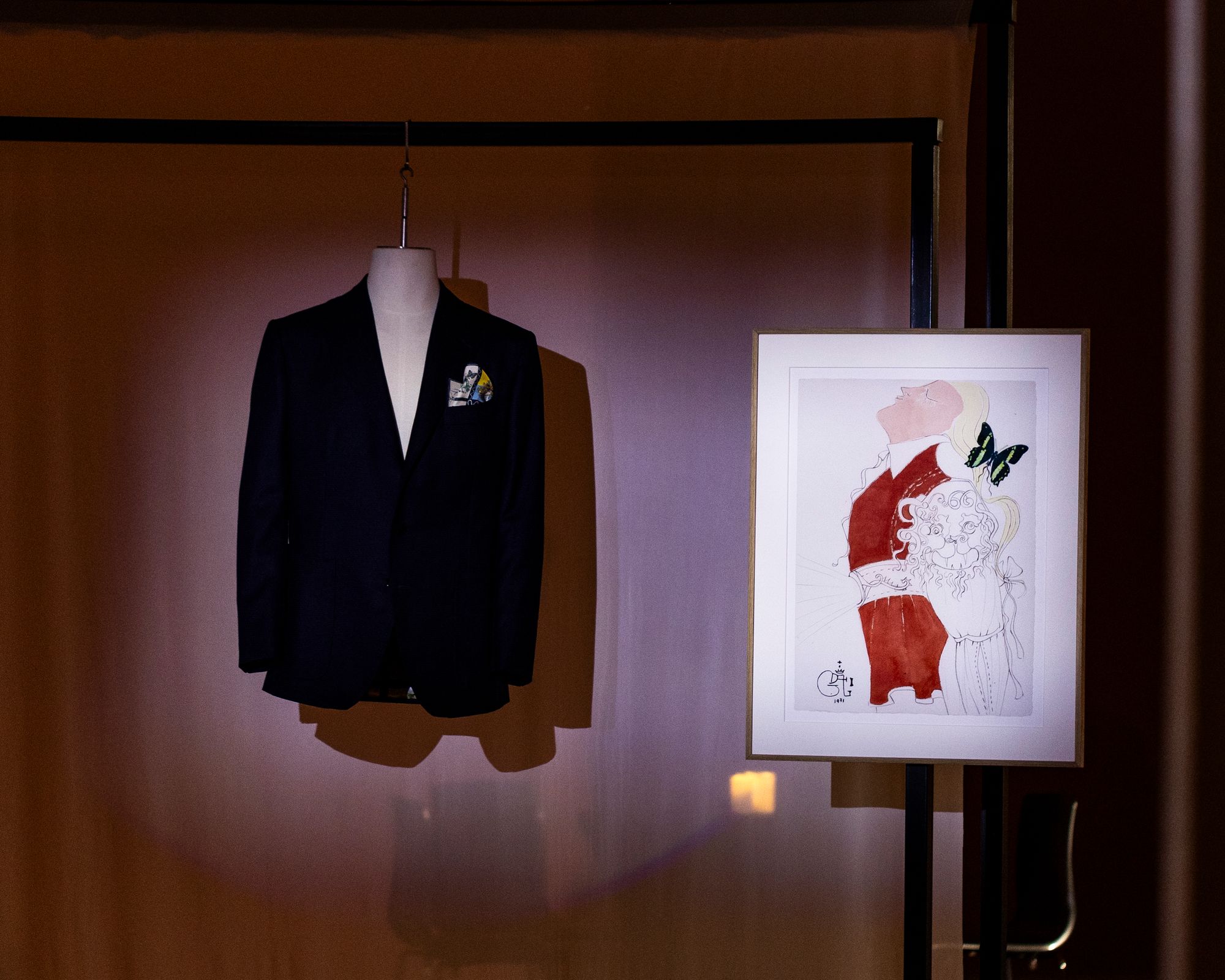
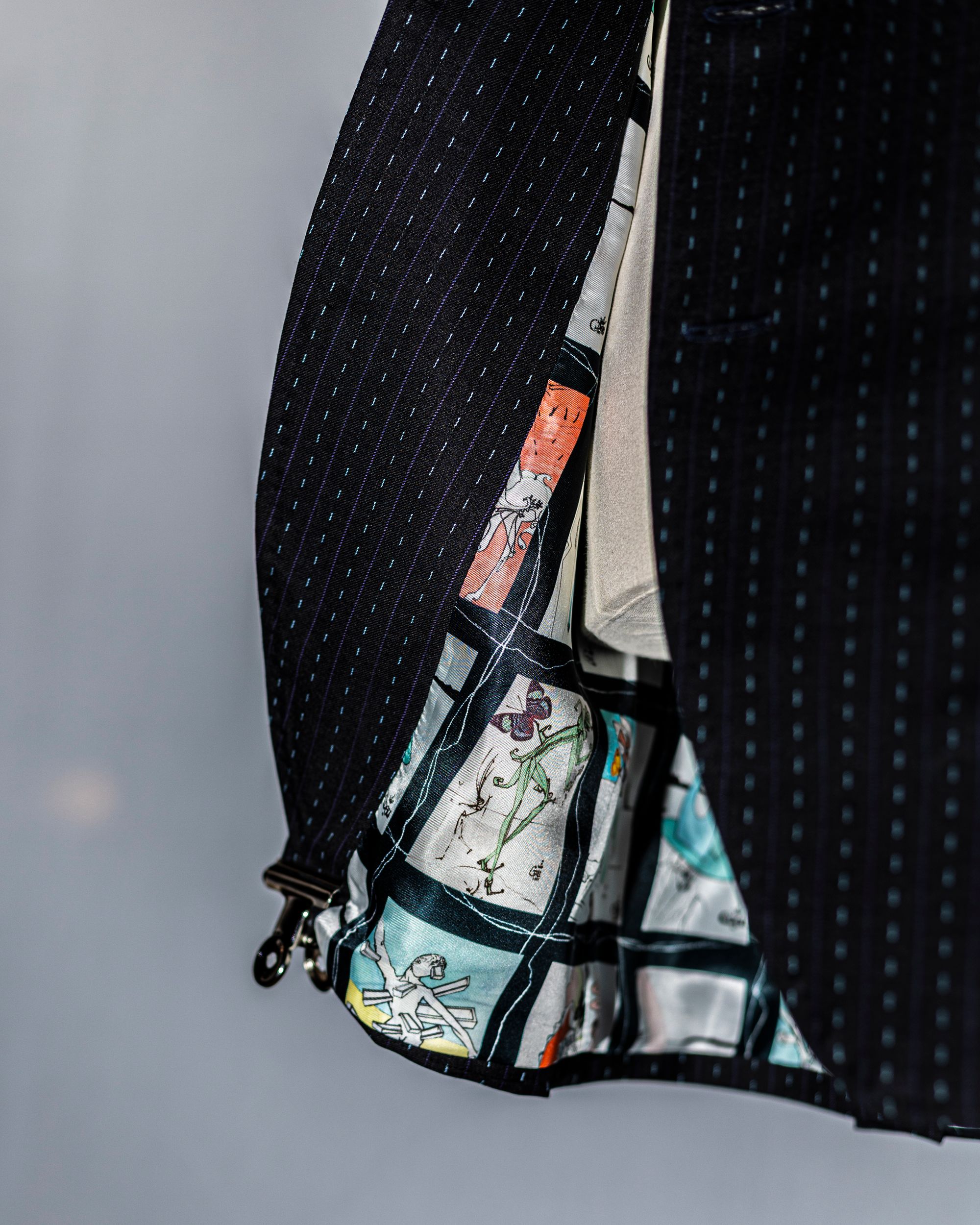
The collaboration was realized through the Scabal fabric mill, for whom I have been the Hungarian representative for years. In 1977, Salvador Dalí created 12 artworks for Scabal, envisioning the future of men’s fashion. These pieces left the Scabal archives for the first time to be displayed for one evening at the Museum of Fine Arts. Using the exclusive fabrics inspired by these artworks, we created garments that were also exhibited for our guests.
At first glance, Salvador Dalí’s surreal visual world seems far from the precision of tailoring. How did you translate this inspiration into wearable yet distinctive pieces?
I believe that Dalí’s art — and art in general — is not far from the world of tailoring at all. Fashion and art have always been closely connected, influencing each other, and these encounters consistently produce something new and exciting. The fabrics inspired by Dalí’s works are unique, but when designing the collection, it was important for us to keep the pieces wearable. Each garment includes a distinctive element — whether a pattern or a texture — combined with clean, classic tailoring. This creates a balance that makes them both unique and easy to integrate into a wardrobe.
To what extent can these jackets be considered classic garments, and to what extent are they “wearable artworks”? How do you see this boundary?
In these pieces, the boundary between art and tailoring becomes completely blurred. It works best when a garment can provide an aesthetic experience while naturally fitting into the wearer’s life. Fundamentally, these pieces are made to be worn — the difference lies in the greater emphasis on fabric and visual expression. What makes this particularly exciting is that the inspiration comes directly from a work of art, allowing the thoughts and world of a renowned artist to become wearable.
What would you like a Dalí-inspired piece to give to its wearer — and what should it communicate about Galamb Tailoring to those encountering the brand for the first time?
Like every Galamb piece, items from the Dalí collection offer a sense of individuality to the wearer. The final result is always shaped by their decisions and personal taste, making dressing a form of self-expression. In the case of the Dalí pieces, this becomes an even more special experience, as one can wear a true work of art — yet still tailored to the individual. At Galamb Tailoring, our goal is to provide not only quality and impeccable appearance, but also a personal connection and an experience.