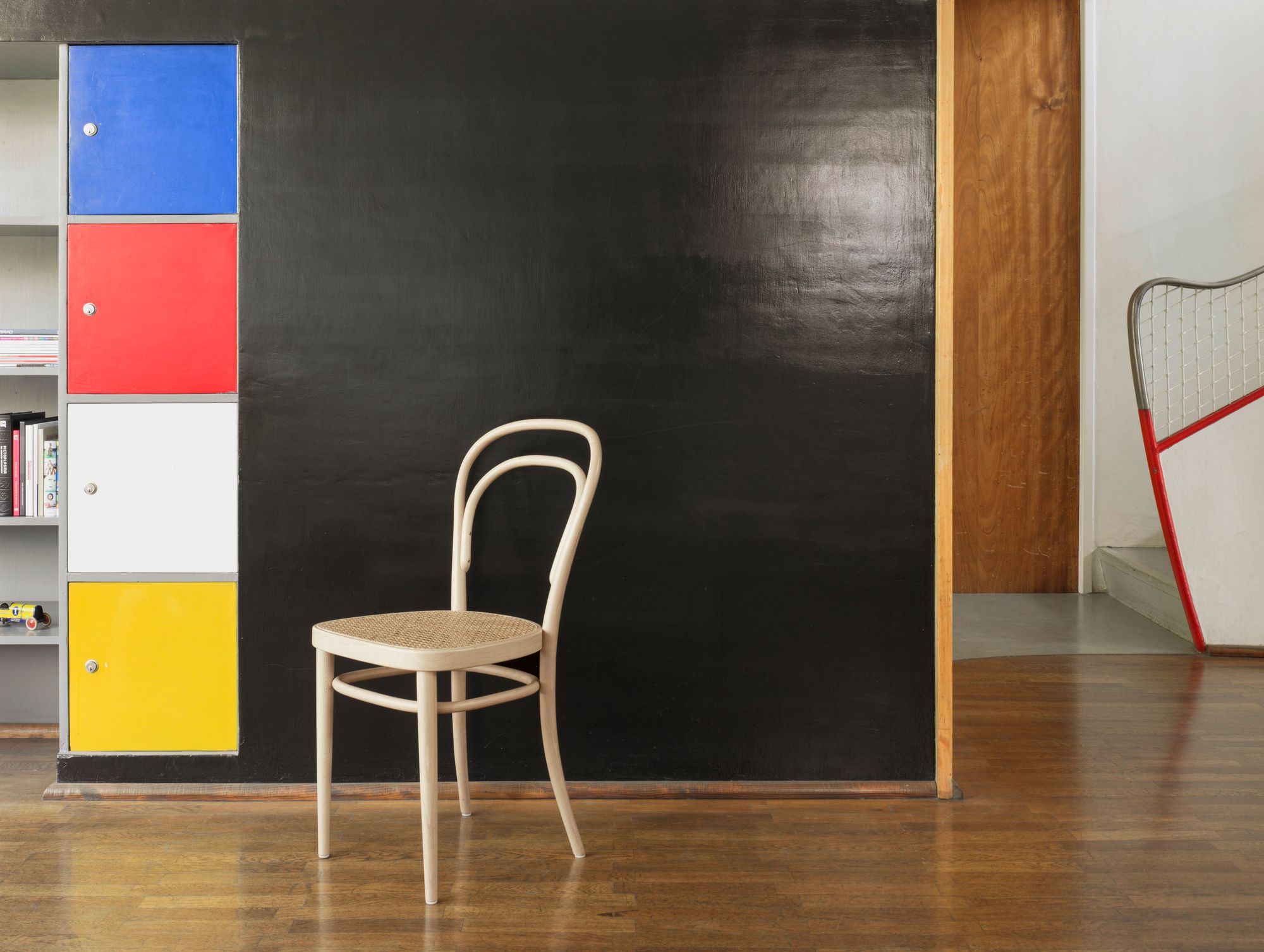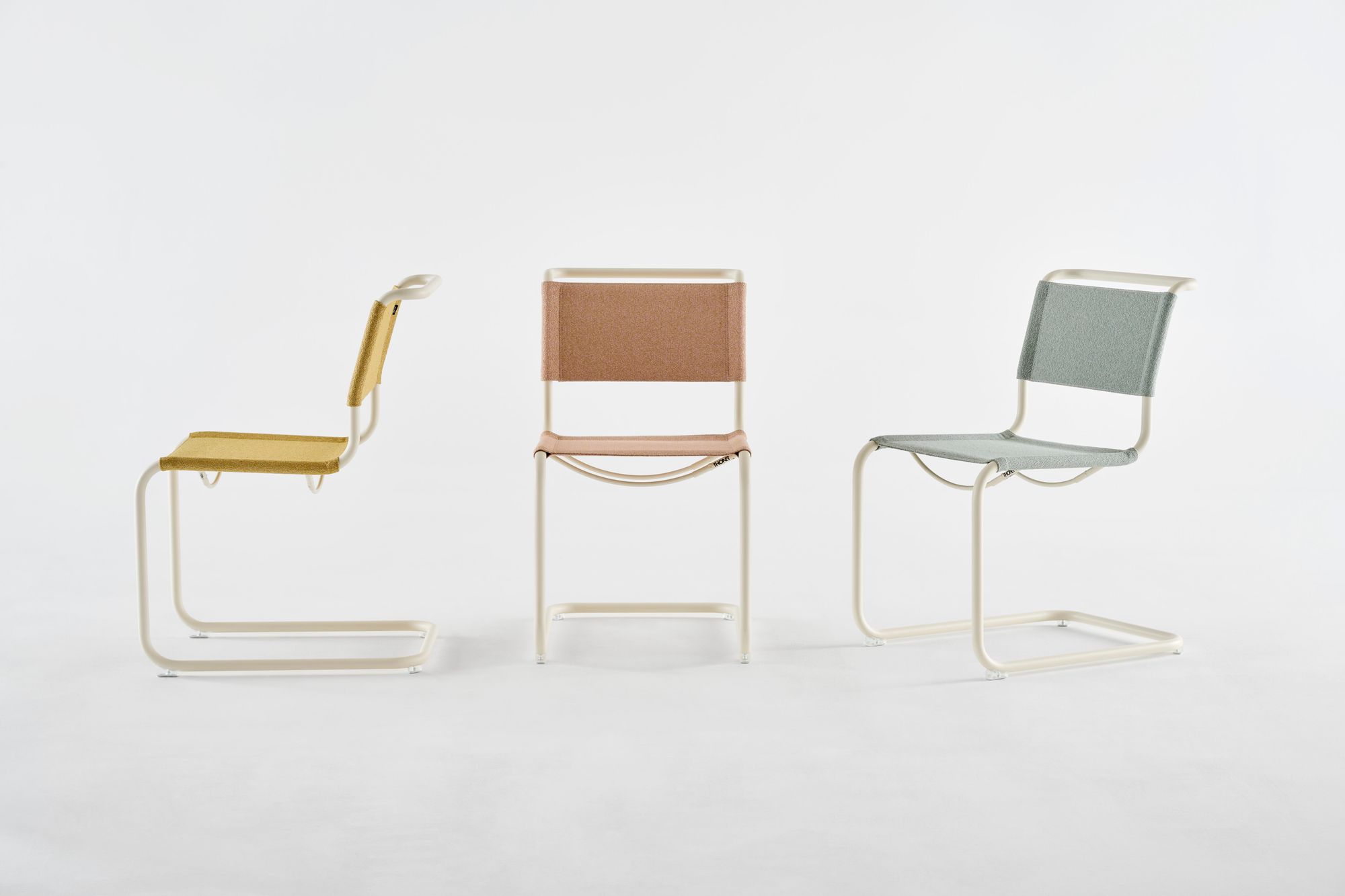
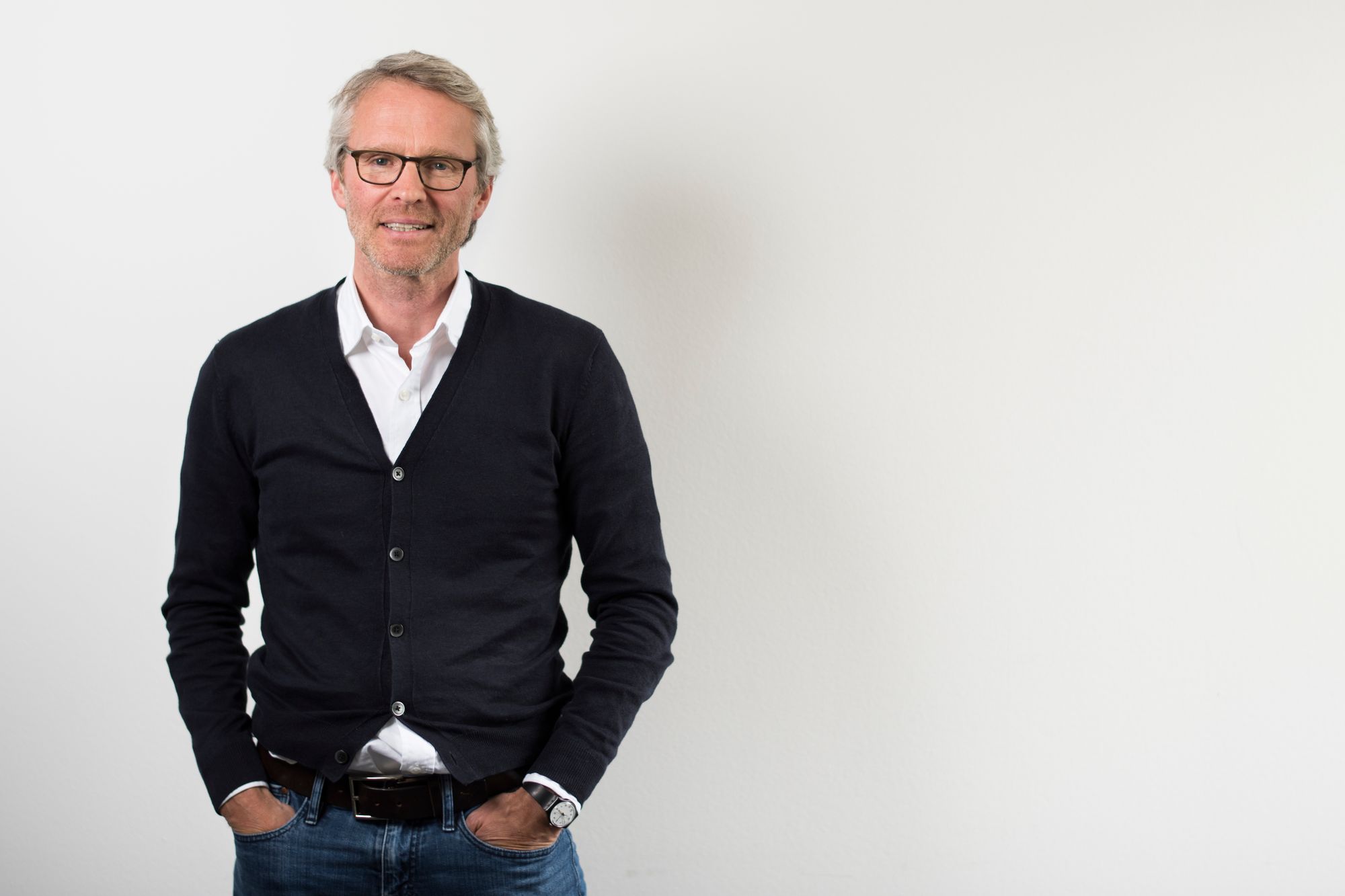
Two hundred years of design, technological innovation, and timeless elegance — this is Thonet’s legacy. From the iconic chairs of Vienna’s coffeehouses to the tubular-steel era of the Bauhaus and the contemporary reinterpretations of today, the brand has always lived at the intersection of innovation and craftsmanship. Now, under the creative direction of Norbert Ruf, Thonet is not only preserving its past but writing a new chapter — translating its classic values into the language of the 21st century through collaborations with designers such as Jil Sander, Marco Dessí, and Studio Irvine.
The Thonet DNA is incredibly strong — from craftsmanship to simplicity and longevity. How do you approach the challenge of keeping that DNA intact while translating it into contemporary design?
We understand DNA not as a style, but as a set of values that form our foundation. If these principles manifest themselves, the product naturally feels like a Thonet product.
Many heritage brands struggle between reverence for the past and the need to evolve. How do you find that balance within Thonet?
We do not see ourselves as a museum. We respect and value our past, and we reflect on it. Michael Thonet was driven by an attitude of resourcefulness and inventiveness rather than a formal approach. He aimed to create value for his customers at every level, and this is what we continue to strive for today.
Is there a particular Thonet icon that continues to inspire you today?
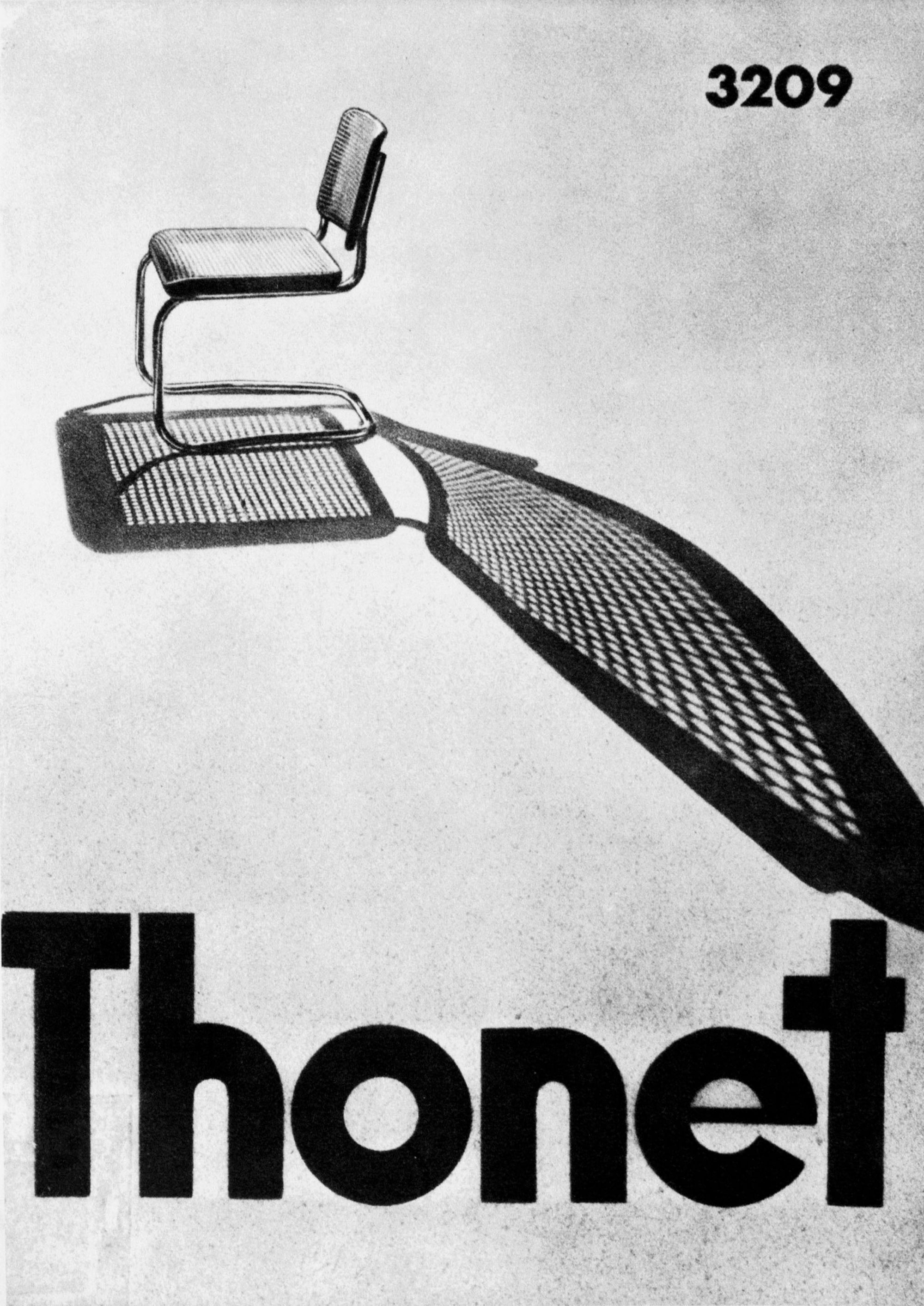
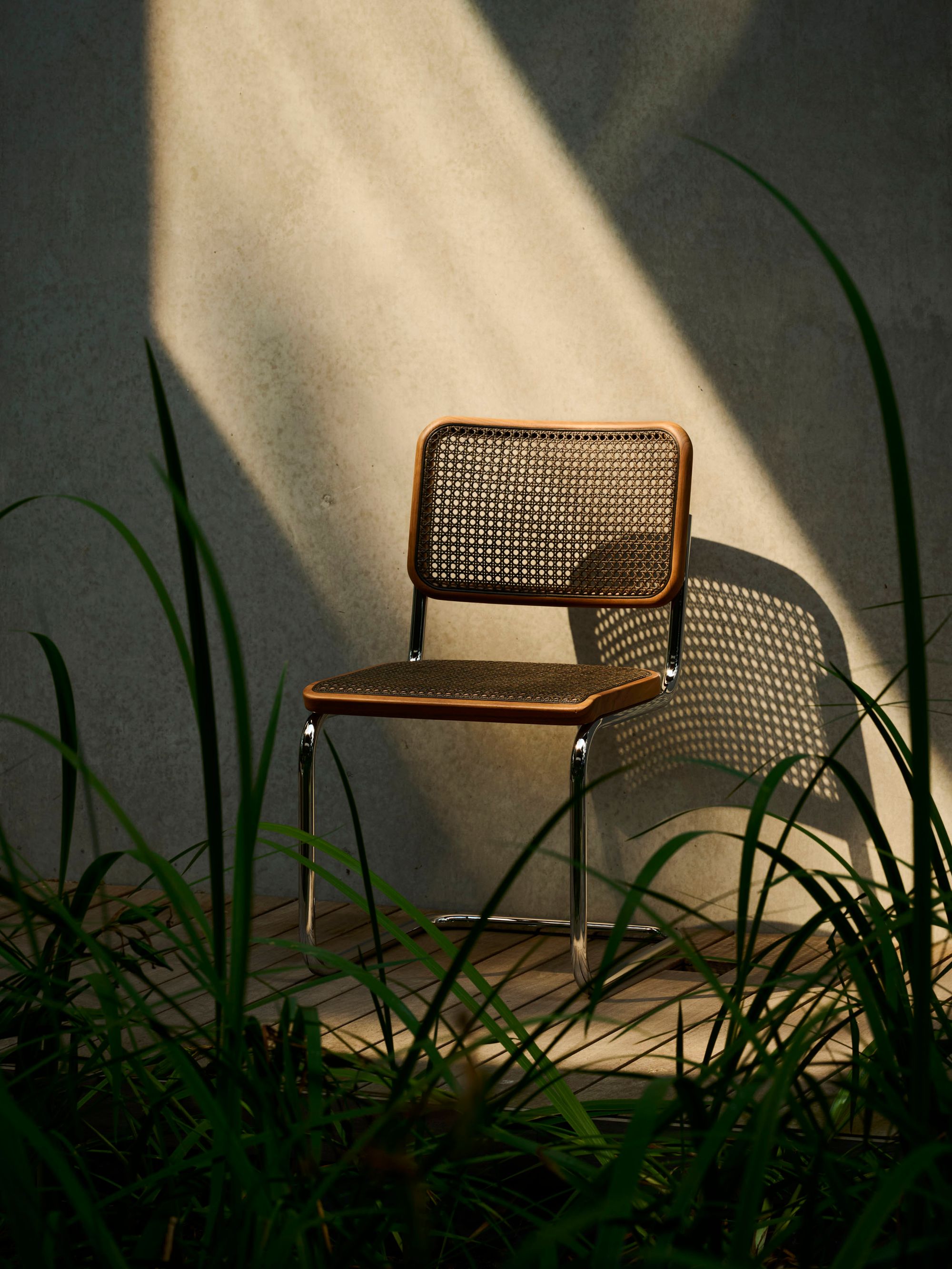
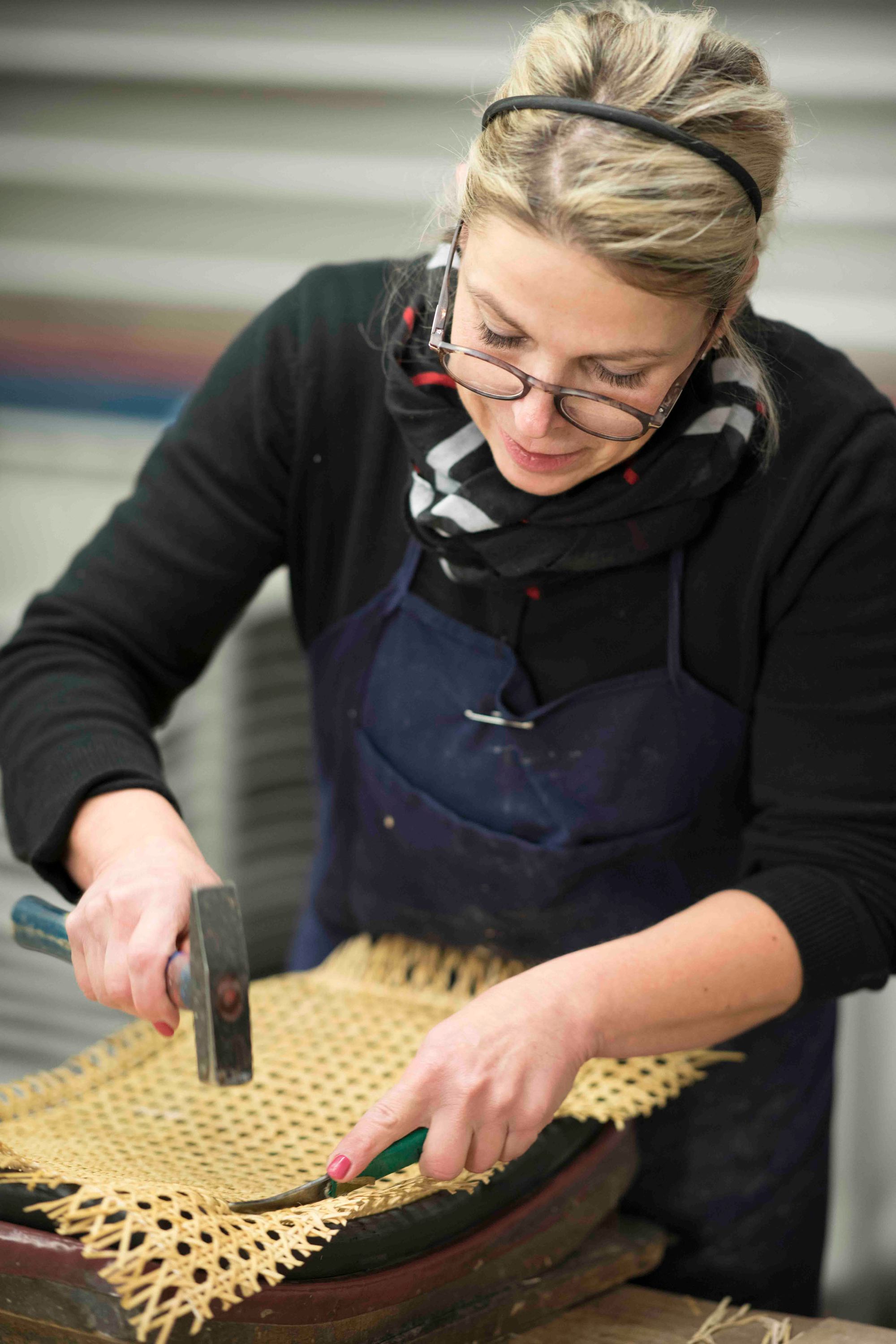
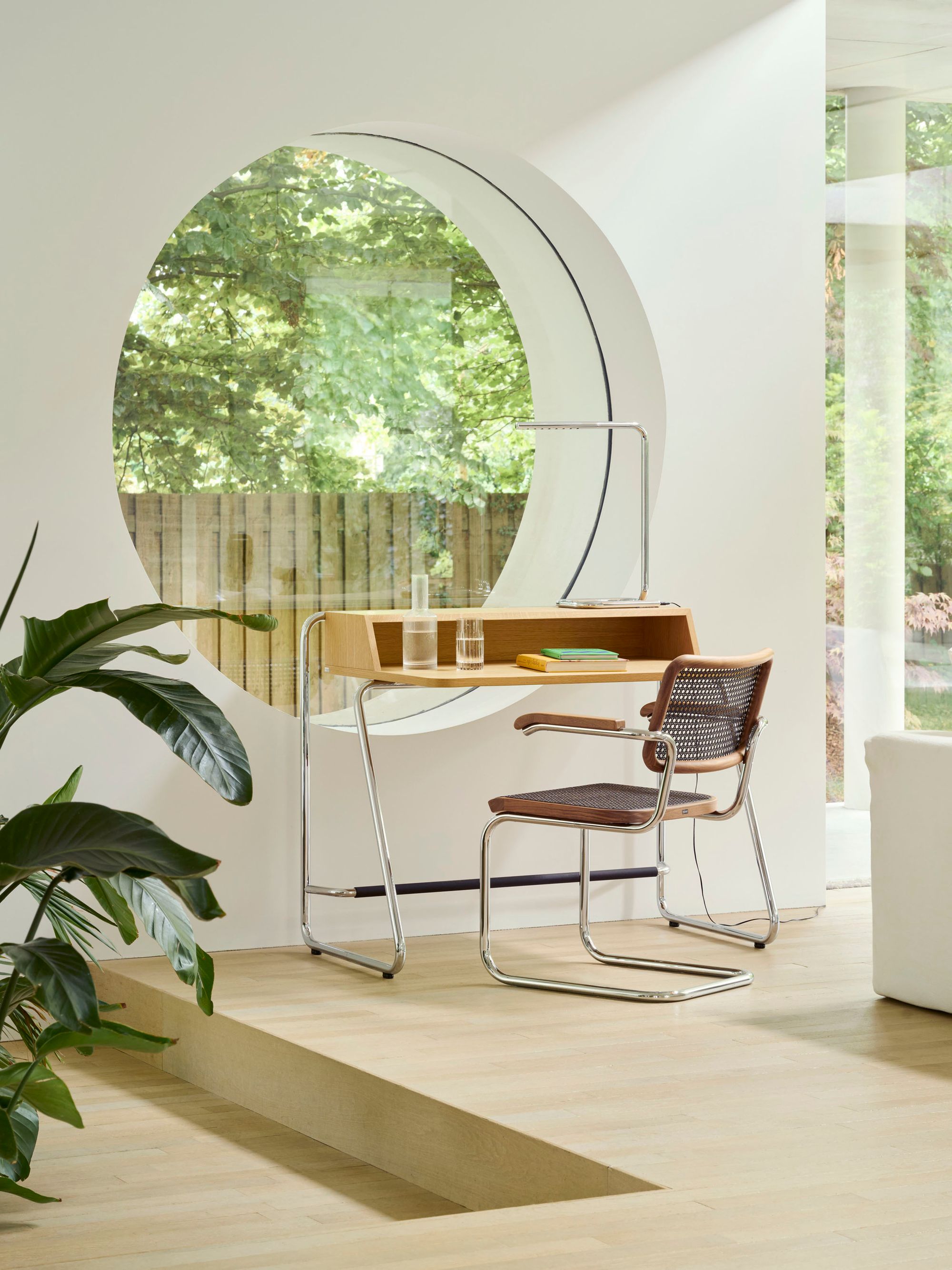
That is a difficult question, for if I were to name one classic, I would be obliged to omit many others. Of course, I also have a close connection with more recent products. If I had to choose one, it would probably be the S 64 cantilever chair by Marcel Breuer. This product demonstrates that it has a past, a present and a future. With this design, Breuer brought together two aspects of the Thonet brand: the bentwood and cane weaving tradition, combining them with tubular steel. The S 64 offers high quality, aesthetic appeal and comfort. I have a lot of Thonet furniture at home, though, and I enjoy it every day.
Working for a brand with such a legendary past must be both inspiring and intimidating. How do you begin each new project?
We see design less as an activity and more as an attitude. And we see our products as an expression of that attitude. Each designer we work with brings their own ideas and personal touch to the table. But what unites us is not so much a formal expression as a common understanding: when it comes to working with the classics, a mindful approach to design and fine details is absolutely essential. This is the only way to create a product that respects and does justice to the original, whilst responding to and understanding today's new demands. This is true both for re-editions of our iconic classics but also when selecting new designs for the current collection.
How much freedom do you have to experiment within the Thonet DNA? Where’s the line between evolution and revolution?
Thonet has invented technologies, evolved them and combined technologies from the past with new ones. Curiosity and experimentation are therefore at the heart of Thonet. However, there is a difference between concept/experiment and a product. It is in the transition from concept to product that the magic lies.

What role do new materials or technologies — sustainability, digital fabrication, modular systems — play in Thonet’s future direction?
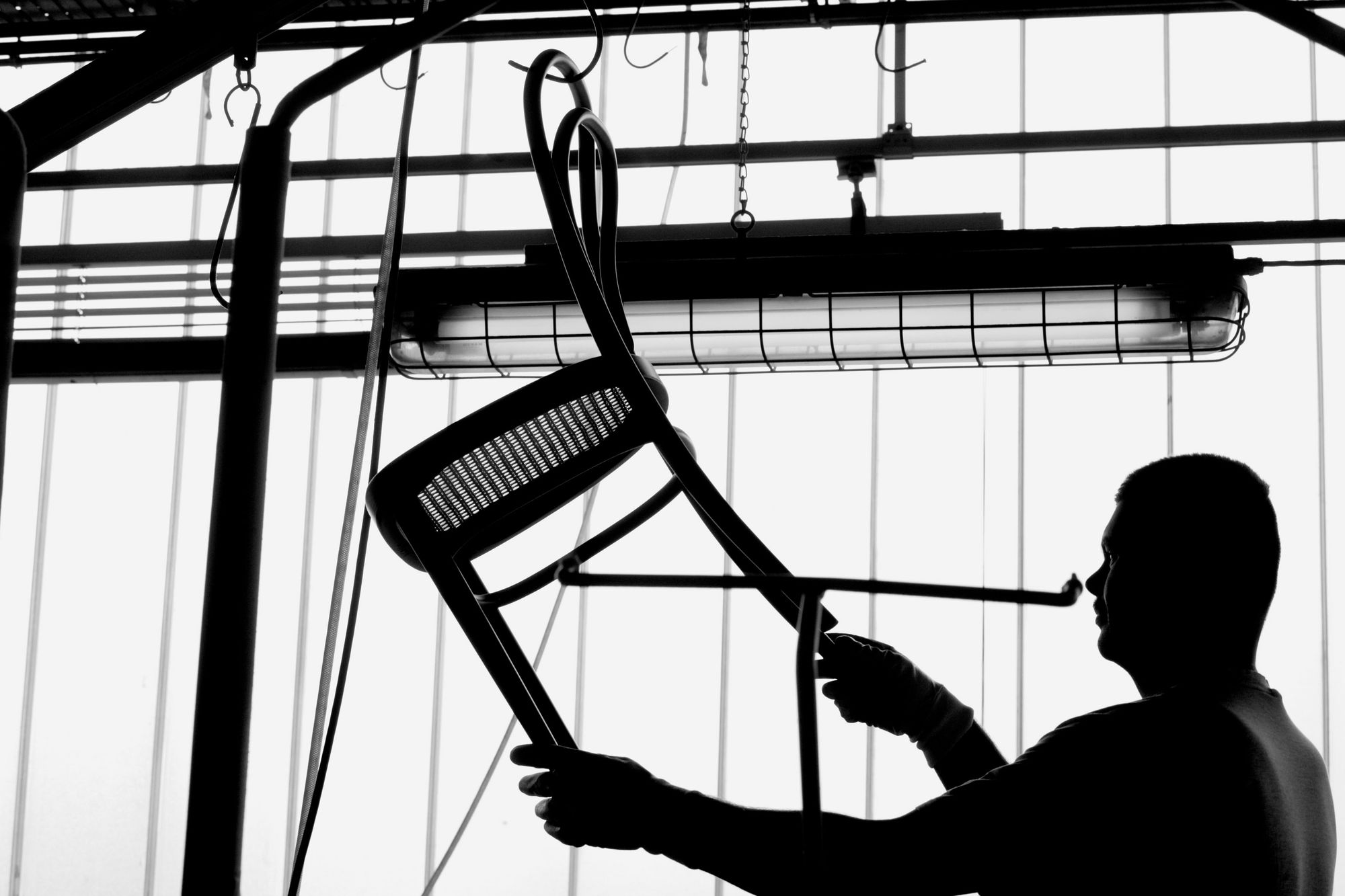
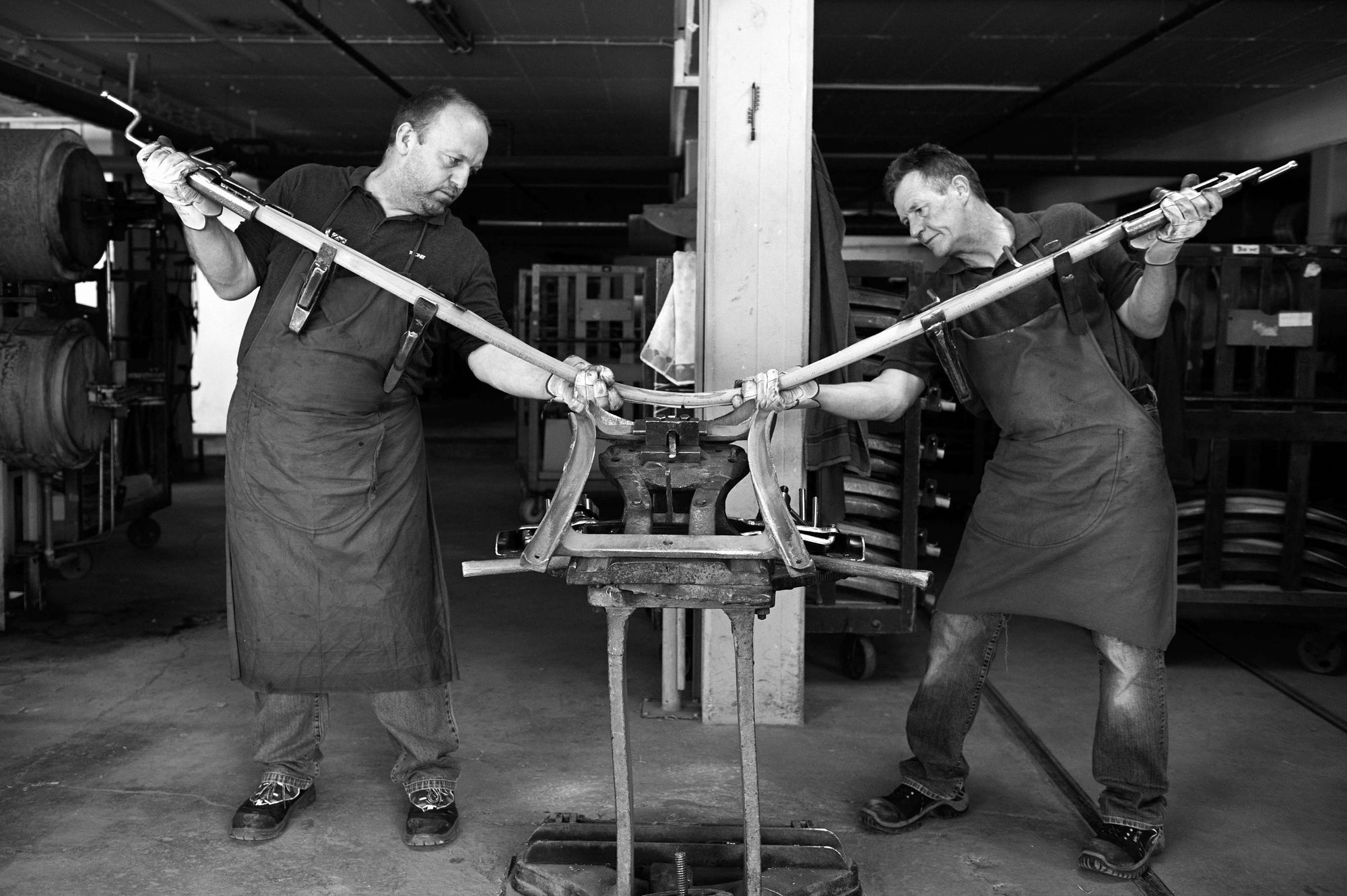
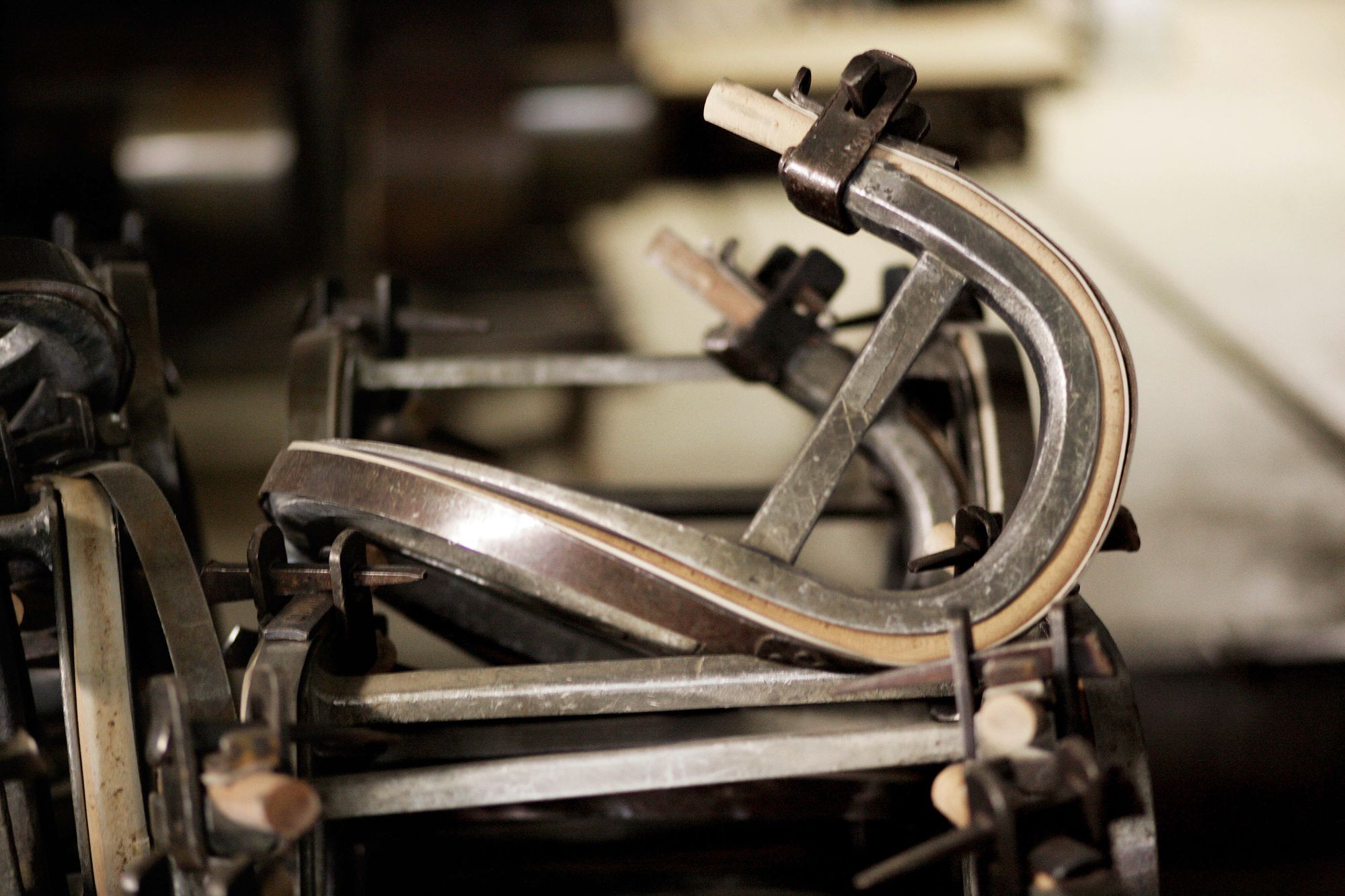
The evolution from steam-bent wood to tubular steel shows that Thonet always had a forward-thinking approach, embracing the spirit of the times and its potential. Reflecting on the present day and its possibilities therefore seems a natural thing to do.
The way we live and work has changed dramatically. How does Thonet respond to shifting lifestyles — such as remote work, smaller spaces, or hybrid environments?
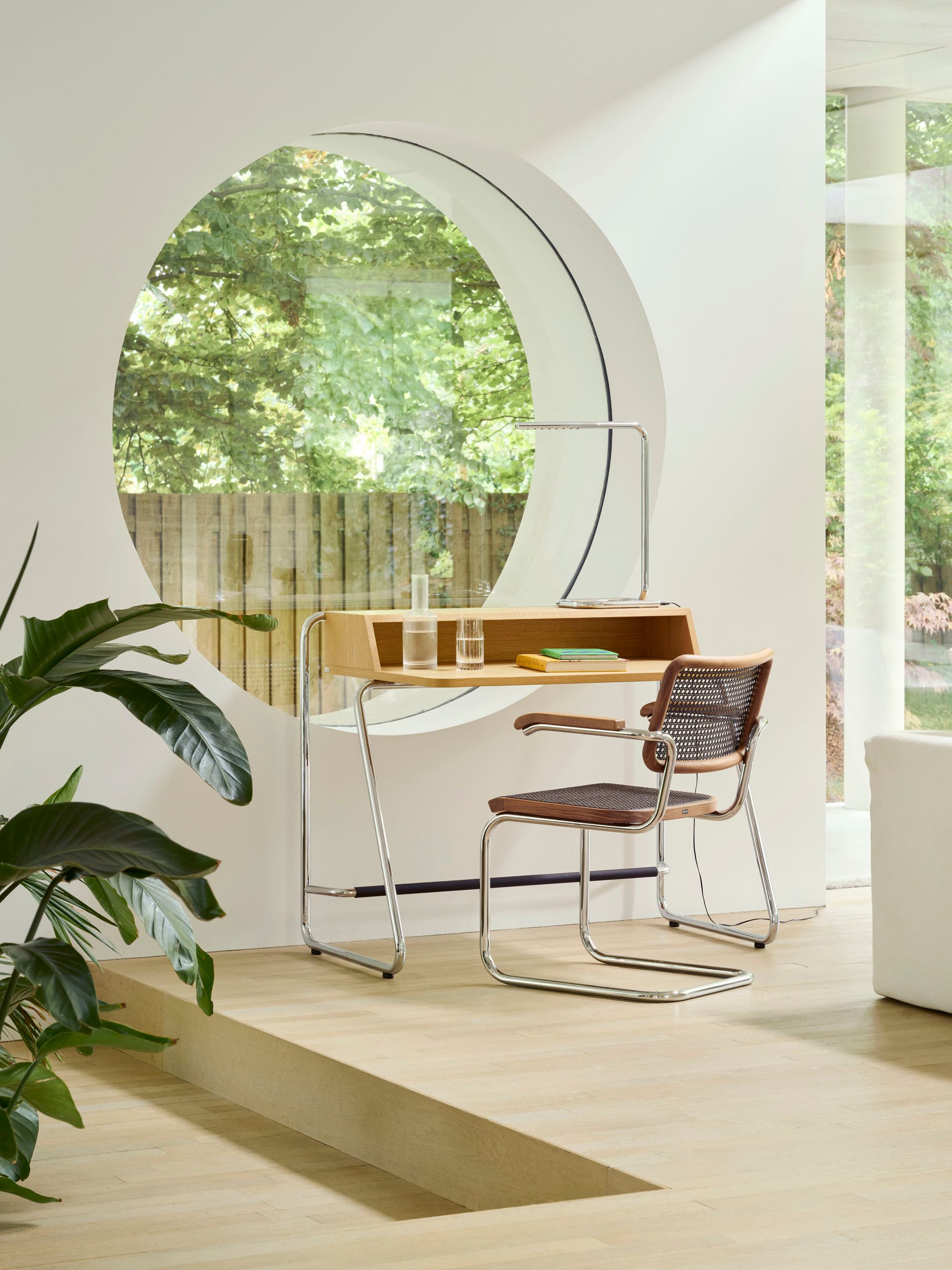
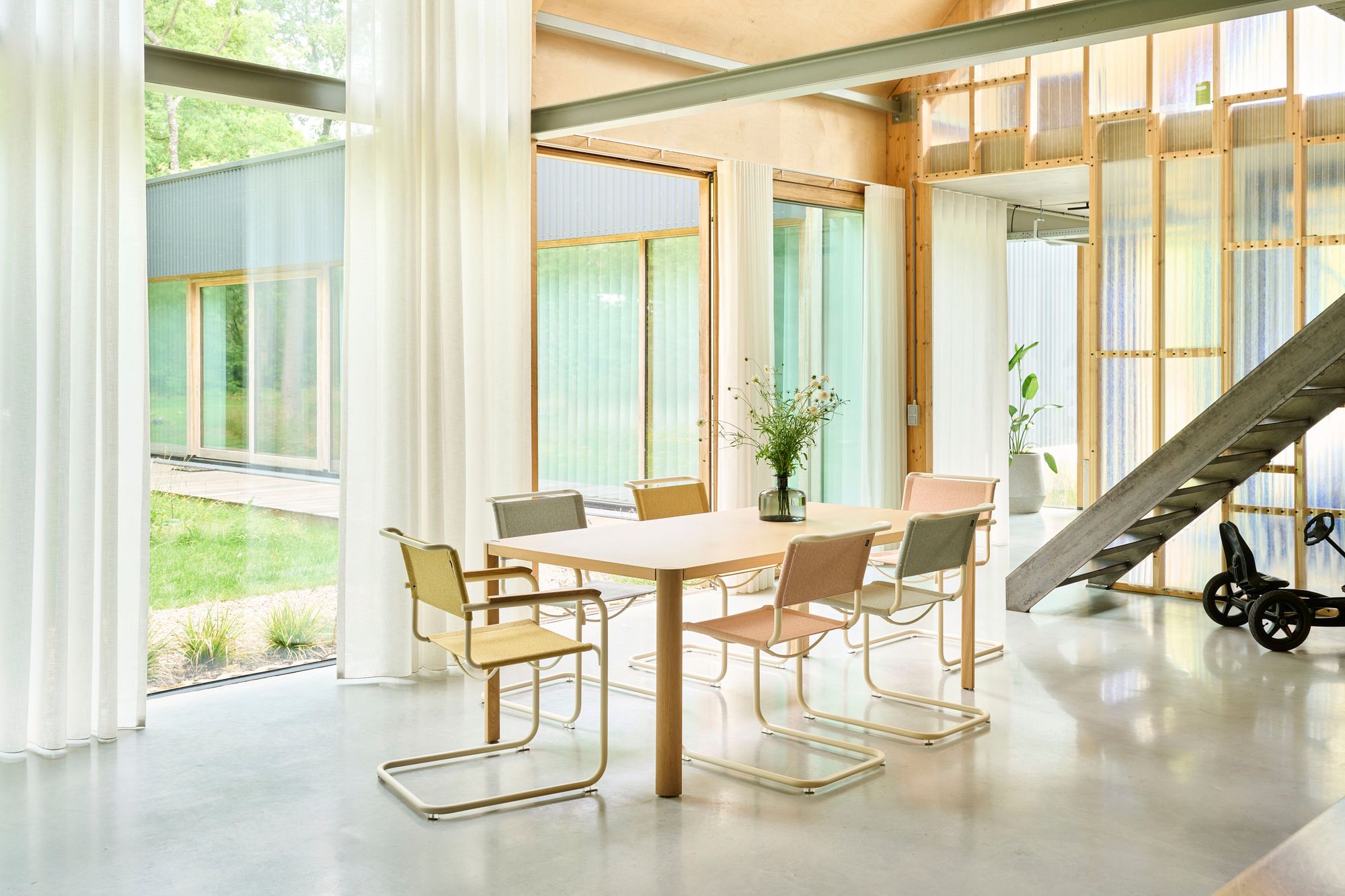
Their hybrid nature is at the core of our products. In other words, they are designed to be used in different environments and feel equally at home in residential and contract settings. Furthermore, many of our products originate from a time of lower technological saturation. This means they survived the era when products and furniture had a direct relationship. For example, our S 285 desk was designed to be used with a typewriter, and is just as suitable for use with a laptop or an iPad today.
Thonet pieces are not only furniture but cultural icons. How do you ensure that the brand continues to resonate with younger generations? It is not necessarily only about the products, but also about contextualization and communication. It has to be right for today’s usage, feel right in today’s scenarios and be communicated through today’s channels.
What aspects of your own creative or cultural background have you brought into Thonet? What drew you to the brand personally?
How many companies’ products can you say you actually grew up with? When I had the great honour of being asked to join Thonet, of course I accepted. Having worked for Wilkhahn, Avarte, deSede and Dedon, Thonet for me represented a step towards the roots of European furniture culture, offering me the opportunity to weave together the past, present and future.
Outside of furniture, what inspires your aesthetic sensibility — art, architecture, music, nature?
Yes, yes, yes and yes – and lots more besides, such as literature or conversations…
How do you stay creatively curious after many years in the industry?
In my opinion, the question should be the other way around: how can you not stay curious when the world is constantly changing and you have the chance to reflect this in your work?
How do you define the role of a creative director today — especially in a company with such a long and respected legacy?
Knowing and understanding the history, translating it, and making it accessible and relevant for today and tomorrow.
Norbert Ruf
The German-born design expert has been shaping European furniture culture for more than two decades. He began his career with the design teams of Wilkhahn and Avarte, later gaining international recognition as creative director for deSede and Dedon. Since 2020, he has served as Creative Director at Thonet, where he fuses the brand’s two-hundred-year heritage with a contemporary perspective. For him, design is a way of thinking — a dialogue between past and present in which innovation is never an end in itself, but always rooted in purpose and usability. Under Ruf’s direction, Thonet’s classic pieces gain new meaning, while the brand confidently embraces the future — at the intersection of sustainability, technology, and creative collaboration.