


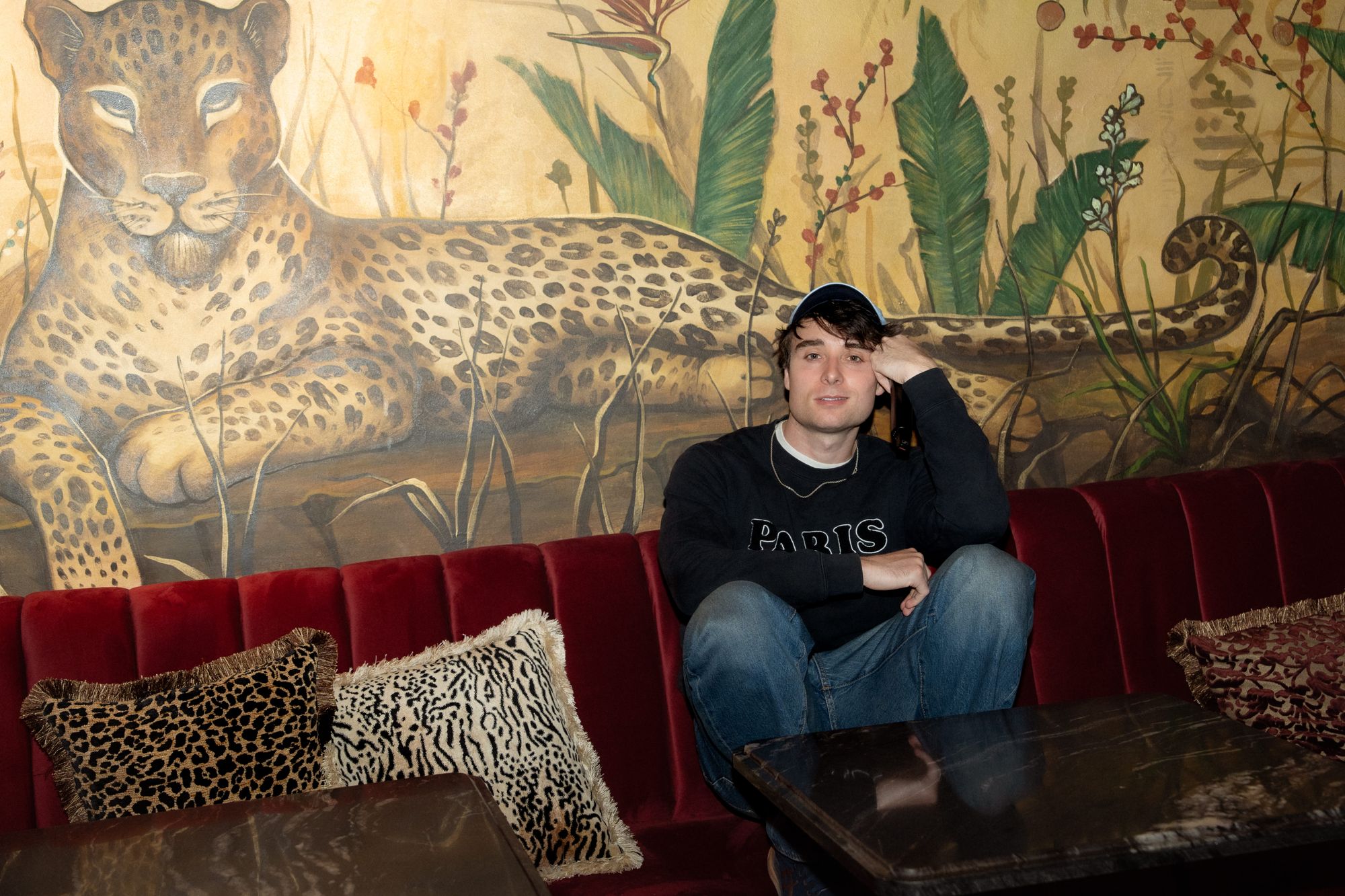
Most audiences know Oli Higginson as Footman John from Bridgerton, but music has been part of his life long before Netflix fame arrived. Performing in Budapest under his musical alter ego Modern Oli, he is stepping into a more personal creative space—one where he can tell his own stories rather than inhabit someone else’s. We spoke with him about songwriting, artistic vulnerability, and why music offers a kind of immediacy that acting never can.
For most actors, success in a globally popular series would be enough to keep them occupied. For Oli Higginson, however, acting has never been the only creative outlet. Alongside his growing screen career, music has quietly remained a constant presence—something he has returned to throughout his life, whether at drama school, at home, or whenever he happened to find a piano in the corner of a room. That long-standing passion recently evolved into Modern Oli, a project that allows him to explore a different side of his artistic identity. While Bridgerton places him inside a carefully crafted Regency-era world, his music draws from the indie and alternative sounds he grew up with, channeling influences ranging from Radiohead and The Cure to The 1975. Ahead of his intimate performance in Wonder Budapest’s speakeasy-style Coco Bar, we sat down with Oli to talk about creative risk, artistic freedom, and why songwriting feels like the most direct way to connect with both himself and his audience.
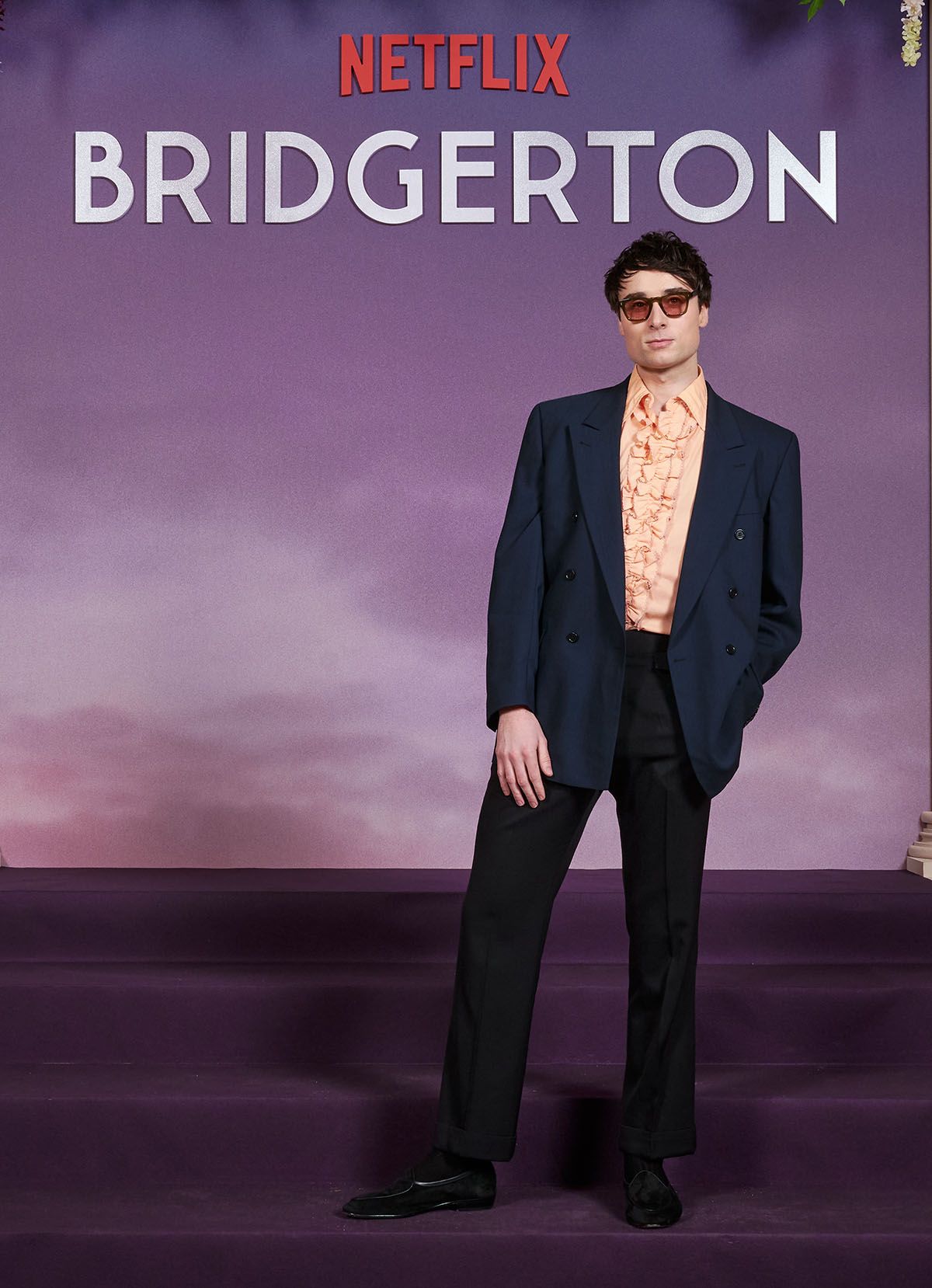
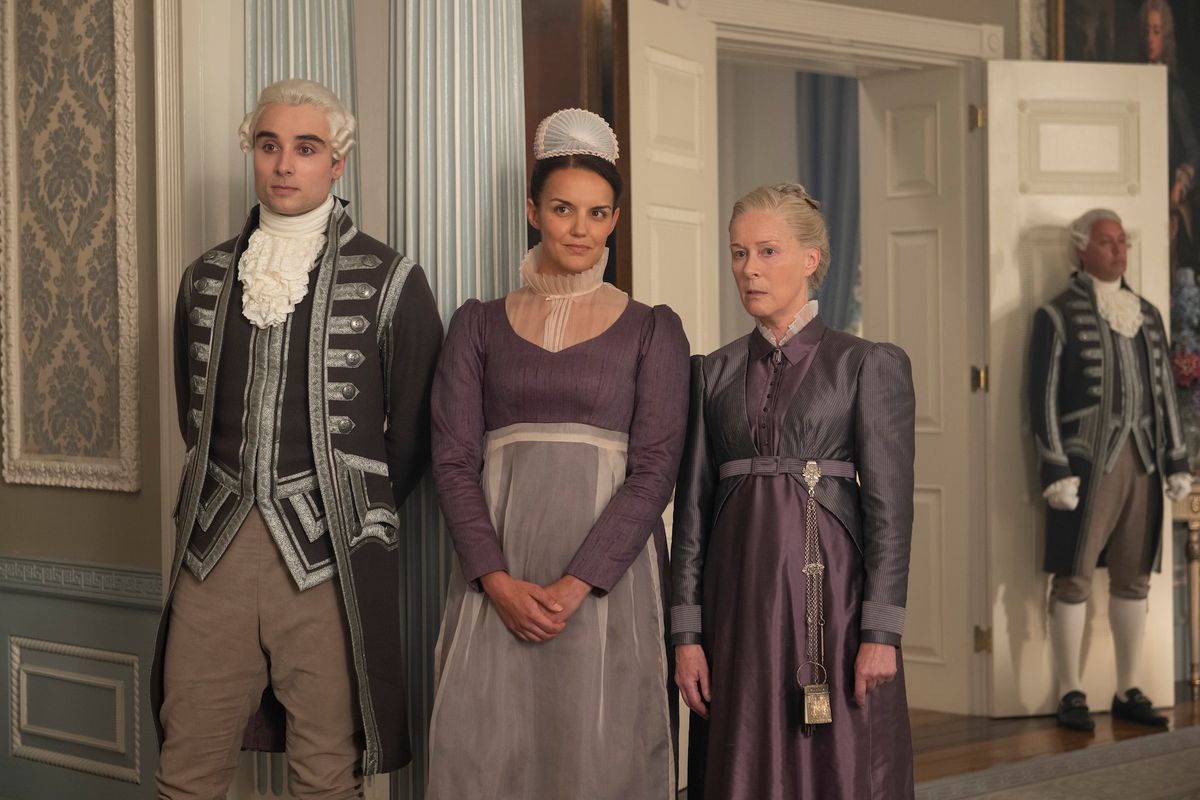
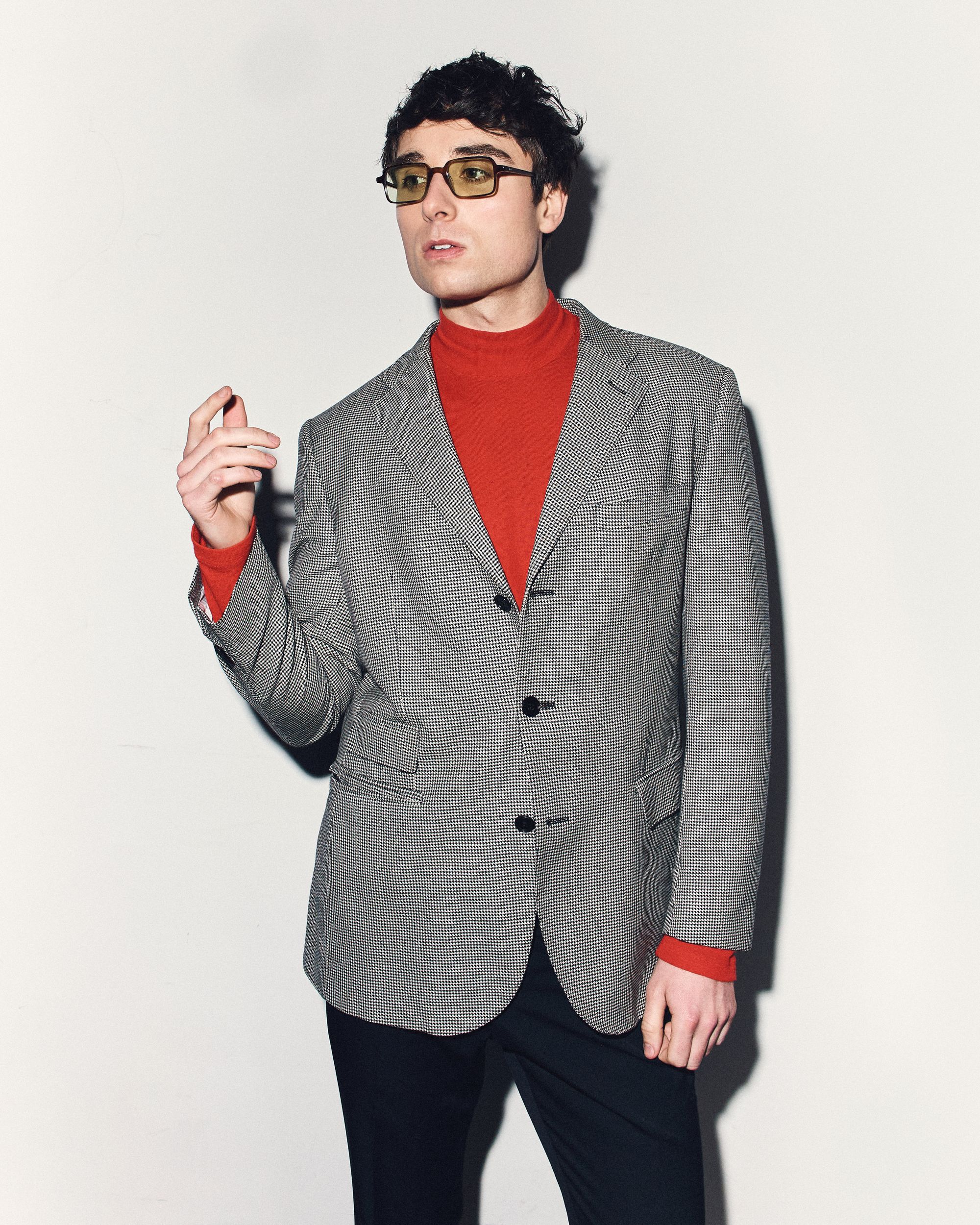
Most people know you from Bridgerton, but today you’re in Budapest primarily as a musician. How did Modern Oli come about? Was it a new chapter for you, or something you’d been building toward for years?
I’ve always been the guy who gravitates towards a piano. Whether I was at drama school or at a party, if there was a piano in the room, I’d eventually find myself sitting in front of it. Over the years, songwriting became a huge part of my life. My friends knew about the songs and kept telling me, “You should release these properly.” But acting was my priority. I wanted to train, get my first theatre job, my first TV job, my first film job.
Then, over the last couple of years, I started feeling this itch to finally share the music and live out that childhood dream of singing my songs to people. The timing worked out because filming Bridgerton Season 4 took eight months, and as an actor you often have gaps between shooting days. I suddenly found myself with time and thought: this is the moment. So Modern Oli was born alongside Bridgerton. In a funny way, they’re complete opposites—one is a romantic period drama, the other is this contemporary, slightly gnarlier extension of myself.
For someone who’s never heard your music before, how would you describe the Modern Oli sound?
That’s the eternal question every musician struggles to answer. For me, it comes from the bands I grew up listening to as a teenager: Radiohead, The Cure, Pulp, Nick Cave, R.E.M., My Chemical Romance, The Killers, even early Coldplay and Travis.
I was a ’90s and early-2000s kid, and whether I like it or not, my music naturally gravitates towards that era. A lot of people tell me the songs remind them of their teenage years, of hearing music on the radio for the first time. There’s definitely a sense of nostalgia in it. It’s also very piano-driven because I’m not a particularly good guitarist. Sometimes limitations are useful—they push you in a certain direction. So there’s a lot of piano, synth-pop influences, and artists like The 1975 have been hugely important to me.
If I had to sum it up: nostalgic indie pop.
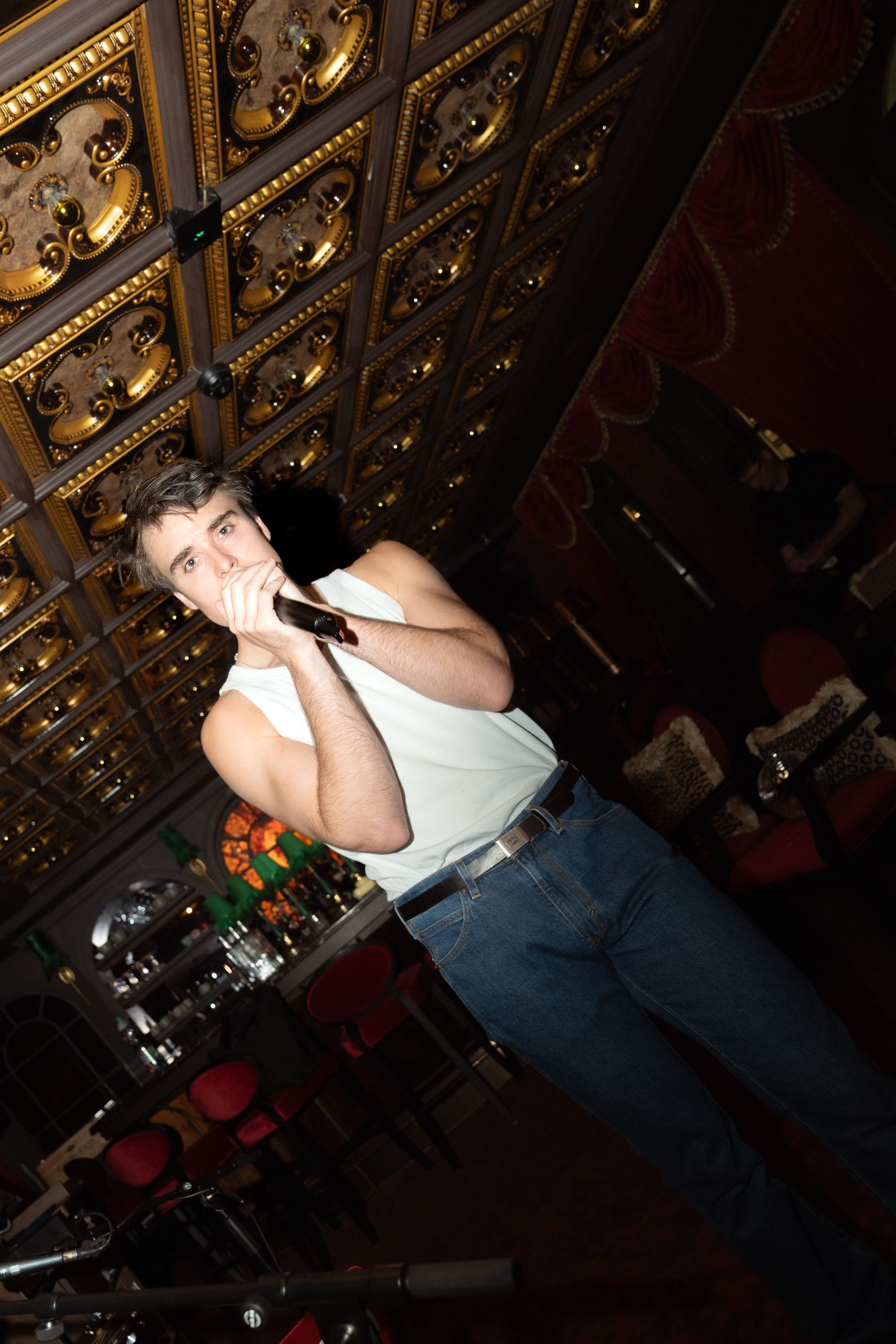
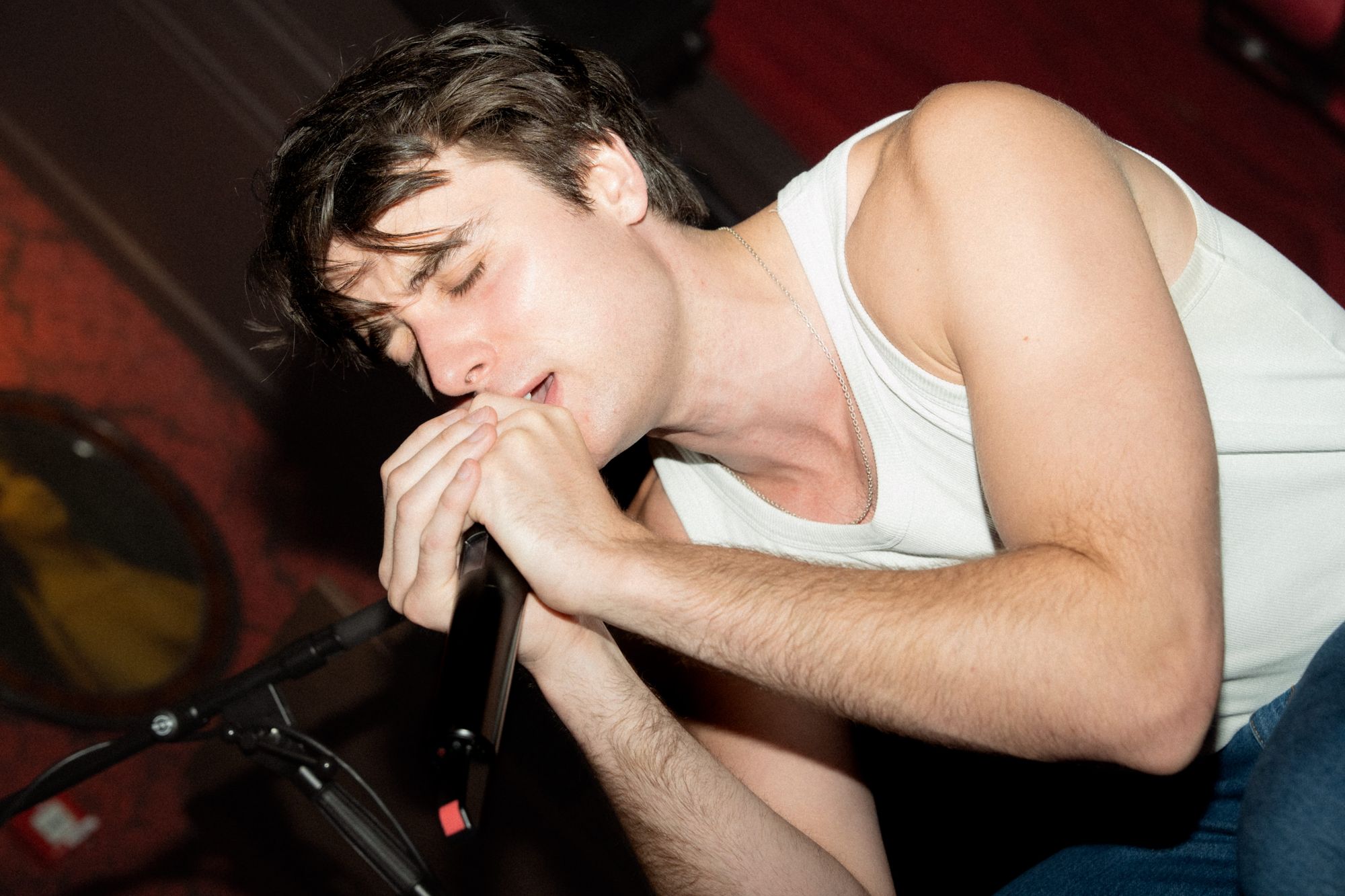
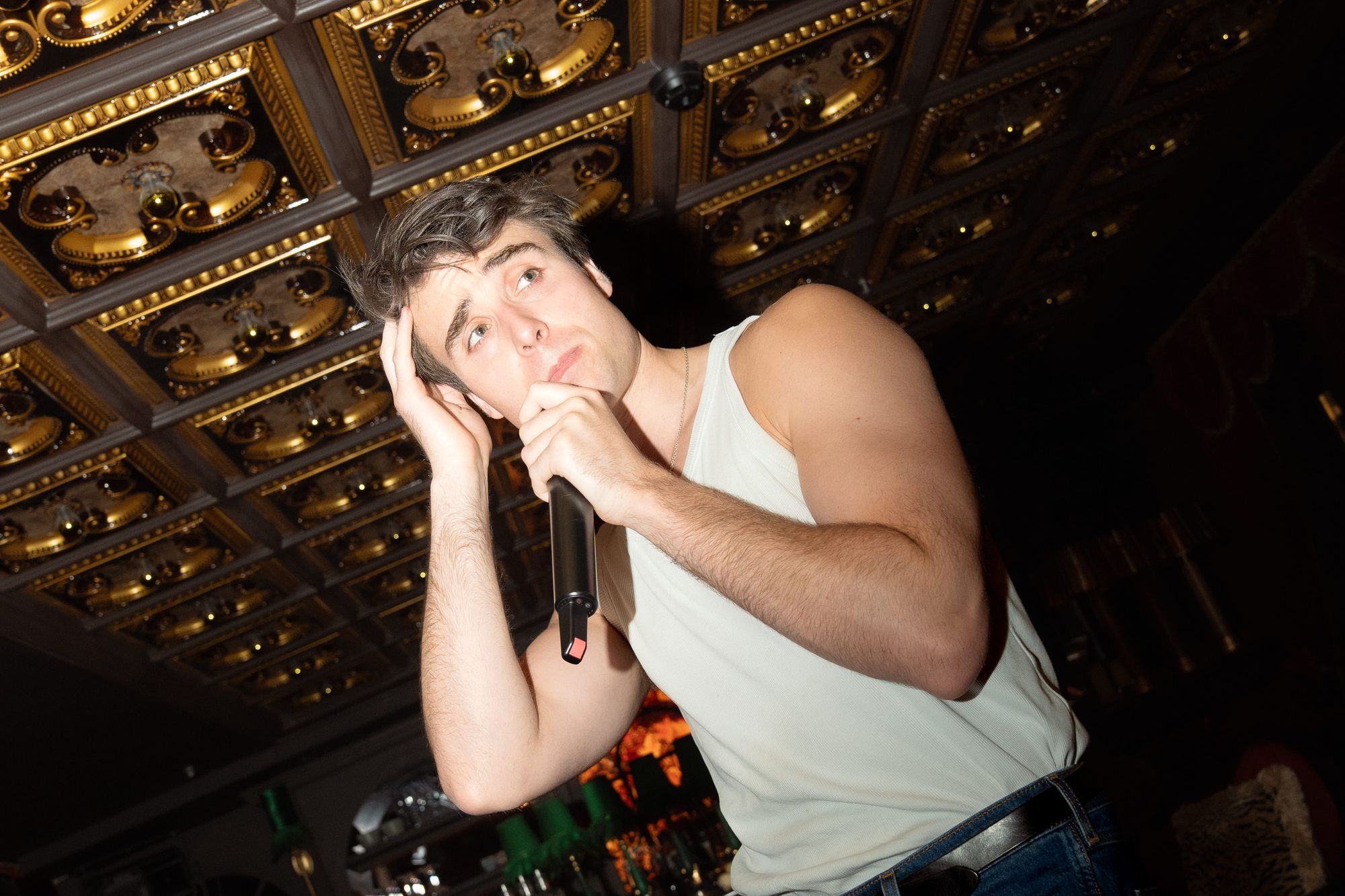
You’ve said before that you see yourself as an artist rather than strictly an actor or a musician. What does music allow you to express that acting doesn’t?
Music feels much more immediate. There’s a song I might play tomorrow that I only wrote two days ago. It speaks exactly to where I am right now. Acting doesn’t really work like that. You can spend months rehearsing something or filming a project, and then audiences won’t see it until a year or two later. Music allows for a kind of transparency and immediacy. You can write something today and share it almost immediately.
I genuinely love both disciplines, but Modern Oli is probably the closest thing you can get to understanding who I am. My acting work is about exploring somebody else’s story or character. Modern Oli is my story.
As an actor, you’re often telling someone else’s story. As a songwriter, you’re telling your own. Does that feel liberating or intimidating?
Ultimately, it feels liberating—and that’s exactly why I want to do it. Is it intimidating? Absolutely. But when I think about the artists who inspire me, I imagine they’d be the first people to admit that they were scared and didn’t always know what they were doing. Risk is often part of meaningful artistic work.
What can be challenging is that people naturally want to know who songs are about or what specific experiences inspired them. But I try not to explain everything. A song isn’t a therapy session or a diary entry. It becomes something else once it’s shared. I’m much more interested in how listeners relate the music to their own experiences than in explaining the details of mine.
That’s the goal: creating something that allows people to reflect on themselves. That’s what makes it feel liberating.
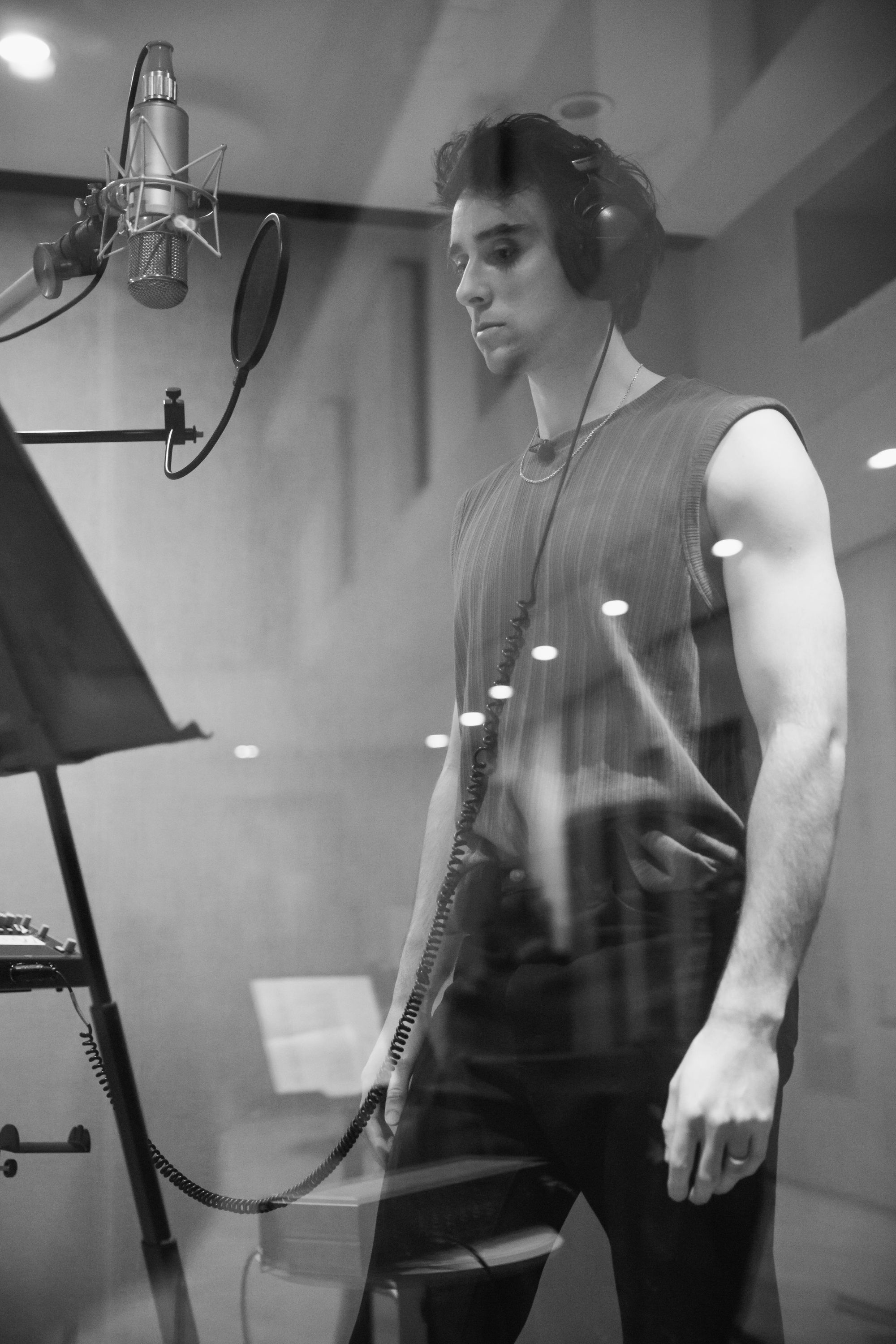
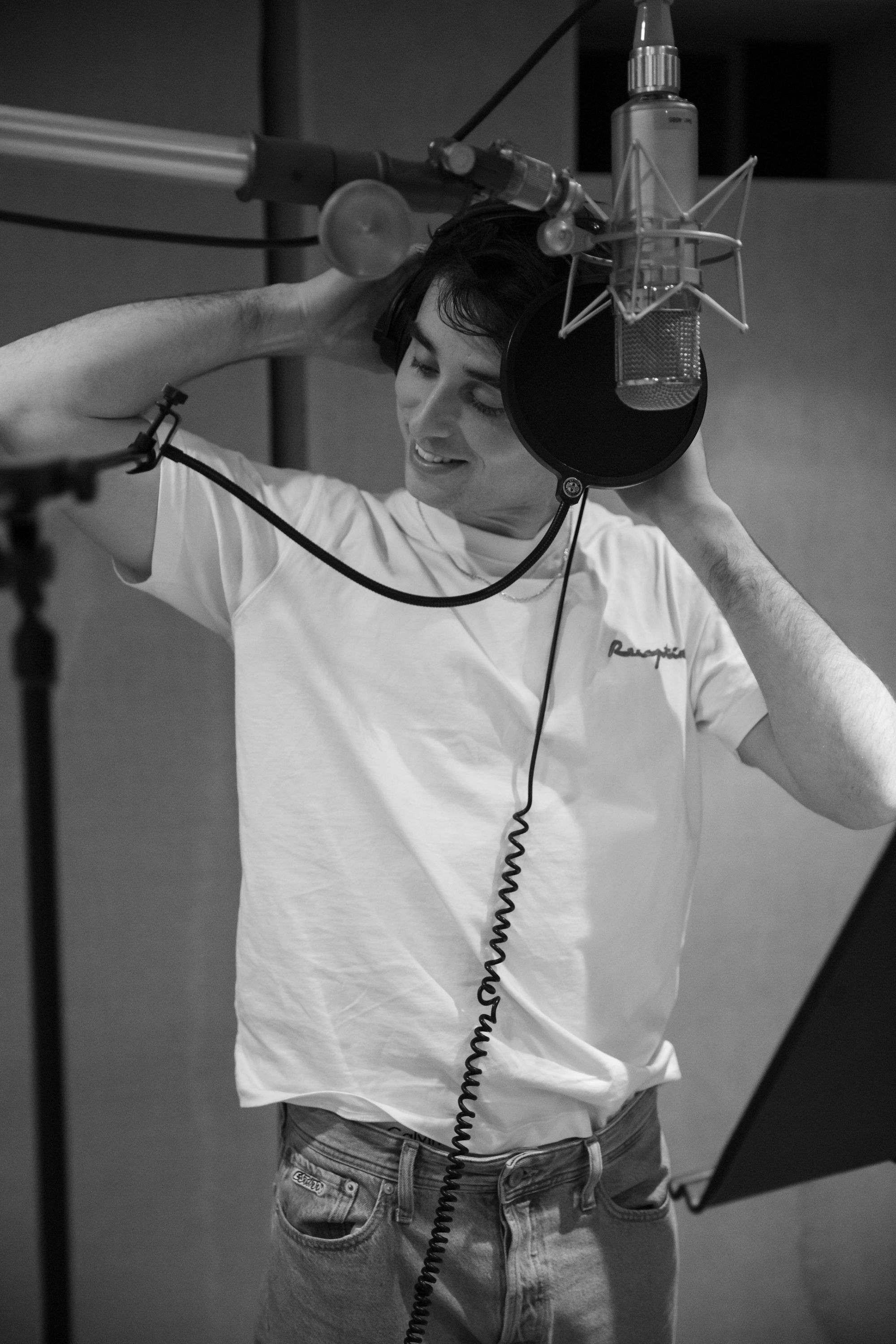
Let me ask you about your process. When you’re writing a song, what usually comes first: the melody, the lyrics, or an emotion?
I don’t really have a fixed process. It’s probably closer to artistic chaos. My phone is full of voice notes. I record ideas everywhere—in bed, on trains, on bikes, in restaurants. The best songs usually arrive when inspiration hits unexpectedly rather than when I sit down and decide I’m going to write. Sometimes it’s a piece of art, a sign, a conversation I overhear, or just a melody that suddenly appears in my head. I’ll immediately record it because otherwise it might disappear.
The hard part comes later, when you have to turn that small spark into a complete song.
I think the more inspiration comes from outside yourself, the better. If you overthink things, the work tends to suffer. The most authentic ideas often arrive when you’re simply paying attention to the world around you.
Do you ever experience the equivalent of writer’s block—a blank page syndrome?
Thankfully, not really. Part of that is because nobody is forcing me to write. I’m not signed to a label, I’m not being commissioned to produce songs, and I don’t have deadlines. I’ve never sat down in front of a blank screen and thought, “I need to write something today.” It’s usually the opposite. I have an idea that I urgently need to get down before I forget it. Touch wood, I actually feel like I have too much material rather than too little. That’s one of the joys of being an independent artist.
A lot of people discovered you through Bridgerton, but Modern Oli seems to be a way of showing audiences who you are beyond any character. What do you hope people learn about the real Oli through your music?
To be honest, what excites me most isn’t simply expressing myself. Growing up, there were so many moments when music made me feel understood. I’d put on headphones late at night and hear an artist articulate something I couldn’t express myself. It made me feel less alone. What gets me up in the morning is the possibility that I could be that person for someone else. If somebody, at any age and at any point in their life, listens to one of my songs and thinks, “He gets me”, that’s the greatest thing I could hope for.
That feeling gives me purpose. It’s the reason I make music.