


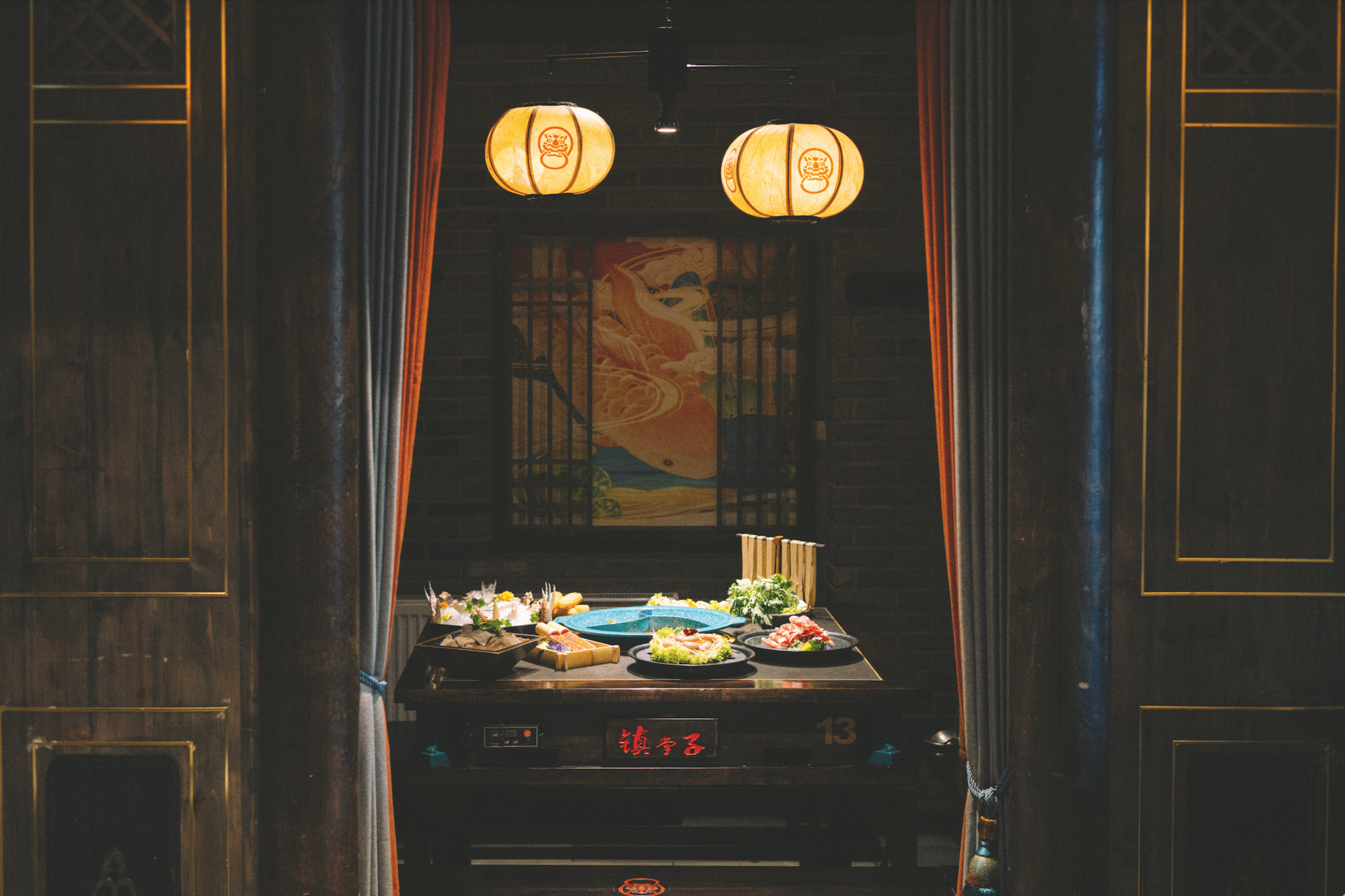
“There is heaven in food,” goes the Chinese saying. And wherever they live around the world, Chinese communities are steadfast in preserving their culture, culinary heritage and rituals — a living legacy passed down through generations. Here in Budapest, there are hidden pockets where you can, for a day at least, feel as if you’ve been gently transported to China.
Author: Kamilla Nagy
My fiancé is of Chinese descent. Over time, it has become second nature for us that no matter where we find ourselves in Europe, one constant remains: we will always seek out the nearest Chinese shop or restaurant — and find something familiar. More than familiarity, there’s continuity. That warm, grounding sense of belonging has a way of catching up with you — wherever you are.
But what allows Chinese culture to maintain such remarkable continuity across continents and decades? Perhaps the answer lies in its sheer depth: the history of China spans nearly 5,000 years. Once referred to as Zhongguo (中国), or the “Middle Kingdom,” China long considered itself the cultural and cosmological centre of the world. And to this day, the collective spirit remains deeply embedded: in Chinese society, community and family often take precedence over individual pursuits. For those who move abroad — often without full command of the local language — this interdependence becomes essential. In unfamiliar settings, the instinct to support one another only deepens.
Until quite recently, Budapest’s Chinese communities — and its Chinatown — remained quiet enclaves, largely unknown to the wider city. But over the past few years, the shift in local restaurant demographics tells a new story. More Hungarians are discovering Chinese cuisine — and perhaps, through it, finding a distant echo of shared Eastern ancestry. Hungary and China have maintained diplomatic relations for nearly 75 years, and the Chinese population here is now estimated at 20,000 to 25,000.
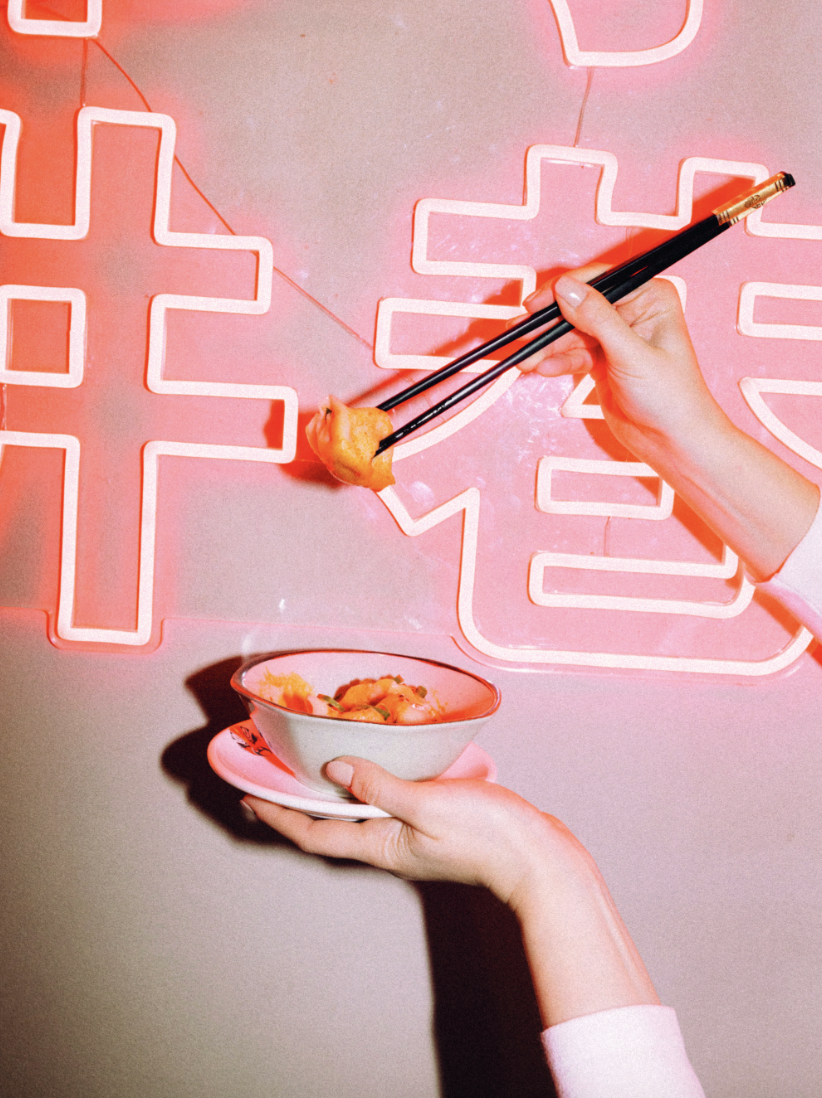
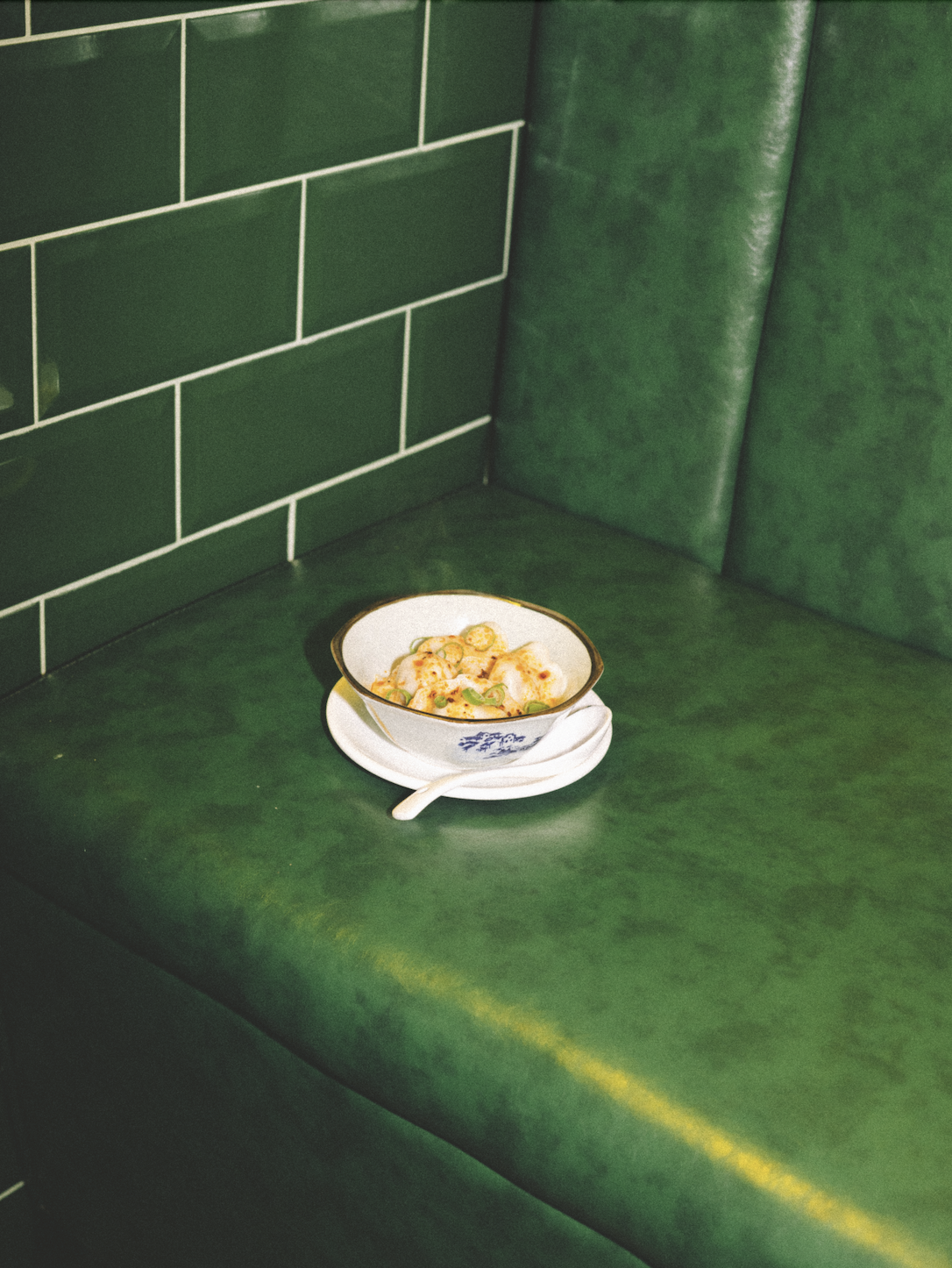
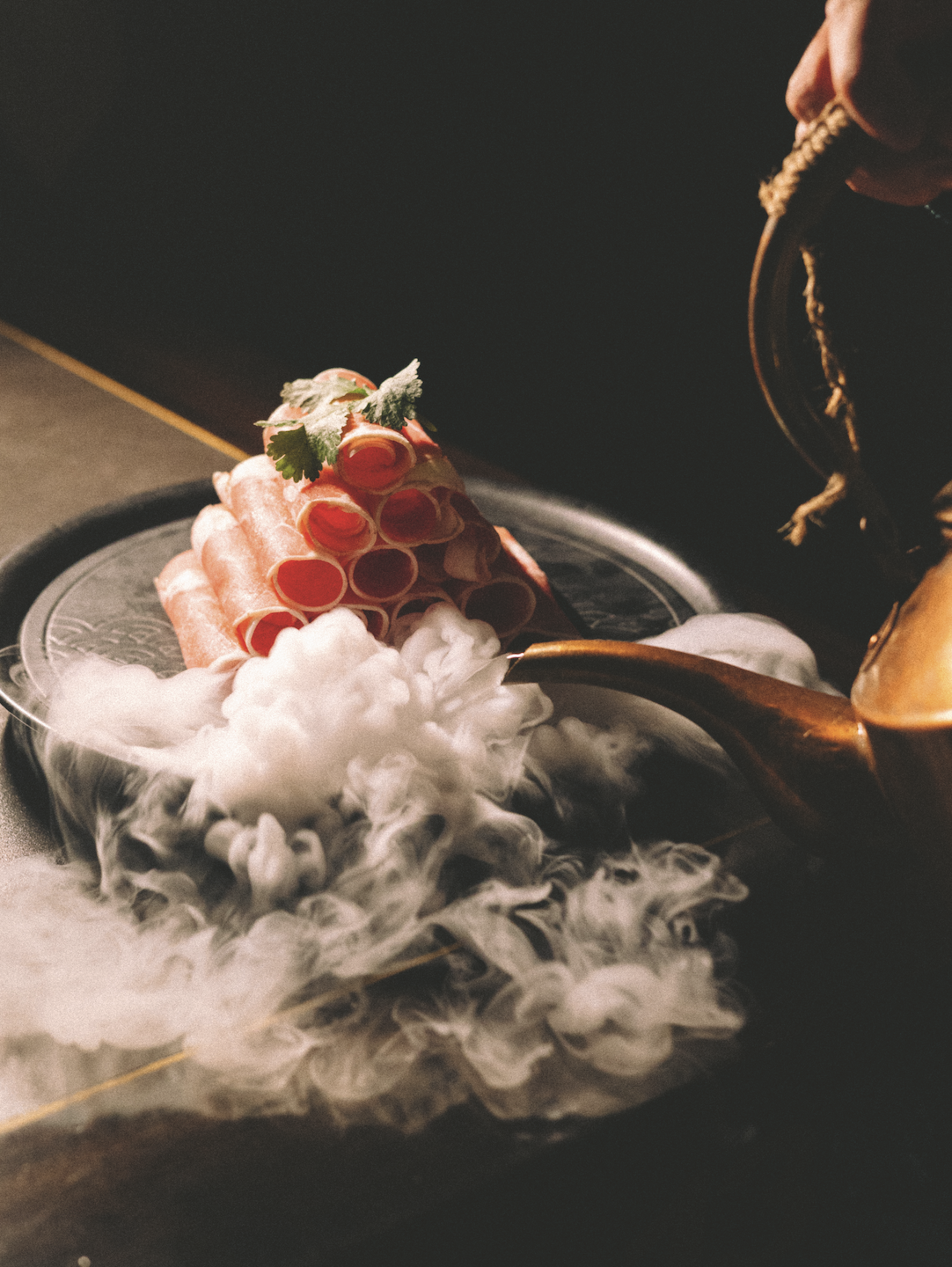
For many, food is simply sustenance. In China, it is also a language — of care, affection, identity. To feed someone is to show love; to accept food is to affirm connection. Among family and friends, meals are offered, gifted, shared — not merely consumed. It is not unusual for entire relationships, both personal and professional, to be structured around food. Even business deals are often concluded not in boardrooms, but over hotpot.
From a European perspective, these meals can seem highly ritualised — and they are. Dinners unfold with structure, intention, and not infrequently, with a bottle of baijiu, the traditional Chinese rice liquor, passed between glasses. The unspoken goal is always the same: that everyone leaves the table feeling nourished — body and soul.
For anyone who has travelled through China, gastronomic culture shock is almost inevitable. It is not just the flavours, but the scale of variation. China's geographic vastness and social complexity have given rise to a culinary landscape of dizzying diversity. There are eight major regional cuisines — and countless hyper-local dishes tied to a single city, valley or village. In truth, there is no singular “Chinese food” — only Chinese foods, plural.
In cities and towns alike, food is woven into the rhythm of life: baozi steamed at sunrise, noodles served through the night, bakeries and snack stalls that never seem to close. (Though a note for the uninitiated: in many parts of China, the term “village” might still mean 200,000 inhabitants.)
So why this deep cultural bond with food? The answer, in part, is historical. Over the centuries, China has endured multiple periods of famine — the most recent during the 20th-century Communist regime. Many older generations grew up with hunger. In this context, food became more than nutrition. It became a symbol of luck, of family well-being, of hard-won abundance.
It’s little wonder, then, that food now occupies such a central role — not only in daily life, but in language, customs, and memory. Entire symbolic systems have evolved around what is eaten, when, and why. Over time, these meanings have imprinted themselves on the collective psyche — reminders of survival, resilience, and kinship.
In Hungary, a common saying goes: “We do not live to eat; we eat to live.”
In Chinese communities, this would likely earn a soft smile — and polite confusion. Because for many Chinese families, to eat together is to live well. And that shared meal is a kind of vow: to never let go of one another. Whether prompted by language barriers or simple proximity, the result is the same — a model of mutual care. A recipe for endurance. And perhaps, something from which we all could learn.
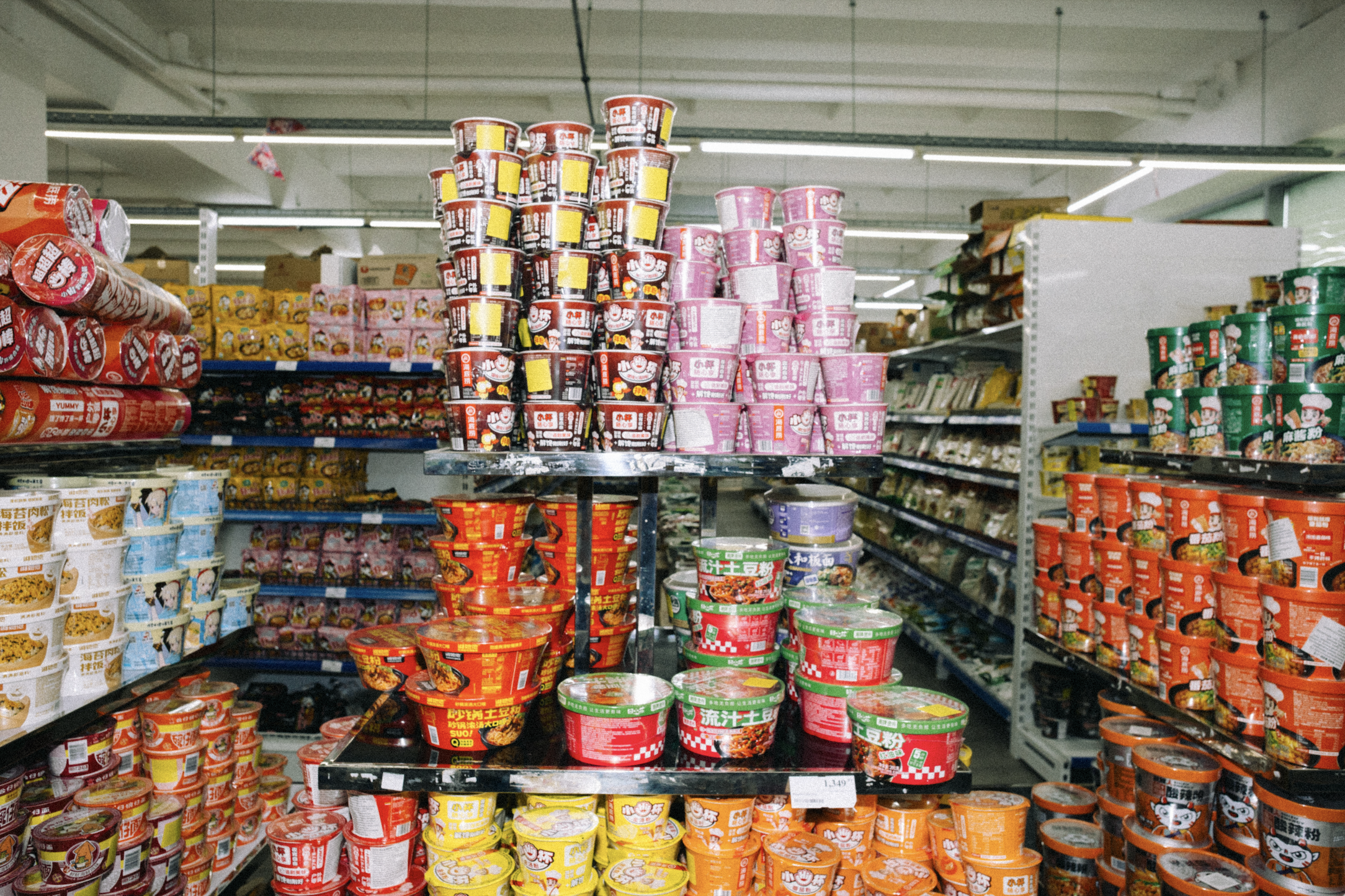
HOT SPOTS:
Fortunately, you don’t have to travel halfway around the world to experience this culture. Thanks to Budapest’s vibrant Chinese community, the city offers a remarkable cross-section of regional Chinese flavours — if you know where to look. Here’s a subjective guide to some of the best places to start.
Chinatown Budapest
📍 1107 Budapest, Jegenye utca
- InTown Hotpot
- Mandarin Grill & Hotpot
- Panda Hotpot Budapest
- HeHe Restaurant
- DaBao Jiao Zi
- Spicy Fish
- Tai He Lu
- Master Wang Eastwin
- Duna Panda
Taiwan Restaurant
📍 1097 Budapest, Albert Flórián út 3/B
Asian Street Food Budapest
📍 1076 Budapest, Thököly út 18.
Chinatown Restaurant
📍 1081 Budapest, Népszínház u. 15.
Photos: Dániel Gaál