


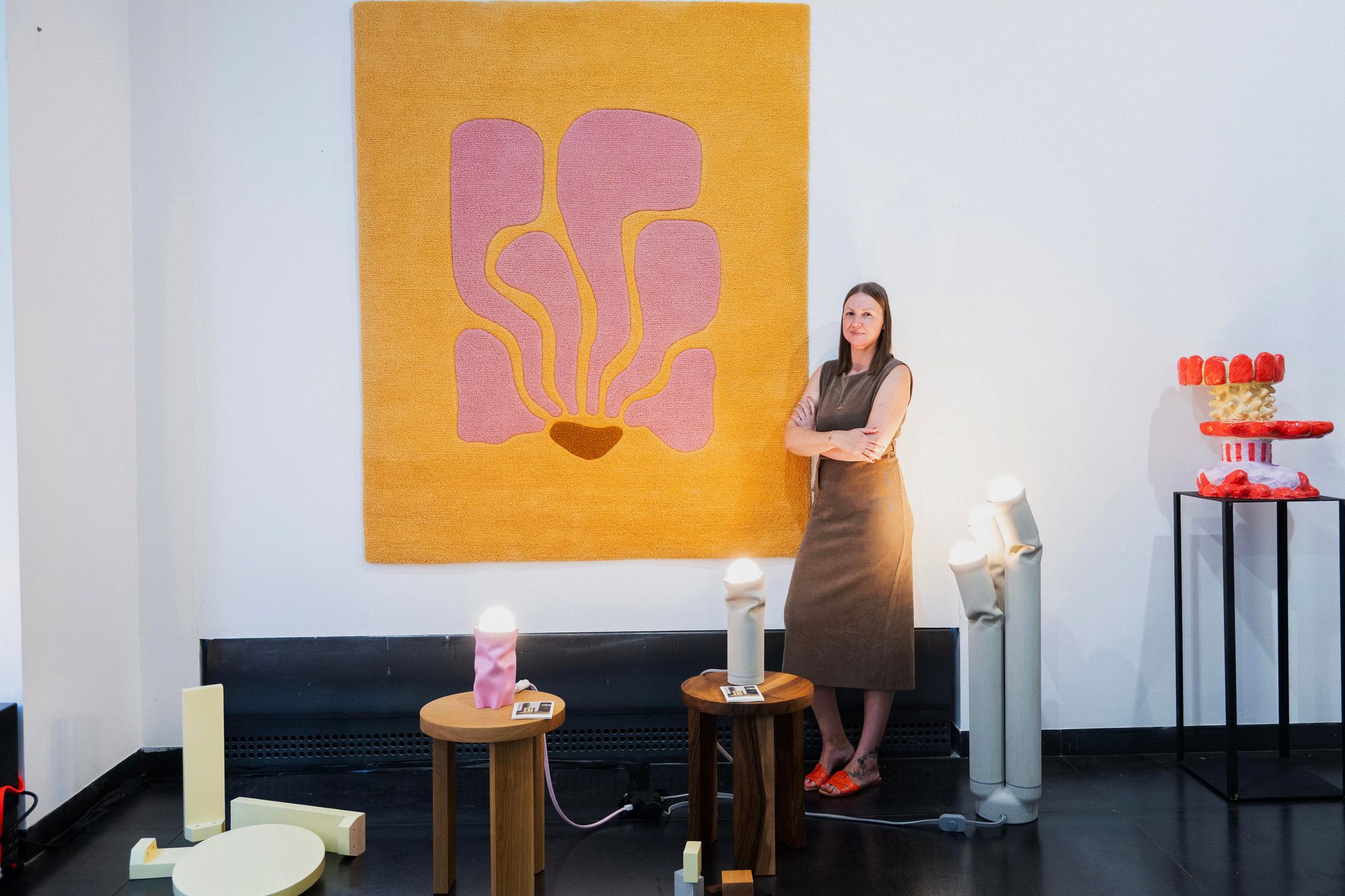
What makes one piece of furniture become a family heirloom while another ends up as waste after only a few years? We spoke with Mariann Kollár, founder of Fabrika and curator of the exhibition Is Our Past Our Future?, about the culture of repair, the true value of vintage, and why the objects of the past may hold the key to a more sustainable future.
The title Is Our Past Our Future? already sounds like a statement in itself. What do you think: amid today's sustainability and consumption crises, is it really worth looking back at the material culture of the past for solutions?
The material culture of the past serves as a mirror today, and it is worth examining in the midst of the current consumption crisis. Throughout history, objects were designed to be repairable and, whenever possible, made from locally sourced materials. Traditional objects were largely made from natural materials such as wood, stone, clay and leather, thereby reducing their ecological footprint. If something broke, its individual components could be replaced, or the object itself would be repurposed. These practices offer valuable lessons for the modern circular economy. The craftsmen of the past placed function and usability first, encouraging moderate and conscious consumption.
When it comes to furniture, the material culture of the past offers a practical answer to today's mass-produced furnishings. A significant proportion of contemporary furniture is made from particleboard and synthetic adhesives, making it difficult or impossible to repair. These products have a short lifespan and generate substantial amounts of waste. Traditional furniture making, by contrast, is a model of sustainability, as these pieces were made of solid wood and were designed to be repaired.
One of the exhibition's central themes was heritage. Why do you think we preserve certain objects across generations while replacing others without a second thought? What turns an object into heritage?
The central theme of the 2026 Recycled Design group exhibition at Hybridart Space was the preservation of value and recycling. Unfortunately, modern society has become disconnected from the true value of objects, largely due to the "buy it and throw it away" mentality. Modern furniture and everyday products are deliberately designed with shorter lifespans; replacing them is easier and faster than repairing them.
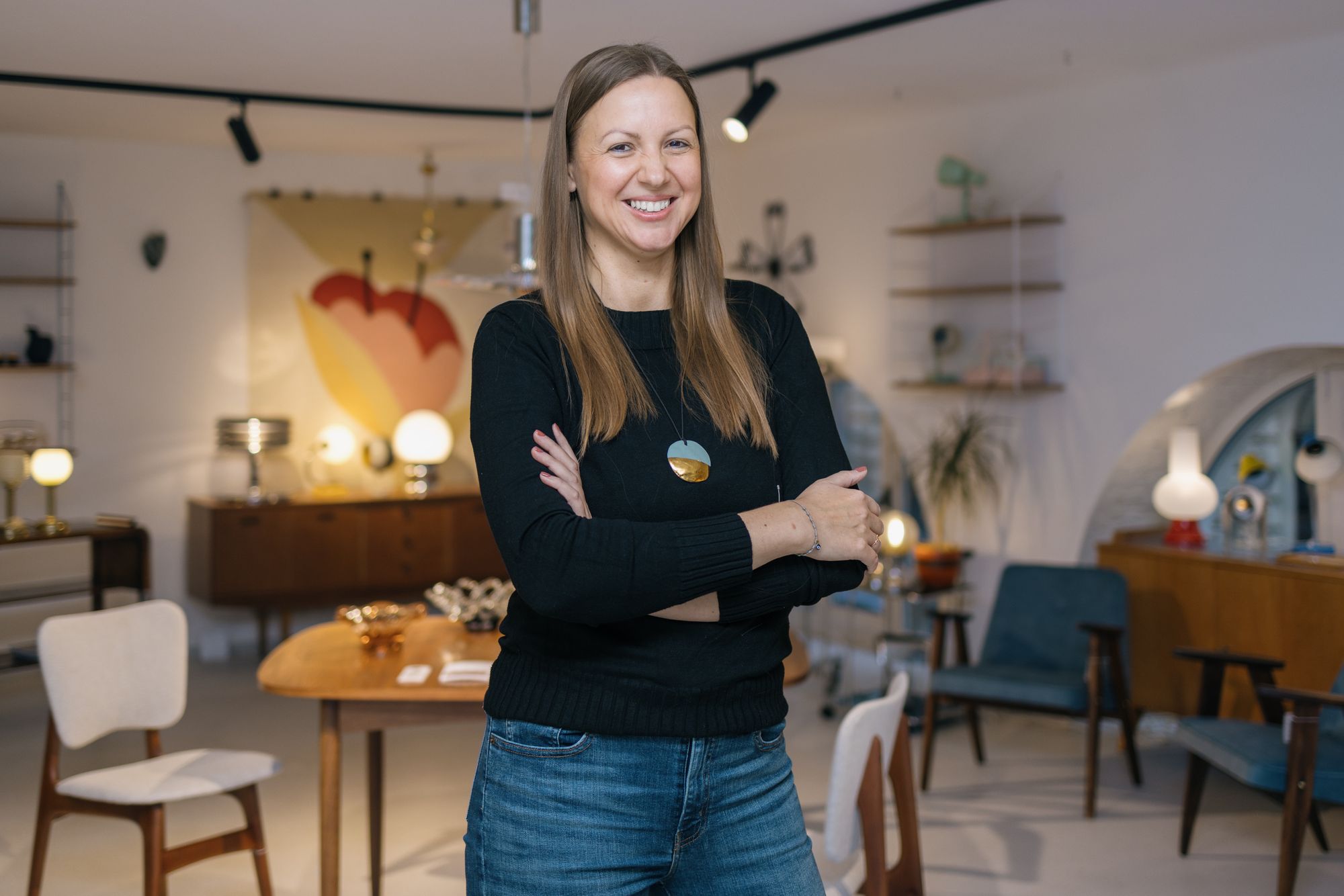
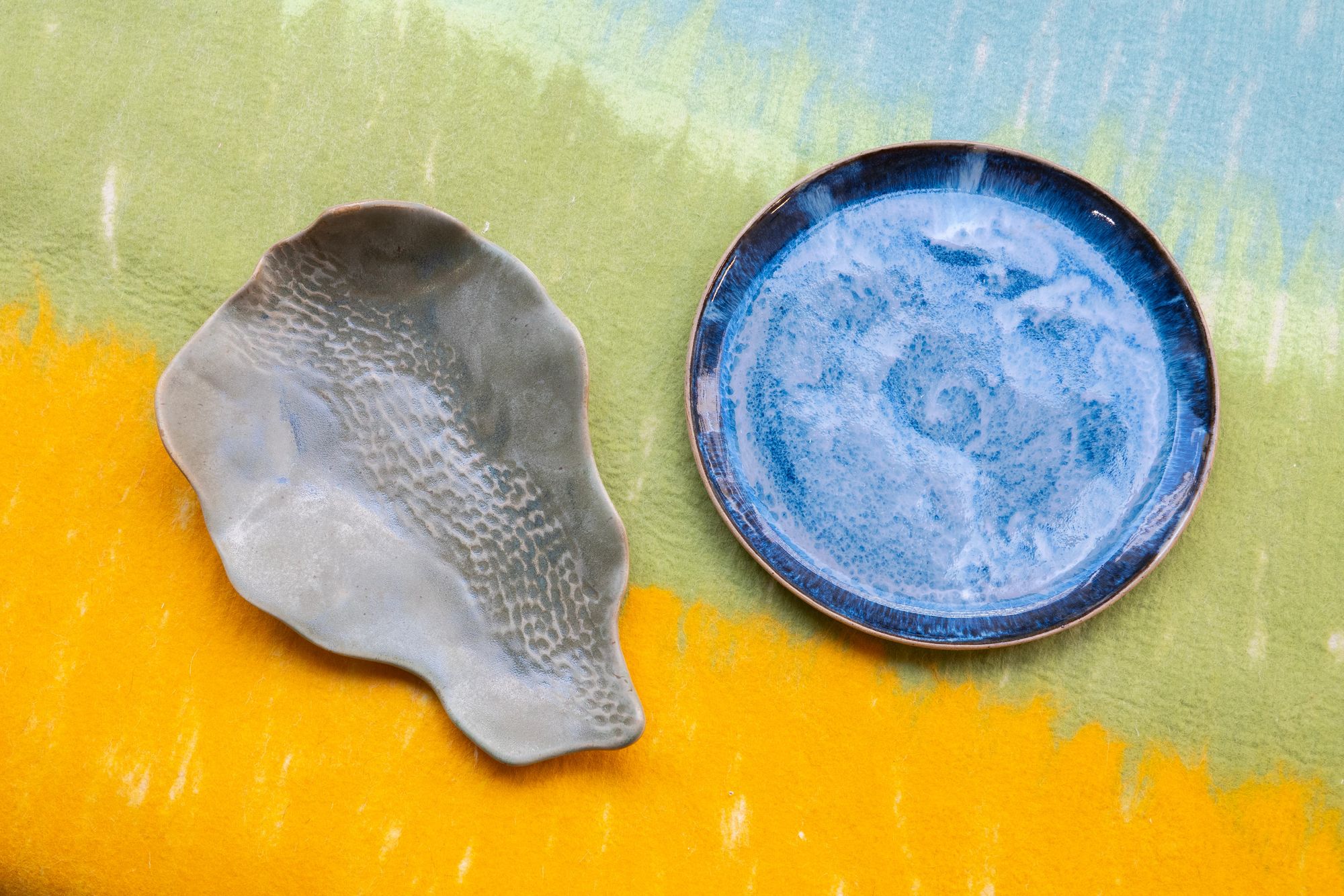
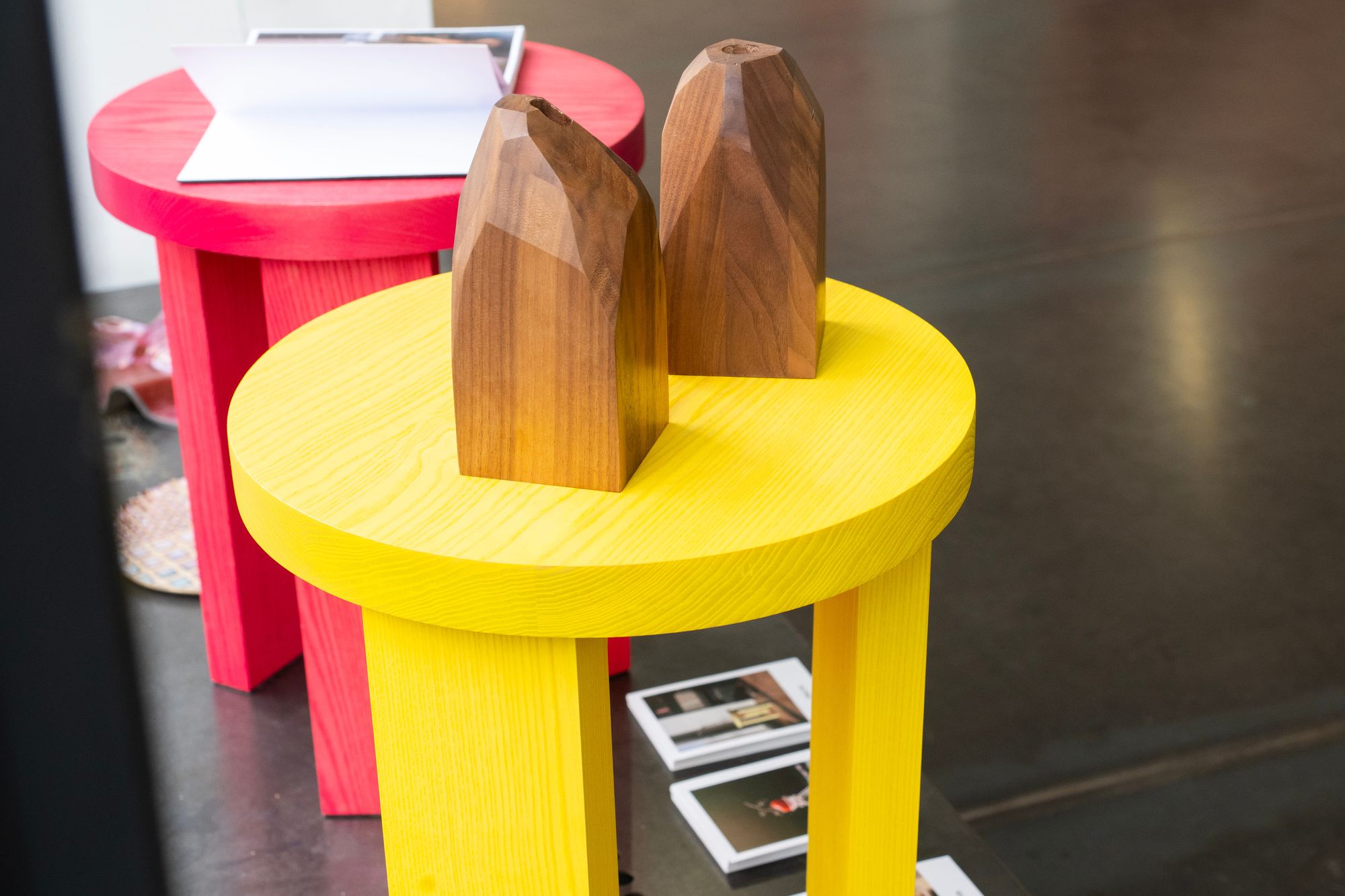
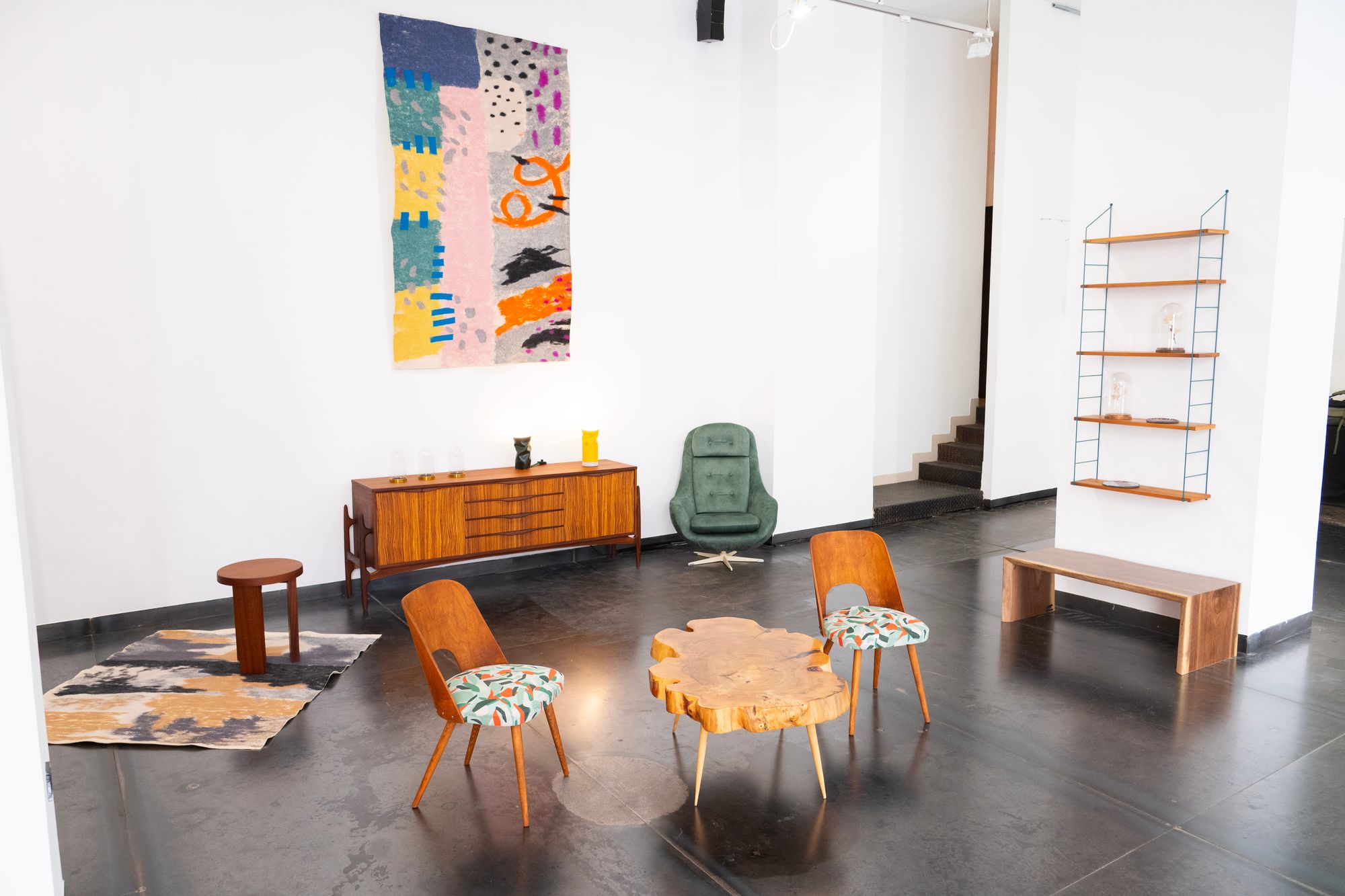
This year's exhibition focused on recycling and more sustainable interior design. As curator, I wanted to draw attention to the importance of giving objects a second chance. This mindset was reflected in the exhibited works, which can continue serving us for decades to come—from lamps made from PVC pipes that had rested underground for forty years, to tables crafted from fallen trees, sustainable wool rugs and modernised furniture from the last century.
Certain objects are kept for decades, often passed down within families from one generation to the next. They carry stories, which is why we become attached to them. At Fabrika, we receive requests every day from people who want to have their grandmother's treasured armchair restored and customised so that, thanks to professional restoration, it can continue to serve for decades. We can also consider as heritage those objects that represent the spirit of their era and industrial history, such as Bauhaus tubular steel chairs.
At the same time, there are objects that people want to get rid of almost without thinking. This is especially true of furniture, often because of lifestyle changes—homes have become smaller on average, and large, heavy antique pieces simply no longer fit into minimalist interiors.
Rapidly changing interior design trends also play a role. "Fast furniture" conditions consumers to follow the latest fashions, making older pieces seem like nothing more than waste. Another issue we often encounter at Fabrika is that people simply do not know where to turn for restoration, or they fail to see the potential in an object and what it could become. As a result, it feels easier to part with it. More than once, people have given us unwanted old furniture, only to later see photographs of the restored and reimagined pieces on our website and refuse to believe they were looking at the same object. We have even had clients buy back furniture they had previously considered unwanted.
At Fabrika, you work with furniture every day that has often survived several human lifetimes. What does that reveal about people's relationship with objects in the past, and what does it say about our attitude today?
Furniture from the last century often carries fascinating stories. We frequently find hidden messages inside drawers, old photographs, personal belongings or shelves carefully labelled to indicate what was stored on each one. These pieces clearly show that they were cherished and well cared for. You can see where people attempted repairs or repainted them to conceal scratches. Dining tables, in particular, often evoke vivid images of the past—you can almost picture someone fastening a hand grinder to the tabletop to grind walnuts, with the small indentations still bearing witness to that everyday ritual. The emotional attachment to these objects and the affection people had for them are unmistakable, as is the fact that they were used for many years. Sadly, these pieces rarely deteriorated through everyday use. More often, they were damaged because they were stored improperly once they were no longer wanted—for example in damp basements—or simply left out on the street.
Modern design often celebrates novelty, while vintage culture is all about reinterpreting existing values. Do you think the two are truly opposites?
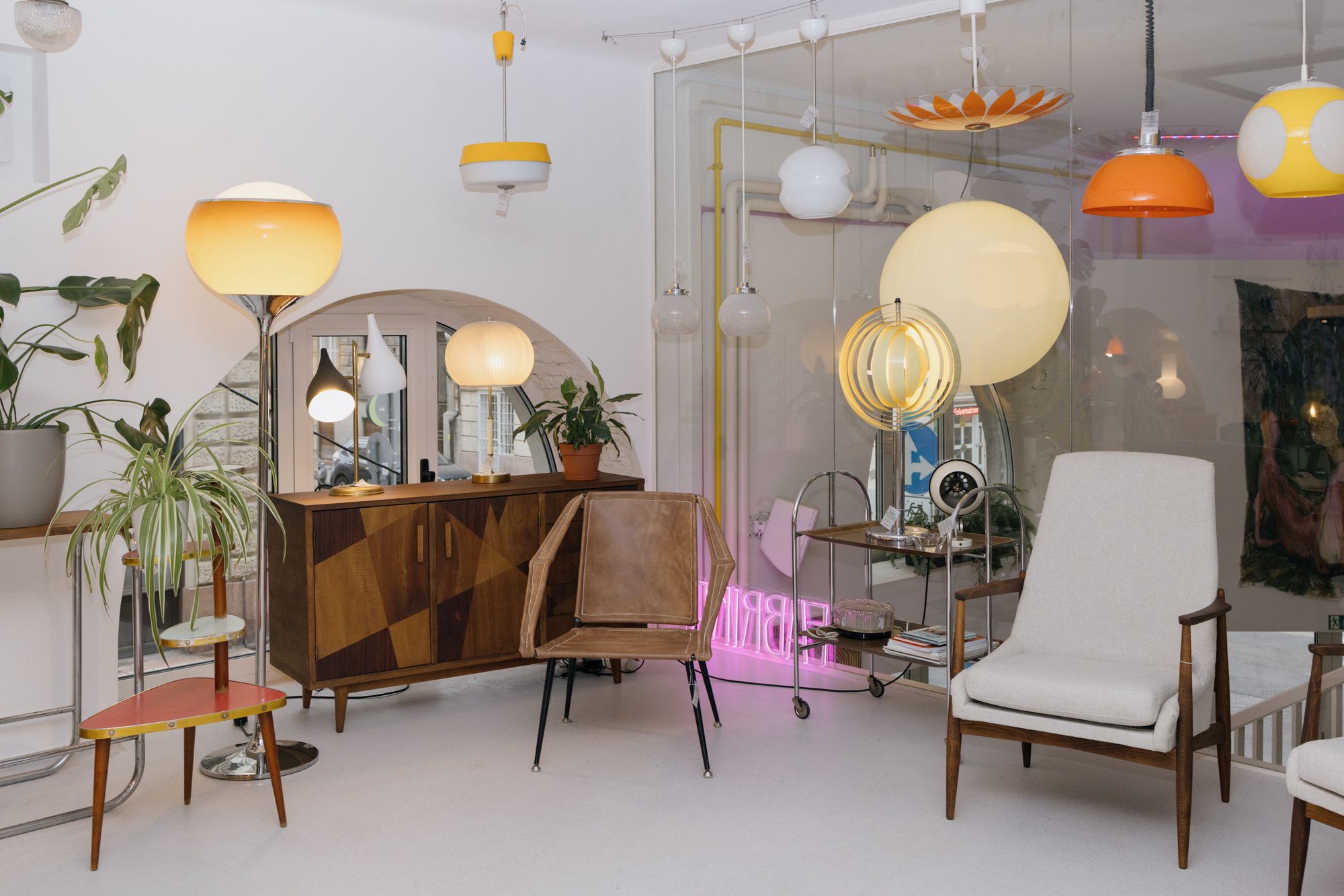
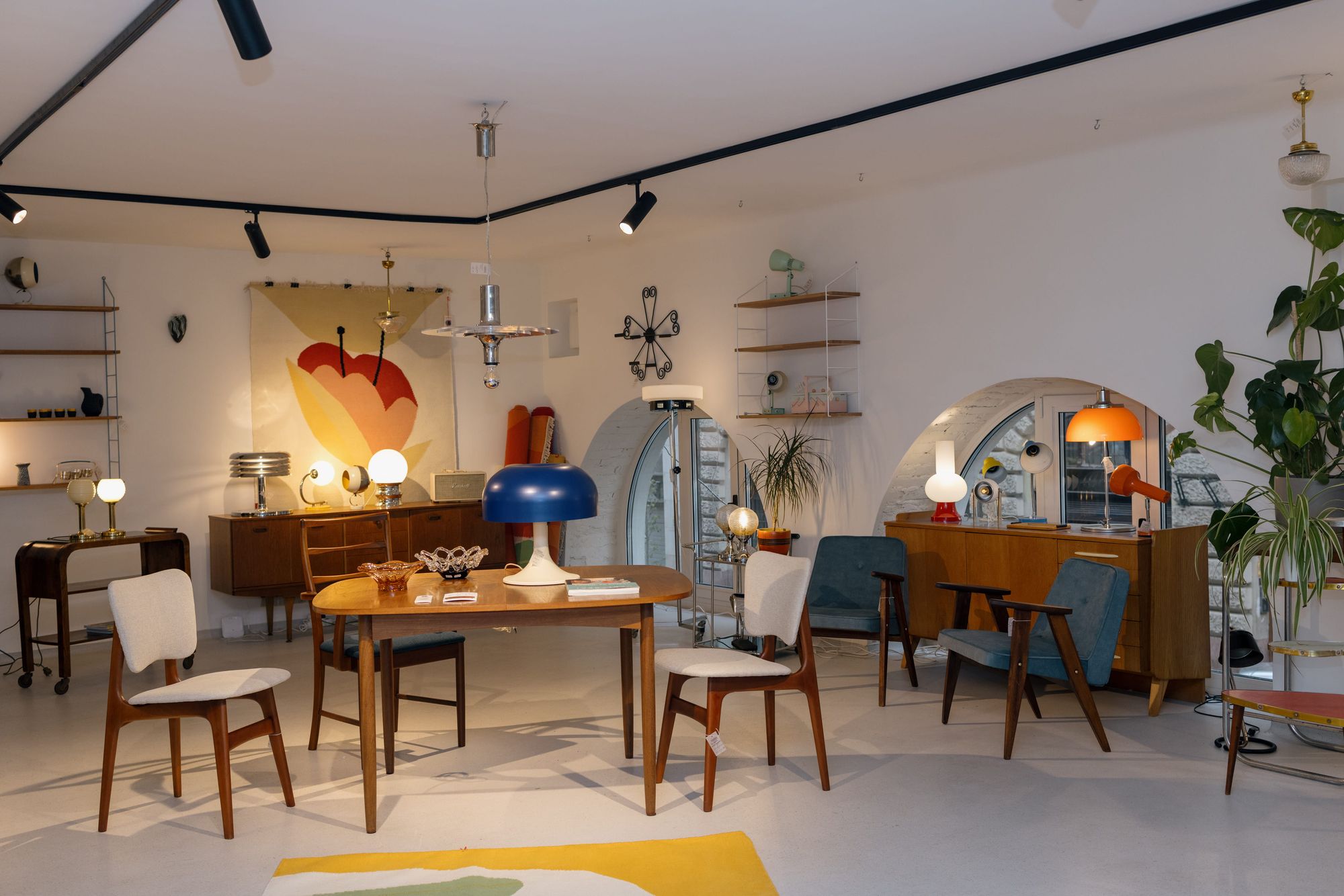
I believe they complement each other rather than oppose one another. Modern design emphasises new forms and new uses of materials, while mid-century design highlights durability and longevity. In contemporary sustainable interior design, these two approaches are now merging and going hand in hand. Recently, we organised a pop-up event at Fabrika precisely for this reason—to present these two worlds together in one space, alongside the furniture of Studio Object. Today's contemporary furniture almost without exception draws inspiration from the tubular steel furniture of the 1920s and from mid-century modern forms. The two therefore do not exclude each other; they depend on and complement one another. Without the values of the past, modern design would become rootless, while without a contemporary perspective, vintage would remain nothing more than museum nostalgia.
Today, restoring an old piece of furniture is often an aesthetic or even an identity-driven decision. What are people really looking for in a mid-century armchair or an antique chest of drawers: character, a story, or something else?
People are looking for the identity behind these objects, their timelessness and, most often, the stories they carry. When it comes to lighting, they are particularly fond of works by Hungarian designers that have since become iconic design objects, such as the lamps by Borz Kováts, Borsfay and Tibor Házi. These are iconic pieces that express the spirit of their era. In terms of materials, teak is one of the most durable woods, and during restoration it regains its original beauty. At Fabrika, we work exclusively with natural materials. We sand everything by hand and use linseed oil and beeswax for surface treatment. A mid-century armchair or chest of drawers not only adds unique character to interiors furnished with uniform, mass-produced pieces, but also represents an environmentally conscious and sustainable mindset. Above all, these objects have a soul.
In the case of many antique or retro objects, time does not diminish their value—it increases it. Why do you think certain objects are able to age with dignity, while others become culturally obsolete almost the moment they are purchased?
As time passes, it is only natural that fewer old objects remain. Over the years, many are destroyed or damaged. Those that survive become increasingly rare and more difficult to acquire, which increases the value of pieces that are sought after because of their materials or because they embody the cultural spirit of a particular era. Rarity alone, however, is not enough—an object must also possess design quality and cultural significance.
One of my favourite scenes is from the Hungarian television series Szomszédok, where the characters replace a chrome slatted floor lamp designed by Tamás Borsfay, saying, "Not only is it ugly, it's heavy too..." Had they known that today this lamp would be considered a collectible design object whose value increases year after year, they certainly would have kept it.
Another important aspect is that certain materials age beautifully and develop a patina. Leather becomes richer with time, wooden objects mature, while copper and bronze develop character. Other materials tend to deteriorate instead: adhesives fail, and plastics often become discoloured. There are exceptions, however. One example is the iconic Italian Harvey Guzzini Space Age lamps, favourites among lamp collectors, which were characterised by their colourful plastic shades. These can be carefully polished to restore their original shine, although unfortunately there is little that can be done about cracks or breaks. Nevertheless, these objects were designed with timeless forms rather than for a passing trend.
Other products, by contrast, are intentionally designed with short life cycles. Just think of a ten-year-old smartphone that is no longer compatible with anything, becomes increasingly slow and eventually has to be replaced.
As both a curator and a dealer, you work with the past and the future of objects at the same time. Do you think that among today's mass-produced furniture there will be pieces that, in fifty or a hundred years, will be regarded as cultural icons in the same way?
Yes, I definitely believe there will be. Pieces with a distinctive visual language that clearly express the character of their era have every chance of becoming future icons. It is also important that they are made from high-quality, repairable materials, and I do not necessarily mean luxury products. Even vintage IKEA models are now selling for significant sums—not because they were particularly rare, but because they perfectly capture the lifestyle of their time. I can easily imagine that, a hundred years from now, certain pieces of furniture that seem entirely ordinary today will become cultural icons of the early twenty-first century, just as we now look at a Scandinavian armchair from the 1960s.
Studio Fabrika: 1064 Budapest, Rózsa street 64. | web | Instagram