


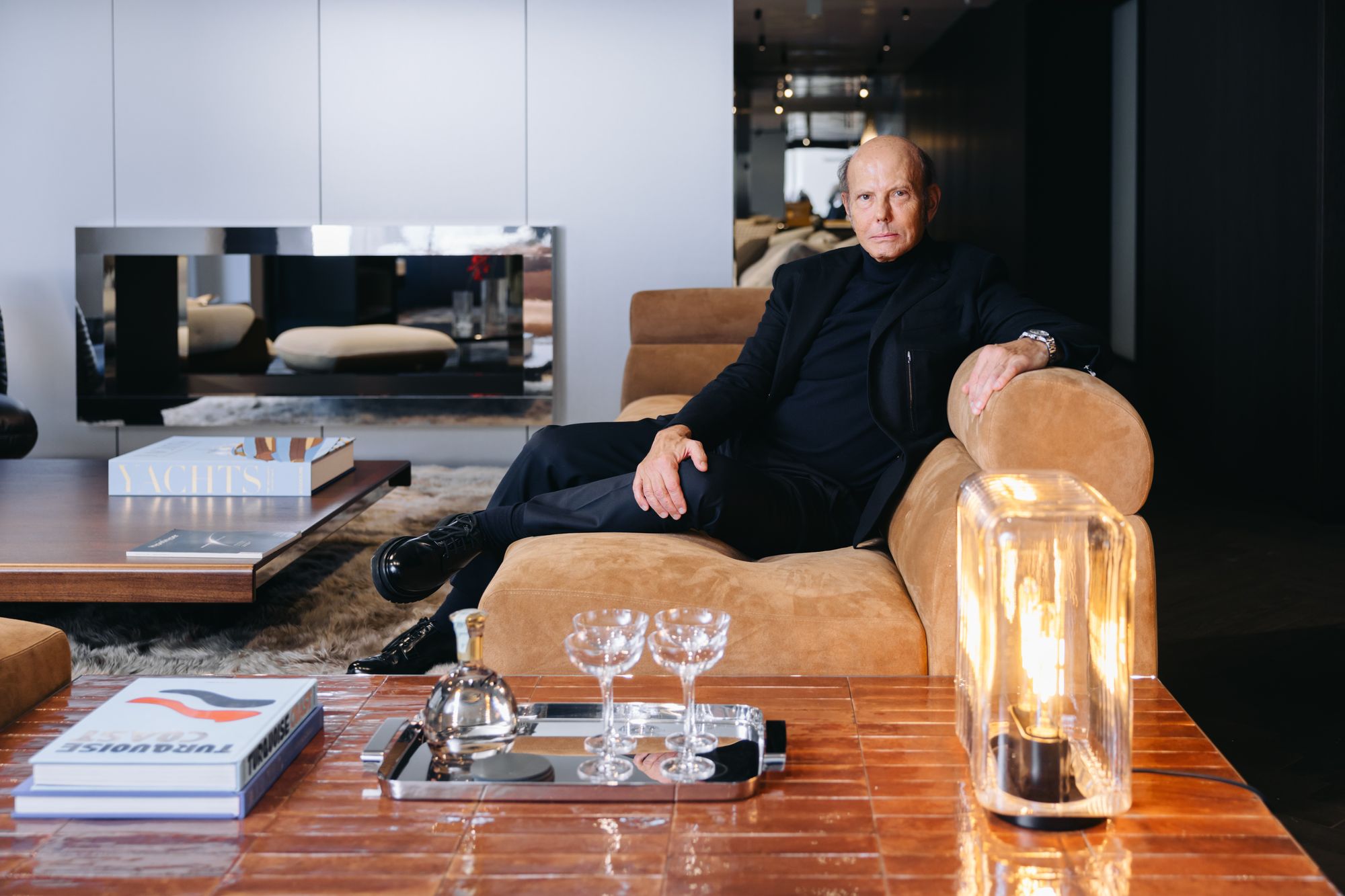
Today, the name Minotti is synonymous with understated luxury, the last great masters of Italian craftsmanship, and the refined rhythm of the global design market. Renato Minotti visited Budapest for the opening of the new Minotti flagship store by Code — and on this occasion he spoke about how the brand’s iconic identity has been shaped, why diverse and international design teams have become essential, and what luxury means to him when it is defined not by logos but by personality.
Let’s start from the very beginning. What was it like growing up in a workshop? What memories do you have of your father Alberto Minotti’s atelier? My father, Alberto Minotti, founded the company in 1948. He was a passionate man who loved his work, and he passed down this passion to me and my brother Roberto. He taught us that running a company requires more than creativity: production, quality control, service, logistics — all of these are just as important. He used to say that a promise is only worth as much as your ability to keep it — and that became the foundation of the Minotti philosophy.
As a child, was it evident that you would one day take over the family business?
I started working with my father early, at the age of 23. We worked together for eleven years, until 1991, when we suddenly had to take over the company. I worked in many areas: sales, production, development. Those years prepared us to stand on our own.
What was the first major decision you and your brother made after taking over the company?
The most important decision was made in 1996: we decided to begin international expansion. Maison&Objet in Paris was our first major fair, followed by IMM Cologne. These events allowed us to build a foundation in the European market. The second major step was expanding into Asia — with a strong focus on China.
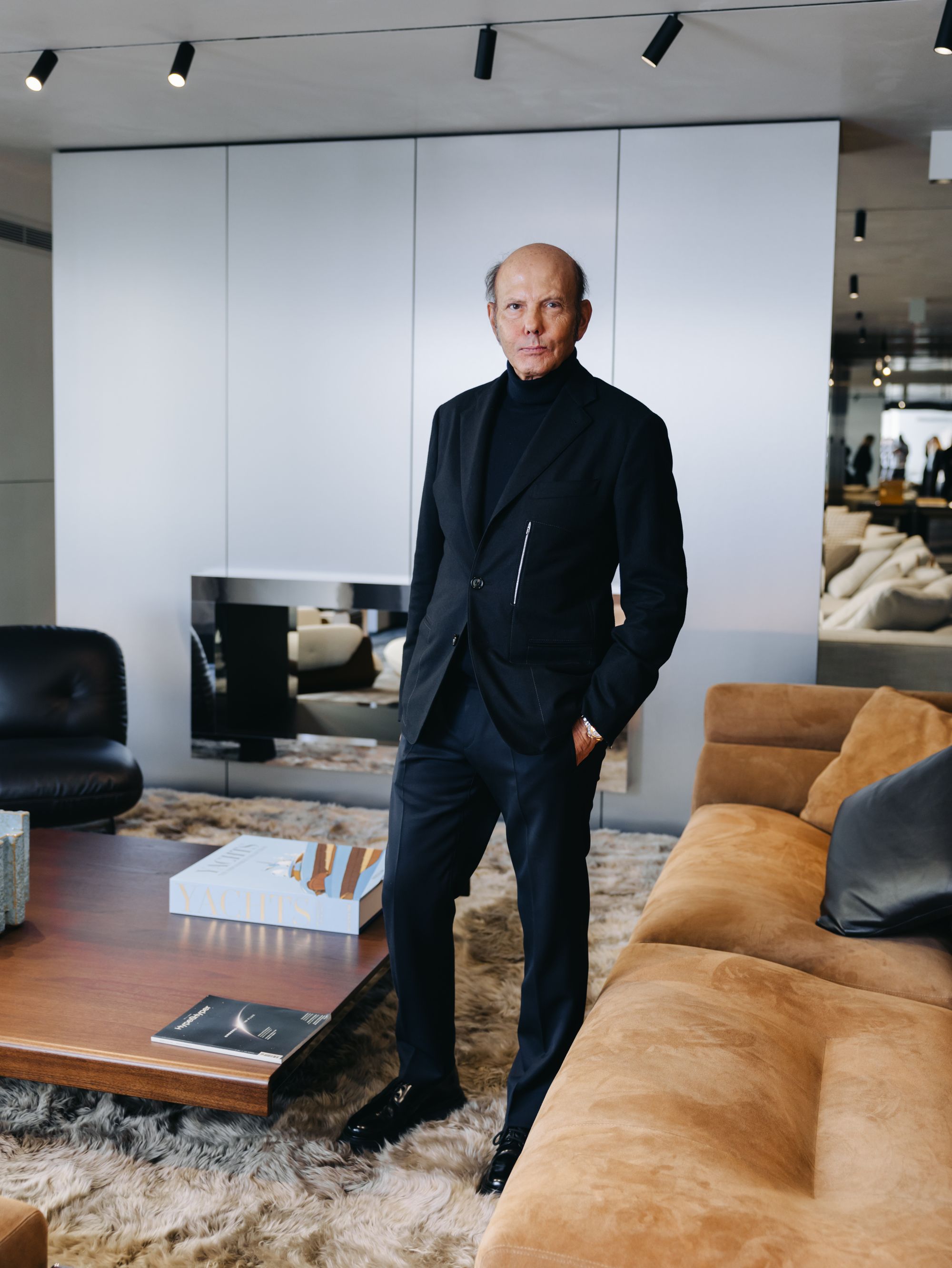
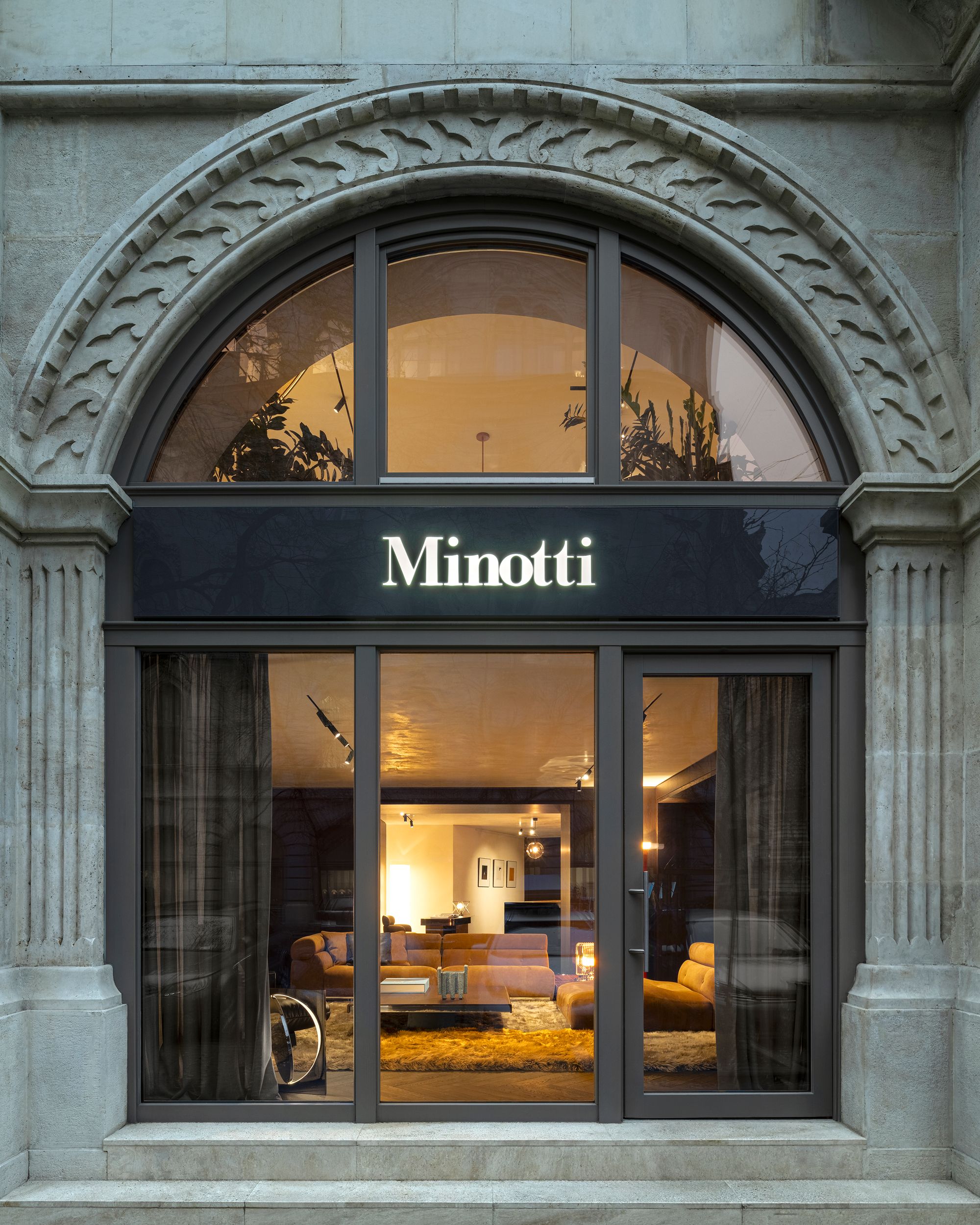
Today Minotti is well known for its monobrand stores — shops dedicated exclusively to one brand, allowing you to present the Minotti world as authentically as possible. How did this strategy come about?
We wanted to enter the Asian market with a strong monobrand network. Today there are 75 Minotti monobrand stores worldwide, more than 40 of them in Asia and China. But design alone is not enough: we had to build a massive logistical infrastructure behind it. When a customer places an order, they don’t receive a sofa, table, and chairs separately — everything arrives in one perfectly coordinated shipment. This level of service is one of our greatest strengths.
You now work with numerous international designers. How is this creative ecosystem structured?
In today’s world, a single art director is no longer enough — trends change too quickly. That is why we built a diverse, culturally varied international design team. We work, for example, with
Marcio Kogan, founder of Studio MK27, who brings a clean, contemporary vision;
GamFratesi, an Italian–Danish duo with an exceptional sensitivity for detail; Nendo, or Oki Sato, who represents an entirely different, Japanese minimalist world; Giampiero Tagliaferri with his aesthetic approach reflecting the intersection of 20th century Italian design and Southern California modernism and Hannes Peer, constantly driven by his passion for experimenting with materials, textures and colours weaving between past and present; and of course, Rodolfo Dordoni, whose long-standing collaboration deeply shaped in the past, for more than 27 years, the brand’s heritage.
This diversity forms Minotti’s current identity: different cultures, different tastes, yet a unified character.
Is this what you call the “Minotti code”? How would you describe its essence?
Yes — the Minotti code is an approach in which different styles coexist harmoniously. Minotti has always been an understated, elegant brand. Not loud, not ostentatious. Personality lies in the details: in proportions, stitching, wood craftsmanship, the richness of textures. We don’t put large logos on our pieces. The style and quality speak for themselves.
In 1998, Rodolfo Dordoni became Minotti’s art director. How did he change the brand?
Dordoni was a defining figure. He created a refined, elegant, timeless design language that set the direction for many years. But the world changes, and a new generation is emerging — young people who studied in Milan, New York, Boston, and bring completely different influences. Minotti had to evolve as well — which is why we began building a more eclectic, more diverse creative vision.
What does timeless luxury mean to you?
Good taste — without excess. Luxury is not loudness. Durability, refinement, and the natural beauty of materials are far more important. The goal is for the customer to recognize the “substanza”: real quality, real personality.
How is Minotti able to preserve the quality of Italian craftsmanship on a global scale?
It’s one of our biggest challenges. It’s very difficult today to find good artisans. That’s why several generations work together in our company: we often hire the children of our best craftsmen so their fathers can pass down their knowledge. Craftsmanship cannot be learned from books — only through the relationship between master and apprentice.
As a family business, Minotti is now involving the third generation as well. What role do the younger family members play?
My son Alessio works in production and guides the textile and material research. , Alessandro leads the development of our international retail network — especially in the American and Asian markets, together with the sons of my brother Roberto, my niece Susanna that is Head of Interior Decoration and my nephew Leonardo that is part of the Product and Engineering department. What began as a family story forty years ago is now global, but our values remain the same.
Why do you say that Minotti is more than a furniture manufacturer — that it’s a lifestyle?
Because Minotti doesn’t just sell objects. It sells a feeling, an atmosphere, a certain quality of life. But this is only authentic if we stay true to ourselves: to quality, good taste, understated elegance. Lifestyle, for us, is not marketing — it is identity.
Minotti arrives in Budapest: a new flagship showroom opened on Szabadság Square

The world-renowned Italian design brand Minotti has opened a new chapter in Central and Eastern Europe: its first Budapest flagship store by Code has launched on Szabadság Square, on the ground floor of a nearly century-old building. The 300-square-meter space brings contemporary elegance, timeless aesthetics, and the brand’s characteristic refined restraint to the Hungarian premium design scene. Minotti Budapest by CODE is more than a showroom — it is a design destination, where the brand’s iconic pieces and the newest models from the 2025 collection — including the Coupé sofa, the Laurel and Libra armchairs, all by Giampiero Tagliaferri, and Hannes Peer’s Riley sofa — together define the essence of the Minotti lifestyle. Wenge-stained oak, travertine details, and floor-to-ceiling windows create an atmosphere that is both intimate and grand. The decades-long partnership between CODE and Minotti now culminates in this newly opened design hub in the heart of Budapest.
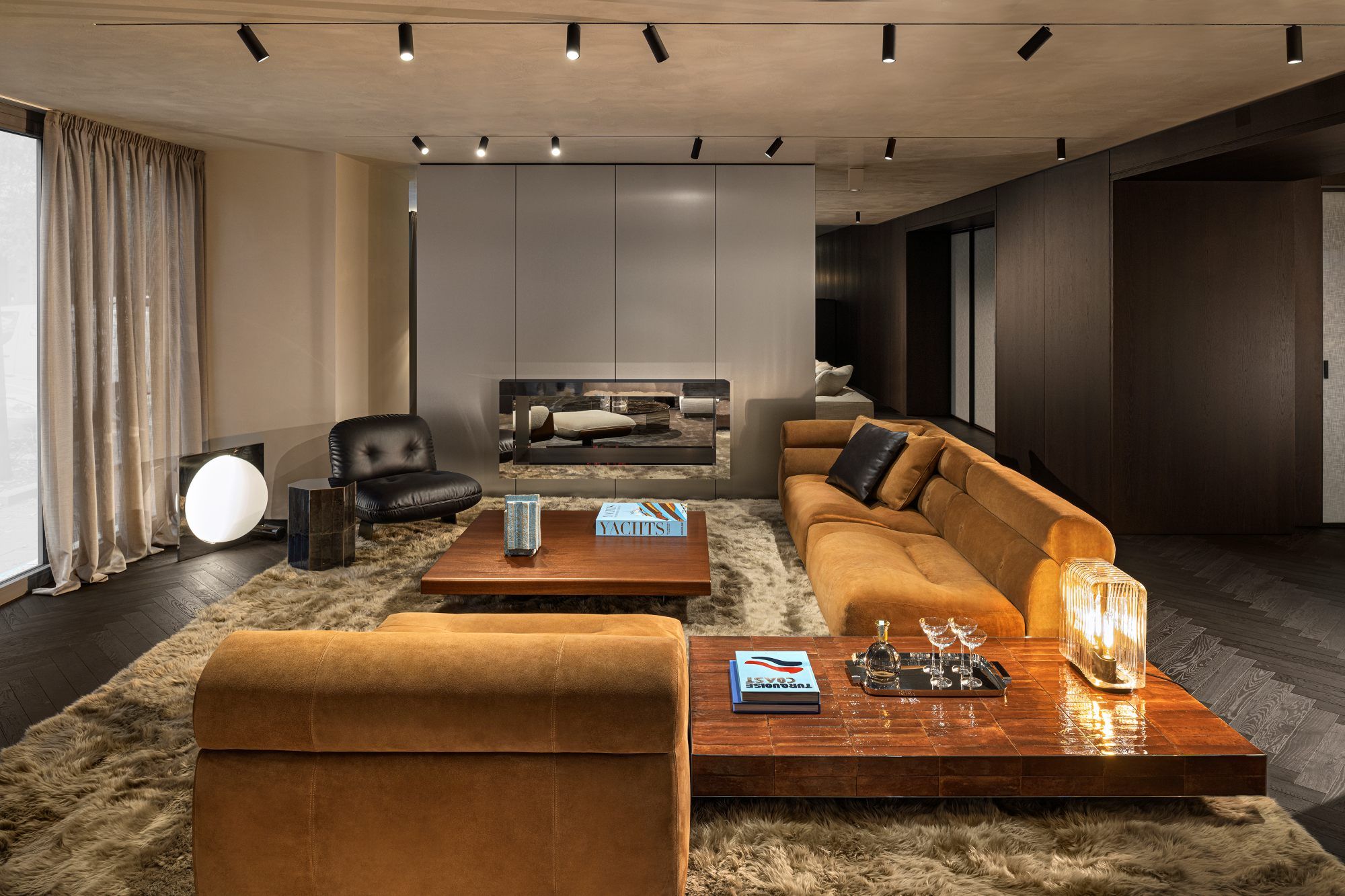
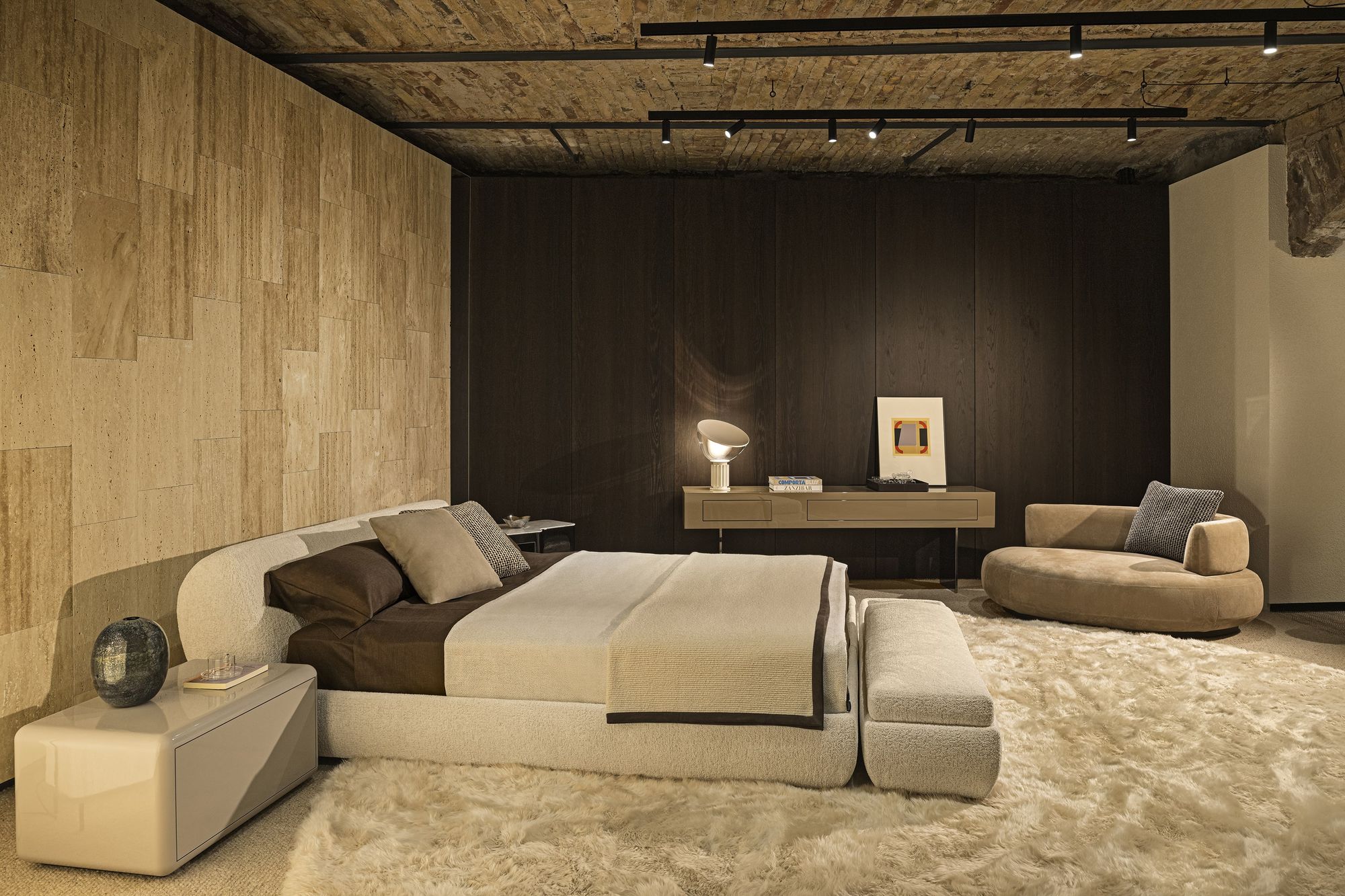
Photos: CODE Showroom/Dániel Gaál