Central Europe’s spa towns are on the move again. Swissôtel’s debut in the Czech Republic is not a spectacular reboot, but a subtle repositioning: how historic spa culture can be transformed into a contemporary wellness experience through design.
Mariánské Lázně did not become a wellness destination retroactively. From the very beginning, the city’s identity has been shaped around healing, unhurried time, and personalised regeneration. In the early 19th century, when the region’s mineral springs were first systematised, spa culture was already more than a medical matter—it was a way of life: walks through the parks, drinking cures, music in the pavilions, social life beneath the colonnades. Healing had its own choreography—and architecture and urban planning were just as much a part of it as the water itself. The city’s appearance evolved according to this mindset. Mariánské Lázně did not grow organically but emerged as a consciously designed spa town: a network of axes, promenades, parks, and representative public buildings, where bodily care and aesthetic experience went hand in hand. It is no coincidence that today it is listed on UNESCO’s “Great Spa Towns of Europe” World Heritage site—this designation is not only about the springs, but about an entire cultural model.
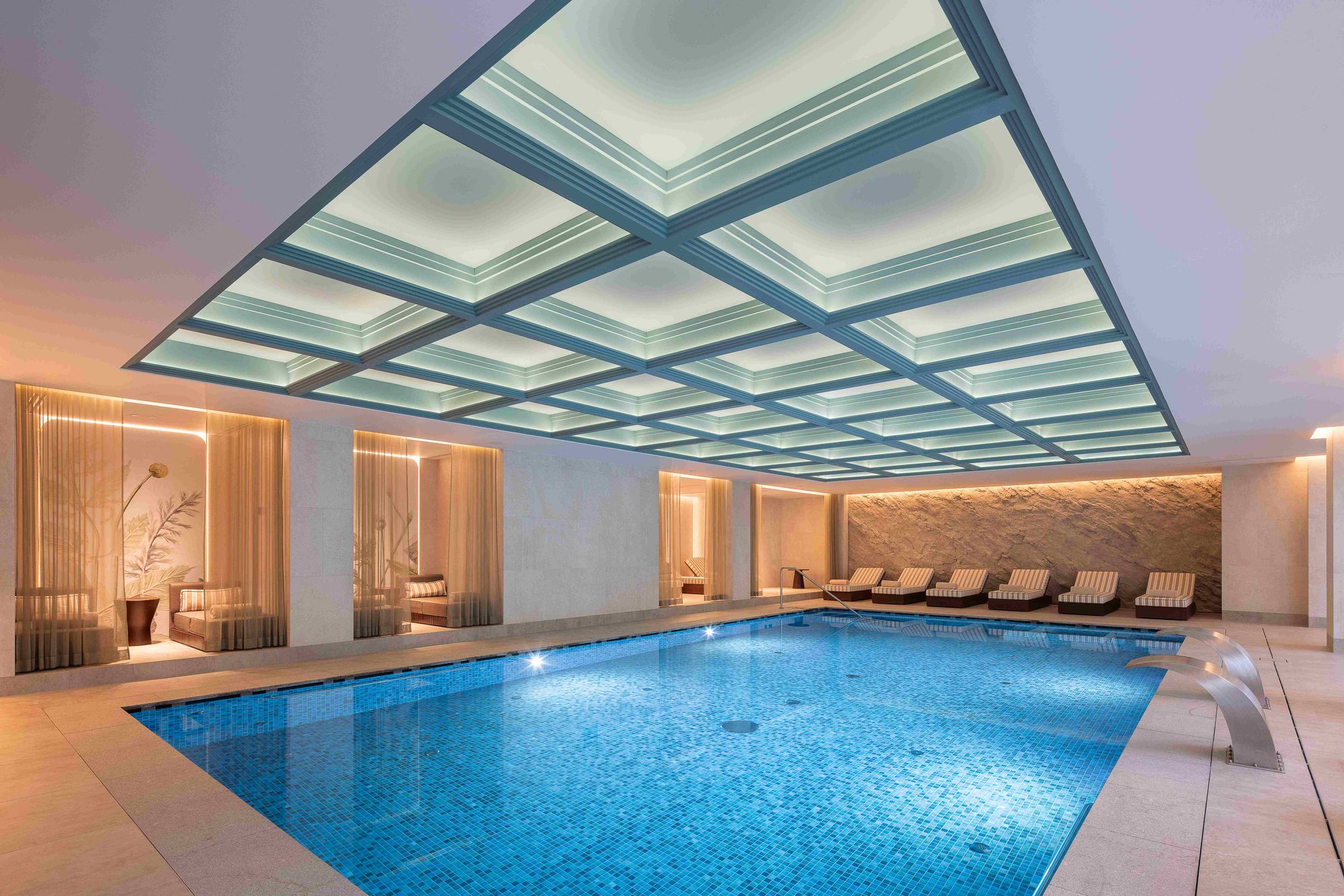
A contemporary response to a historic model
At the turn of the 19th and 20th centuries, spa towns were, in fact, early laboratories of wellness design. Where the sun rises, where the first walk leads, the rhythm in which treatments and rest follow one another—all of this formed a carefully composed experience. In this respect, Mariánské Lázně stood shoulder to shoulder with Karlsbad or Baden-Baden: the spa culture that developed here was simultaneously a medical, social, and aesthetic project. This way of thinking resonates surprisingly well with contemporary approaches to wellness, where wellbeing is no longer tied exclusively to treatments, but to spatial use, light, rhythm, and materials. In this sense, Swissôtel’s arrival is not a foreign body, but a new layer within the same tradition. It does not seek to redefine Mariánské Lázně, but to translate into the language of the 21st century what the city has always known: that regeneration is not an event, but a question of environment.
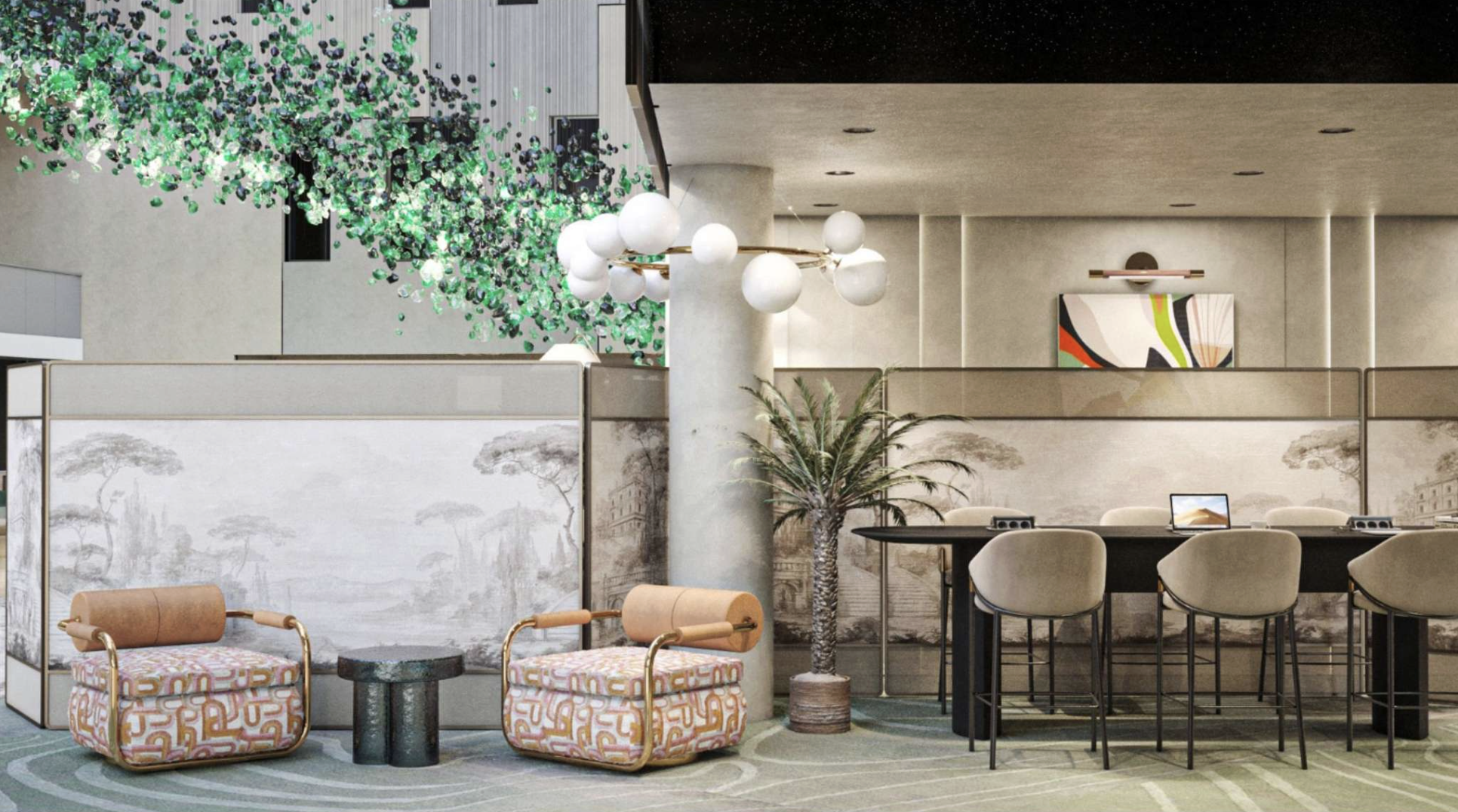
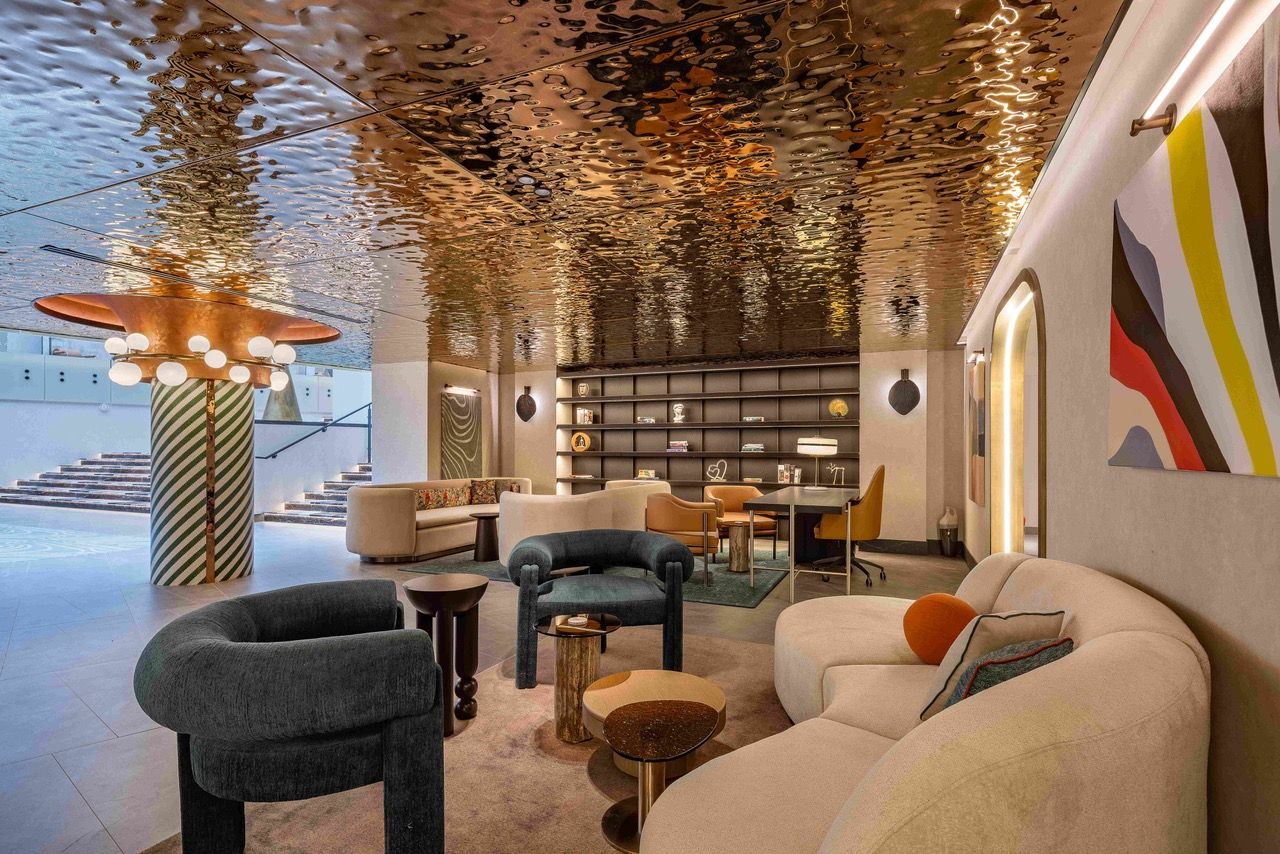
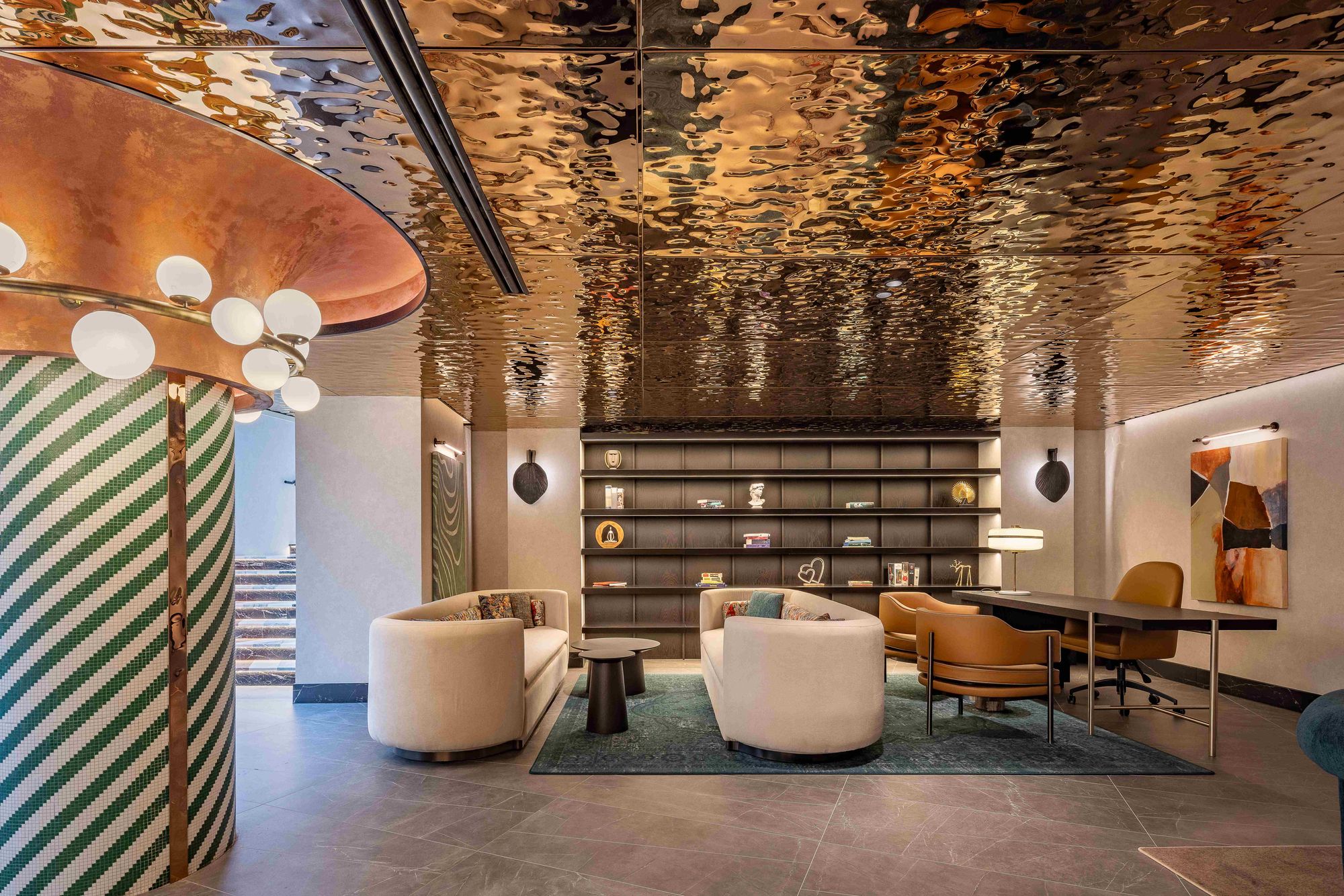
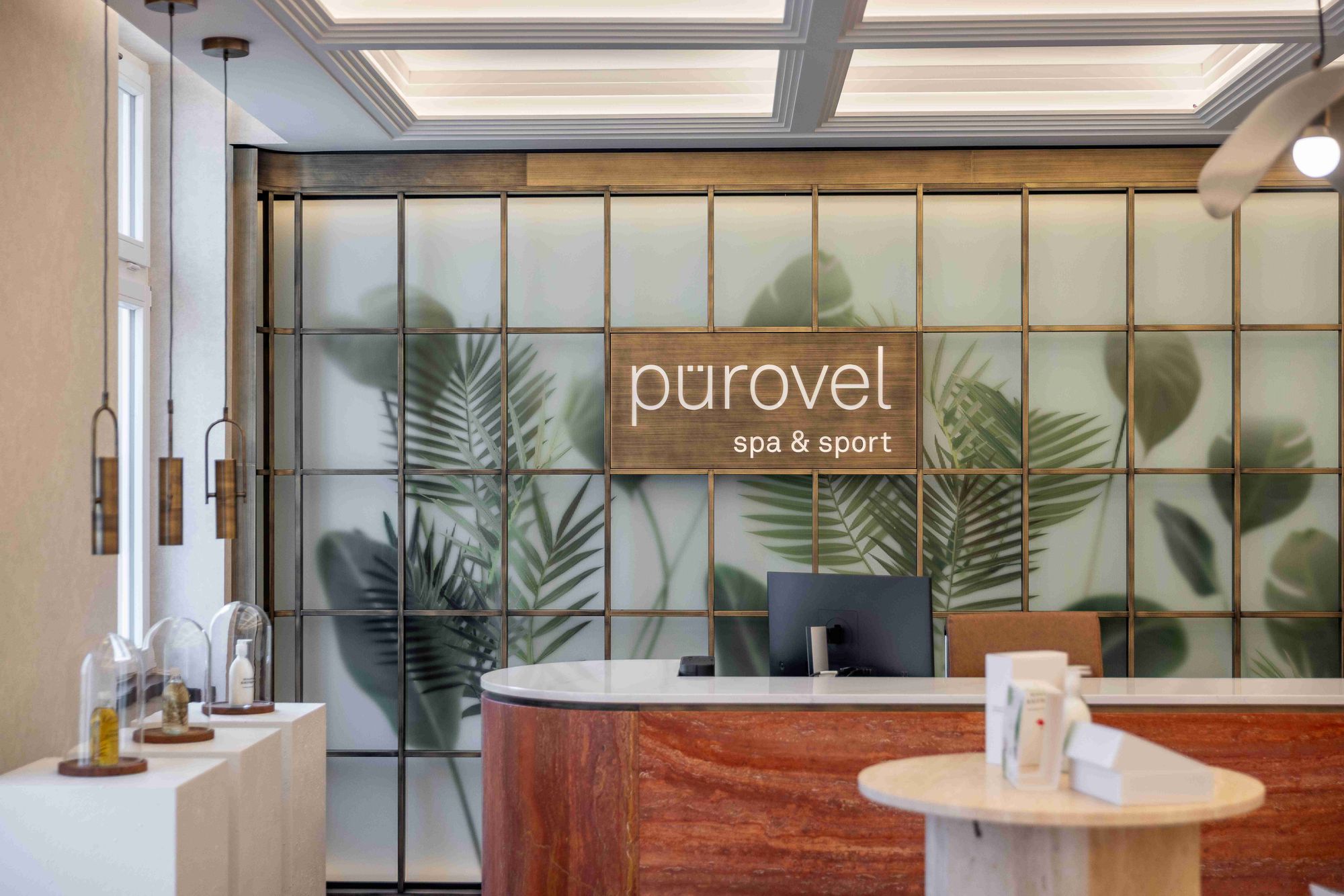
The design-focused approach of Swissôtel Mariánské Lázně—from consciously planned guest rooms to the visual discipline of its spa spaces—fits precisely into this historical arc. The hotel does not over-thematise the spa-town past, nor does it indulge in nostalgia; instead, it abstracts it, carrying the core principles of historic spa culture (slowness, rhythm, closeness to nature, a sense of proportion) into contemporary form. In this way, wellness becomes not merely a service, but a spatial experience in which design is not spectacle, but a compass.
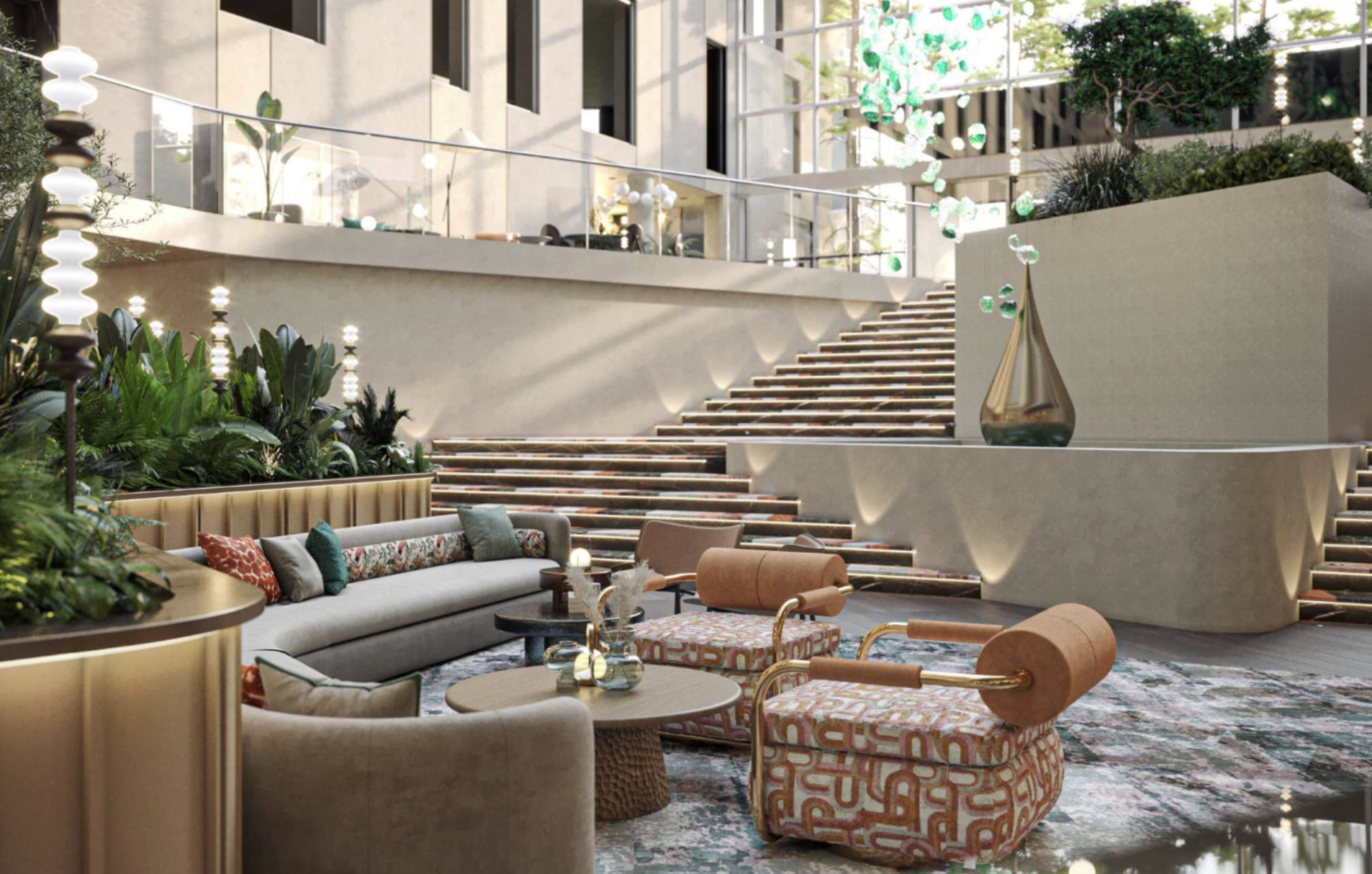
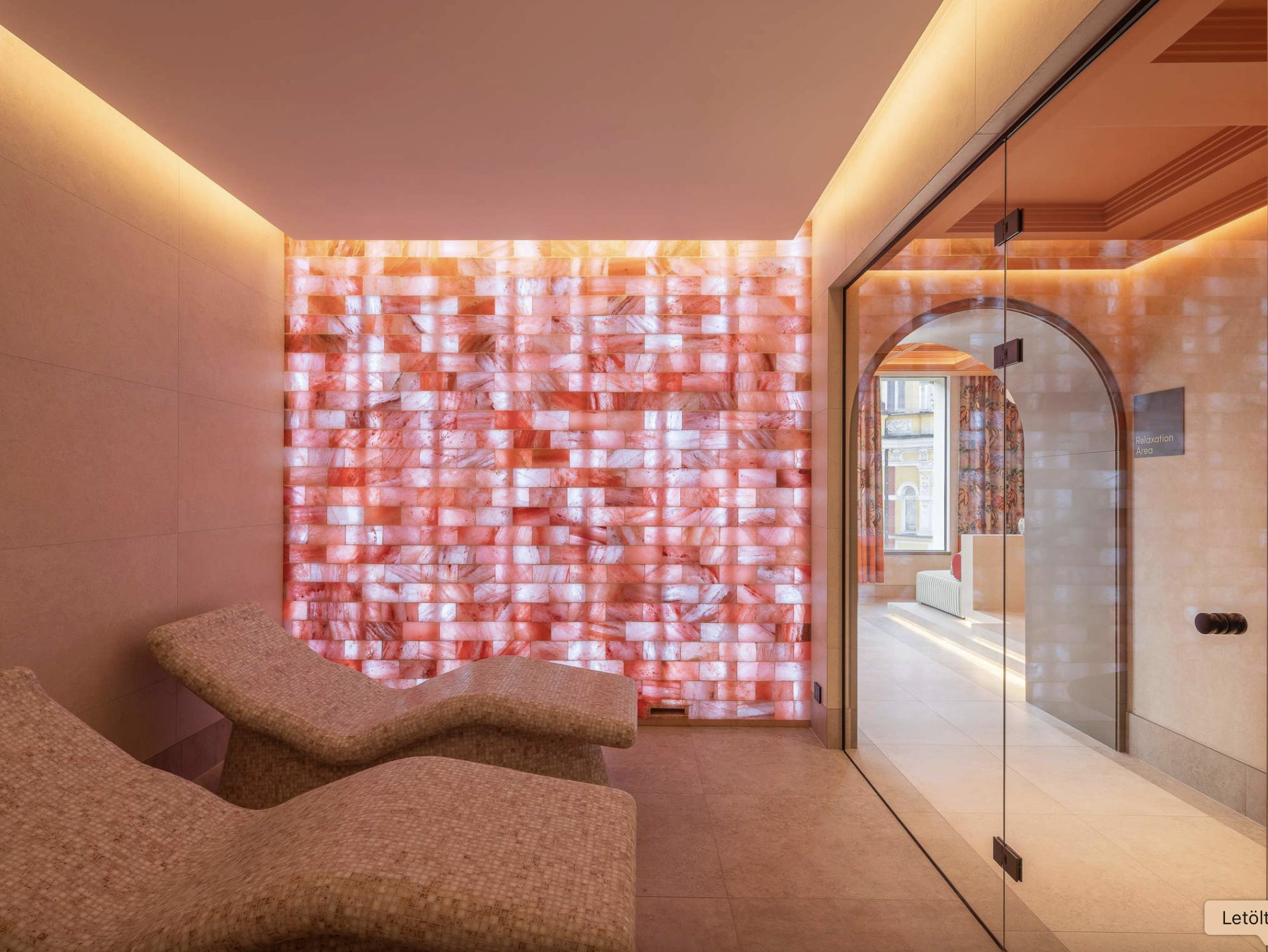
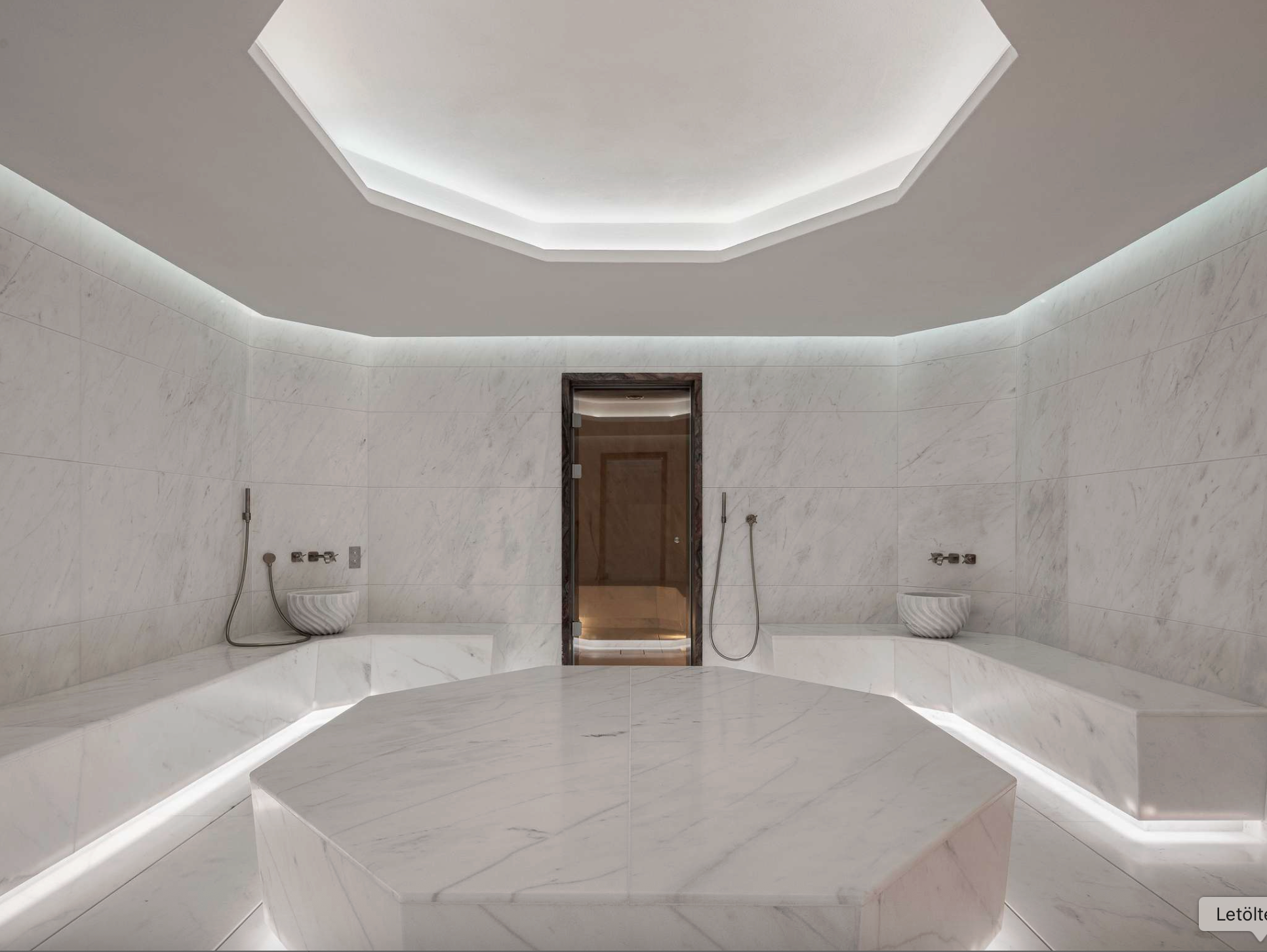
Why are Central Europe’s spa towns returning now?
It is no coincidence that Central Europe’s historic spa towns have returned to the spotlight in recent years. For a long time, the region functioned as a backdrop stuck in its own past: beautiful but slightly dusty places, where wellness meant medical treatment rather than lifestyle. Today, however, travellers arrive with very different expectations. Amid overcrowded metropolises, constant online presence, and performance-driven lifestyles, more and more people are looking for places where regeneration is not a separate programme, but the default state of the entire environment.
In this context, Karlsbad, Mariánské Lázně, Baden-Baden, or even Hévíz are no longer operating as retro destinations, but as contemporary alternatives. Centuries-old spa culture, urban fabrics organised around green spaces, and a slower perception of time have suddenly become competitive advantages. Newly arriving premium hotels—including Swissôtel—are not trying to impose new experiences onto these towns, but rather recognise that a cultural model already exists here, one that resonates remarkably well with today’s wellness thinking. The question is no longer whether historic spa towns still have a future, but how they can be reinterpreted without losing their essence. The example of Mariánské Lázně suggests that the answer lies not in spectacular excess, but in conscious design: when design does not obscure, but amplifies what the city has always known. Wellbeing is not a trend—it is simply that, once again, there is time for it. And space.