


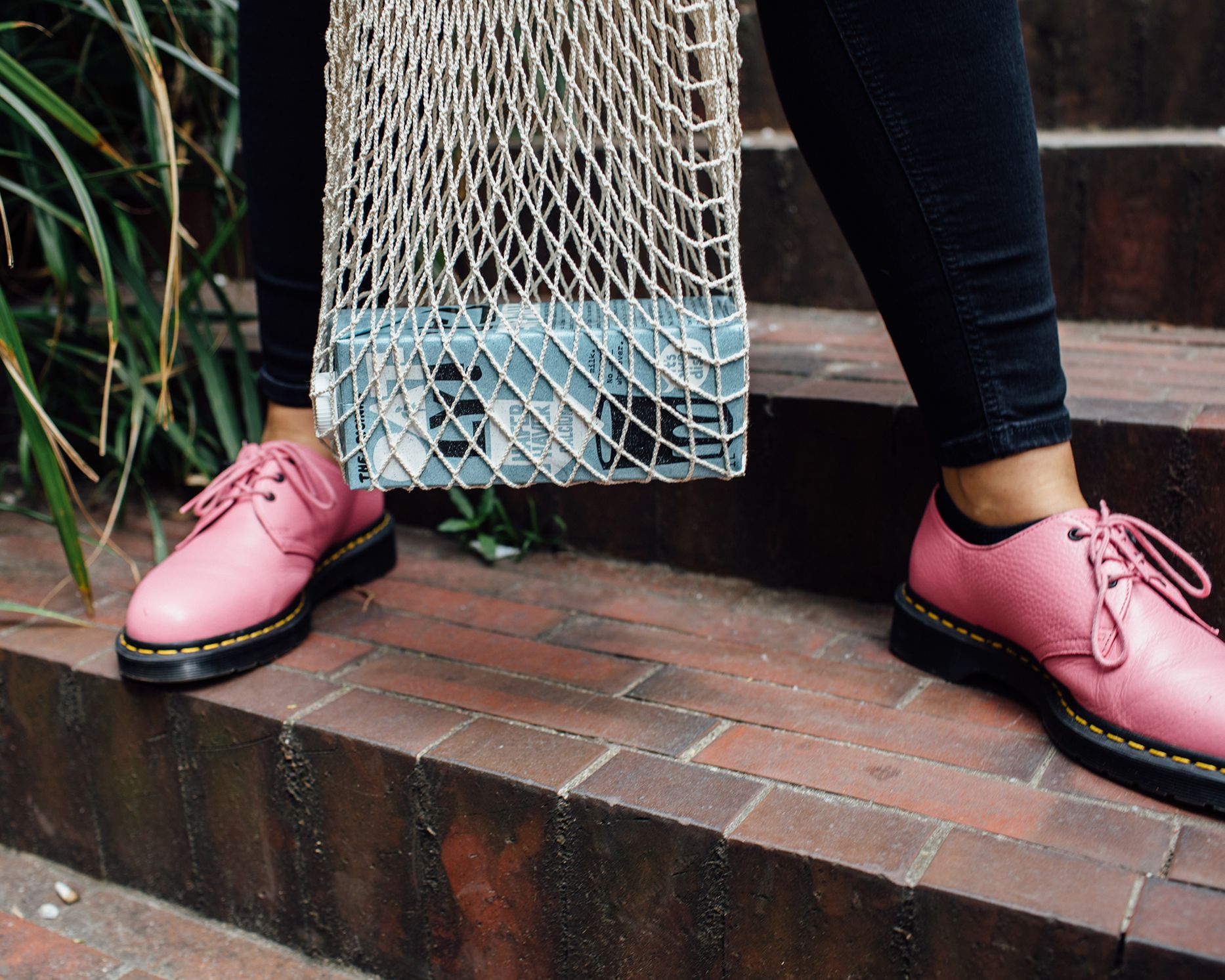
Some people simply pour Oatly into their coffee. Others build boats from its cartons or send the company fully developed product ideas. Where does customer loyalty end and fandom begin? We spoke with Leonore Cortes Holmström, Oatly’s Co-Lead of Community Management, about brand identity, the human side of customer conversations, and making sure the company hears its community.
What’s the difference between customer loyalty and community? Is “community” just a rebranding of loyalty?
With Oatly, I think the difference is participation and identification with the brand. People who are really part of the community participate in a different way. They make fan art. They build boats out of Oatly cartons. They send us ideas for products, sometimes with whole presentations: “I think you should do this, this and this.”
For a lot of them, it becomes part of their lifestyle. They’ll go shopping, find a new product and post: “Oh my God, I found the matcha. Now I’m going to do a taste test.”
We also have people who buy Oatly regularly and whom we might never speak to. For them, it’s simply a product, and we value those people just as much. But that’s where I see the difference between a loyal customer and someone who’s part of the fandom.
So, you can be as involved as you want to be.
Exactly. You can build a boat out of cartons, or you can just put oat drink in your coffee and get on with your day. Both are completely fine.
You mentioned fandom. That sounds a little like a tribe. If I buy your product, am I joining an ideological or political movement?
People choose us for all sorts of reasons. They might like the taste, how it works in coffee, the fact that oats contain fibre, or simply that it fits the way they want to eat. Some because they like what we stand for and others probably just like the packaging.
Oatly as a company does have a mission. We want to make it easier for people to eat better and live healthier lives without recklessly taxing the planet’s resources in the process. About a third of all human-caused greenhouse-gas emissions are linked to the food system, so how food is produced and consumed matters.
We think people should have clearer information about the impact of the food and drinks they buy, and not just have to accept the status quo, and we think plant-based products should get a fair shot when it comes to things like tax and policy. Those are political questions because they’re about the rules the food system runs on, and we’re quite loud about what we think should change.
At the same time, we’re not asking everyone who buys Oatly to buy into our mission necessarily. We’re an oat drink company trying to make products people genuinely want to drink so the more sustainable choice becomes the no-brainer. When people love the product enough to make it part of their everyday lives, that’s when change can actually happen.
So, buying it is also a way of signalling something as a consumer?
It doesn’t have to be. In fact, we talked much more about oat drink as an alternative to milk when an alternative to milk was not the norm. Now I think oat drink simply stands as a product in its own right.
Someone might consciously want to make a change, while someone else simply prefers the taste or likes it in their coffee, tea or matcha. Either way, if choosing oat drink is one thing that works for you and becomes part of your routine, these habits add up to something meaningful and shifting our food system in the right direction. It isn’t about being perfect.
In the company, you are dealing with specialised community building. What would you say are the three main pillars?
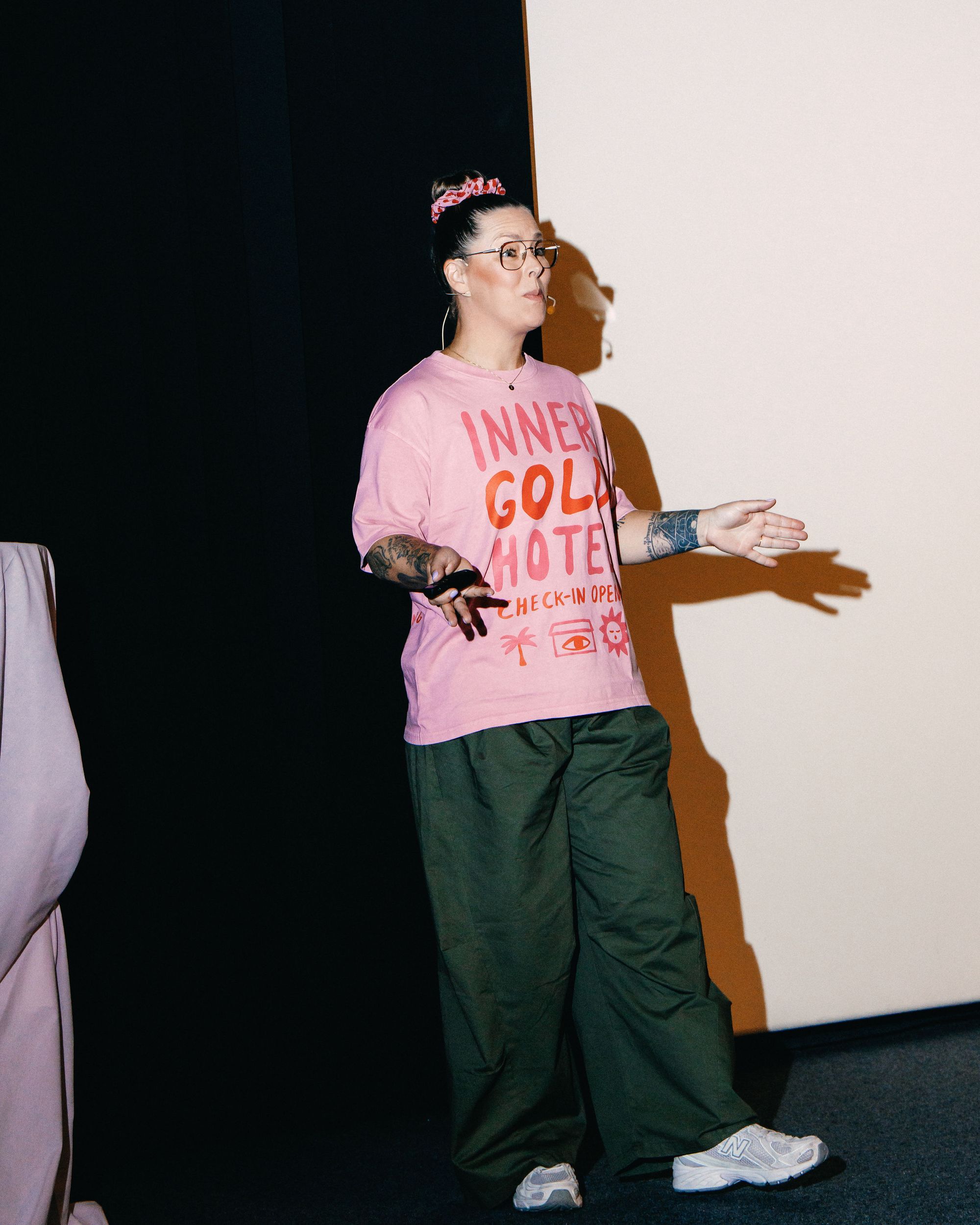
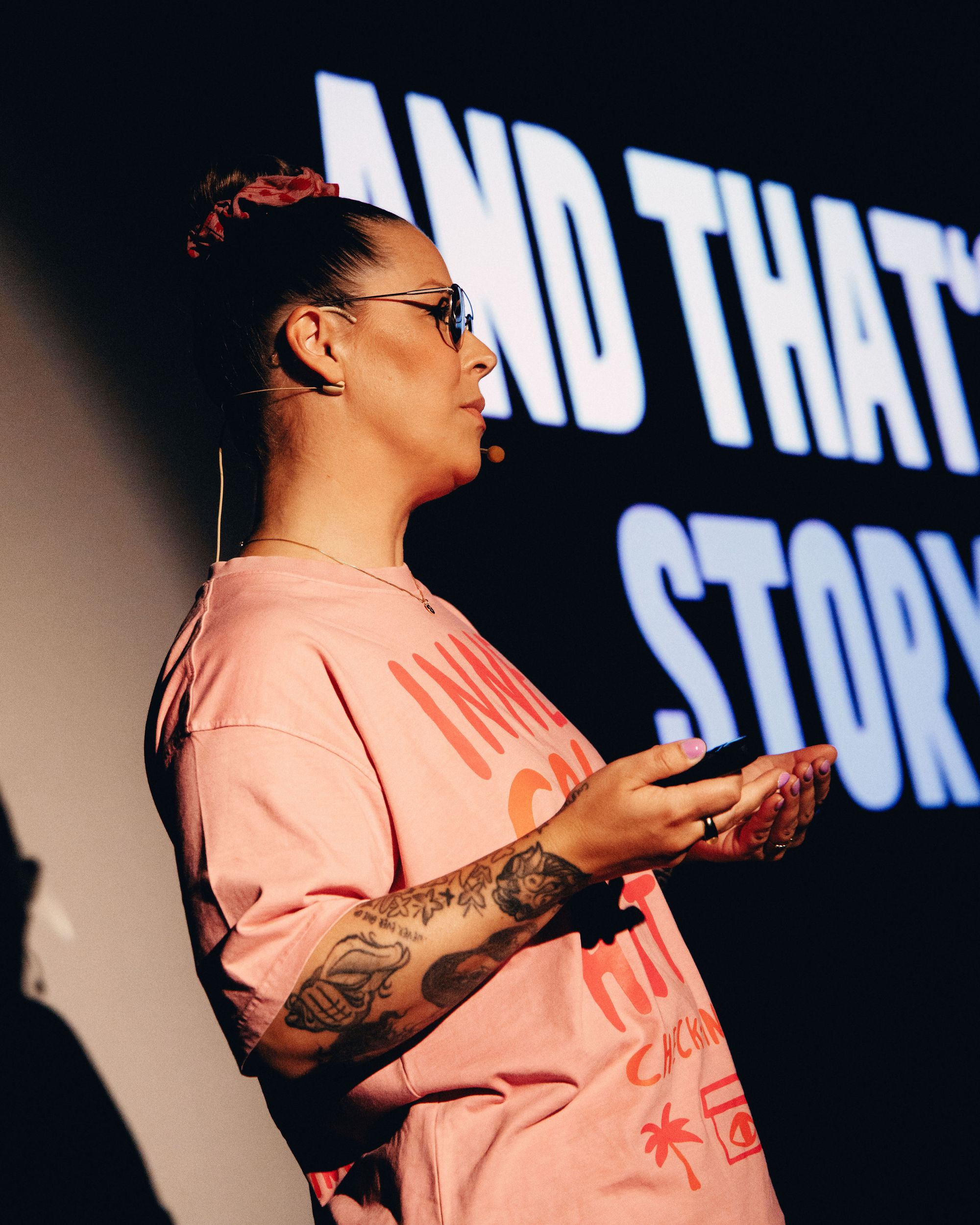
The first is being the voice of Oatly: explaining what we do and what we stand for, but also having that creative voice and being unapologetically ourselves. I think that gives people in the community permission to be themselves, too. It’s part of why they do all those strange, fun things.
The second is staying human. Even if you’re only replying to a brief DM, remember there’s a person on the other side. They’re not a number to cross off a list.
The examples I showed during my keynote aren’t rare exceptions. People reach out to us every day with questions and stories. Our community managers approach those conversations with a lot of empathy and care, and sometimes that can genuinely make a difference to someone’s day.
The third is bringing community insights back into Oatly. That’s something we’ve developed more in recent years: being the voice of the community inside the company.
People don’t necessarily see that work, except when we tell them, “We’ve passed this on to the relevant team.” But it matters. We sit between Oatly and the people who buy our products, and part of our job is making sure the company really hears what those people want, question and care about.
How can brands build lasting relationships with people, and how are communities, creators and artificial intelligence shaping those connections? These questions were at the heart of Community Culture, an event hosted by The Good Persona at Budapest’s Toldi Cinema on 24 September. In this interview series, we continue the conversation with the event’s speakers about the changing rules of brand building.