


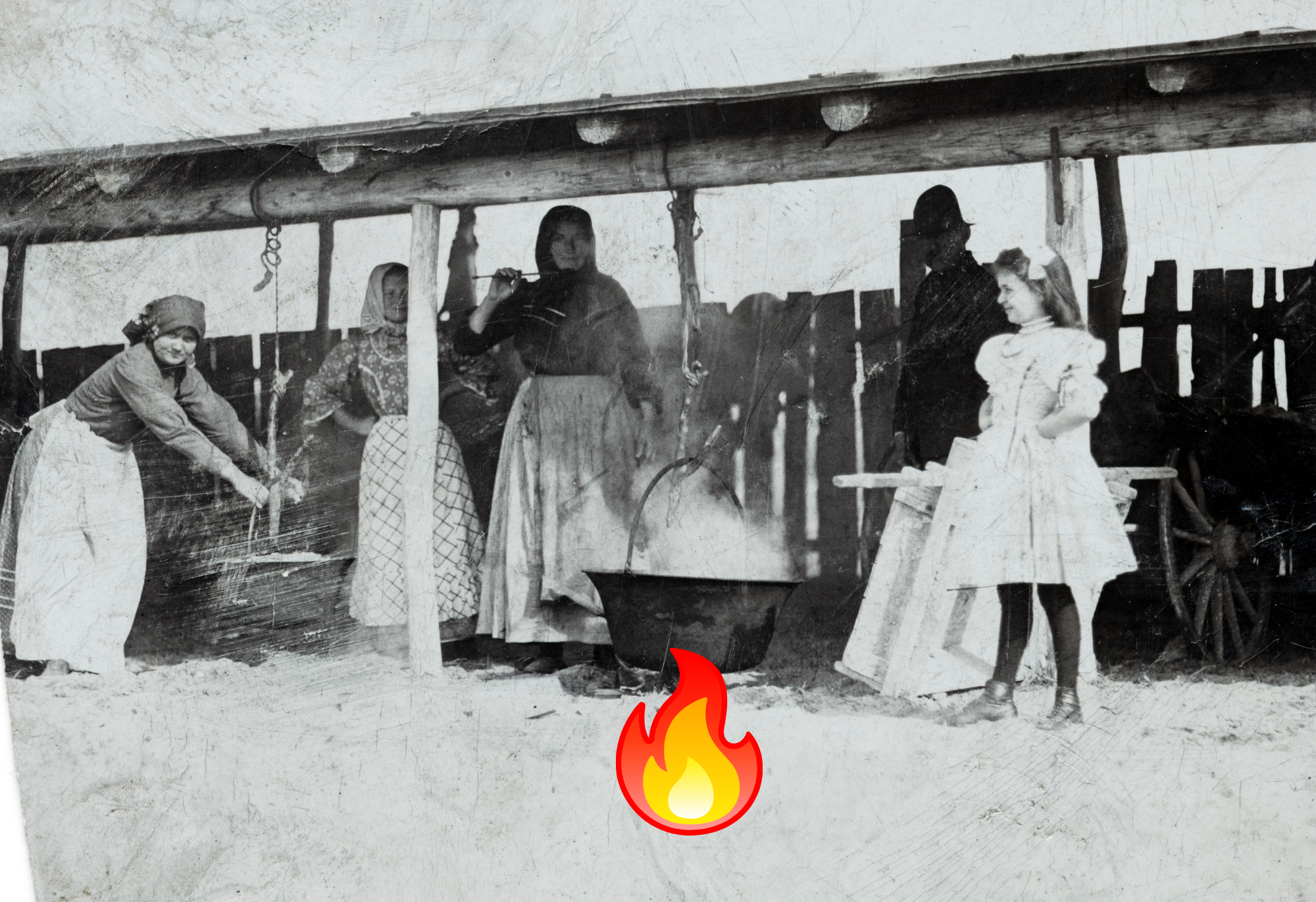
Why is it that the hotter the heatwave gets, the stronger the urge among Hungarians to light a fire and bring the bogrács up from the cellar? We are capable of turning this enamelled pot into an entire day-long programme: all it takes is a garden, a few people, a pile of firewood and one big black pot. Then someone chops onions, someone else starts the fire, someone thinks too much water has gone in, and someone announces at three in the afternoon that it will be ready by six. Naturally, at six, we are nowhere near done.
Today, bográcsozás – cooking in a bogrács – is gastronomy, a social event and folklore all at once. There is a little DIY in it, a little armchair expertise, a little competition, plenty of pálinka, and that particular Hungarian conviction that the same dish can be ruined in at least five different ways, while the truly good version is, of course, made differently in every family. Yet the history of the bogrács began in a much more prosaic place: it was the cooking vessel of people who had no kitchen.
Older than its name
It is worth starting the history of the bogrács with its name. If only because it immediately becomes clear that the Hungarian bogrács is not quite the ancient Hungarian invention that it might appear to be in the national gastronomic imagination. According to the New Hungarian Etymological Dictionary, bogrács comes from the Ottoman Turkish bakraç, meaning “copper cauldron”, probably via South Slavic. The Turkish word derives from bakır, meaning “copper”, and the word is documented in the Hungarian language from around 1703.
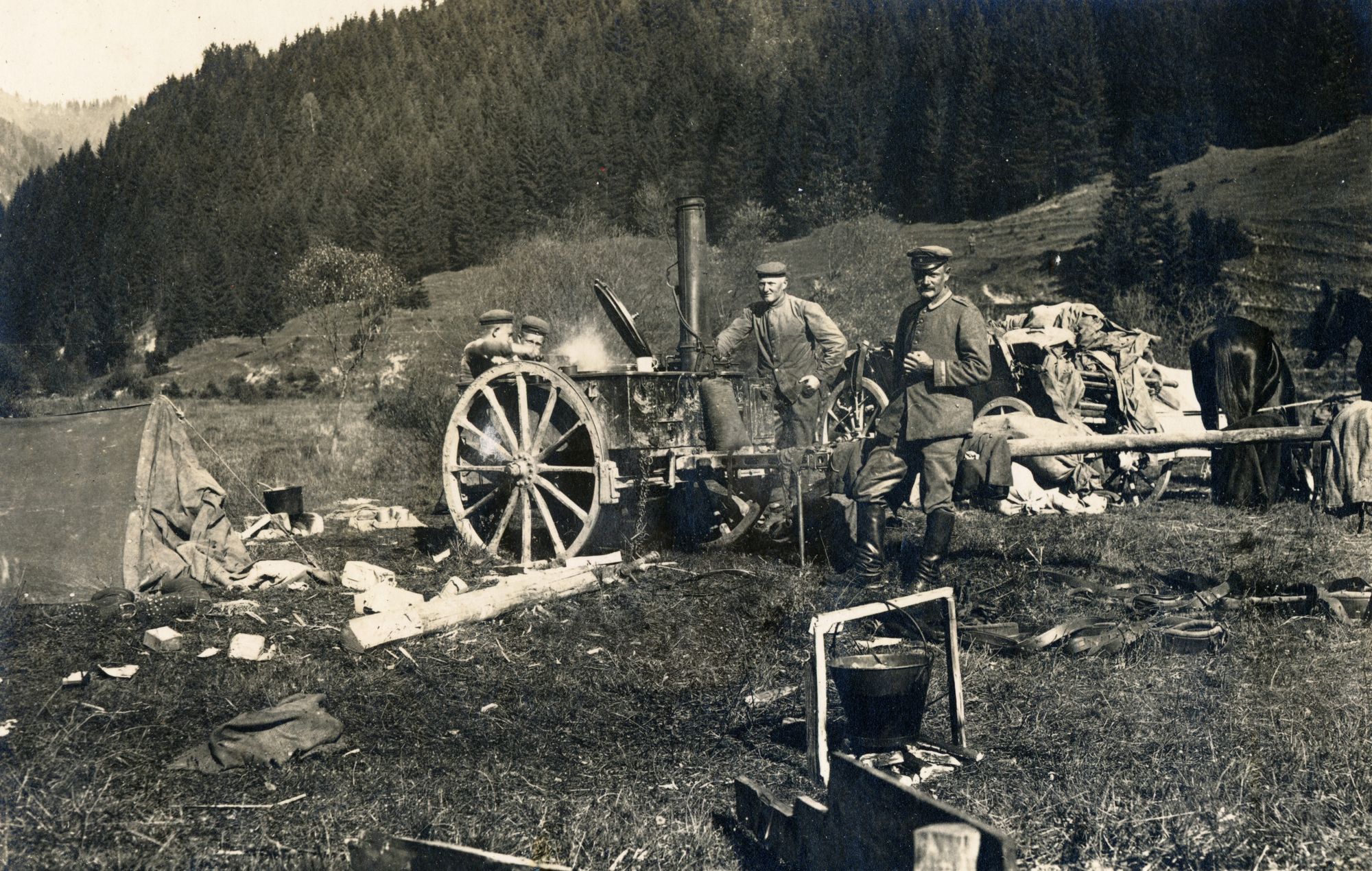
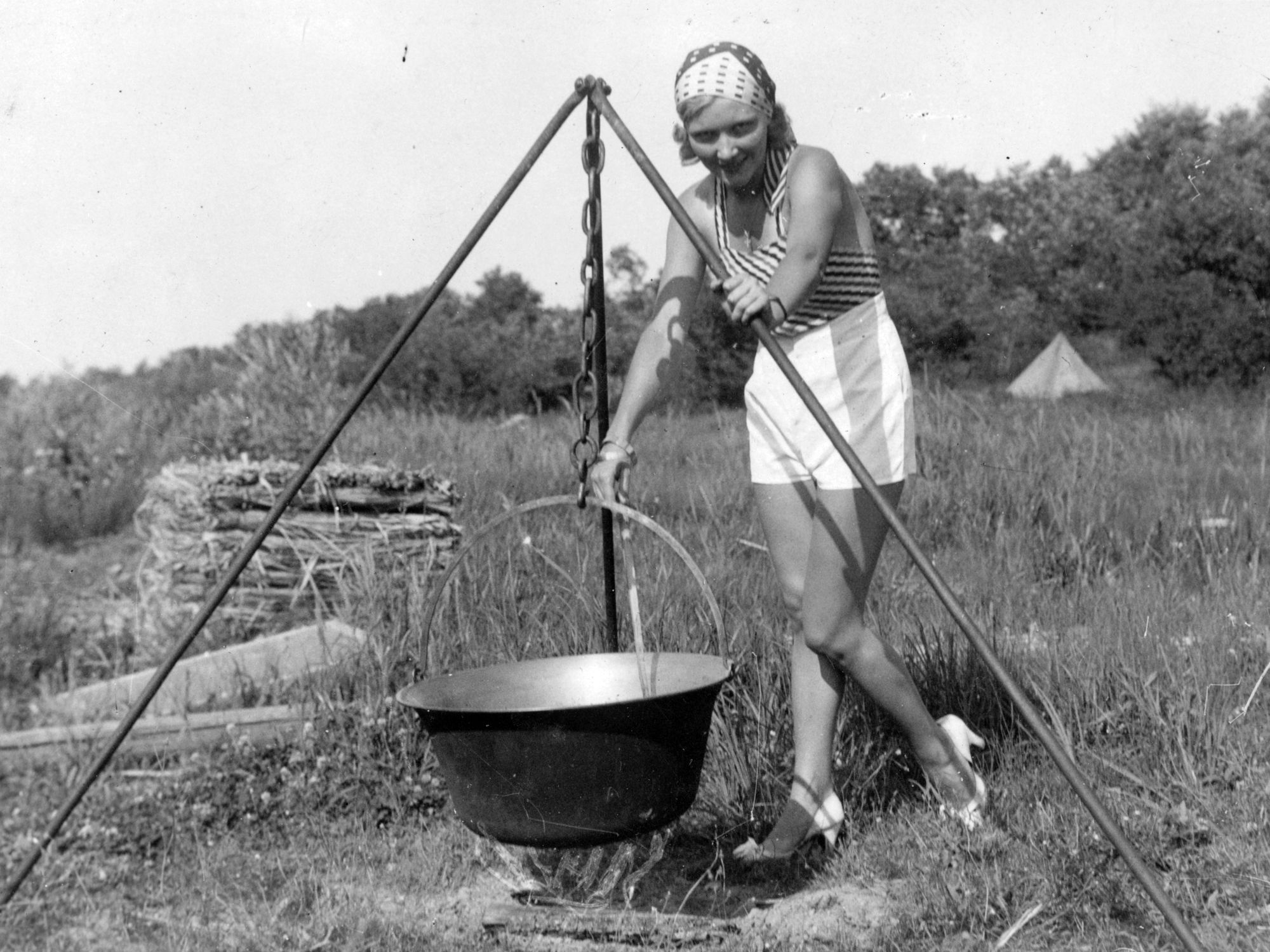
The history of the vessel, however, goes back much further than the word itself. Among the archaeological finds of the Carpathian Basin, we find cauldrons and rounded-bottom cooking vessels made of clay dating back to the period of the Hungarian Conquest. Clay cauldrons were characteristic objects of Hungarian pottery between the 10th and 13th centuries. This is an important distinction: Hungarians did not start spending their lives over a cauldron in 1703; the cooking technique is older, the name is younger. And using a cauldron made perfect sense in a world where food preparation was not necessarily tied to a kitchen. If you are on the move, herding animals, fishing, hunting, or simply working in the fields all day, carrying an entire kitchen around is a rather poor strategy. One vessel, however, is easy enough to take with you, and you can find a fire almost anywhere.
Why did we cook when others grilled?
One of the more interesting aspects of the bogrács’s history in Hungary is that while the culture of cooking over an open fire is present throughout the gastronomy of Central and Southeastern Europe, grilling over embers, spit-roasting and, later, the culture of the grill became much more dominant in the surrounding countries. Across the Balkans, various grilled and spit-roasted meats have become almost obligatory elements of national cuisines. From Serbian ćevapi to Romanian mici, from Croatian to Bosnian grilled dishes, an entire region has built a strong identity around cooking over glowing embers. Spit-roasting and grilling certainly existed in Hungary too, but the iconic tool of outdoor cooking nevertheless remained the cauldron.
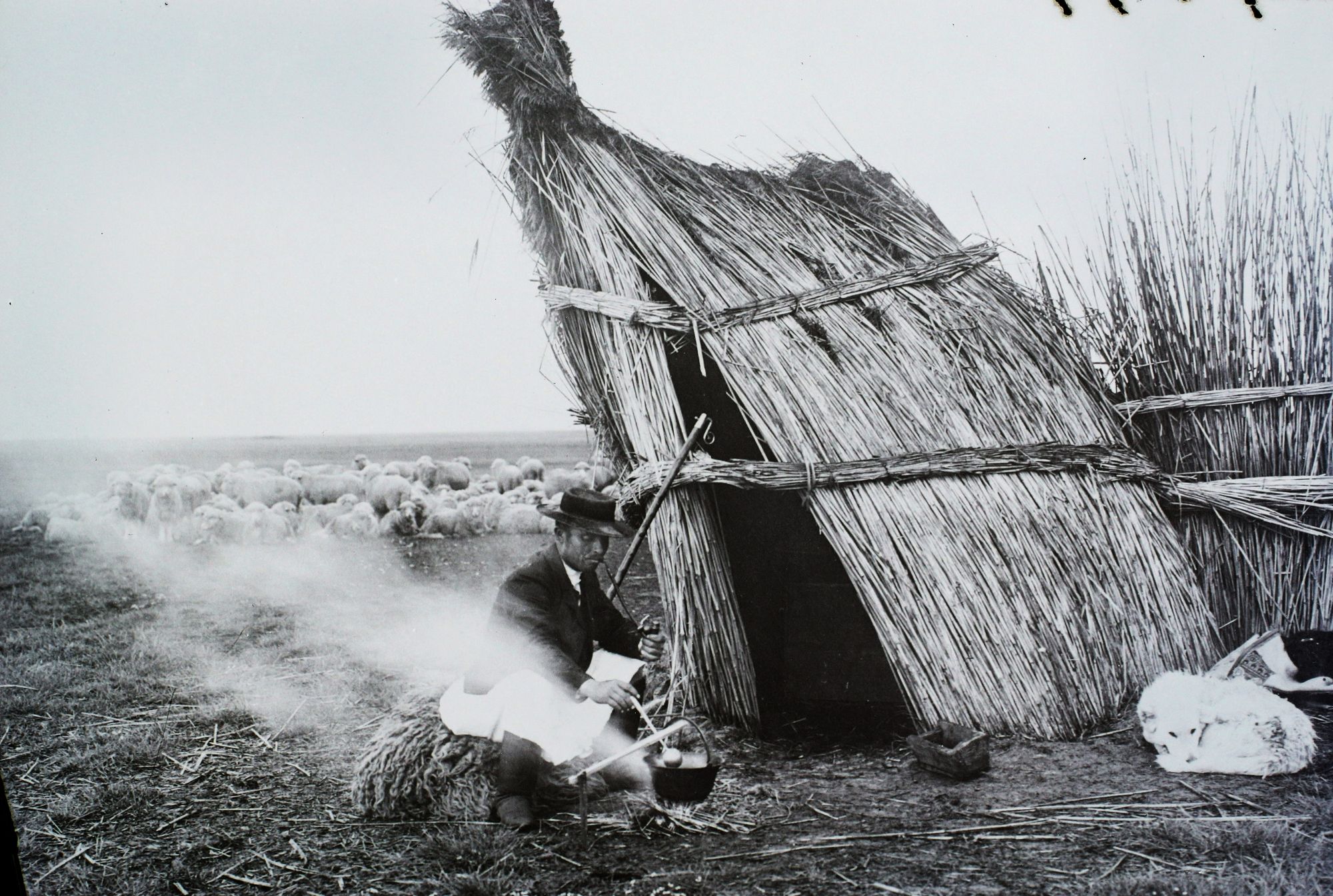
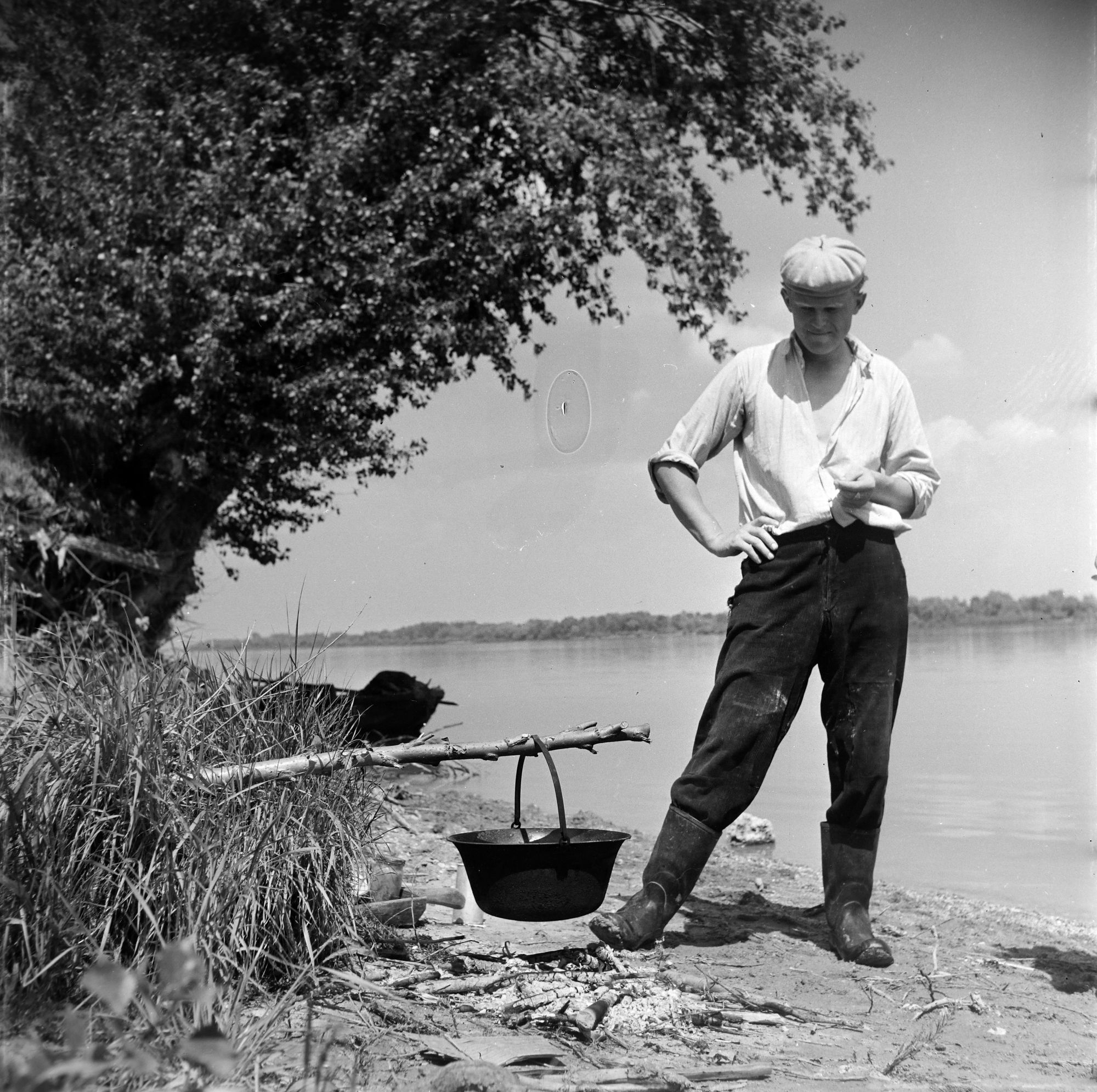
Táfelspicc raised the question more than a decade ago: why did we never become a nation of grillers? There is no single answer, but the role of Hungarian pastoral culture can hardly be ignored. For centuries, herders moved across vast areas of the Great Hungarian Plain, having to provide their own meals out on the puszta. The bogrács fitted perfectly into this way of life: it was portable, durable, and capable of preparing an entire meal in a single vessel. The fire burning beneath a bogrács suspended from a szolgafa or tripod was essentially a mobile kitchen.
In the Hungarian gastronomic imagination, it is now difficult to separate the bogrács from goulash. Bográcsgulyás – goulash cooked in a cauldron – almost seems like a genre of its own, even though the bogrács is not a recipe so much as a technique, and a vessel used over an open fire. What goes into it is determined by the place, the period, social circumstances and whatever ingredients happen to be available. On the Great Hungarian Plain, goulash and various meat-based one-pot dishes became dominant. In areas rich in rivers and fish, halászlé, Hungarian fish soup, found its way into the bogrács. Shepherds cooked with bacon, pasta, potatoes and dried meat. In peasant households, the cauldron was even more versatile: it was used for cooking large quantities of food, during pig slaughtering, for making plum jam and for numerous other household tasks.
Munkácsy, Jókai and the hierarchy of the puszta
Shepherds were not thinking in terms of today’s bogrács menus: there was no “beef stew in a cauldron with pickled cucumbers”, and nobody was probably asking whether it should be made with red wine or beer. Food primarily had to be cheap, preservable and easy to prepare. Dried meat, bacon, onions, flour, potatoes, pulses, dried pasta – the ingredients included many things that kept for a long time, were easy to transport, and could feed a lot of people with very little. This last point is particularly important: a significant proportion of bogrács dishes became soupy, juicy, one-pot meals because liquid added volume to the food. That little meat did not end up on one person’s plate; it was cooked into one large communal dish. In Mór Jókai’s novel Sárga rózsa (The Yellow Rose), for example, life on the puszta revolves quite literally around a bogrács, with an eating order as strict as the way lions, hyenas and vultures share a carcass in Africa: the pasta porridge is cooked in the cauldron, then the bogrács is brought out, placed on a three-legged stand, and the group eats from it together. First the gentlemen, then the young herders and the head herder get their share, while whatever is left at the end belongs to the cart driver. But Jókai is not the only one: the Great Dictionary of the Hungarian Language also beautifully traces this history through literary examples. József Gvadányi already mentions “bográts káposzta” – cabbage cooked in a bogrács – in 1788, while goulash meat and other dishes prepared in the cauldron appear in the 19th century. Later, the bogrács also appears in the works of Zsigmond Móricz and Gyula Krúdy as one of the characteristic props of rural and communal eating.
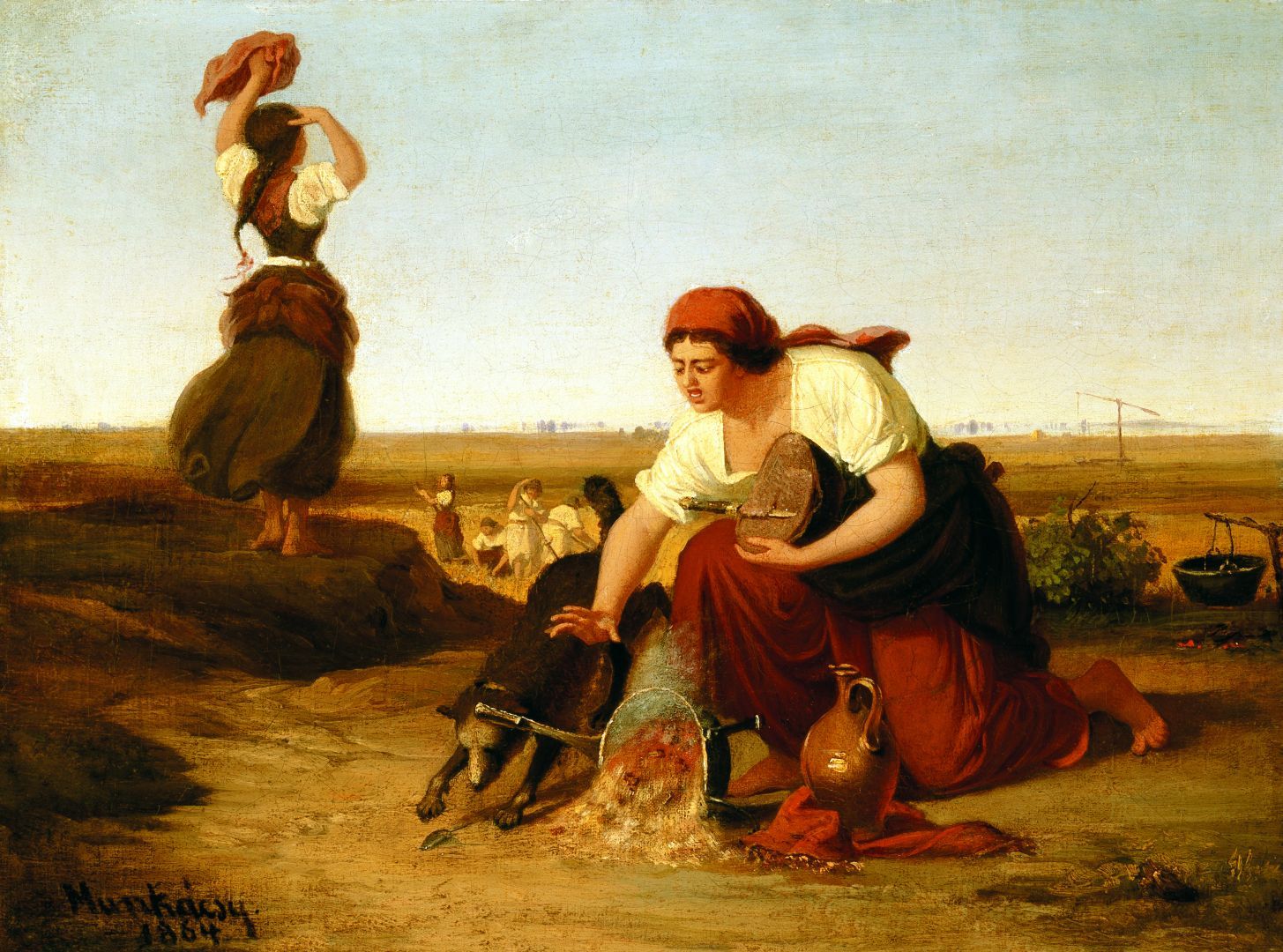
The bogrács did not only make its way into literature, but into visual art as well. In 1864, at the age of twenty, Mihály Munkácsy painted A bogrács (The Cauldron). The scene shows a woman preparing food for harvest workers while a dog – more precisely, a dog chasing a mouse – knocks over a cast-iron bogrács full of food. What makes the painting particularly interesting is that there is none of the national pathos with which we so readily surround the bogrács today. Instead, it appears simply as an object of everyday life, work and eating.
From necessity to weekend programme
In the 20th century, the bogrács gradually lost the function that had originally made it indispensable, as the modern kitchen moved indoors. The gas stove, followed by the electric stove and all sorts of other technologies, offered faster, cleaner and more predictable ways of cooking. We no longer hung the bogrács over a fire because there was no alternative. By the second half of the century, the bogrács slowly moved into the garden, onto the weekend plot and to the holiday house. It became a fixture of weekend homes, allotments and family gatherings, when cooking turned into an event – and with it was born the kind of bográcsozás we know today. Modern bográcsozás already has its own choreography: lighting the fire, choosing the right wood, the question of the onions, the amount of meat, the timing of the paprika, and the water, of which there is, naturally, always either too much or too little. And around the bogrács stands the assembled crowd, patiently waiting for their dinner to simmer for hours, the very opposite of fast food.
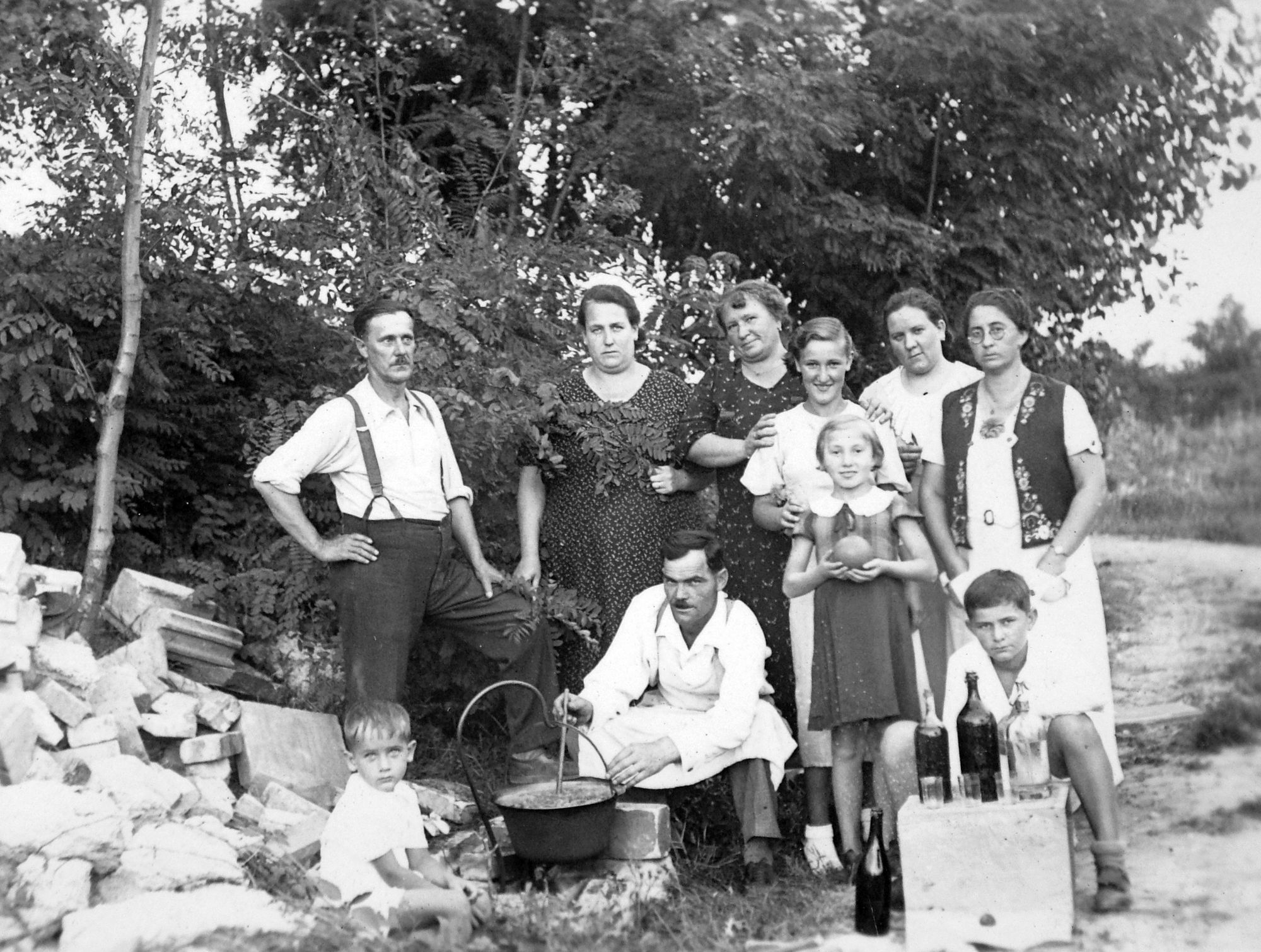
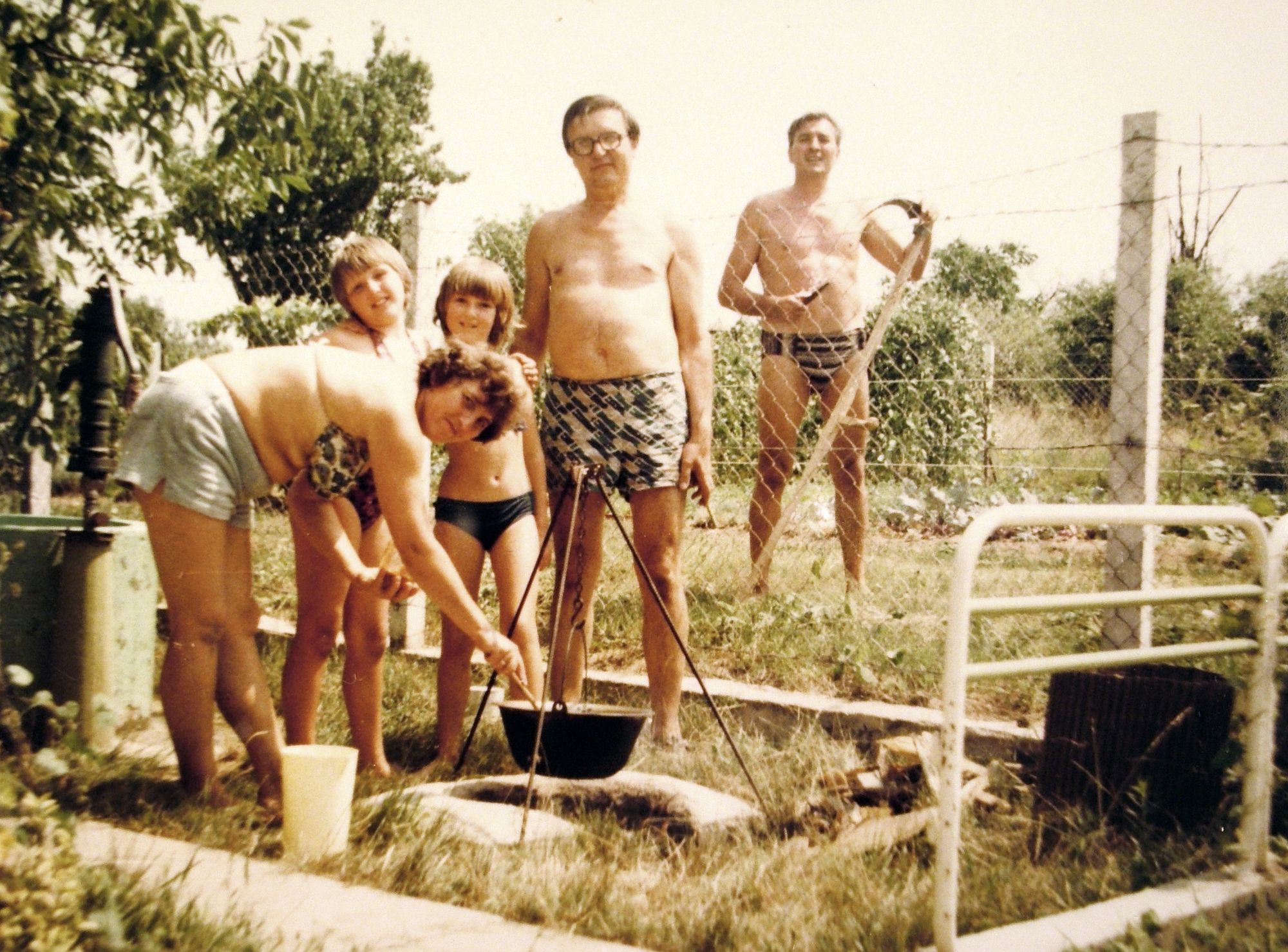
The history of the bogrács is, in essence, a story of a peculiar cultural transformation. In post-regime-change and 21st-century Hungary, an entire event culture has grown up around it: village days, food festivals, cooking competitions, fish soup competitions, mutton stew competitions and all kinds of local gastronomic celebrations. In this communal role, the bogrács has once again returned to what it used to do: bring people together around a single dish. Only now, it is no longer because everyone is forced to eat from the same pot, but because it feels good. Curiously, bográcsozás has thus become one of modern Hungary’s strongest forms of “tradition-preserving” leisure. Cooking fish soup, goulash, stew or lecsó is often less about the food itself than about the event. The recipe has its place in family memory, but at least as important is who cooked it first, who won the competition last year, who likes it hot, and who always turns up with the same bogrács. Meanwhile, the bogrács has returned to the centre of the cultural imagination. From Munkácsy’s 1864 painting to Jókai’s scenes of life on the puszta, from ethnographic collections to today’s festivals, the same simple object has travelled through Hungarian culture.
Opening picture: Fortepan/Ungvári György, 1908