


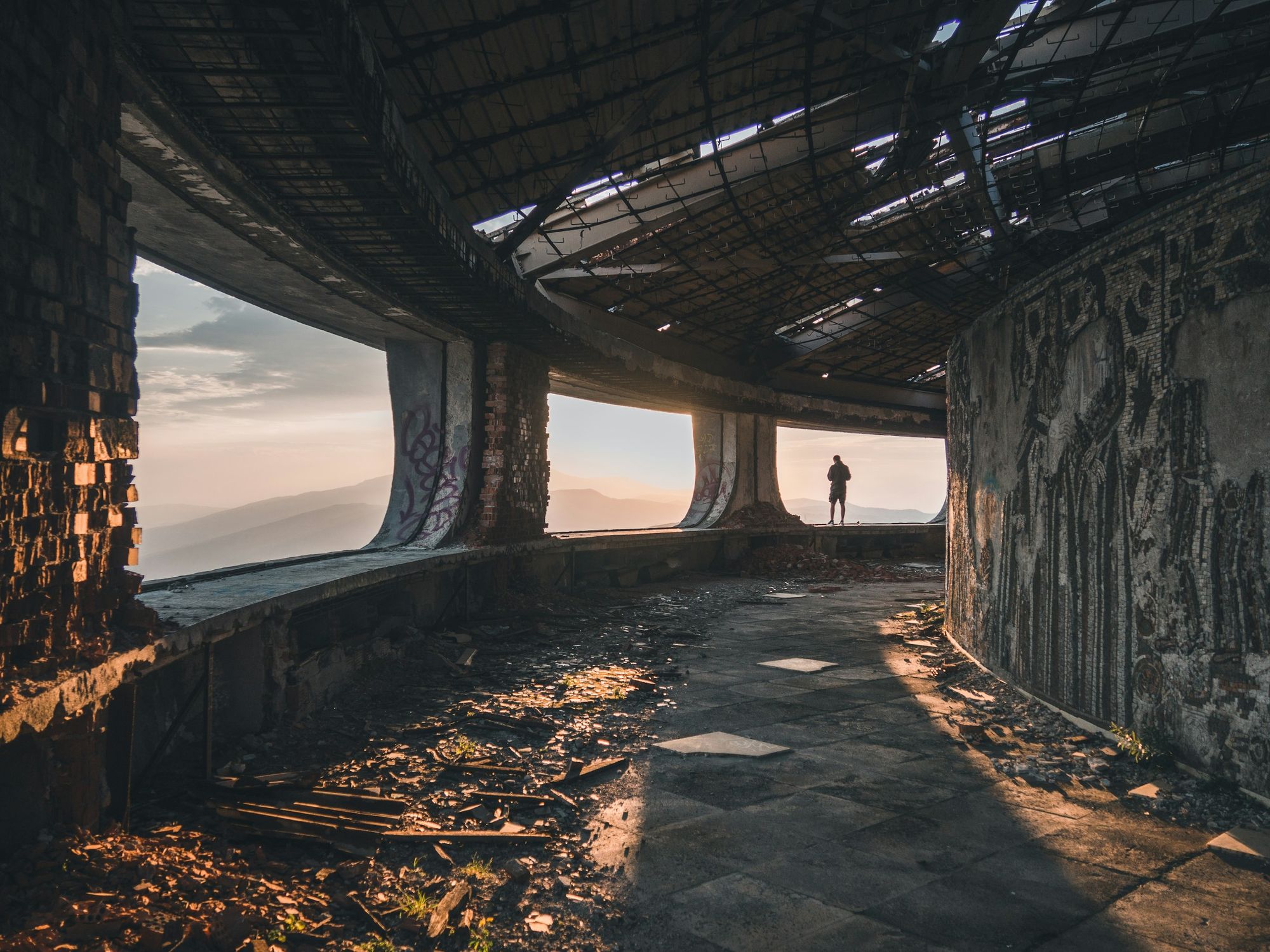
Wars, dictatorships, genocides, political persecution and disasters are increasingly finding their way onto tourist maps. Dark tourism takes us to places where tragedy once happened – but what are we looking for there: historical knowledge, remembrance, a personal connection, or simply the thrill of it? And where is the line between commemoration and consuming other people’s trauma as spectators?
Some people go to Paris for its museums, to Rome for its ancient ruins, and to Central and Eastern Europe partly because of the region’s dark history. The former communist states, wars, genocides, political terror, abandoned military facilities and sites of disasters have, over the past decades, drawn a peculiar tourist map across the region. For some, these are historical sites, for others architectural curiosities or intriguing ruins, while there are also travellers who visit them simply because they want to know what it feels like to stand in a place where something terrible once happened. Chernobyl is perhaps the best-known example. The site of the nuclear disaster and the empty apartment blocks, rusting amusement park and streets slowly reclaimed by nature in nearby Pripyat have, in recent years, become a peculiar form of post-apocalyptic attraction. The site has simultaneously become a historical memorial, a photographic subject, a disaster to be studied and a tourist experience, while video games, films and images circulating online had already shaped our collective perception of it long before visitors ever made it there.
The term dark tourism was introduced into tourism studies by Malcolm Foley and John Lennon in 1996; in the same year, A. V. Seaton used the term thanatourism to describe a similar phenomenon. The phenomenon itself is, of course, much older: for centuries, people have visited battlefields, graves, sites of execution and catacombs, and audiences gathering to watch death were hardly a novelty in ancient Rome either.
From Curiosity to Voyeurism
Unlike in antiquity, death has by now become fairly invisible in our everyday lives: it takes place in hospitals, institutions and spaces managed by professionals, while most people rarely have to encounter it directly. Extraordinary death, however, is something else entirely. News of a plane crash, a genocide, a murder or a nuclear disaster can capture the attention of millions, and if the site remains, tourists may eventually start arriving there too. According to dark tourism researchers, one reason may be precisely that such places bring death, which is otherwise kept out of sight in modern society, back into the public sphere.
And then there is curiosity, which is not always as innocent as we like to think. What exactly happened? What would it have been like to be there? Did it really look like this? What was left behind? What would we feel if we were standing there? Alongside curiosity, learning and the desire to understand, there is often an interest in morbid things, as well as an attraction to the thrill of it or to watching other people’s misfortune. This does not, however, mean that everyone who visits Auschwitz, Chernobyl or a former political prison is a voyeur. Curiosity and learning very often go hand in hand, and the same place can be a personal pilgrimage for one person, an object of historical interest for another, an architectural experience for a third, and simply something that a fourth wants to see with their own eyes. One of the difficulties of dark tourism is precisely that visitors’ motivations are almost impossible to judge clearly from the outside.
The problem begins when another person’s death appears not as a story or historical event, but as a spectacle. In this case, voyeurism means looking at someone else’s suffering as a spectacle to which we have no personal connection, yet which we nevertheless find strangely pleasurable or exciting. One of the fundamental ethical questions of dark tourism is therefore precisely when we are talking about bearing witness, and when tragedy becomes a consumable attraction.
Social media has made this boundary even more visible. A ruined building, a wall riddled with bullet holes or a memorial can easily become an aesthetic backdrop for the duration of a single Instagram post, with the visitor becoming a character in their own story. The controversy surrounding playful photographs taken at Berlin’s Holocaust Memorial, for example, illustrates this problem precisely: how can we inhabit the same space as both tourist and person paying their respects, and when does one role begin to push the other aside?
Tragedy as a Tourist Product
Alongside the responsibility of the visitor, there is also the responsibility of those presenting the site. Dark tourism today involves a substantial tourism infrastructure: museums, memorials, visitor centres, guided tours, gift shops, online content and, of course, business models. In a sense, tragedy therefore becomes a tourism product, and from that point on, the question is also how it is packaged. The operators of a site decide (provided we are talking about a specific institution rather than simply a roadside memorial) what story we hear. A former prison can become an intriguing ruin to explore, a bunker a Cold War adventure, and a genocide memorial an educational space. A site can shock, provide context, focus on the stories of victims, or place spectacular details in the foreground. This is why scholarship treats interpretation as one of the most important questions in dark tourism: what story the visitor is given, and how they are encouraged to understand it.
A Particularly Dark Map
In Central and Eastern Europe, all of this is particularly interesting because the history of the 20th century has left behind places in almost every city and landscape that now function simultaneously as memorials and tourist destinations. Communist monumentalism, former prisons and secret facilities of dictatorships, memorials to wars and genocides, abandoned military buildings and ruins left behind by tragedies all form a historical layer that now also draws foreign visitors specifically because of its darker side. Here, dark tourism is often not about some exotic, distant experience of death, but about places from the recent past that are still all around us. Whether we arrive as tourists, people with a historical interest, visitors paying their respects or simply following our own morbid curiosity may not always be possible to separate clearly. The question is perhaps what we do with that curiosity once we get there.
Six sites follow, six different ways in which death, trauma and history turn us into tourists – or we turn them into tourist destinations.
The UFO of Communism
Buzludzha, Bulgaria
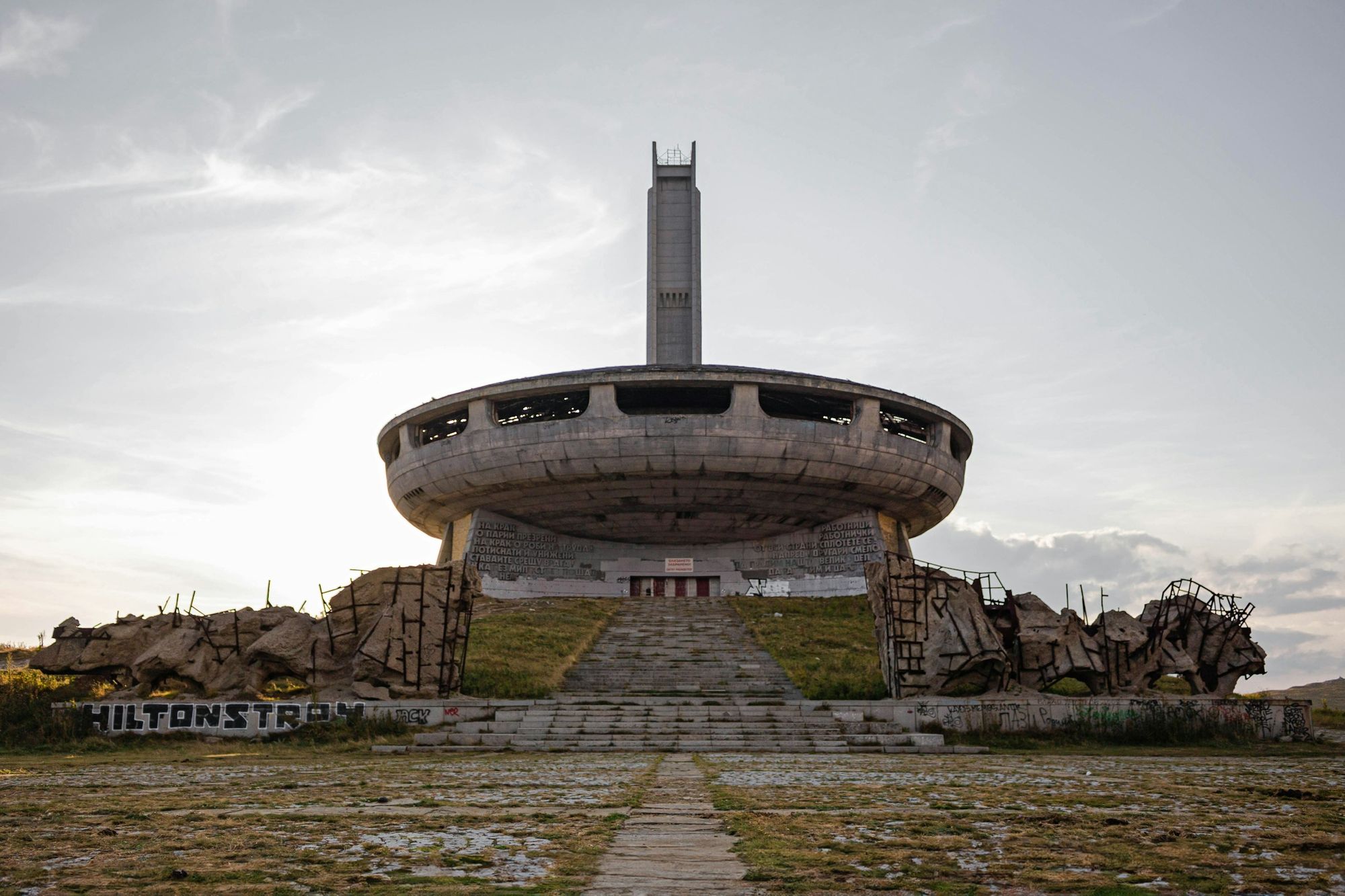
One of the Balkans’ most bizarre buildings is a concrete UFO perched on top of a 1,441-metre-high mountain: the Buzludzha Monument was inaugurated in 1981 as a monumental tribute to the Bulgarian Communist Party. After the fall of the regime, it was abandoned, its interiors and mosaics began to deteriorate, and the once-powerful symbol has since become one of the most striking ruins of the communist past. Here, dark tourism revolves primarily around a political era and its architectural self-representation.
The Brutality of the Recent Past
Srebrenica–Potočari, Bosnia and Herzegovina
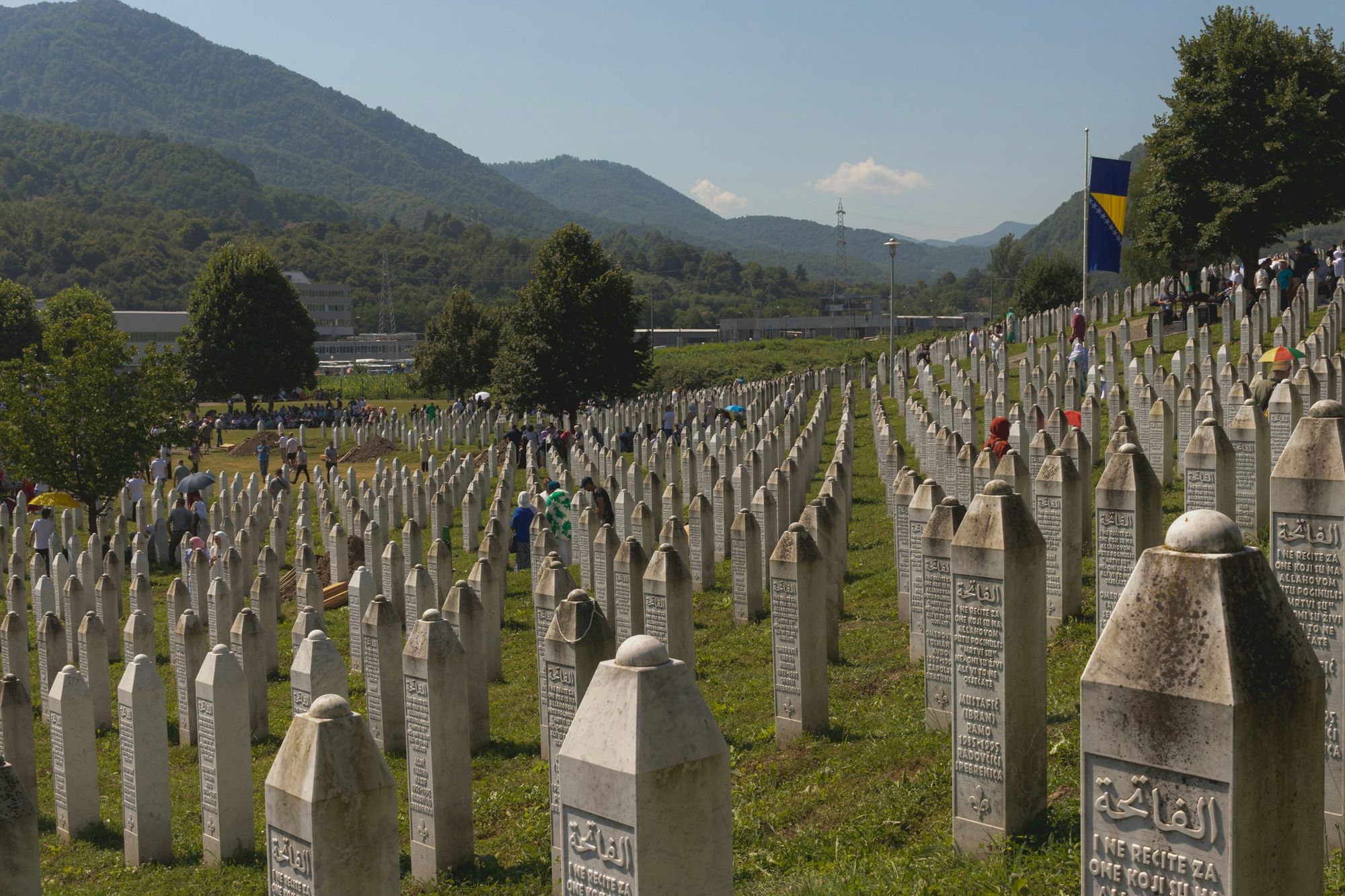
The Srebrenica–Potočari Memorial commemorates the 1995 genocide during the Bosnian War. The complex’s museum tells its story through personal belongings, photographs and survivors’ testimonies, while the cemetery is lined with the graves of those who were killed. More than one million people have visited since it opened, making Srebrenica clearly one of the significant sites of dark tourism – while here, it is particularly difficult to forget that behind the tourism are the losses of real families.
The Island with Nowhere to Escape
Goli Otok, Croatia
.jpg?ref=hypeandhyper.com)


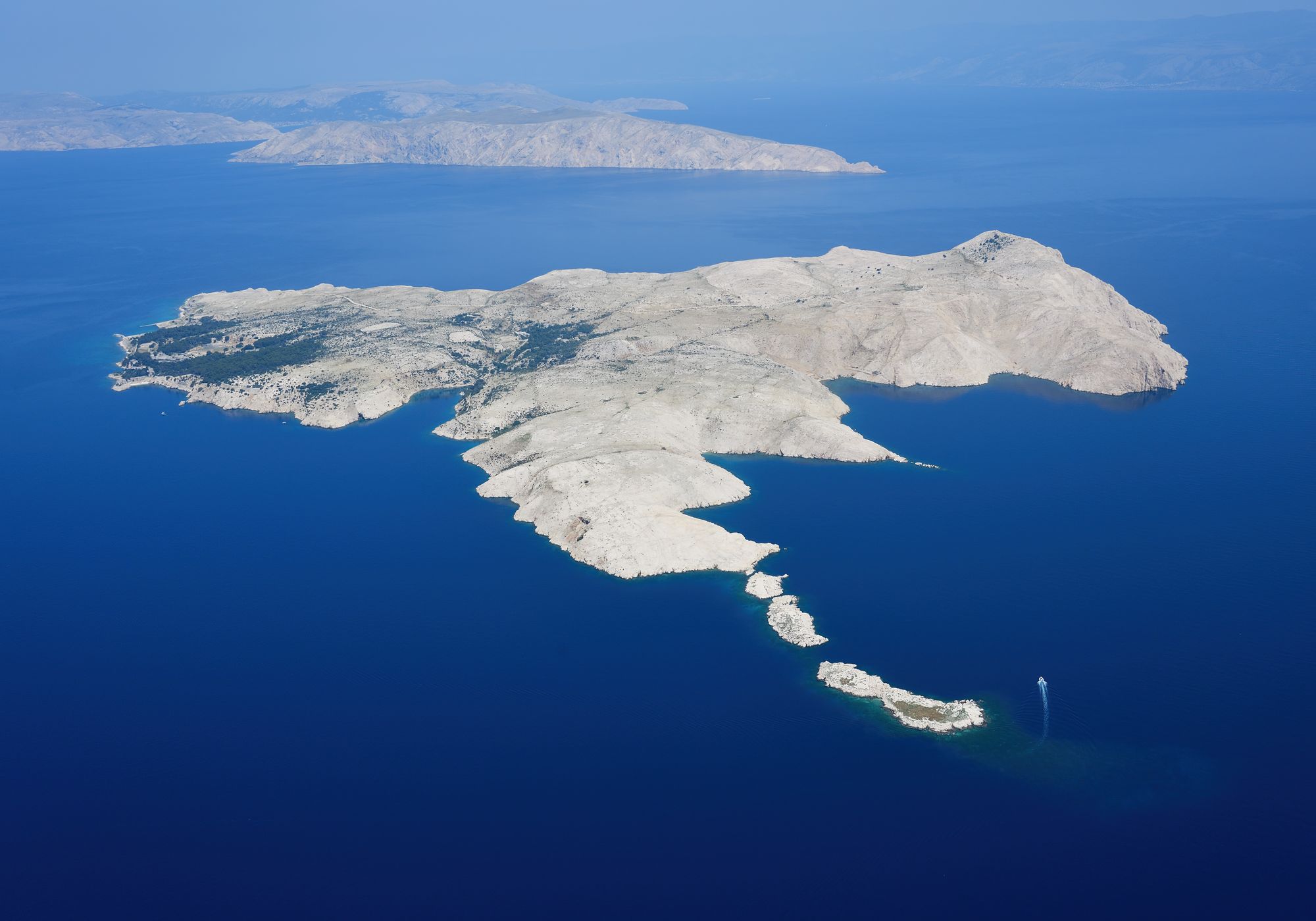
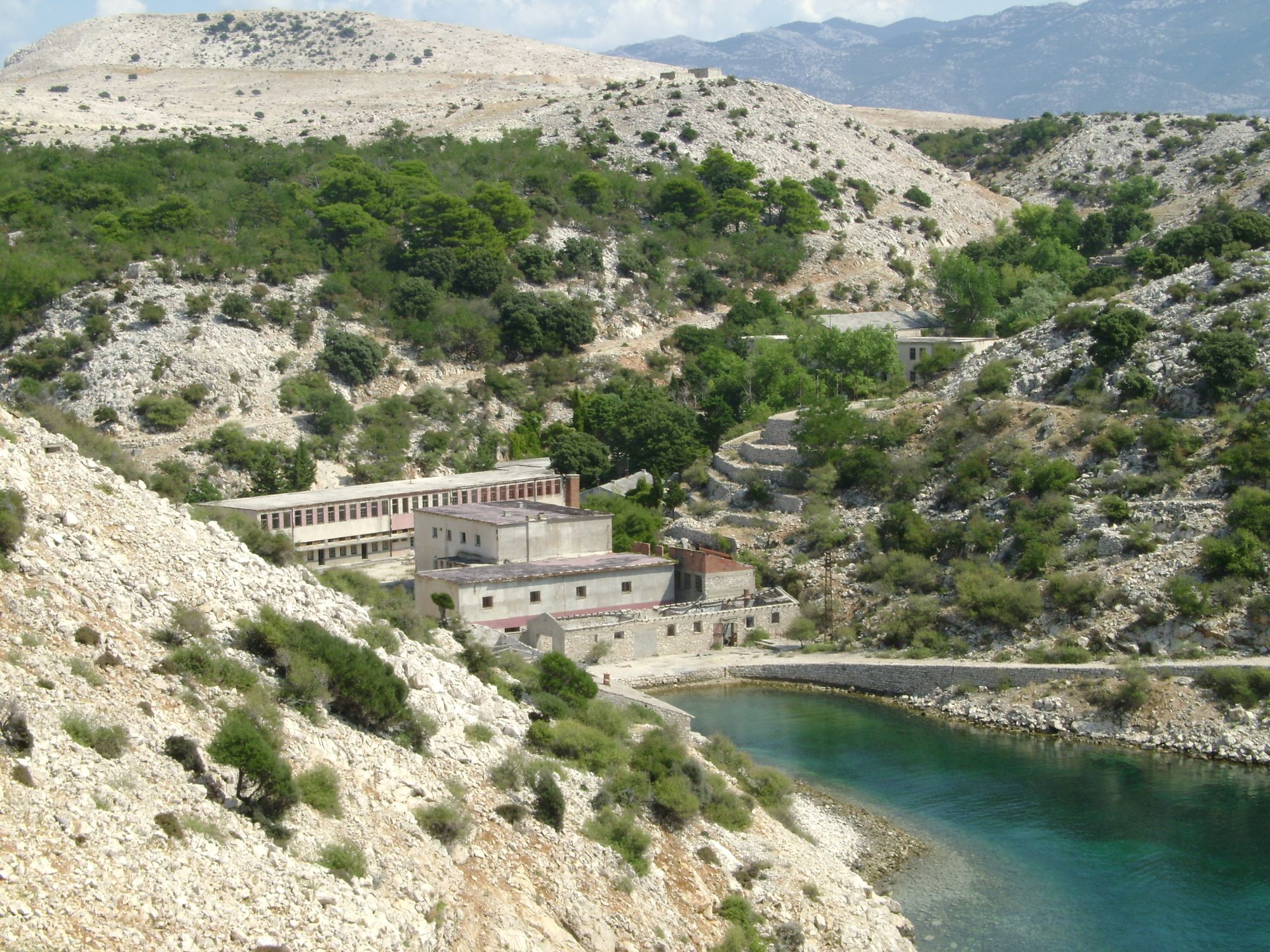
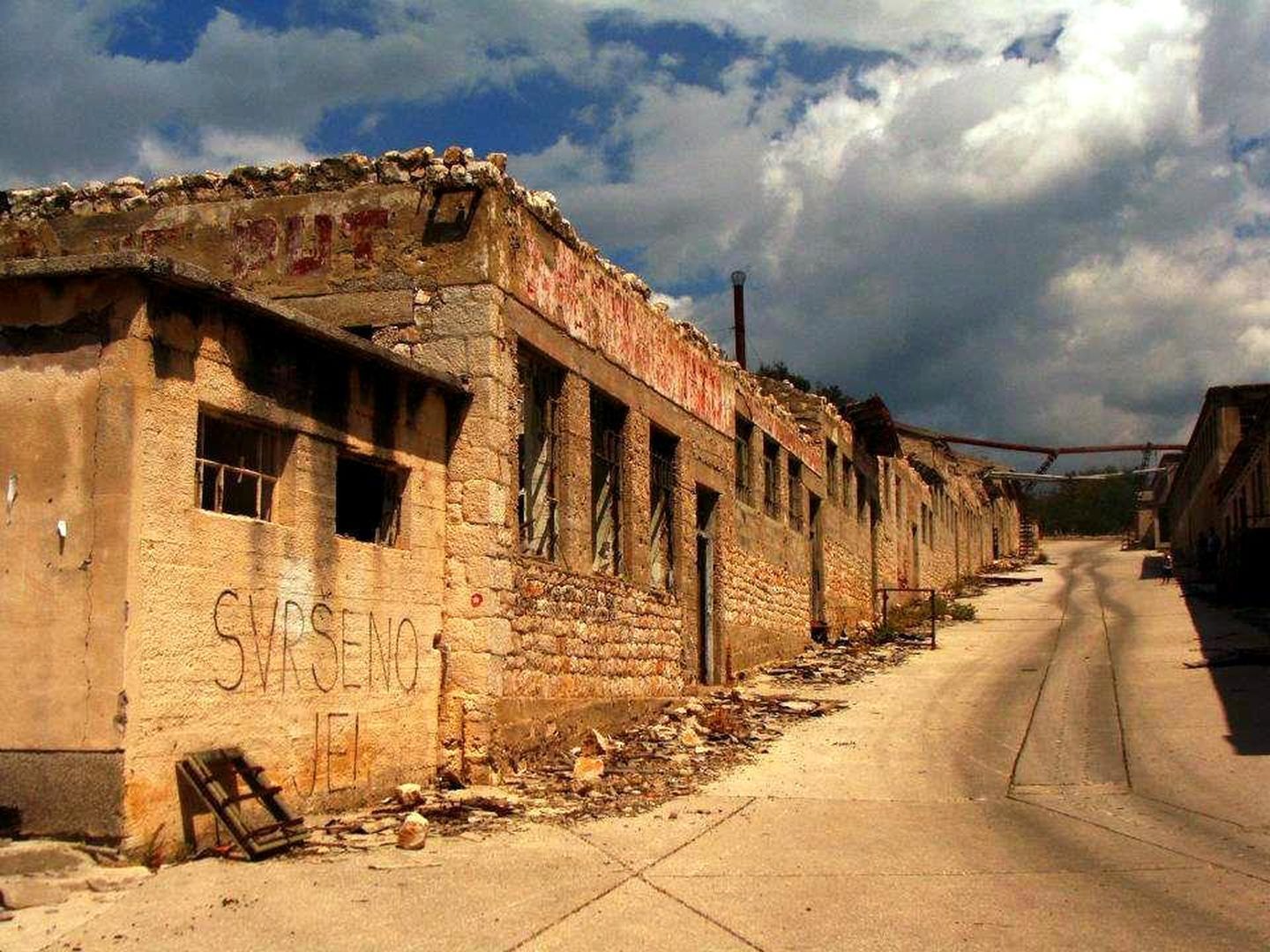
Goli Otok, in Croatia, operated as a political prison camp between 1949 and 1956 in Yugoslavia, following the Tito–Stalin split, and was later used as a prison until it closed in 1988. Around 13,000 people were sent here, many without trial, for forced labour and political “re-education”. Today, visitors can walk among the ruins of the once heavily guarded complex: just a few kilometres from the world of seaside holiday resorts stand the remnants of a very different Yugoslavia.
An Interior Built from Bones
Sedlec Ossuary, Kutná Hora, Czechia
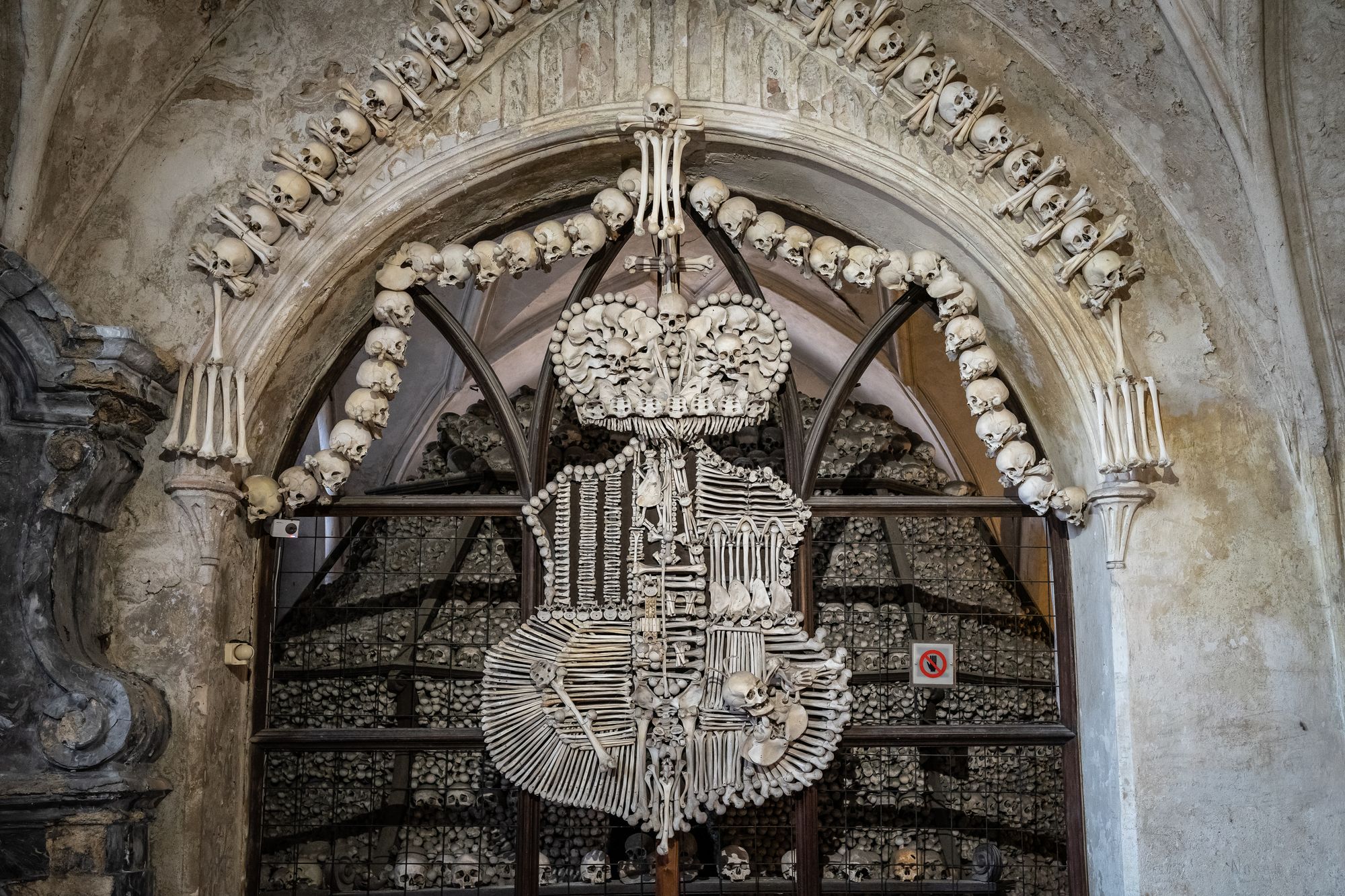
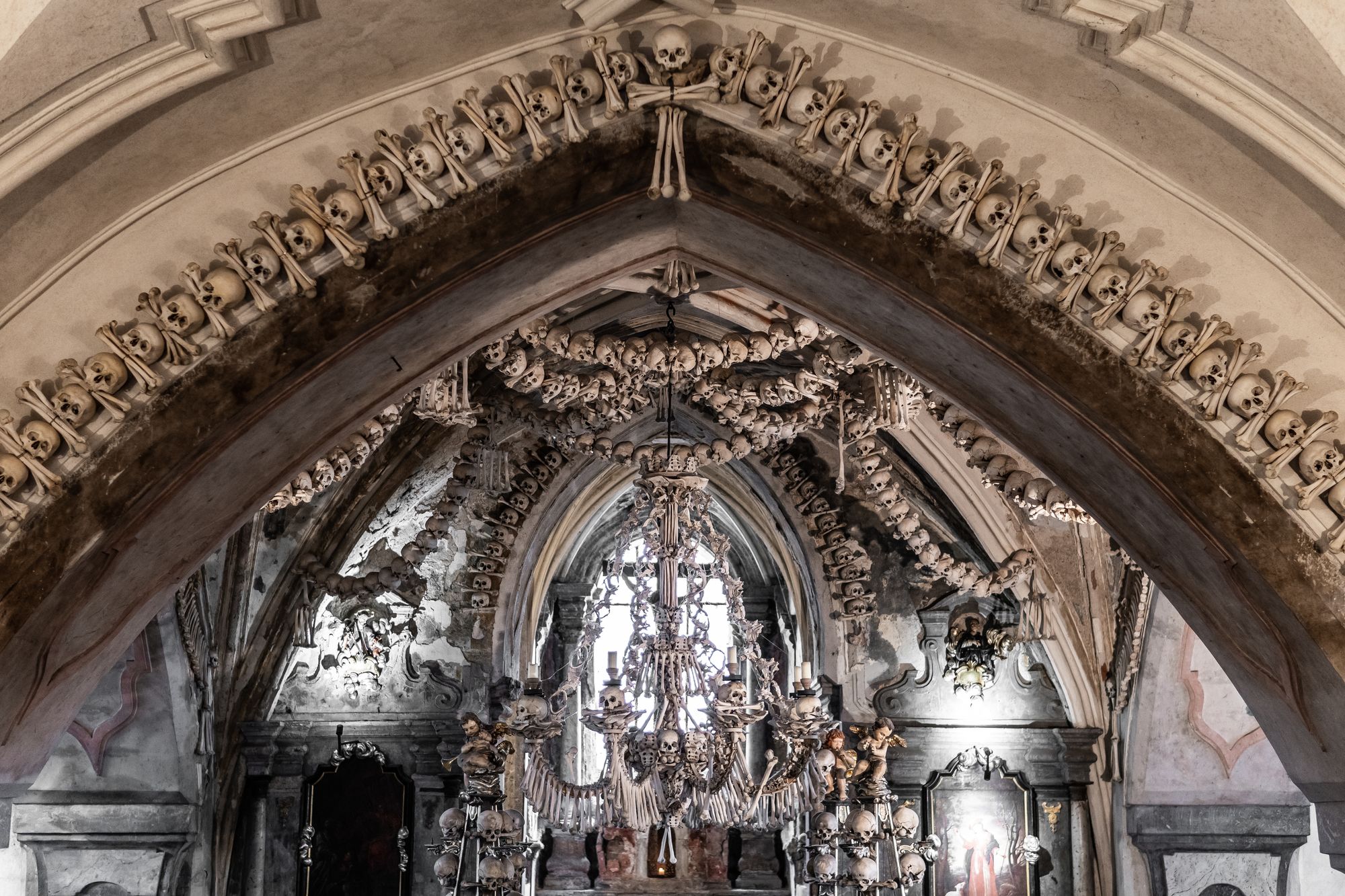
In the Sedlec Ossuary near Kutná Hora, the remains of roughly 40,000 people have been arranged into artistic compositions: a chandelier, coat of arms and pyramid made from bones greet visitors. The sight is both morbid and mesmerising, while its original purpose was precisely to remind visitors of mortality. There may be no other place that shows quite so literally how death can become an aesthetic experience.
Tito’s Nuclear Bunker
Konjic, Bosnia and Herzegovina
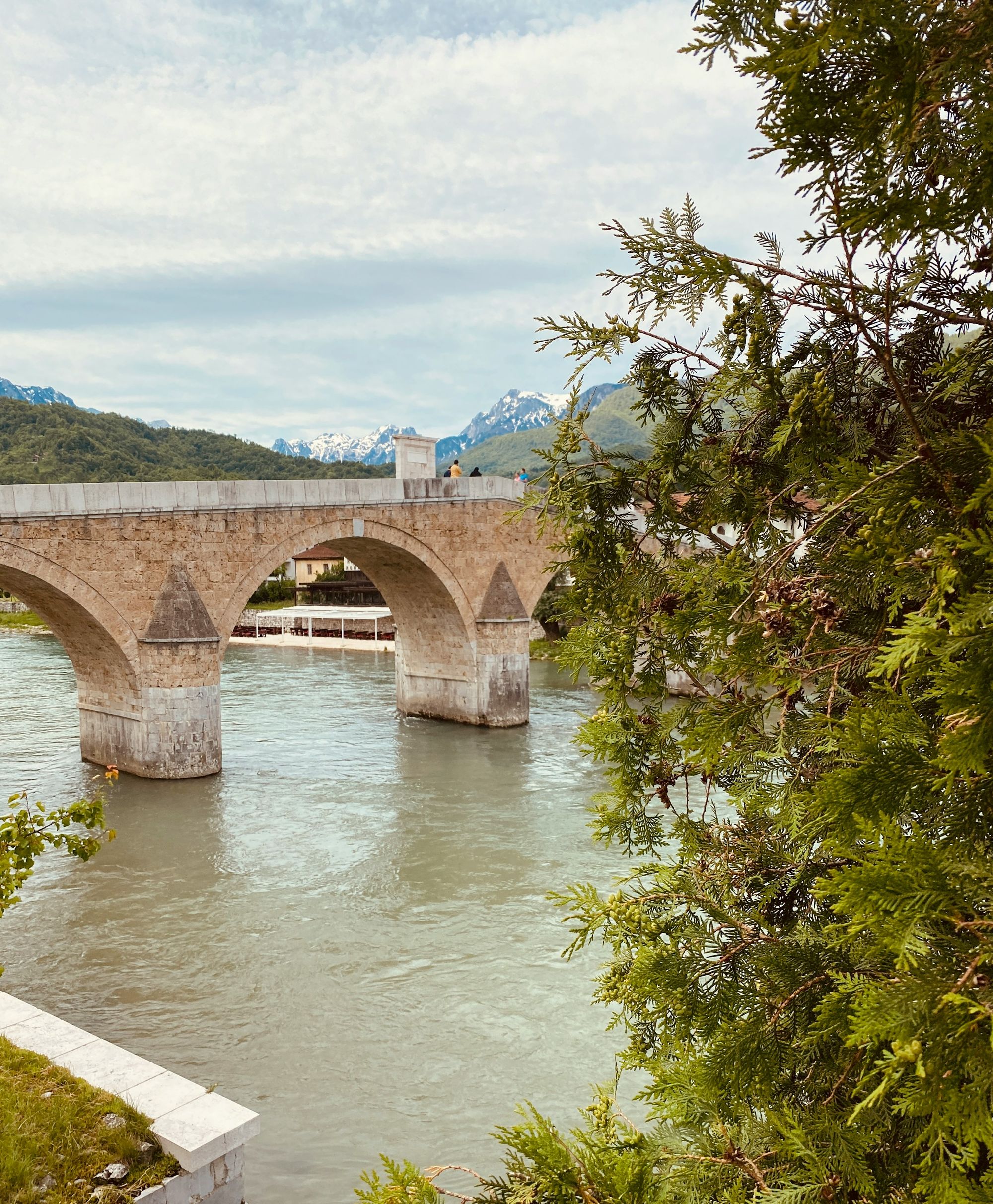
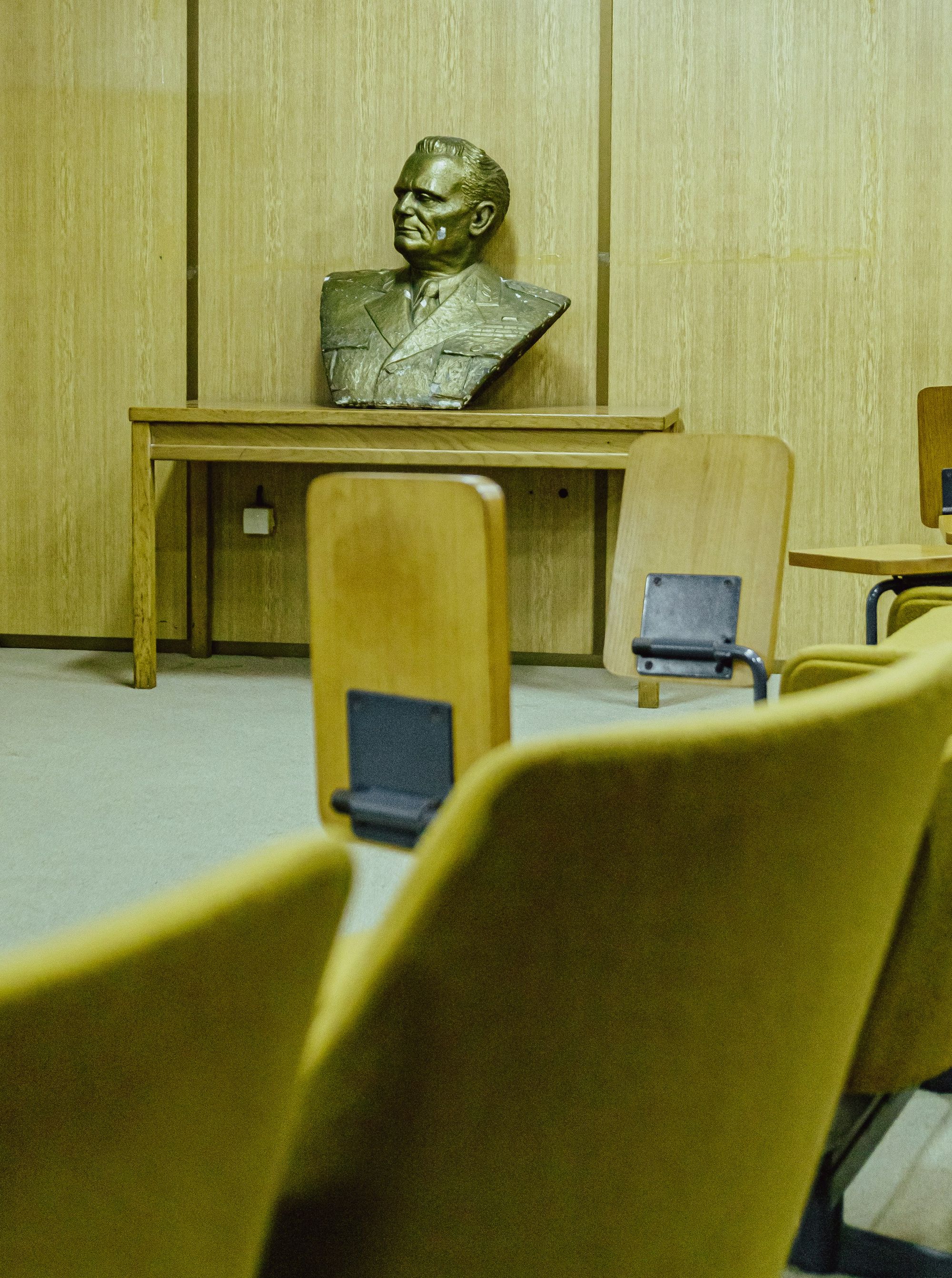
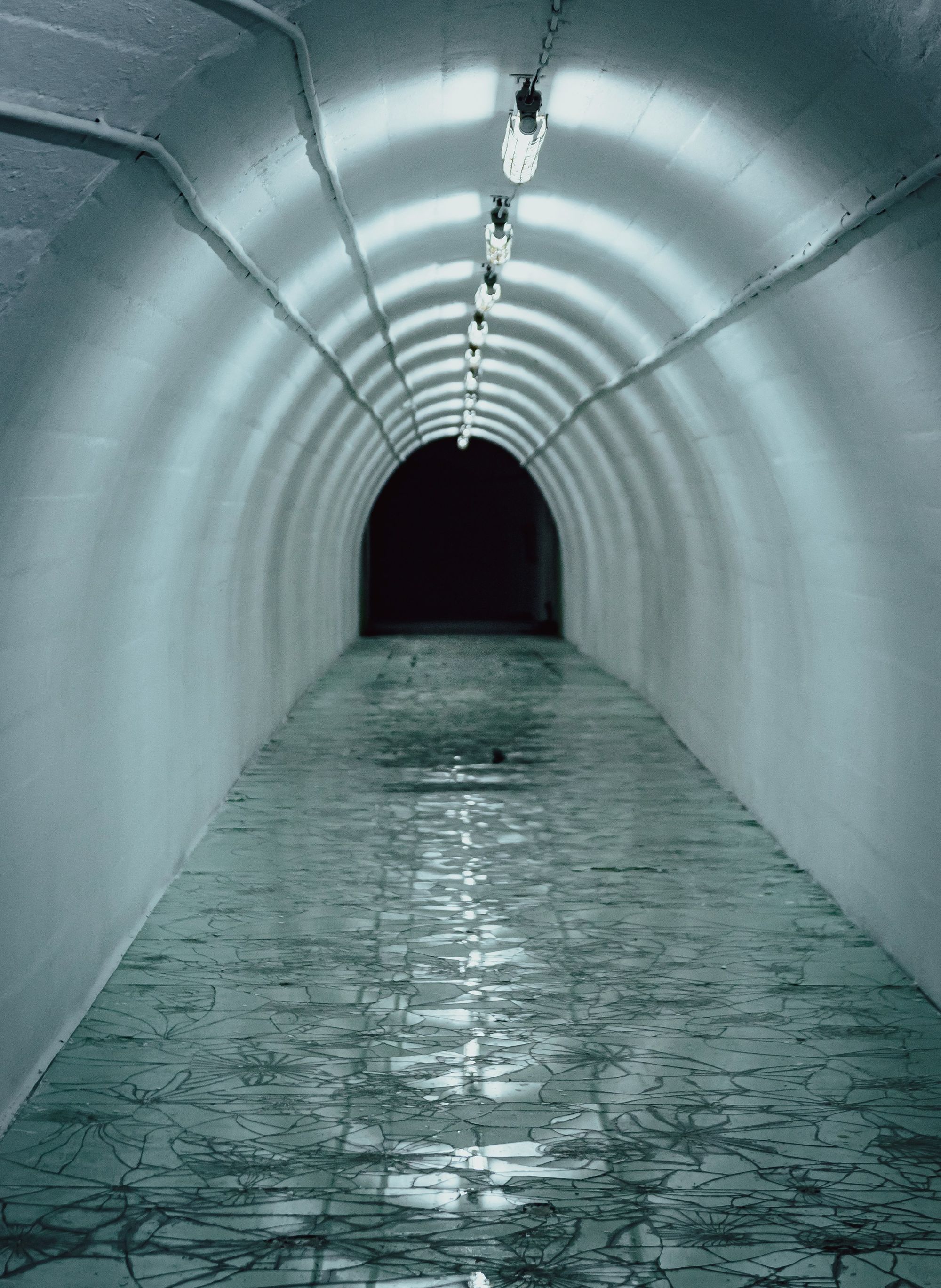

Hidden deep inside a mountain near Konjic, the D-0 ARK bunker was one of the Yugoslav state’s greatest Cold War secrets. Built between 1953 and 1979, it was designed to shelter Tito and the political and military leadership in the event of a nuclear attack; the 6,500-square-metre complex remained strictly classified for decades. Today, it can be visited on guided tours, while its original spaces have also been taken over by contemporary art exhibitions.
The Present Tense
Bucha, Ukraine
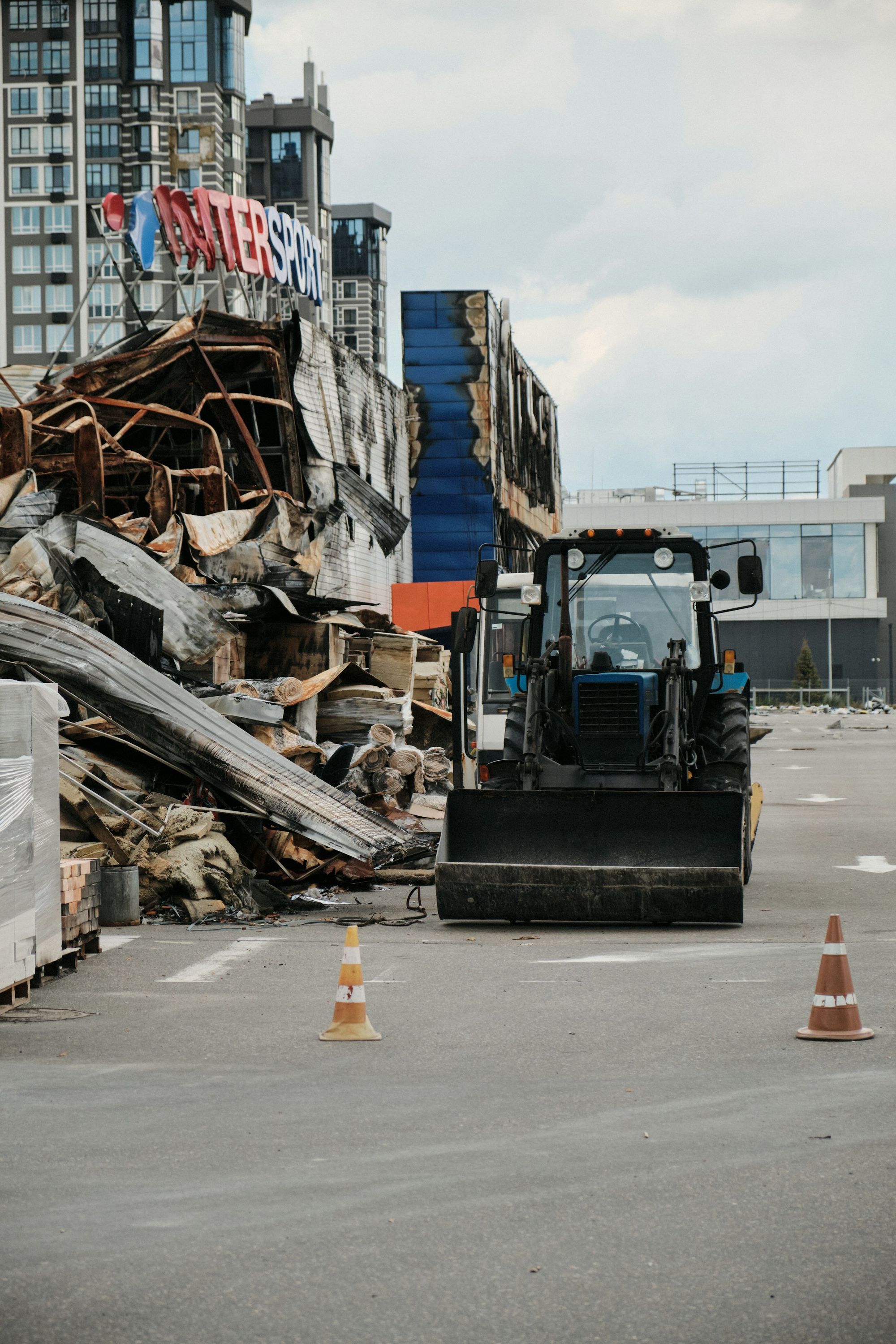
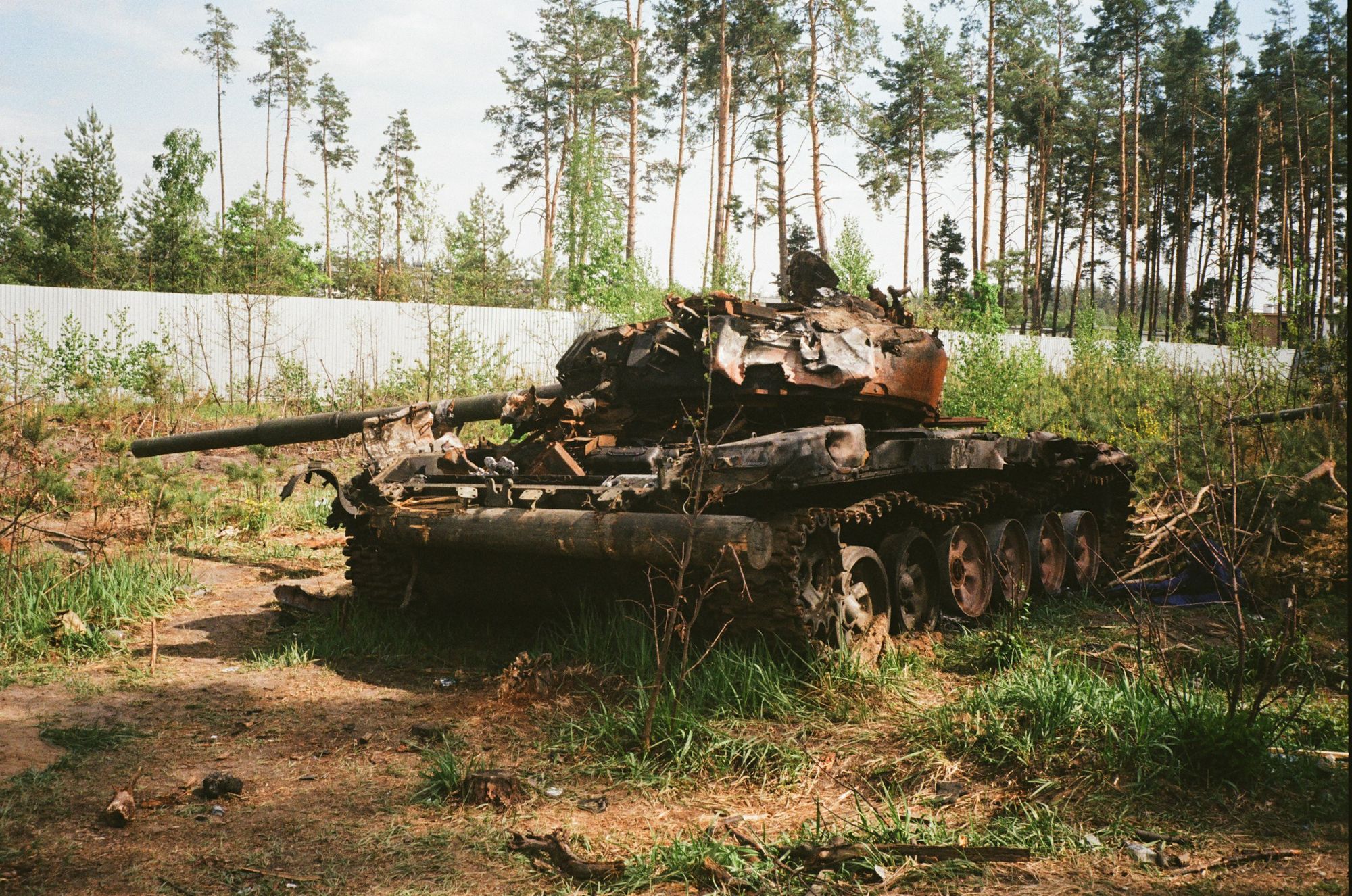
Bucha is an entirely different category: here, tourists encounter the traces of a war that is still very recent. During the Russian occupation in 2022, civilians were killed and tortured, and a mass grave was uncovered on the grounds of the Church of St Andrew. Today, the site forms part of the “Routes of Memory” programme, with a memorial wall and exhibition at the church. In Bucha, the question becomes particularly acute: when does remembrance become tourism, and what does it mean to be a tourist in a country that is still at war?
Opening picture: Unsplash / Natalya Letunova